How to Adjust Parking Brake on Jeep Wrangler Jk
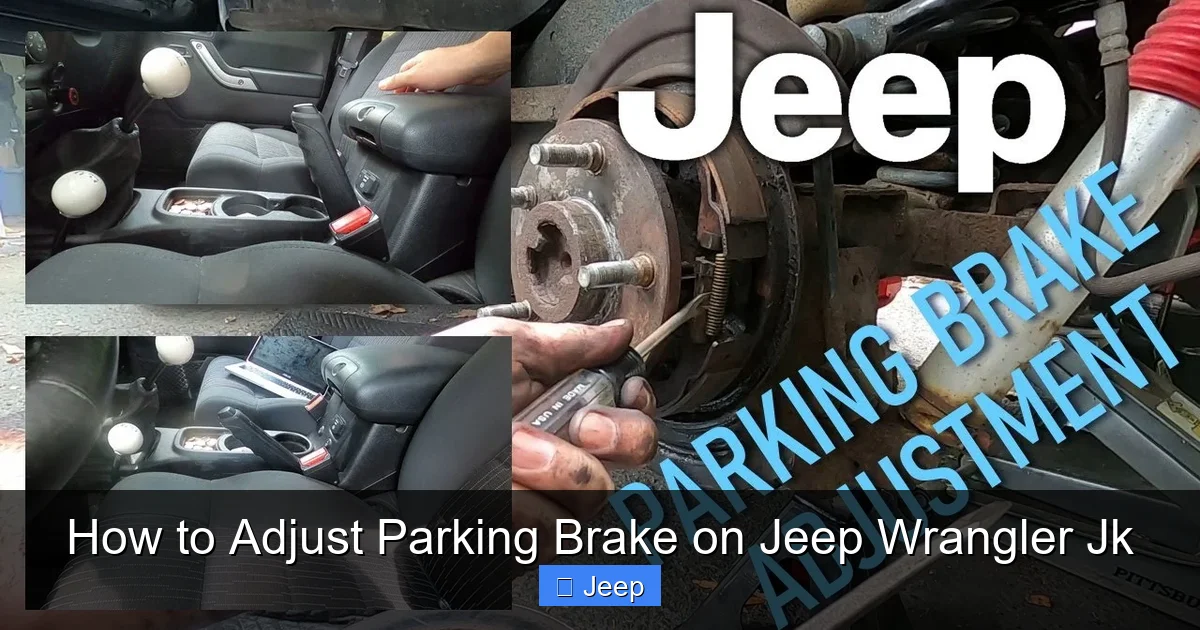
Adjusting the parking brake on your Jeep Wrangler JK is a crucial maintenance task that ensures your vehicle stays secure on any incline. Whether you notice your parking brake feeling loose or slipping, this guide will walk you through the process. With basic tools and a little patience, you can handle this job at home.
Key Takeaways
- Regular maintenance matters: Your Jeep Wrangler JK parking brake can wear down over time, especially with frequent use on steep trails.
- Know the warning signs: Slipping, loose handle, or burning smells mean it is time to adjust or inspect your parking brake.
- Gather the right tools: You will need basic hand tools like wrenches, pliers, and a jack stand to safely adjust the parking brake.
- Follow the step-by-step process: Adjusting the parking brake involves accessing the rear brake caliper and making small cable tension adjustments.
- Test thoroughly: Always test your parking brake on a gentle slope after adjusting it to confirm it holds firm.
- Safety first: Never work under a vehicle without proper support, and make sure the Jeep is on a flat surface before starting.
- Know when to call a pro: If the parking brake cable is frayed or damaged, seek professional help instead of attempting a DIY fix.
📑 Table of Contents
- Why Adjusting the Parking Brake on Your Jeep Wrangler JK Matters
- Signs Your Jeep Wrangler JK Parking Brake Needs Adjustment
- Tools You Will Need to Adjust the Parking Brake
- Step-by-Step Guide: How to Adjust Parking Brake on Jeep Wrangler JK
- Testing Your Adjusted Parking Brake
- Common Mistakes to Avoid When Adjusting the Parking Brake
- When to Seek Professional Help
- Maintaining Your Jeep Wrangler JK Parking Brake Long-Term
- Final Thoughts on Parking Brake Adjustment for Jeep Wrangler JK Owners
Why Adjusting the Parking Brake on Your Jeep Wrangler JK Matters
The parking brake on your Jeep Wrangler JK is more than just a convenience feature. It is a critical safety system that keeps your vehicle from rolling away when parked on a hill or a trail. Over time, the parking brake cable can stretch, the shoes can wear down, and the entire system can lose its grip. If you have been ignoring a loose or weak parking brake, now is the time to fix it.
Adjusting the parking brake on Jeep Wrangler JK models is something every owner should know how to do. It saves you money on mechanic bills and gives you peace of mind on the trail. Whether you park on a steep driveway or take your JK off-roading on rocky terrain, a properly adjusted parking brake is non-negotiable. Let us dive into everything you need to know about getting this job done right.
Signs Your Jeep Wrangler JK Parking Brake Needs Adjustment
Before you grab your tools, you need to confirm that your parking brake actually needs adjusting. Here are some common signs that something is off with your Jeep Wrangler JK parking brake system.
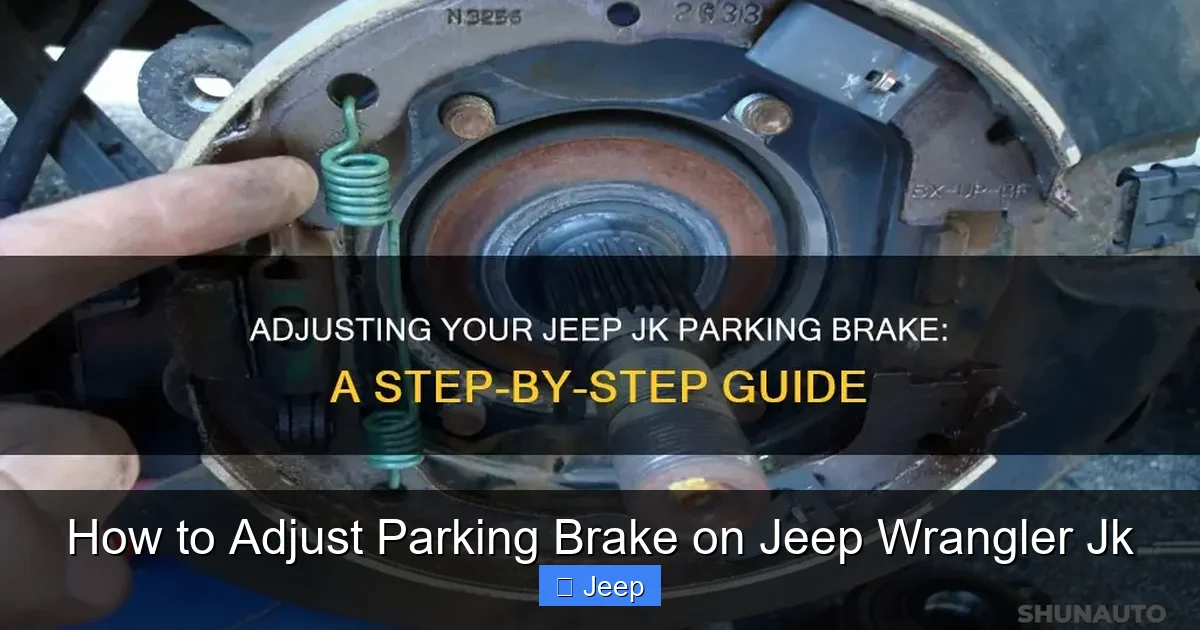
Visual guide about How to Adjust Parking Brake on Jeep Wrangler Jk
Image source: shunauto.com
The Handle Feels Loose or Too Easy to Pull
If you pull up the parking brake handle and it feels like it has no resistance, that is a clear sign the cable has loosened over time. A properly functioning parking brake should require some effort to pull up. When it feels like a toy, you are not getting enough tension on the rear brakes.
The Jeep Rolls When Parked
This one is obvious but dangerous. If your Jeep Wrangler JK rolls or creeps when the parking brake is fully engaged, the system is not holding. This can happen on steep inclines or even gentle slopes. Do not ignore this sign. A rolling Jeep can cause serious damage or injury.
Burning Smell After Parking
A burning smell after parking usually means the parking brake is not fully releasing. The brake shoes may be dragging against the rotor or drum. This can lead to overheating, premature wear, and expensive repairs if left unchecked. Sometimes a simple adjustment solves the problem completely.
Inconsistent Performance
If your parking brake holds on some days but slips on others, the cable may be stretching unevenly. This inconsistency is a hallmark of a parking brake system that needs attention. Do not wait until it fails completely. Address it early with a proper adjustment.
Tools You Will Need to Adjust the Parking Brake
One of the great things about this job is that you do not need a garage full of expensive equipment. Here is what you should have on hand before you start working on your Jeep Wrangler JK parking brake adjustment.
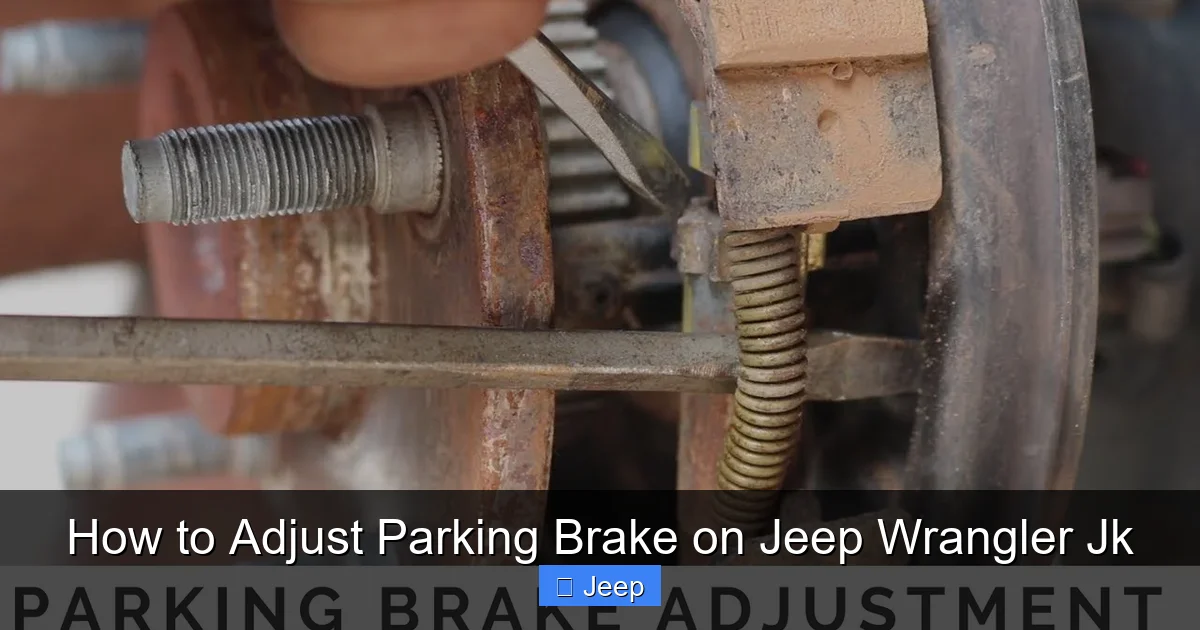
Visual guide about How to Adjust Parking Brake on Jeep Wrangler Jk
Image source: i.ytimg.com
- Jack and jack stands: You need to lift the rear of the Jeep safely. Never rely on a jack alone. Use jack stands for support.
- Lug wrench: For removing the rear wheels so you can access the brake components.
- Socket set and wrenches: You will need various sizes to remove caliper bolts and access adjustment mechanisms.
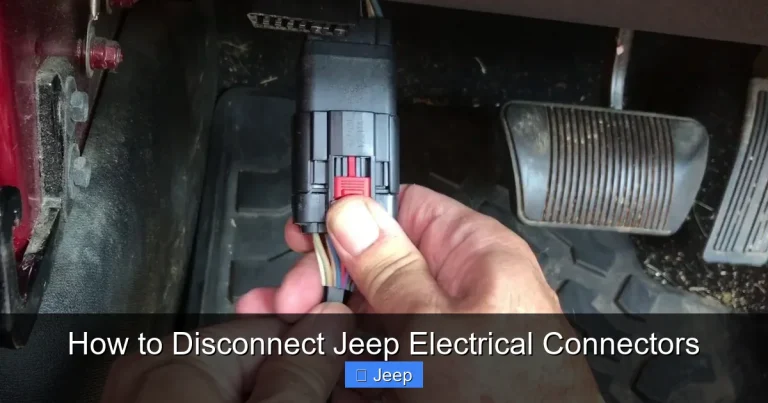
- Channel-lock pliers or vise grips: These help with gripping and turning the parking brake cable adjuster.
- Brake cleaner spray: To clean up any dirt or grease on the brake components.
- Gloves and safety glasses: Protect your hands and eyes from debris and brake dust.
Having all your tools ready before you start will save you time and frustration. You do not want to be halfway through the job only to realize you are missing a wrench.
Step-by-Step Guide: How to Adjust Parking Brake on Jeep Wrangler JK
This is the core of the process. Follow these steps carefully to adjust the parking brake on your Jeep Wrangler JK. Take your time and do not rush. Safety and precision matter here.
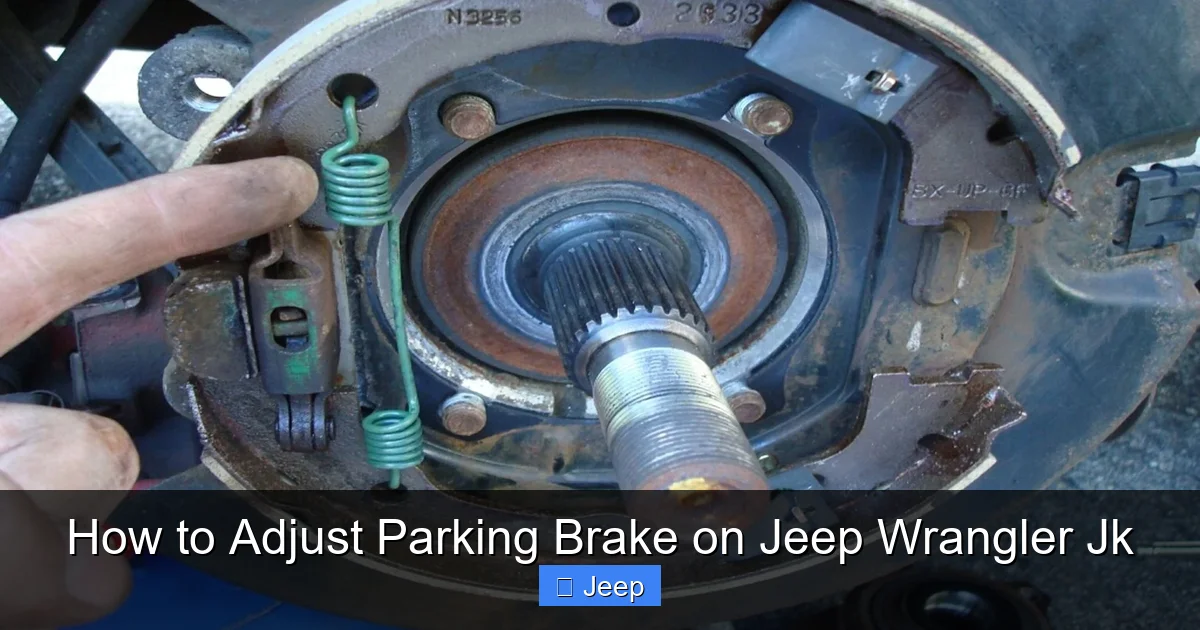
Visual guide about How to Adjust Parking Brake on Jeep Wrangler Jk
Image source: cimg2.ibsrv.net
Step 1: Park on a Flat Surface and Secure the Vehicle
Start by parking your Jeep Wrangler JK on a flat, level surface. Put the transmission in neutral if you have a manual or park if automatic. Apply the regular foot brake before you do anything else. Then use your jack to lift the rear of the vehicle and place jack stands under the designated support points. Never get under a vehicle supported only by a jack.
Step 2: Remove the Rear Wheels
Use your lug wrench to loosen the lug nuts on both rear wheels. Lift the Jeep and remove the wheels completely. This gives you access to the brake calipers and parking brake mechanisms. Set the wheels aside in a safe spot.
Step 3: Inspect the Brake Components
Before adjusting anything, take a close look at the rear brake calipers, pads, and rotors. Look for excessive wear, cracks, or fluid leaks. If you notice any serious damage, you may need to replace parts before adjusting the parking brake. If everything looks reasonably good, proceed to the next step.
Step 4: Locate the Parking Brake Cable Adjuster
On the Jeep Wrangler JK, the parking brake cable runs to the rear brake calipers. You will find an adjustment mechanism near the caliper or at the cable housing. This is where you will increase or decrease the tension. Use your pliers or wrench to access the adjuster nut. If you have previously had work done on the brake system, such as needing to push brake piston back, you likely already know where these components live.
Step 5: Adjust the Cable Tension
Turn the adjuster clockwise to increase tension and counterclockwise to decrease it. Make small adjustments, about a quarter turn at a time. After each adjustment, check the resistance on the parking brake handle. You want firm, consistent resistance without it being too hard to pull. The goal is to get the parking brake to hold the vehicle securely on a moderate slope with about five to seven clicks of the handle.
Step 6: Check Both Sides for Equal Tension
The parking brake system uses two cables, one for each rear wheel. Make sure both sides have equal tension. An imbalance can cause the Jeep to pull to one side when the parking brake is engaged. Adjust each side carefully until the resistance feels even on both sides.
Step 7: Reinstall the Wheels and Lower the Vehicle
Once you are satisfied with the adjustments, put the rear wheels back on and tighten the lug nuts in a star pattern. Lower the Jeep from the jack stands and remove them. Give the lug nuts a final check after driving a short distance to make sure everything is secure.
Testing Your Adjusted Parking Brake
After completing the adjustment, you need to test the parking brake to make sure it works properly. Do not just assume it is fine because the handle feels tighter.
Test on a Gentle Slope
Find a quiet, gentle slope or incline. Engage the parking brake fully and release the foot brake. Let the Jeep sit for a few minutes. If it does not move, your adjustment worked. If it rolls even slightly, you need to add more tension and repeat the process.
Test on a Flat Surface
Drive the Jeep in reverse or forward with the parking brake engaged on a flat surface. You should feel firm resistance. If the Jeep moves freely, the parking brake is not engaging properly. If it is too hard to move, the cable may be over-tightened, which can cause the brakes to drag.
Listen for Unusual Sounds
Pay attention to any grinding, squealing, or rubbing sounds when driving with the parking brake released. These sounds can indicate that the brake shoes are not fully retracting. A misadjusted parking brake can cause constant drag, leading to overheating and premature wear. If you notice persistent sounds after adjusting, inspect the system again.
Common Mistakes to Avoid When Adjusting the Parking Brake
Even with a straightforward job like this, mistakes happen. Here are some common pitfalls to watch out for when learning how to adjust parking brake on Jeep Wrangler JK models.
Over-Tightening the Cable
It is tempting to crank the adjuster all the way down to stop the Jeep from rolling. But over-tightening causes the brakes to drag constantly. This creates heat, wears out your brake pads faster, and can even warp the rotors. Make small, measured adjustments and test frequently.
Ignoring Rear Brake Condition
If your rear brake pads are worn thin or the rotors are damaged, adjusting the parking brake will not solve the real problem. Always inspect the brake components before making adjustments. Sometimes the issue is not the cable tension but worn parts that need replacement.
Skipping the Equal Tension Check
Forgetting to balance both sides is a rookie mistake. Uneven tension leads to pulling, uneven tire wear, and premature brake wear on one side. Always check and adjust both rear brakes equally.
Not Testing on a Real Slope
Testing on flat ground only tells you part of the story. Always test on an actual incline to verify that the parking brake holds under load. This is the real-world scenario you are preparing for.
When to Seek Professional Help
There is no shame in admitting when a job is beyond your skill level. If the parking brake cable is visibly frayed, corroded, or broken, do not attempt to adjust it. A damaged cable will not hold, no matter how much you tighten. In this case, you may need a full parking brake cable replacement. If you have ever needed to cap off a brake line or deal with serious brake system issues, you already know when it is time to call in a professional. The parking brake is a safety-critical system, and it deserves the same respect as your primary service brakes.
Another situation where professional help is wise is when the rear brake calipers are stuck or seized. If the caliper pistons are not moving freely, adjusting the parking brake cable will not fix the underlying problem. A mechanic can inspect the entire rear brake system and address any hidden issues. Similarly, if you find yourself needing to plug a brake line or deal with brake fluid leaks, stop and consult a professional immediately.
Maintaining Your Jeep Wrangler JK Parking Brake Long-Term
Once you have adjusted the parking brake, you want to keep it in good shape. Here are a few quick tips for long-term maintenance.
First, avoid leaving the parking brake engaged for extended periods in hot weather. The heat can cause the brake shoes to glaze and lose their grip. Second, release and re-engage the parking brake periodically to prevent the cable from sticking or corroding. Third, keep the rear brake components clean and free of debris. A quick spray of brake cleaner now and then goes a long way.
If you frequently take your Jeep Wrangler JK off-roading, your parking brake will work harder than average. Mud, water, and dirt can all affect the brake system. After a tough trail session, inspect your brakes and give them a thorough cleaning. Regular attention keeps your parking brake reliable when you need it most.
Final Thoughts on Parking Brake Adjustment for Jeep Wrangler JK Owners
Knowing how to adjust parking brake on Jeep Wrangler JK is a valuable skill that every owner should have in their toolkit. It is a relatively simple job that can save you from dangerous situations and expensive repairs. The key is to take your time, make small adjustments, and test thoroughly. Do not rush the process and never compromise on safety.
Your Jeep Wrangler JK is built for adventure, and a reliable parking brake is part of what makes it road-ready. Whether you are parked on a mountain trail or a city hillside, you can trust your Jeep to stay put. Keep your tools handy, stay on top of maintenance, and enjoy the confidence that comes with a well-maintained vehicle. You have got this.
Frequently Asked Questions
How often should I adjust the parking brake on my Jeep Wrangler JK?
You should inspect and adjust the parking brake every 12,000 to 15,000 miles or at least once a year. If you frequently drive on steep terrain or use the parking brake heavily, check it every six months for proper tension and wear.
Can I adjust the parking brake without removing the rear wheels?
In some cases, you can access the parking brake adjuster without removing the wheels, but removing them gives you much better access to the caliper and cable components. For a proper adjustment on a Jeep Wrangler JK, removing the rear wheels is highly recommended.
What tension is ideal for the Jeep Wrangler JK parking brake?
The ideal tension is when the parking brake holds the vehicle firmly on a moderate slope with about five to seven clicks of the handle. It should feel firm but not excessively hard to pull up. You should be able to move the vehicle with some effort using the foot brake on flat ground.
Why does my parking brake smell like burning after adjustment?
A burning smell usually means the brake shoes are dragging because the parking brake is over-tightened or not fully releasing. Loosen the cable slightly and test again. If the smell persists, inspect the brake shoes and calipers for wear or damage.
Is it safe to drive with a loose parking brake temporarily?
No, it is not safe. A loose parking brake can fail on a slope, causing the vehicle to roll. If your parking brake feels loose, avoid parking on inclines and address the issue as soon as possible. Drive only to a safe location and fix the problem immediately.
What is the difference between the parking brake and the foot brake on a Jeep Wrangler JK?
The foot brake is the primary braking system used while driving, operating all four wheels through a hydraulic system. The parking brake is a secondary mechanical system that locks the rear wheels only, designed to keep the vehicle stationary when parked. They are independent systems, so a failure in one does not automatically affect the other.