How to Get Better Gas Mileage in a Jeep
Getting better gas mileage in a Jeep is easier than you think. By tuning your engine, checking tires, and adjusting driving habits, you can see real savings at the pump. This guide walks you through practical steps that work for every Jeep model.
Key Takeaways
- Engine Health Matters: Keep your Jeep’s engine tuned and oil fresh to maximize fuel efficiency.
- Drive Smoothly: Gentle acceleration and braking can improve mileage by up to 15%.
- Maintain Proper Tire Pressure: Under‑inflated tires can cost you 3–4% more fuel.
- Upgrade Smart: Cold air intakes and performance chips can squeeze extra miles per gallon.
- Use the Right Drivetrain: Switching between 2WD and 4WD based on road conditions saves fuel.
- Track Your Progress: Use an MPG app to monitor improvements and adjust habits.
📑 Table of Contents
Introduction
Jeeps are built for adventure, but many owners wonder how to get better gas mileage in a Jeep without sacrificing that rugged feel. Whether you daily‑drive a Wrangler, Grand Cherokee, or a newer Gladiator, fuel costs add up quickly. The good news is that simple changes can shave gallons off your tank usage. In this guide, we’ll break down everything from routine maintenance to advanced driving techniques. You’ll learn why a few small tweaks can lead to big savings and how to keep your Jeep performing at its best while sipping fuel like a champion.
First, let’s set the stage. A Jeep’s character comes from its robust engine, capable drivetrain, and off‑road DNA. These traits can be fuel‑thirsty, but they also give you tools to optimize efficiency. By understanding how your vehicle works and applying a few proven strategies, you’ll see measurable improvements. The following sections dive deep into each area, offering practical examples you can start using today.
Understand Your Jeep’s Fuel System
Engine Health Is the Foundation
When you ask how to get better gas mileage in a Jeep, the first stop is the engine. A healthy engine burns fuel cleanly and delivers power efficiently. Start with regular oil changes—most manufacturers recommend every 5,000 to 7,500 miles for modern Jeeps. Fresh oil reduces friction, letting the engine work less hard and use less gasoline. Also, keep the air filter clean. A clogged filter forces the engine to work harder, eating up fuel. Replace it according to your owner’s manual, or sooner if you drive dusty roads.
Visual guide about How to Get Better Gas Mileage in a Jeep
Image source: shunauto.com
Another key factor is the spark plugs. Worn plugs cause misfires, which waste fuel. Check them every 30,000 miles and replace as needed. If your Jeep has a fuel injection system, keep the injectors clean. Using a quality fuel additive can help remove deposits and restore optimal spray patterns. For those who want a bit more power without sacrificing economy, a performance chip can be a game‑changer. Many owners find that a modest tune‑up, similar to the steps in How To Improve Acceleration In Jeep Grand Cherokee, also improves mileage by making the engine respond more precisely.
Fuel Delivery Basics
Understanding how fuel gets to the engine helps you spot problems early. The fuel pump pushes gasoline from the tank to the rail, where pressure is regulated. If the pump weakens, you may notice hesitation or a drop in MPG. Listen for unusual noises near the fuel tank—often a sign of a failing pump. Also, inspect the fuel filter. A restricted filter forces the pump to work harder, increasing fuel consumption.
Modern Jeeps often use a return‑type fuel system. This means some fuel returns to the tank, keeping the system cool. If you notice a strong gasoline odor, there could be a leak in the return line. Leaks not only waste fuel but can be a fire hazard. Tighten connections and replace cracked hoses promptly. Keeping the fuel system clean is one of the easiest ways to answer the question of how to get better gas mileage in a Jeep.
Driving Habits That Matter
Smooth Acceleration and Braking
Your driving style has a direct impact on fuel consumption. Aggressive acceleration uses more gasoline because the engine works harder to produce sudden power. Instead, aim for a steady, gentle press on the accelerator. This smooth approach lets the transmission shift at optimal points, preserving fuel.

Visual guide about How to Get Better Gas Mileage in a Jeep
Image source: shunauto.com
Braking also plays a role. Coasting to a stop whenever possible reduces fuel use because the engine is disengaged. In city driving, anticipate traffic flow and ease off the gas early. This technique, often called “eco‑driving,” can improve mileage by 5‑10 percent. For those who enjoy a bit of spirited driving, remember that quick throttle changes spike fuel use. Balance fun with efficiency, and you’ll notice the difference at the pump.
Speed and Cruise Control
Speed directly correlates with fuel consumption. Most Jeeps achieve optimal MPG between 45 and 55 mph. Above 65 mph, aerodynamic drag increases sharply, causing fuel use to climb. Use cruise control on highways to maintain a steady speed. Cruise control removes the small speed fluctuations caused by human foot adjustments, keeping fuel usage consistent.
On the other hand, lower speeds in city traffic can also be efficient. Keep your engine rpm in the lower range—usually below 2,500 rpm for many Jeeps. This reduces fuel burn while still providing adequate power. If you have a automatic transmission, let it stay in “D” for normal driving. Only shift to “L” or “S” when you need extra engine braking or climbing steep grades.
Maintenance Tips for Maximum MPG
Oil Change Intervals
We already touched on oil, but it bears repeating. The right oil viscosity helps reduce drag inside the engine. Check your owner’s manual for the recommended oil weight—most Jeeps use 5W‑20 or 5W‑30. Using a higher viscosity than needed can make the engine work harder, hurting mileage.
Visual guide about How to Get Better Gas Mileage in a Jeep
Image source: vehiclebright.com
Modern synthetic oils can extend change intervals, but don’t skip them altogether. A dirty oil filter can trap debris, but it also adds resistance. Replace the filter each time you change the oil. This small step can improve fuel flow and keep the engine running smoothly.
Air Filter and Cabin Filter
The air filter protects the engine from dust, but a clean filter also ensures the correct air‑fuel mixture. A clogged filter starves the engine of air, causing it to run richer (more fuel). Replace the air filter at least once a year, or more often if you drive off‑road. The cabin filter, while not directly affecting MPG, improves HVAC efficiency, which can reduce engine load.
Tire Pressure and Alignment
Tire pressure is one of the most overlooked factors in fuel economy. Under‑inflated tires increase rolling resistance, forcing the engine to burn more gasoline. Check pressure monthly with a reliable gauge. The exact number is on a sticker inside the driver’s door jamb. Proper inflation not only saves fuel but also extends tire life.
Alignment matters too. Misaligned wheels cause the tires to scrub against the road, wasting energy. If you notice uneven tire wear or the steering wheel pulls to one side, get an alignment. Many service centers offer free or low‑cost alignments, making it an easy fix for better MPG.
Upgrade Your Jeep for Better Economy
Cold Air Intake
A cold air intake pulls cooler, denser air into the engine, which can improve combustion efficiency. Cooler air contains more oxygen per volume, allowing the engine to burn fuel more completely. This often results in a modest gain of 2‑5 MPG. Choose an intake that fits your Jeep model and is easy to maintain.
Some owners also pair the intake with a performance air filter. A high‑flow filter reduces restriction further, while still protecting the engine. Make sure the intake system doesn’t create excessive noise, as some jurisdictions regulate exhaust and intake sound levels.
Programmed Engine Tunes
Engine tuning involves updating the ECU (Engine Control Unit) software to optimize fuel maps. Many third‑party tuners offer “economy” tunes that prioritize MPG over raw power. These tunes adjust fuel trim, ignition timing, and throttle response. For many Jeeps, a good tune can add 3‑7 MPG without noticeable loss of performance.
If you’re comfortable with a DIY approach, there are plug‑and‑play tune chips you can install in the fuse box. They communicate with the factory ECU and apply the new settings instantly. For a more permanent solution, a professional remap at a reputable shop can fine‑tune the system based on your driving habits. Always verify that the tune complies with warranty terms.
Lightweight Accessories
Every extra pound your Jeep carries demands more energy to move. Removing unnecessary weight can improve fuel economy. Consider uninstalling roof racks when not in use, and avoid carrying heavy tools or equipment you don’t need. Even swapping a steel spare for a lightweight donut can shave a few pounds.
Aftermarket body panels, such as fiberglass hoods or composite liftkits, can reduce overall vehicle mass. While these upgrades may be more common in off‑road builds, they also help MPG. The key is to balance durability with weight savings. Choose materials that won’t compromise safety or structural integrity.
Using Drivetrain Features Wisely
2WD vs. 4WD
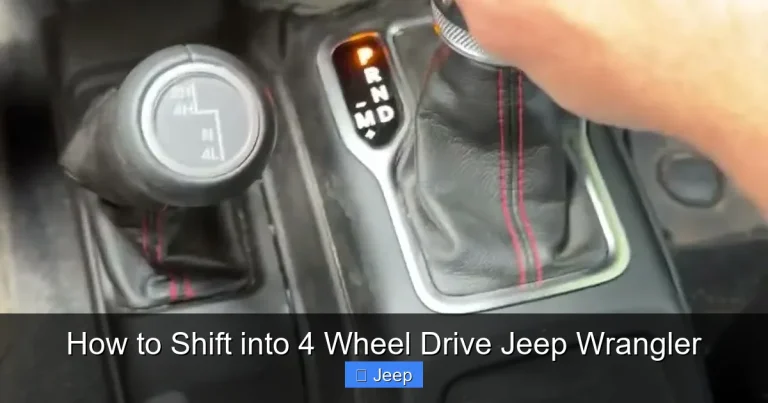
Most Jeeps offer selectable 4‑wheel drive. While 4WD provides superior traction on mud, snow, or steep rocks, it also adds a drag that reduces fuel economy. When you’re on paved roads and traction isn’t a concern, switch to 2WD. This simple switch can improve mileage by 10‑20 percent.
Many newer Jeeps have a “4Hi” (high‑range) and “4Lo” (low‑range) setting. Use 4Lo only when you need maximum torque at low speeds, such as deep sand or rock crawling. For everyday driving, 2WD or “4Hi” (if equipped) is sufficient. If you’re unsure which mode you’re in, glance at the instrument cluster—most Jeeps display the active drivetrain.
Switching Modes (see How To Switch From 2H To 4H Jeep Wrangler Automatic)
Understanding how to switch between 2H and 4H is essential for maximizing fuel efficiency. Modern automatic Jeeps often have a button or lever near the shifter. When you’re on dry asphalt, engage 2H. When you encounter slippery conditions, shift to 4H. This seamless transition prevents unnecessary fuel consumption while keeping you safe.
Some owners also use the “Neutral” mode when coasting downhill. This disengages the drivetrain from the engine, reducing load and saving fuel. However, never shift to Neutral on steep descents where engine braking is needed for safety. Use it sparingly and only on gentle slopes.
Advanced Tips and Tricks
Payload and Towing
Carrying extra weight or towing a trailer dramatically impacts MPG. Every 100 pounds added to a Jeep can reduce fuel economy by about 1‑2 percent. If you frequently haul gear, consider using a trailer with an aerodynamic design to reduce drag.
When towing, keep speeds moderate—around 45‑55 mph works best. Use the correct hitch and ball rating, and ensure your transmission fluid is at proper levels. Many Jeeps have a payload rating; exceeding it stresses the suspension and engine, hurting fuel use.
Eco‑Driving Apps
Technology can help you monitor and improve your driving habits. Apps like “Fuel Economy” or “DashPilot” track real‑time MPG and give feedback on acceleration and braking patterns. By reviewing the data, you can adjust your style to be more efficient.
Some apps also integrate with your Jeep’s OBD‑II port, providing detailed diagnostics. They can alert you to issues like a faulty oxygen sensor that might be causing a fuel trim fault. Using these tools keeps you proactive rather than reactive, ensuring your Jeep stays as economical as possible.
Conclusion
Improving how to get better gas mileage in a Jeep doesn’t require a complete vehicle overhaul. Start with the basics: keep the engine tuned, maintain proper tire pressure, and drive smoothly. Small upgrades like a cold air intake or a modest ECU tune can add extra MPG without sacrificing performance. Remember to use 2WD when you can and switch to 4WD only when needed. Finally, track your progress with an app or a simple log to see which habits make the biggest difference.
By applying these tips, you’ll enjoy longer trips between fill‑ups, save money, and keep your Jeep ready for the next adventure. Whether you’re exploring mountain roads or commuting to work, smarter driving and regular maintenance will keep your fuel tank from emptying too quickly. Happy trails and happy savings!
Frequently Asked Questions
How often should I change the oil in my Jeep to improve fuel economy?
Most Jeep owners see the best MPG results by changing oil every 5,000 to 7,500 miles. Use the viscosity recommended by your manufacturer and replace the oil filter each time. Fresh oil reduces engine friction, directly helping you get better gas mileage in a Jeep.
Can a cold air intake really increase my Jeep’s MPG?
Yes, a cold air intake supplies denser, cooler air, which improves combustion efficiency. Many drivers report a 2‑5 MPG gain after installing a quality intake. Pair it with a high‑flow filter for the best results while maintaining engine protection.
Is it safe to drive in 2WD all the time?
Driving in 2WD on dry pavement is safe and improves fuel economy. Switch to 4WD only when you need extra traction, such as on snow, mud, or steep rocks. Using the correct mode keeps your Jeep efficient and ready for any terrain.
How does tire pressure affect gas mileage?
Under‑inflated tires increase rolling resistance, forcing the engine to work harder and burn more fuel. Keeping tires at the recommended pressure can improve MPG by up to 4 percent. Check pressure monthly and before long trips.
Do eco‑driving apps really help with fuel efficiency?
Yes, eco‑driving apps monitor real‑time MPG, acceleration, and braking patterns. They provide feedback that helps you adjust habits for better fuel use. Over time, the data can show noticeable improvements in how to get better gas mileage in a Jeep.
What is the best speed for maximum fuel economy in a Jeep?
Most Jeeps achieve optimal MPG between 45 and 55 mph on highways. Above 65 mph, aerodynamic drag rises sharply, reducing efficiency. Use cruise control to maintain a steady speed and keep fuel consumption low.