How to Fix Service Shifter Jeep Gladiator
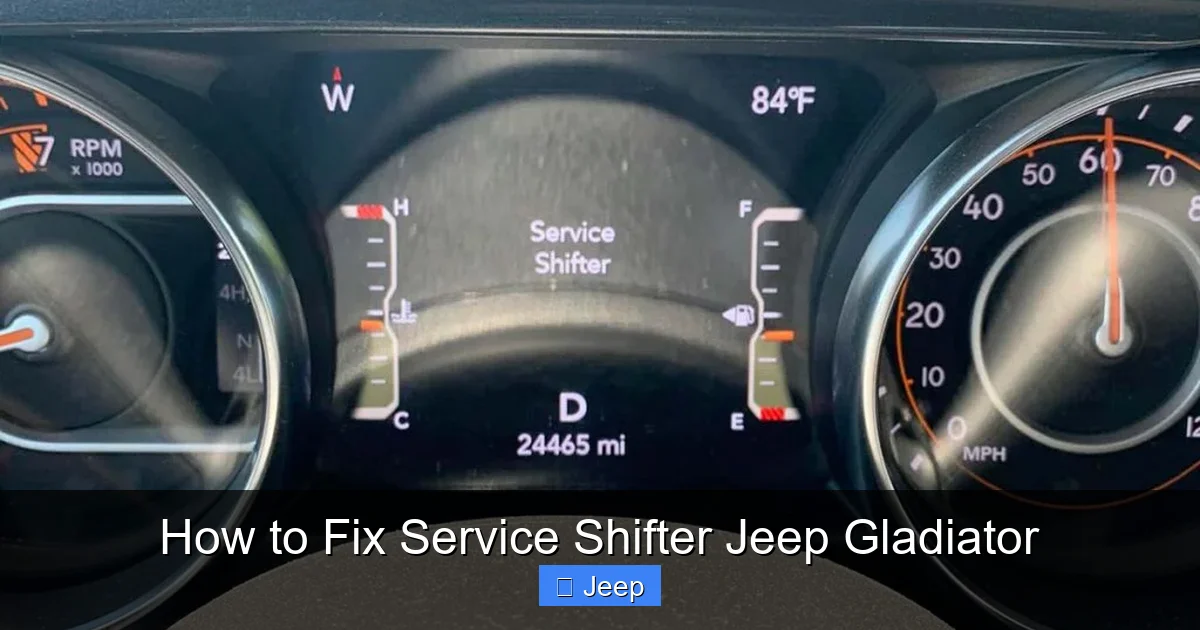
Fixing a Service Shifter Jeep Gladiator is easier than you think. Follow this guide to diagnose, repair, and prevent shifter issues, keeping your Jeep running smoothly on and off the road.
Key Takeaways
- Identify symptoms early: A stuck or erratic shifter often signals a sensor, cable, or fluid issue.
- Check transmission fluid first: Low or dirty fluid is the most common cause of shifter problems.
- Inspect the shift cable and linkage: Wear, corrosion, or misalignment can prevent proper gear engagement.
- Reset transmission adaptive settings: Sometimes the computer needs a fresh calibration after a repair.
- Use the right tools: A basic socket set, fluid dipstick, and scan tool make DIY fixes reliable.
- Follow safety steps: Park on level ground, engage the parking brake, and let the engine cool before working.
- Regular maintenance prevents future service shifter failures: Change fluid and inspect cables every 12‑15k miles.
Key Takeaways
- Understanding How To Fix Service Shifter Jeep Gladiator: Provides essential knowledge
📑 Table of Contents
Introduction
If you’ve ever felt your Jeep Gladiator’s shifter jump, stick, or refuse to move, you’re not alone. The service shifter message can be frustrating, especially when you’re ready to hit the trail or commute to work. The good news is that most shifter issues are fixable without a trip to the dealer.
In this guide we’ll walk you through the common reasons the shifter misbehaves, show you how to diagnose the problem, and give you clear, step‑by‑step instructions to get your Jeep shifting smoothly again. Grab a rag, a socket set, and let’s get started.
Understanding the Service Shifter Issue
What does “service shifter” actually mean?
The “service shifter” message appears on the instrument cluster when the vehicle’s computer detects a fault in the transmission shifting system. It can show up as a warning light, a stuck gear indicator, or an inability to change gears. In the Gladiator, this often points to a problem with the shift cable, sensor, or internal transmission components.
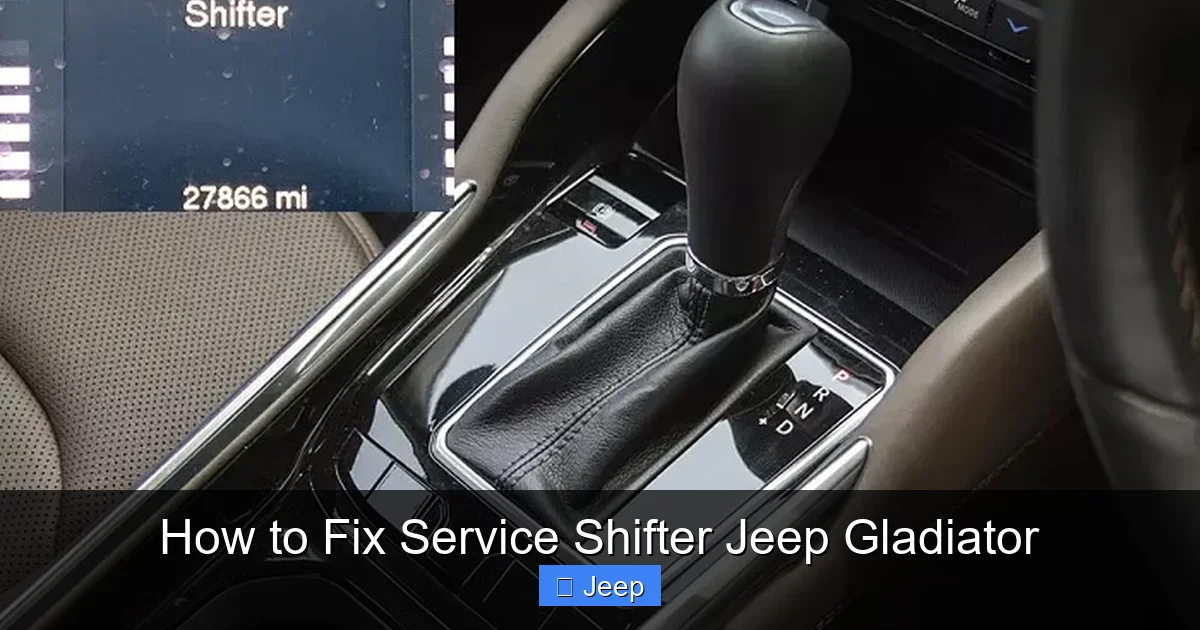
Visual guide about How to Fix Service Shifter Jeep Gladiator
Image source: cararac.com
When does it usually happen?
You’ll most likely see the message after a cold start, during hard acceleration, or when the vehicle has been sitting for a while. It can also appear after a recent transmission service or if the transmission fluid is low.
Common Causes of Service Shifter Problems
Low or contaminated transmission fluid
Transmission fluid lubricates the internal gears and helps the shift actuator move freely. If the fluid level is low or the fluid is dirty, the shifter can become sluggish or lock up.
Worn or damaged shift cable
The shift cable connects the shifter lever to the transmission. Over time, the cable can stretch, fray, or corrode, preventing the lever from fully engaging gears.
Faulty shift position sensor
The sensor tells the computer which gear you’ve selected. If it fails, the system may think the shifter is in the wrong position and trigger the service message.
Electrical or computer glitches
Sometimes a simple reset of the transmission control module clears the error. Corroded connectors or a weak battery can also cause intermittent shifter faults.
After‑market modifications
Installing paddle shifters or other performance parts can interfere with the factory shifter system if not properly integrated. If you’ve recently added such accessories, double‑check their wiring.
Step‑by‑Step Diagnosis
Gather the right tools
You’ll need a socket set, a fluid dipstick, a flashlight, and optionally a scan tool that can read transmission codes. Having a clean rag and a container for fluid drainage is also helpful.
Check the transmission fluid level
Park the Gladiator on level ground, start the engine, and let it idle for a minute. Pull the dipstick, wipe it clean, re‑insert, then pull it out again to read the level. The fluid should be within the “full” marks and have a reddish‑pink color. If it’s low, top it off with the manufacturer‑specified fluid. If it looks dark or gritty, consider a fluid change.
Inspect the shift cable and linkage
Open the center console or remove the trim around the shifter to expose the cable. Look for signs of wear, rust, or loose connections. Gently move the shifter through all gears and watch the cable’s movement. Any binding or excessive play indicates a cable issue that may need adjustment or replacement.
Scan for error codes
Connect a scan tool to the OBD‑II port and read any transmission‑related codes. Codes like P0700 (Transmission Control System) or specific sensor faults can point you toward the root cause. Write down the codes before clearing them.
Test the shift position sensor
Using a multimeter, check the resistance of the sensor while moving the shifter. Compare the readings to the service manual specifications. Out‑of‑range values suggest a faulty sensor that needs replacement.
Fixing the Service Shifter
Refill or change the transmission fluid
If the fluid is low or dirty, drain the old fluid, replace the filter if your model has one, and refill with the correct type of fluid. This simple step resolves many shifter complaints.
Repair or replace the shift cable
If the cable is stretched or damaged, replace it with a new OEM part. Adjust the cable tension according to the manufacturer’s instructions, then test the shifter through all gears to ensure smooth movement.
Replace a faulty shift position sensor
Remove the sensor connector, disconnect the old sensor, and install a new one. Re‑connect the wiring harness and clear any stored codes with your scan tool.
Reset transmission adaptive pressure
After any major repair, the transmission’s adaptive learning may need a reset. Use a scan tool to select “Reset Transmission Adaptive Pressure.” This forces the computer to relearn shift points and can eliminate lingering error messages. For more detailed instructions, see our guide on How To Reset Transmission Adaptive Pressure.
Turn off paddle shifters if they’re causing interference
If you’ve installed aftermarket paddle shifters, they might be sending conflicting signals. Learn how to disable them in our article How To Turn Off Paddle Shifters Jeep Grand Cherokee. This step can restore proper shifter communication.
Prevention and Maintenance Tips
Regular fluid changes
Change the transmission fluid every 12,000 to 15,000 miles, or sooner if you tow heavy loads or drive in severe conditions. Fresh fluid keeps the shifter mechanism lubricated and reduces wear.
Inspect cables and connectors
During each fluid change, take a few minutes to visually inspect the shift cable, its housing, and all electrical connectors for corrosion or damage. Early detection prevents bigger problems.
Keep the battery healthy
A weak battery can cause intermittent electrical faults that affect the shifter. Test the battery voltage regularly and replace it if it drops below 12.4 volts.
Use OEM parts for modifications
If you want to add paddle shifters or other performance upgrades, choose parts that are designed for the Gladiator’s transmission. Improper installations can lead to service shifter alerts.
Drive smoothly
Aggressive shifting puts extra stress on the cable and sensor. Encourage gentle acceleration and deceleration to prolong shifter life.
Conclusion
Fixing a Service Shifter Jeep Gladiator doesn’t have to be a nightmare. By checking the transmission fluid, inspecting the shift cable, testing the sensor, and resetting the transmission adaptive pressure, you can often resolve the issue yourself. Remember to perform regular maintenance, use quality parts, and stay safe while working under the hood. With these steps, your Gladiator will shift smoothly again, letting you enjoy every adventure without interruption.
FAQs
What does the “service shifter” message indicate?
The message means the vehicle’s computer has detected a fault in the transmission shifting system, often related to fluid level, the shift cable, or a sensor.
Can I drive my Jeep Gladiator with the service shifter warning on?
It’s best to avoid driving long distances until the issue is resolved, as continued operation could cause further transmission damage.
How often should I change the transmission fluid?
Follow the manufacturer’s recommendation, typically every 12,000 to 15,000 miles, or sooner if you tow or drive in harsh conditions.
Do I need a scan tool to fix the service shifter?
A scan tool is helpful for reading error codes and resetting adaptive pressure, but basic fixes like fluid changes and cable adjustments can be done without one.
Is it possible that aftermarket paddle shifters are causing the problem?
Yes, if the paddle shifters are not correctly wired or integrated, they can send conflicting signals and trigger the service shifter message.
What should I do if the shifter still won’t move after these steps?
If the shifter remains stuck, the issue may be internal to the transmission. At that point, it’s advisable to consult a professional technician for a deeper diagnosis.
Frequently Asked Questions
What is How To Fix Service Shifter Jeep Gladiator?
How To Fix Service Shifter Jeep Gladiator is an important topic with many practical applications.