How to Wash a Jeep Body Without Water Spots
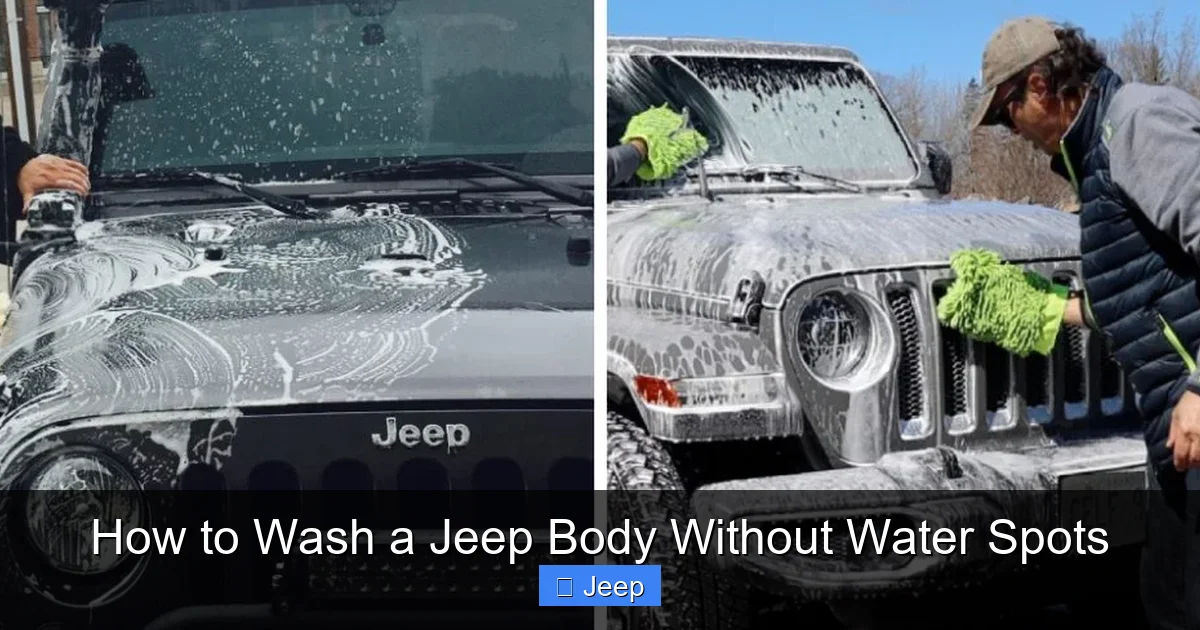
Washing your Jeep should leave it looking amazing, not covered in annoying water spots. Our guide teaches you how to wash a Jeep body without water spots using simple tools and proven techniques that anyone can follow at home.
Key Takeaways
- Use the two-bucket method: This simple approach prevents dirt from scratching your paint and reduces the chance of water spots forming during the wash process.
- Choose the right soap: Always use a pH-neutral car wash soap designed for automotive paint to protect your Jeep’s finish from damage and spotting.
- Dry your Jeep immediately: Water spots form when minerals in water evaporate on the surface, so quick and thorough drying is essential.
- Invest in a quality drying towel: Microfiber towels or a leaf blower can help you achieve a streak-free finish without introducing new marks.
- Consider a water deionizer: A deionized water rinse removes minerals before they can leave spots, giving you a professional-level result at home.
- Apply a protective coating: Wax, ceramic coating, or paint sealant creates a barrier that makes future washing easier and spotting less likely.
📑 Table of Contents
- Why Water Spots Ruin Your Jeep’s Finish
- Gathering the Right Supplies Before You Start
- The Two-Bucket Method: Your Best Friend
- Step-by-Step Guide to Washing Your Jeep Body
- Drying Techniques That Prevent Water Spots
- Protecting Your Jeep After Washing
- Common Mistakes That Cause Water Spots
- Conclusion: Keep Your Jeep Spot-Free
Why Water Spots Ruin Your Jeep’s Finish
There is nothing worse than washing your Jeep carefully, only to step back and see a trail of ugly water spots covering the body. You did all that work, and now your Jeep looks worse than before. Water spots are more than just a cosmetic annoyance. They can actually damage your paint over time if you ignore them.
Water spots form when minerals like calcium and magnesium are left behind after water evaporates. These minerals create hard, cloudy marks that bond to your Jeep’s paint. If you let them sit too long, they can etch into the clear coat and cause permanent damage. The good news is that you can prevent this from happening with the right approach.
Learning how to wash a Jeep body without water spots is not as hard as you might think. It just takes a little knowledge, the right supplies, and a bit of patience. Let us walk you through the entire process step by step so you can keep your Jeep looking its best every single time.
Gathering the Right Supplies Before You Start
Preparation makes all the difference when it comes to achieving a spot-free wash. Having the correct tools and products on hand saves you time and prevents frustrating mistakes. Before you even start, make sure you have everything ready to go.
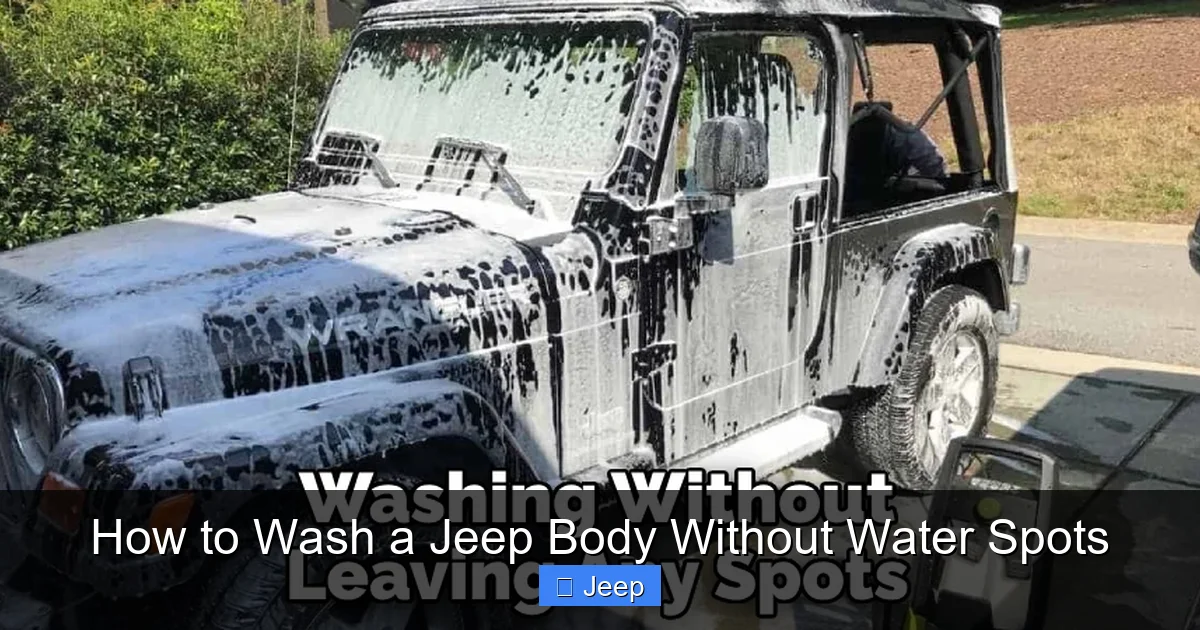
Visual guide about How to Wash a Jeep Body Without Water Spots
Image source: jeepfixes.com
Essential Washing Supplies
You will need two buckets, a high-quality car wash soap that is pH-neutral, a grit guard for each bucket, multiple microfiber wash mitts, and several large microfiber drying towels. Do not use dish soap or household cleaners. These products strip away wax and can damage your Jeep’s paint finish over time.
You should also grab a soft detailing brush for crevices and emblems. Make sure your drying towels are clean and free of debris. Even a small piece of dirt trapped in a towel can scratch your paint as you dry the vehicle.
Optional but Helpful Tools
For the best results, consider adding a water deionizer or filter to your hose. These tools remove minerals from your water supply before it touches your Jeep, which dramatically reduces spotting. A leaf blower or compressed air can also help blow water out of seams, mirrors, and tight spaces where towels cannot reach.
The Two-Bucket Method: Your Best Friend
The two-bucket method is the gold standard for hand washing any vehicle, and your Jeep is no exception. This technique keeps dirty water away from your paint and greatly reduces the risk of swirl marks and scratches that can trap water spots later on.
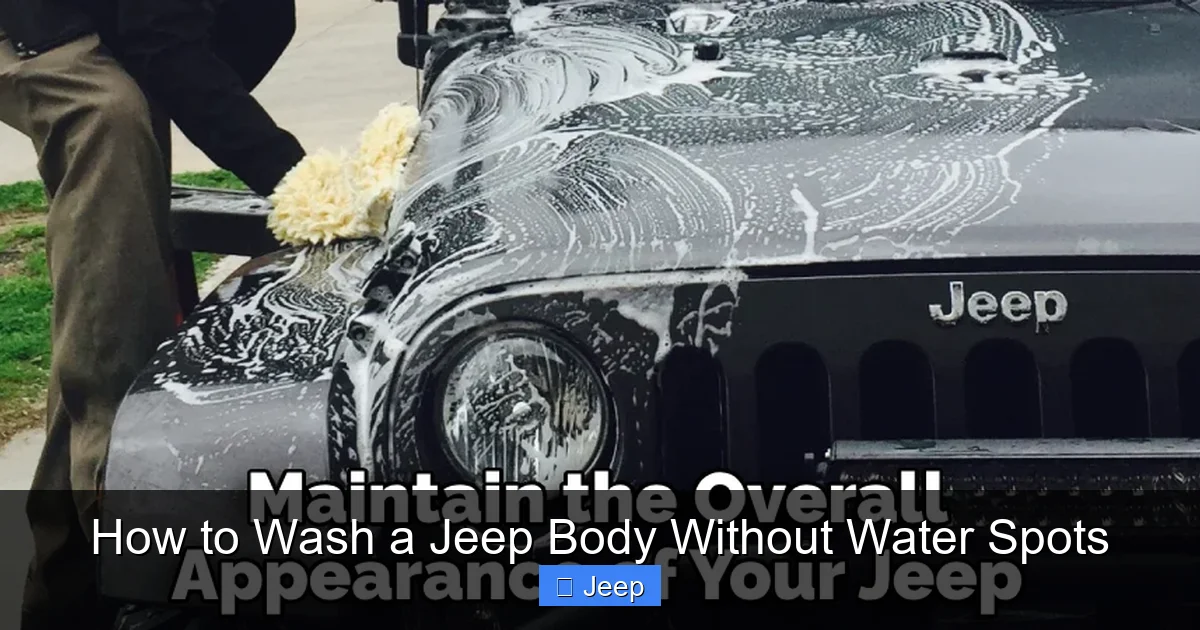
Visual guide about How to Wash a Jeep Body Without Water Spots
Image source: jeepfixes.com
How It Works
Fill one bucket with clean soapy water and the second bucket with plain rinse water. Place a grit guard at the bottom of each bucket. The grit guard catches dirt and debris that falls off your wash mitt so it does not get swirled back into the water. After each section of the Jeep is washed, rinse the mitt in the clean water bucket and then dip it back into the soap bucket for fresh suds.
This simple swap keeps your wash solution clean and your mitt free of contaminants. It takes only a few extra seconds but makes a huge difference in the final result. If you want to learn more about proper vehicle maintenance techniques, you can check out this guide on how to get water stains out of headliner to understand how water damage can affect your Jeep’s interior.
Why This Prevents Water Spots
When you wash with a dirty mitt or contaminated water, you leave tiny scratches on the paint surface. These scratches trap moisture and minerals, creating the perfect environment for water spots to form. The two-bucket method keeps the wash process clean from start to finish, giving you a smoother surface that is easier to dry and less prone to spotting.
Step-by-Step Guide to Washing Your Jeep Body
Now that you have your supplies ready, it is time to actually wash your Jeep. Follow these steps carefully for the best possible outcome.
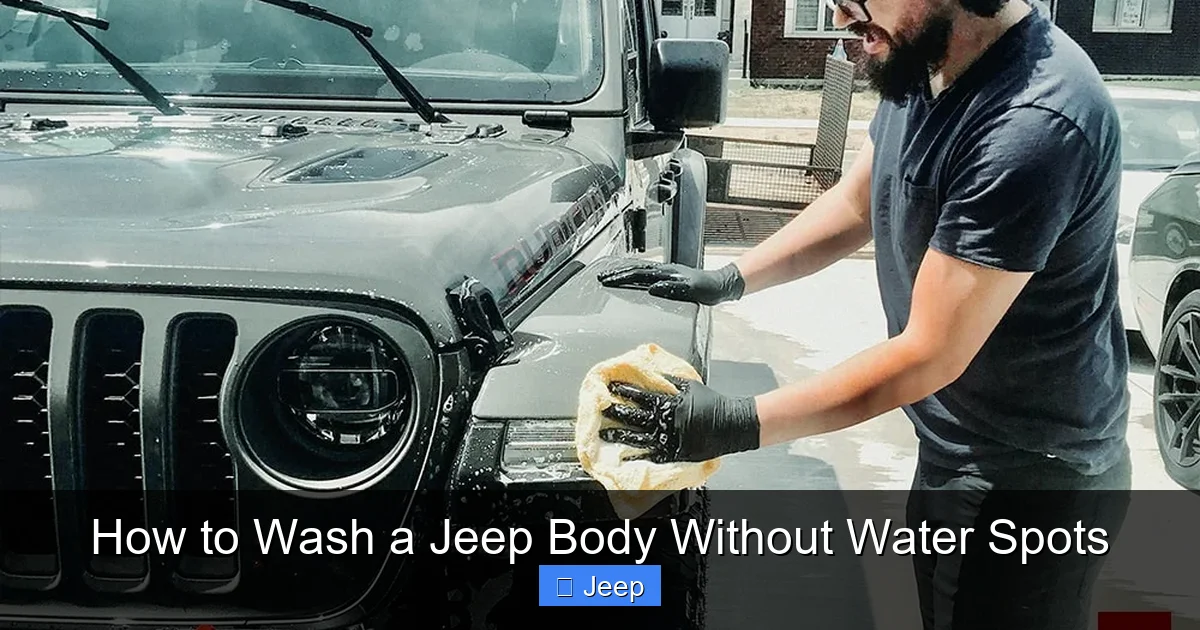
Visual guide about How to Wash a Jeep Body Without Water Spots
Image source: canadiangearhead.com
Step One: Rinse Thoroughly
Start by rinsing your entire Jeep with water to remove loose dirt, mud, and debris. Use a gentle stream from your hose rather than a high-pressure blast. High pressure can push water under seals and into places where it is hard to dry. If you have a deionized water filter attached to your hose, use it for this initial rinse. This pre-rinse does most of the heavy lifting when it comes to preventing water spots.
Pay special attention to the lower body panels, wheel wells, and rocker panels. These areas collect the most mud and grime. Let the water sit for a minute or two on heavy buildup to soften it before you start scrubbing.
Step Two: Wash From Top to Bottom
Always start washing at the roof and work your way down. The top of the Jeep is usually the cleanest section, and washing downward prevents dirty water from flowing onto sections you have already cleaned. Use your soapy wash mitt in straight, overlapping lines rather than circular motions. Circular scrubbing can create swirl marks that are hard to remove.
Rinse the mitt frequently using the two-bucket method described above. Work in manageable sections, about three to four panels at a time, to keep soap from drying on the surface before you can rinse it off.
Step Three: Clean the Wheels and Trim
Use a separate brush for your wheels since they carry the most brake dust and road grime. A dedicated wheel cleaner safe for your Jeep’s finish helps break down this tough buildup. Rinse the wheels thoroughly before moving on to the body to avoid getting wheel debris on your freshly washed panels.
For plastic trim and moldings, use a soft brush with a mild cleaning solution. This keeps the trim looking faded and protects it from UV damage over time. If you are interested in improving your Jeep’s overall appearance, you might also explore topics like how to attach a spoiler without drilling to add style without damaging the body.
Drying Techniques That Prevent Water Spots
Drying is the most critical step in the entire process. This is where most water spots actually form. If you skip this step or do it poorly, all your hard work washing can be for nothing.
The Microfiber Towel Method
Use large, plush microfiber towels that are completely clean and dry. Gently pat the surface of the Jeep to absorb water rather than dragging or wiping. Dragging can pick up small particles that were missed during the wash and drag them across the paint. Work in sections and use a fresh, dry section of the towel frequently. Flip or fold the towel often so you are always using a dry surface.
Do not forget to dry around mirrors, door handles, antennas, and emblems. These small areas collect water and are often overlooked. A detailing brush wrapped in a microfiber towel can help you reach tight spots safely.
Using a Leaf Blower or Compressed Air
For a truly spot-free finish, use a leaf blower on its lowest setting to blow water out of seams, hood vents, mirror joints, and window channels. This technique reaches places towels simply cannot. Hold the nozzle a few inches from the surface to avoid blowing dust back onto the paint. Work systematically around the entire Jeep to make sure every hidden pocket of water is removed.
If you have access to compressed air, it works even better for tight spaces. Just be careful not to use too much pressure close to the paint surface.
What About Leaving It to Air Dry
Air drying is the worst option if you want to avoid water spots. As the water evaporates naturally, minerals are left behind on the surface. Even with filtered water, some minerals can remain and create spots. Always dry your Jeep completely by hand or with forced air. Never let your Jeep sit and air dry after a wash if you care about its appearance.
Protecting Your Jeep After Washing
Once your Jeep is clean, dry, and looking fantastic, the next step is protection. A good protective layer shields the paint from future water spots, UV rays, bird droppings, and environmental contaminants. There are several options to choose from depending on your budget and how much effort you want to put in.
Wax: The Classic Choice
Carnauba wax has been the go-to protectant for decades. It gives a deep, warm glow to the paint and provides solid protection for about one to three months. Apply it to a clean, dry surface using a foam applicator pad. Let it haze and then buff it off with a clean microfiber towel. Wax is affordable and easy to apply, making it a great choice for most Jeep owners.
Ceramic Coating: Long-Lasting Protection
If you want protection that lasts much longer, consider a ceramic coating. These liquid polymer coatings bond directly to the paint and create a hard, hydrophobic surface. Water beads up and rolls right off, which means fewer spots and less frequent washing. Ceramic coatings can last from six months to several years depending on the product quality and application. They do cost more upfront, but the long-term results are worth it.
You might also want to explore other Jeep maintenance topics, such as how to use drop down tailgate table on Jeep Wrangler to keep your Jeep functional and well-maintained inside and out.
Paint Sealant: The Middle Ground
Paint sealant offers protection that falls between wax and ceramic coating. It typically lasts three to six months and provides strong resistance to water spots and environmental damage. Many sealants are easy to apply and deliver a high-gloss finish that looks great. This is a solid choice if you want something more durable than wax but less involved than ceramic coating.
Common Mistakes That Cause Water Spots
Even with the best intentions, certain habits can lead to water spots forming on your freshly washed Jeep. Avoiding these common mistakes will save you time and keep your paint looking pristine.
First, never use a garden hose with hard water directly on your Jeep without a filter. Tap water in many areas contains high levels of minerals that will spot immediately. Second, do not let soap sit on the surface for too long before rinsing. Soap that dries on the paint leaves a film that is difficult to remove and can trap minerals underneath.
Third, avoid washing your Jeep in direct sunlight. The heat causes water and soap to dry too quickly, leaving spots and streaks behind. Early morning or overcast days are ideal for washing. Finally, do not reuse towels that have already been used without washing them. Dirty towels carry contaminants that can scratch the paint and introduce new spots.
Conclusion: Keep Your Jeep Spot-Free
Washing your Jeep body without water spots is entirely achievable when you follow the right methods and use the correct supplies. From the two-bucket wash technique to thorough drying and protective coatings, every step plays a vital role in keeping your Jeep looking showroom fresh. Take your time, work in sections, and never rush the drying process.
Regular maintenance is the key to preventing buildup that makes spotting worse. Wash your Jeep every two to four weeks depending on how often you drive it and what conditions you face. Add a protective layer of wax or ceramic coating every few months, and always use filtered or deionized water when possible.
Your Jeep deserves the best care you can give it. With the tips in this guide, you now have everything you need to wash your Jeep body without water spots and keep it looking incredible for years to come.
Frequently Asked Questions
What kind of water should I use to wash my Jeep without water spots?
The best option is deionized or filtered water, which removes minerals that cause spotting. If you do not have a water filter, you can still achieve great results by drying your Jeep immediately after rinsing and using a quality car wash soap.
How often should I wash my Jeep to prevent water spots?
Washing every two to four weeks is ideal for most Jeep owners. If you drive in dusty or rainy conditions, you may need to wash more frequently to prevent buildup that leads to stubborn spots.
Can I use a pressure washer to wash my Jeep?
Yes, but use it carefully. Keep the pressure moderate and hold the nozzle at least twelve inches from the paint. High-pressure water can push contaminants into the paint and force water under seals where drying is difficult.
Is it okay to wash my Jeep in direct sunlight?
It is best to avoid washing in direct sunlight. The heat causes water and soap to dry too quickly on the surface, leaving behind water spots and soap streaks. Choose a shady spot or wash during cooler parts of the day.
What is the fastest way to dry a Jeep after washing?
A combination of microfiber towels and a leaf blower on a low setting is the fastest and most effective method. Pat the surface with towels to absorb bulk water, then use the leaf blower to remove remaining water from seams and tight spaces.
Does ceramic coating really prevent water spots?
Yes, ceramic coatings create a hydrophobic surface that causes water to bead and roll off quickly. This greatly reduces the chance of minerals being left behind on the paint, making water spots much less likely to form.