How to Stay Warm Sleeping in a Jeep in Winter
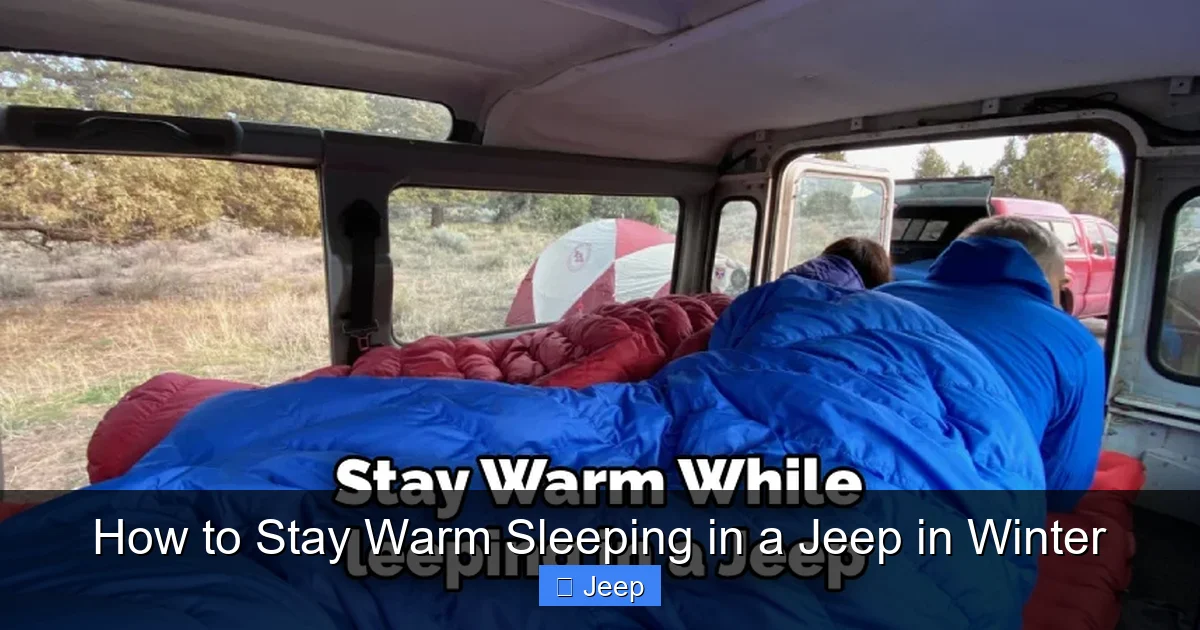
Sleeping in your Jeep during winter can be an incredible adventure as long as you prepare properly for the freezing temperatures. With the right insulation, bedding, heating strategy, and safety precautions, you can stay warm and comfortable through the coldest nights. This guide covers everything you need to know about staying warm sleeping in a Jeep in winter so you can enjoy the outdoors with confidence.
Key Takeaways
- Insulate your Jeep properly: Adding foam boards, thermal blankets, and window covers can dramatically improve warmth retention inside your vehicle.
- Choose the right sleeping setup: A quality mattress, sleeping bag rated for sub-zero temps, and proper layering make all the difference.
- Use heating wisely: Your Jeep’s heater, portable heaters, or an idling engine can provide heat, but always prioritize safety and ventilation.
- Dress in layers: Wearing thermal clothing, wool socks, and a warm hat while sleeping helps regulate body temperature effectively.
- Never ignore safety risks: Carbon monoxide exposure and hypothermia are real dangers when sleeping in a vehicle in winter.
- Plan for emergencies: Keep extra blankets, food, water, and a phone charger accessible at all times.
- Practice before your trip: Test your setup in milder conditions first to identify and fix any problems before winter hits.
📑 Table of Contents
- Why Sleeping in a Jeep in Winter Is Both Fun and Challenging
- How to Insulate Your Jeep for Winter Sleeping
- The Best Sleeping Setup for Your Jeep in Winter
- Heating Options for Staying Warm in a Jeep
- Clothing and Gear Essentials for Winter Jeep Sleepers
- Safety Tips for Sleeping in a Jeep During Winter
- Conclusion
Why Sleeping in a Jeep in Winter Is Both Fun and Challenging
There is something truly magical about parking your Jeep in a snowy clearing, cranking up the warmth, and drifting off to sleep under a sky full of stars. Winter Jeep camping pulls you closer to nature than almost any other experience. But let us be honest. Cold nights can be brutal if you are not prepared.
Temperatures can drop well below freezing, especially at higher elevations or in northern states. Without proper preparation, a night in your Jeep can turn from a dream experience into a miserable, shivering disaster. The good news is that thousands of people do this successfully every single winter. With the right knowledge, you absolutely can too.
In this guide, we will walk you through every detail you need to know about how to stay warm sleeping in a Jeep in winter. From insulation tricks to heating options and safety must-dos, we have you covered.
How to Insulate Your Jeep for Winter Sleeping
Insulation is the foundation of staying warm. No amount of heating can make up for a Jeep that loses heat faster than you can produce it. Your Jeep is not built like a house. It has thin metal walls, large windows, and plenty of gaps where cold air sneaks in. Understanding this is the first step toward solving the problem.
Visual guide about How to Stay Warm Sleeping in a Jeep in Winter
Image source: jeepfixes.com
Understanding Your Jeep’s Insulation Gaps
Jeeps are designed for open-air driving, not for holding in heat. The doors, roof, and floor all conduct cold quickly. Windows are the biggest culprits because glass transfers heat away from your body rapidly. Even with the windows rolled up, cold air settles around the glass and radiates inward throughout the night.
Adding Insulation Materials
One of the most effective things you can do is add insulation panels to the walls and ceiling of your Jeep. Rigid foam boards cut to fit behind the seat backs and along the interior panels work wonderfully. You can also use reflective thermal blankets, similar to emergency mylar blankets, stapled along the ceiling and door panels. These reflect your body heat back toward you instead of letting it escape through the metal.
For the floor, a thick layer of closed-cell foam padding does wonders. It prevents the cold ground from sucking heat out of you while you sleep. Many Jeep owners also lay down a heavy rubber mat underneath the foam for an extra barrier against the cold.
Window Covers and Sealing
Windows are the weakest point in your Jeep’s ability to hold heat. You should invest in insulated window covers that attach with Velcro or suction cups. Thermal curtains made of heavy fabric or multi-layered reflective material block cold air and reduce heat loss dramatically. For a budget option, a thick sleeping bag cut to size and taped over the inside of the windows works surprisingly well.
You can also use weather stripping tape around the window frames to seal any gaps where drafts enter. This small step can noticeably improve the temperature inside your Jeep on a cold night.
The Best Sleeping Setup for Your Jeep in Winter
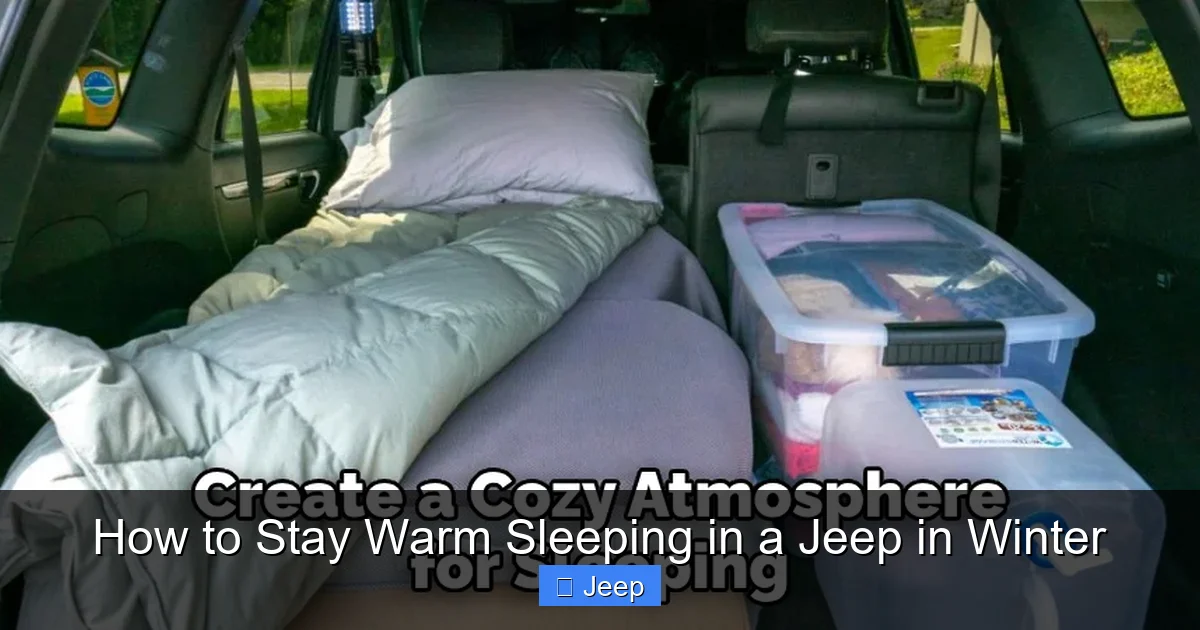
Once your Jeep is insulated, the next priority is creating a comfortable sleeping area that traps warmth effectively. How you set up your bed inside the Jeep matters more than most people realize.
Visual guide about How to Stay Warm Sleeping in a Jeep in Winter
Image source: jeepfixes.com
Choosing the Right Mattress and Bedding
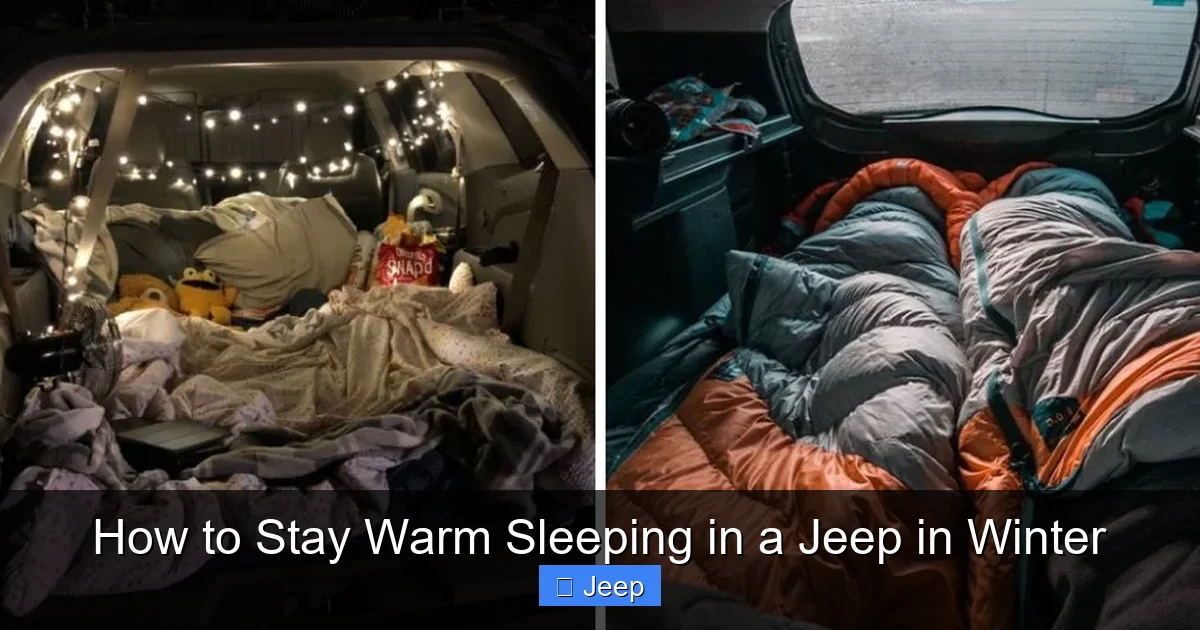
Do not underestimate the importance of a good mattress. A standard foam mattress or an air mattress designed for camping provides a thick barrier between you and the cold floor. Self-inflating pads are another excellent choice because they offer both cushioning and insulation.
For bedding, invest in a sleeping bag rated for temperatures well below what you expect to encounter. If you plan to sleep in a Jeep in January, choose a bag rated for zero degrees or lower. Pair it with a fleece liner for extra warmth. A heavy wool blanket on top of the sleeping bag adds another reliable layer of insulation.
Sleeping Position and Space Optimization
Folding down the rear seats and lying diagonally across the cargo area is the most popular setup for Jeep owners. This gives you enough length to sleep comfortably in most models. If you have a Jeep Wrangler, you may need to fold the rear seats partially and use a shorter sleeping arrangement or add an extension.
Many Jeep Wrangler owners also take advantage of the drop-down tailgate table on a Jeep Wrangler as part of their sleeping layout. By lowering the tailgate and placing a mattress or foam pad across the opening, you gain several extra inches of sleeping space. This simple trick makes a real difference on cold nights when staying compact and retaining body heat is essential.
Using a Sleeping Pad for Extra Warmth
A high R-value sleeping pad is critical. The R-value measures how well a pad resists heat loss from your body to the ground. For winter conditions, aim for an R-value of at least 4 or 5. Combining an insulated pad with your mattress creates a double-layer system that keeps you much warmer throughout the night.
Heating Options for Staying Warm in a Jeep
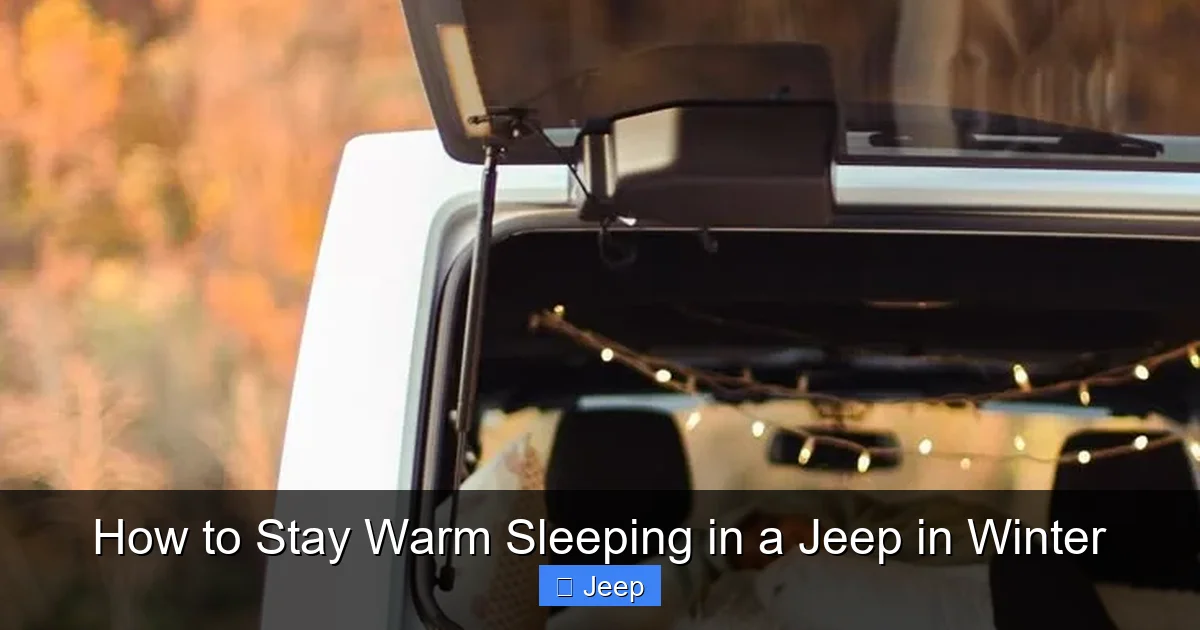
Insulation and bedding will get you most of the way, but adding a reliable heat source makes a huge difference, especially on the coldest nights. You have several options, each with its own benefits and risks.
Visual guide about How to Stay Warm Sleeping in a Jeep in Winter
Image source: i.pinimg.com
Using Your Vehicle’s Heater Safely
Your Jeep’s heater is one of the easiest heat sources. Start the engine, let it warm up, and turn the heater on high. Once the cabin reaches a comfortable temperature, you can turn the heater off and let the insulation hold the heat in for a while. However, you will need to periodically run the engine to maintain warmth.
Important safety note: never run your engine for extended periods in an enclosed space without proper ventilation. Make sure at least one window is cracked open slightly to allow fresh air circulation. This prevents carbon monoxide from building up inside the vehicle.
Portable Heating Alternatives
If you prefer not to idle your engine all night, portable heaters designed for vehicles are a great alternative. Catalytic heaters, such as the popular Mr. Heater Buddy, run on propane and produce heat without needing electricity. They are compact, efficient, and widely used by winter campers.
Another option is a diesel heater, which some Jeep owners install permanently. These heaters burn diesel fuel and pump warm air into the cabin without needing to run the engine. They are highly efficient and very popular among full-time Jeep campers. Installation is straightforward, and many kits come with simple instructions.
Keeping Your Engine Running for Heat
Some Jeep owners rely on idling their engine throughout the night for consistent heat. If you choose this route, be aware that your Jeep’s auto start stop feature on a Jeep Cherokee can be problematic. This system automatically shuts off the engine when the vehicle is stationary and restarts it when you press the gas. While this saves fuel during normal driving, it can cut off your heat unexpectedly while you are sleeping. Disabling this feature ensures your engine keeps running smoothly and consistently while you stay warm inside.
Always remember to park in a well-ventilated area and never block your exhaust pipe when idling. Snow buildup around the exhaust can redirect deadly fumes back into your vehicle.
Clothing and Gear Essentials for Winter Jeep Sleepers
What you wear to bed matters just as much as what you sleep on. Dressing properly for the conditions helps your body retain heat and prevents discomfort during the night.
Layering Up Properly
Wear a base layer of moisture-wicking thermal underwear to keep sweat away from your skin. Add a mid-layer of fleece or wool for insulation. Finish with an outer layer of a heavy jacket or fleece pants. Avoid cotton at all costs because it absorbs moisture and loses its insulating ability when wet.
Wool socks are a must. Your feet get cold fast in a vehicle, and a good pair of thick wool socks can make a noticeable difference. A warm hat that covers your ears is also essential because a significant amount of body heat escapes through your head.
Additional Gear That Helps
Consider bringing a neck pillow or a buff that you can pull up over your face for extra warmth. Hand warmers and toe warmers are small, inexpensive, and incredibly effective during the coldest nights. A hot water bottle filled before bed and placed at the foot of your sleeping bag radiates gentle heat for hours.
Gloves that are thin enough to move your fingers but thick enough to retain warmth are useful for adjusting your sleeping bag or handling gear during the night without exposing your skin to cold air.
Safety Tips for Sleeping in a Jeep During Winter
Staying warm is important, but staying safe is always the top priority. Winter Jeep camping comes with risks that you must address before you settle in for the night.
Carbon Monoxide Awareness
Carbon monoxide is the single biggest danger when sleeping in a vehicle with a running engine. It is invisible, odorless, and can be deadly in minutes. Always keep a window slightly cracked for ventilation. Install a carbon monoxide detector inside your Jeep. These small devices are inexpensive and can save your life.
Never run a portable heater without ensuring adequate airflow. Read all manufacturer instructions before using any heating device inside an enclosed space. If you feel dizzy, nauseous, or have a headache while sleeping in your Jeep, get outside immediately and seek fresh air.
Preparing for Emergencies
Bring extra supplies every time you sleep in your Jeep during winter. A fully charged phone, a portable battery bank, additional blankets, non-perishable food, and drinking water should all be within arm’s reach. If your Jeep breaks down or you get stuck in snow, these supplies can keep you safe until help arrives.
Let someone know your location before you go offline. Share your GPS coordinates and expected return date with a trusted friend or family member.
Leveling Your Jeep for Comfort and Safety
Sleeping on a slope inside your Jeep can cause you to slide around during the night, which disrupts sleep and can be uncomfortable. If your Jeep has a disable air suspension on a Jeep Grand Cherokee, you can lower the vehicle to level it out on flat ground before setting up your bed. A properly leveled Jeep also ensures that any liquids, such as coolant or fuel, distribute evenly and function correctly in freezing temperatures. Taking a few minutes to adjust your suspension can improve both your comfort and your vehicle’s winter performance.
Conclusion
Staying warm while sleeping in a Jeep during winter is absolutely achievable with the right preparation. Start by insulating your vehicle properly with foam boards, thermal blankets, and window covers. Set up a comfortable sleeping area with a quality mattress, high R-value pad, and a cold-weather sleeping bag. Choose a safe and effective heating method, whether that is your vehicle’s heater, a portable catalytic heater, or a diesel heater. Dress in warm layers and bring the right accessories to keep your body comfortable all night long.
Most importantly, never compromise on safety. Ventilation, carbon monoxide detection, emergency supplies, and communication with others are non-negotiable. Practice your setup in cooler weather before the deep cold arrives, so you can identify any weaknesses and fix them ahead of time.
With these tips in your toolkit, you are ready to embrace the beauty of winter and enjoy peaceful, warm nights sleeping in your Jeep. The wilderness in winter is breathtaking, and now you have everything you need to experience it comfortably and safely.
Frequently Asked Questions
Can I sleep in my Jeep with the windows closed in winter?
You can sleep with the windows closed for short periods, but you should always crack at least one window slightly for ventilation. This prevents carbon monoxide buildup if your engine or a heater is running. A cracked window also helps reduce condensation buildup inside the vehicle.
What temperature is too cold to sleep in a Jeep?
Most people find that temperatures below 15 degrees Fahrenheit make sleeping in a Jeep extremely difficult without serious preparation. At these temperatures, even with good insulation and a quality sleeping bag, you may struggle to stay warm. Proper layering, multiple heat sources, and emergency supplies become essential below this threshold.
How do I prevent condensation inside my Jeep while sleeping in winter?
Condensation forms when warm moisture from your breath hits cold surfaces like windows and metal walls. Crack a window slightly to allow moisture to escape. Using a dehumidifier or moisture absorbers inside the Jeep also helps. Avoid breathing directly into your sleeping bag and keep wet clothing stored away from your bedding.
Is it safe to run a portable heater in a Jeep overnight?
It can be safe if you take proper precautions. Always ensure adequate ventilation by keeping a window partially open. Use a heater designed for indoor or vehicle use, and never leave it unattended. Install a carbon monoxide detector inside your Jeep as an added safety measure before sleeping with any heater running.
What type of sleeping bag is best for sleeping in a Jeep in winter?
Choose a mummy-style sleeping bag rated for temperatures well below what you expect to face. A bag rated for zero degrees Fahrenheit or lower is ideal for most winter conditions. Down-filled bags offer excellent warmth-to-weight ratios, but synthetic bags perform better if they get wet. Adding a fleece liner boosts warmth significantly.
How can I keep my phone charged while sleeping in my Jeep in winter?
Bring a portable battery bank and keep it inside your Jeep near your sleeping area so it stays warm and functional. Cold temperatures drain batteries quickly, so storing it under your blanket or inside a jacket pocket helps maintain its charge. A small inverter that plugs into your Jeep’s cigarette lighter is another option if your engine is running.