How to Check Transmission Fluid in Jeep Cherokee
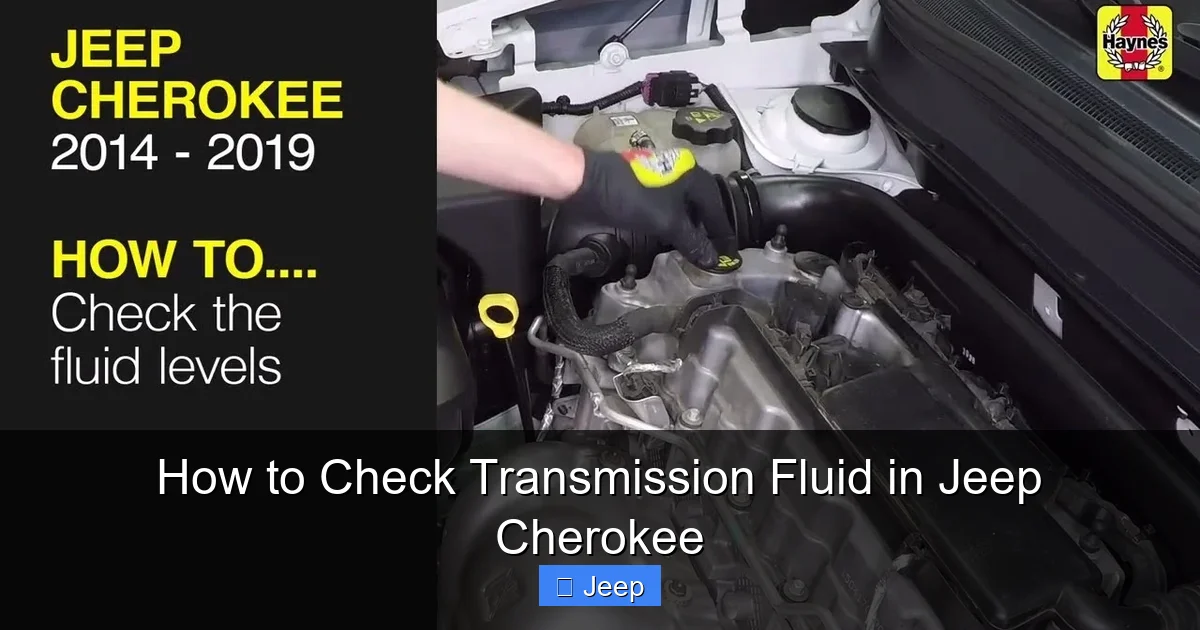
Checking the transmission fluid in your Jeep Cherokee is essential for keeping your vehicle running smoothly. You just need the right tools and a little time to do it safely at home. Follow this guide to learn how to check transmission fluid in Jeep Cherokee and maintain your ride’s performance.
Owning a Jeep Cherokee is a truly rewarding experience that brings a sense of freedom and adventure to everyday life. You get to experience the open road with the wind in your hair and the absolute confidence of a rugged vehicle beneath you. Whether you are navigating busy city streets or hitting the dirt trails on a weekend getaway, your Jeep is built to handle anything the road throws at it. But with that incredible freedom comes a responsibility to keep your vehicle in top shape. Regular maintenance is the absolute key to a long-lasting Jeep. One of the most important parts of that maintenance is checking your transmission fluid. Knowing how to check transmission fluid in Jeep Cherokee is a skill every owner should have in their back pocket. It is a simple, quick, and incredibly rewarding task that can save you thousands of dollars in repair bills down the line.
Many people overlook their transmission fluid until something goes terribly wrong and they are left stranded on the side of the road. Then they face a massive repair bill that could have been easily avoided with a few minutes of attention. The transmission is the heart of your vehicle’s moving parts. It takes the raw power from the engine and sends it smoothly to the wheels so you can move forward. To do this job seamlessly, the transmission needs the right fluid to operate properly. When you check the fluid regularly, you are protecting your investment and ensuring your Jeep runs perfectly for many years to come. It is a basic task that anyone can do at home with just a few simple tools and a little bit of patience.
Key Takeaways
- Regular Checks Are Vital: Checking your fluid helps prevent costly transmission repairs.
- Engine Must Be Warm: The fluid level is only accurate when the engine is at operating temperature.
- Use the Right Dipstick: Jeep Cherokees have specific dipsticks for the transmission.
- Color Matters: Healthy fluid is pinkish-red, while dark fluid means it is time for a change.
- Safety First: Always park on a level surface before checking your fluid.
📑 Table of Contents
Why Checking Transmission Fluid Matters
Your Jeep Cherokee relies on transmission fluid to do its job effectively. The fluid does three incredibly important things that keep your vehicle running smoothly. First, it lubricates the internal gears and clutches inside the transmission. This reduces friction and prevents the metal parts from wearing out too quickly. Second, it acts as a coolant. The transmission generates a lot of heat during operation, especially when you are towing or driving in rough terrain. The fluid absorbs that heat to keep the system running at a safe temperature. Third, it transfers power. The fluid creates the hydraulic pressure needed to shift gears seamlessly. If the fluid is low or dirty, the parts rub together. This creates friction and heat. Over time, this wears out the transmission and leads to costly repairs that could have been prevented.
The Jeep Cherokee has a rich history of powerful and reliable transmissions. Over the years, the engineering has evolved to handle more torque and provide smoother shifting. Whether you have an older model or a newer generation, the basic principles of transmission care remain the same. The transmission is a complex system of gears and clutches. It relies on hydraulic pressure to shift between gears seamlessly. Without the proper fluid, this hydraulic pressure cannot be maintained. The gears will grind, the clutches will slip, and the transmission will eventually fail. Understanding how your transmission works helps you appreciate why checking the fluid is so important. A well-maintained transmission is a happy transmission.
What Your Fluid Says About Your Vehicle
When you check the fluid, you are getting a quick and easy health check for your car. The color and smell of the fluid tell a very clear story about the condition of your transmission. Fresh fluid looks pinkish-red and is completely clear. It should not have a strong or unusual odor. If the fluid is dark brown or black, it is old and worn out. It has lost its ability to lubricate and cool properly. If it smells burnt, the transmission is overheating and the fluid is breaking down. This is a major warning sign that you should not ignore. You should check your fluid often to catch these signs early. Catching a problem early can save you from a complete transmission failure and a very expensive repair bill.
Preparing to Check Your Jeep Cherokee
Before you pop the hood, you need to prepare properly for the task. Doing it the right way ensures you get an accurate reading. If you skip steps or rush through the process, you might add too much or too little fluid. Taking a few minutes to prepare is always worth the effort. Preparation is the most overlooked part of any car maintenance task. When you take your time to set up correctly, you avoid mistakes and keep your vehicle safe. It also makes the actual checking process much smoother and less stressful.
Visual guide about How to Check Transmission Fluid in Jeep Cherokee
Image source: jeepfixes.com
Best Times to Check Your Transmission Fluid
Timing is everything when you check the fluid. You should never check it when the engine is stone cold. The fluid needs to be warm to flow properly and give you an accurate reading. However, you also should not check it when the engine is boiling hot. The best time is after you have driven a short distance. The engine should be warm but not overheating. This allows the fluid to be thin enough to flow but not so hot that it evaporates or gives a false reading. For more details on timing and the best practices for checking your fluid, you can read about the Best Times To Check Your Transmission Fluid here.
Gathering Your Tools
You do not need many tools for this job. Most of what you need is already in your garage or kitchen drawer. You will need a clean rag or paper towel to wipe the dipstick. You will also need a pair of gloves to keep your hands clean and free from grease. If your Jeep Cherokee has the auto start-stop feature, you might want to learn how to how to permanently turn off auto start stop jeep cherokee so the engine stays running smoothly while you work under the hood. You will also need the correct type of transmission fluid. Check your owner’s manual to make sure you buy the right kind for your specific model year. Having everything ready before you start is the best way to ensure success.
Step-by-Step Guide to Checking the Fluid
Now that you are ready, it is time to check the fluid. Follow these steps carefully and take your time. Do not rush through the process. This is a straightforward process if you stay focused and patient. Patience is your best friend when working under the hood of a Jeep Cherokee. Taking it step by step ensures you get the best results and keep your vehicle in perfect condition.
Visual guide about How to Check Transmission Fluid in Jeep Cherokee
Image source: vehiclebright.com
Locating the Dipstick
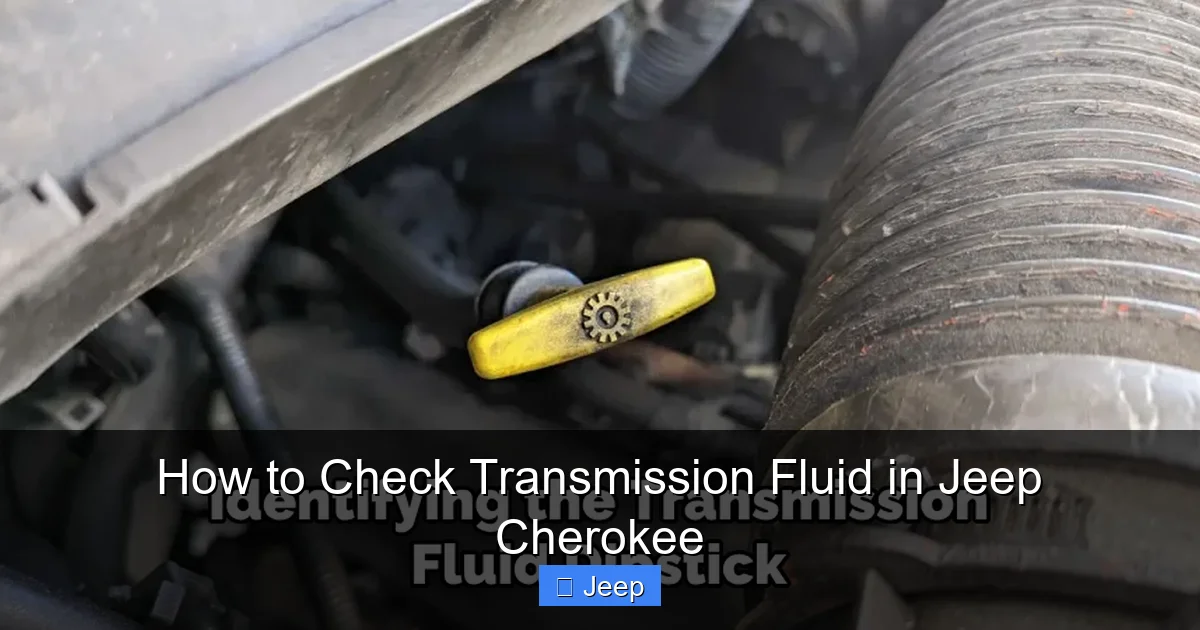
First, you need to find the transmission dipstick. In a Jeep Cherokee, this is usually located near the back of the engine. It often has a bright red or yellow handle that makes it very easy to spot among all the other engine parts. If you are not sure where it is, check your owner’s manual. The manual will have a clear diagram of the engine bay showing exactly where the dipstick is located. The dipstick is usually labeled with the word “Transmission” or has a gear icon next to it. Once you find it, pull it out slowly and gently to avoid spilling any fluid on the engine block.
Checking the Level
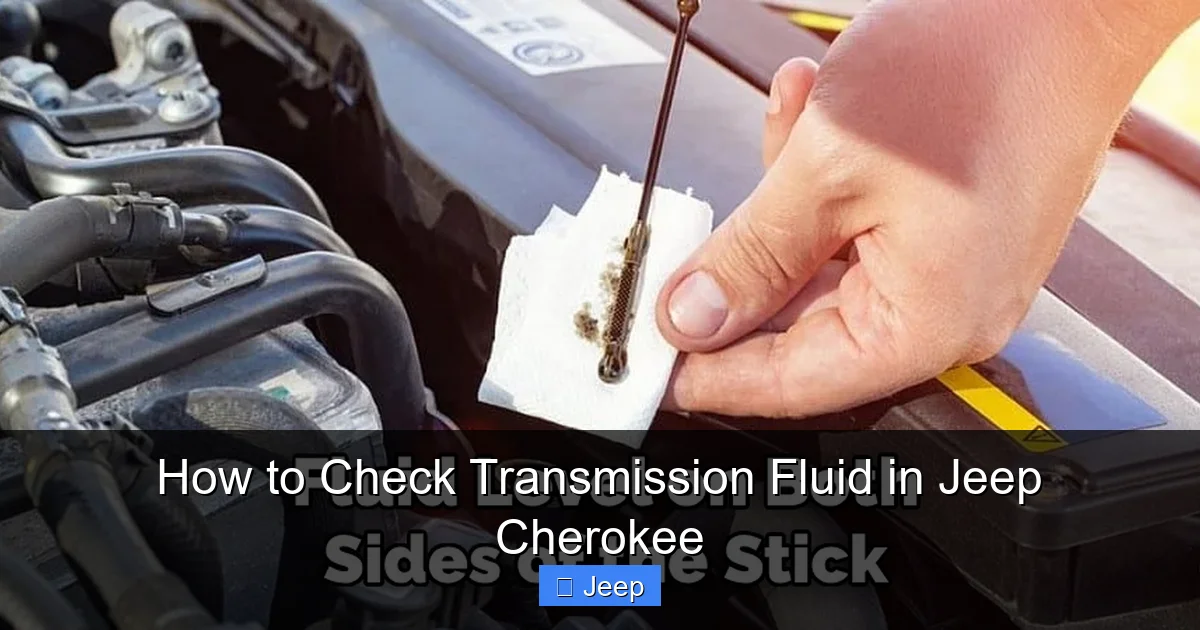
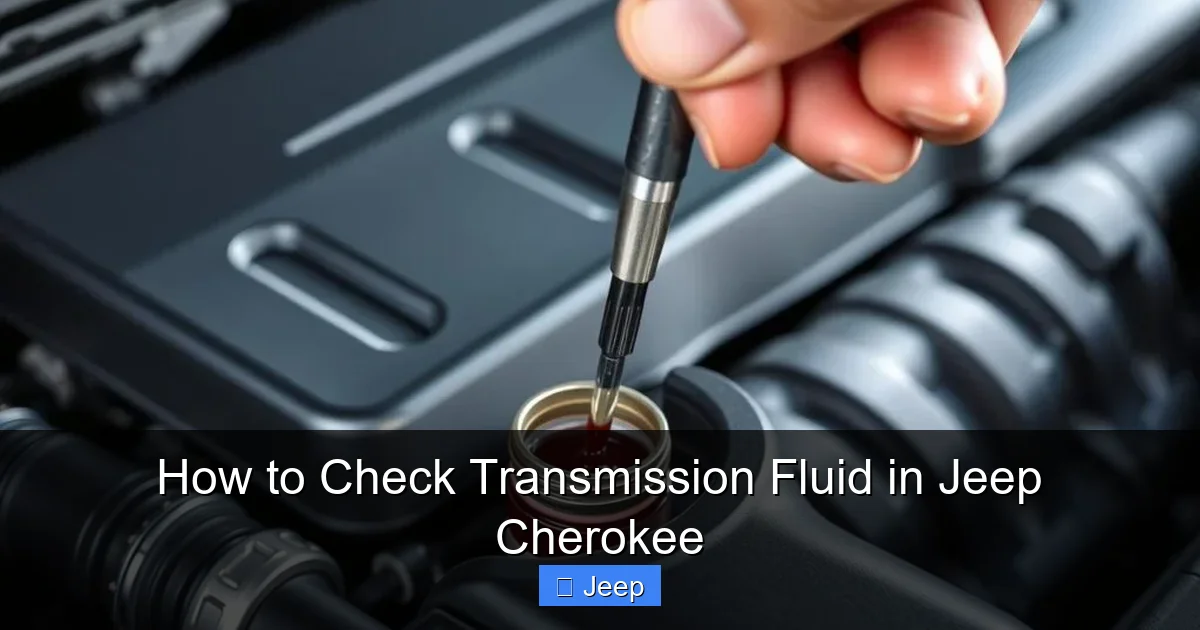
Once you find the dipstick, pull it out completely. Use your clean rag to wipe it completely clean. Make sure there is no old fluid left on the rag or the dipstick itself. Push the dipstick all the way back into the tube until it clicks into place. Wait a few seconds, then pull it out again. Look at the wet end of the dipstick. You will see marks on it. These marks show the full and low levels. The fluid should be between these two marks. If it is below the low mark, you need to add fluid. If it is above the high mark, you have too much fluid and need to drain some out. Always check the fluid while the engine is idling in park.
How to Interpret the Results
Getting the fluid level right is only half the battle. You also need to look closely at the condition of the fluid. The fluid tells you a lot about the health of your transmission. Do not just look at the level and walk away. Taking a moment to inspect the fluid can save you from a big headache later. The condition of the fluid is just as important as the amount of fluid in the system. Use your senses to evaluate what you see and smell. Your nose and eyes are your best tools for this job.
Visual guide about How to Check Transmission Fluid in Jeep Cherokee
Image source: jeepfixes.com
Reading the Fluid Color
Color is the easiest way to judge the fluid. Healthy fluid is a bright translucent red or pink. It should look clear, not cloudy or foamy. If the fluid is a light brown color, it is still okay but getting old and needs to be changed soon. If it is dark brown, it needs to be changed immediately. If the fluid is black, it is severely degraded and burnt. You should change it right away. Sometimes, the fluid might look milky or frothy. This usually means there is a coolant leak into the transmission. This is a serious problem that needs a mechanic’s attention immediately. Do not ignore milky fluid. It is a sign of a major internal issue.
What to Do If the Level Is Low
If the fluid is below the low mark, you need to add more. Use the type of fluid recommended in your owner’s manual. Pour it in slowly through the dipstick tube. Check the level again after adding a little bit. You do not want to overfill the transmission. Overfilling can cause just as much damage as underfilling. If you add fluid and notice shifting issues or rough performance, you might need to learn how to How To Reset Transmission Adaptive Pressure. This can help your Jeep shift smoothly again and restore its normal driving feel.
Common Mistakes to Avoid
Even simple tasks have pitfalls that can catch you off guard. Many people make mistakes when checking their transmission fluid. Avoiding these errors will keep your Jeep Cherokee running perfectly for a long time. Take a moment to review these common slip-ups. Learning from others’ mistakes is the best way to protect your vehicle and your wallet. Being aware of these issues will make you a much more knowledgeable car owner and keep your Jeep running strong.
Checking It When the Engine Is Cold
This is the most common mistake people make when checking their fluid. If you check the fluid when the engine is cold, the reading will be completely wrong. The fluid will be thick and settle in the pan. You will think the level is low when it is actually fine. Always drive the car a bit before you check the fluid. The engine needs to be at normal operating temperature. This ensures the fluid is thin enough to flow and give you an accurate measurement. Never rely on a cold reading because it will always be misleading and cause you to add unnecessary fluid.
Overfilling the Transmission
Some people think more fluid is better. This is not true at all. Too much fluid creates excess pressure inside the transmission. It can cause leaks or damage the seals. Always add fluid in small increments. Check the level after each small addition. It is much easier to add a little more than it is to drain out too much. Take your time and be precise. Overfilling is a common mistake that can lead to expensive repairs and seal failure. Be careful and check often.
Conclusion
Checking the transmission fluid in your Jeep Cherokee is a vital part of ownership. It is easy to do and takes very little time out of your day. By doing it regularly, you prevent major repairs and keep your car running strong. Now that you know how to check transmission fluid in Jeep Cherokee, you can do it with confidence. Grab your rag, pop the hood, and give your Jeep the care it deserves. Your Cherokee will thank you with many more miles of smooth driving. Stay safe on the road and enjoy your Jeep! Regular maintenance is the secret to a long life for your vehicle.
Frequently Asked Questions
How often should I check my transmission fluid?
You should check your transmission fluid every time you get an oil change or at least once a month. Regular checks help you catch low fluid levels or contamination early. This simple habit can save you from expensive transmission repairs down the road.
Can I check transmission fluid when the engine is cold?
No, you should never check the fluid when the engine is completely cold. Cold fluid is thick and settles in the pan, giving you a falsely low reading. Always drive the vehicle for a few minutes to warm the engine up before checking the level.
What color should Jeep Cherokee transmission fluid be?
Healthy transmission fluid should be a bright translucent red or pink color. It should look clear and not cloudy. If the fluid is dark brown or black, it is old and needs to be replaced immediately to protect your transmission.
How do I know if my transmission fluid is bad?
Bad transmission fluid usually has a strong burnt smell and a dark brown or black color. You might also notice that your vehicle shifts roughly or hesitates when you accelerate. If you see or smell any of these signs, you should change the fluid right away.
What type of fluid does a Jeep Cherokee use?
Always check your owner’s manual to find the exact type of fluid recommended for your specific model year. Using the wrong type of fluid can cause serious damage to the transmission seals and gears. Stick to the manufacturer’s recommendation for the best results.
Does checking transmission fluid require a mechanic?
No, checking your transmission fluid is a very simple task that you can easily do at home. You only need a clean rag, gloves, and a few minutes of time. It is a great basic maintenance skill that every Jeep owner should learn to save money on shop visits.