How to Jump Start a Jeep Grand Cherokee
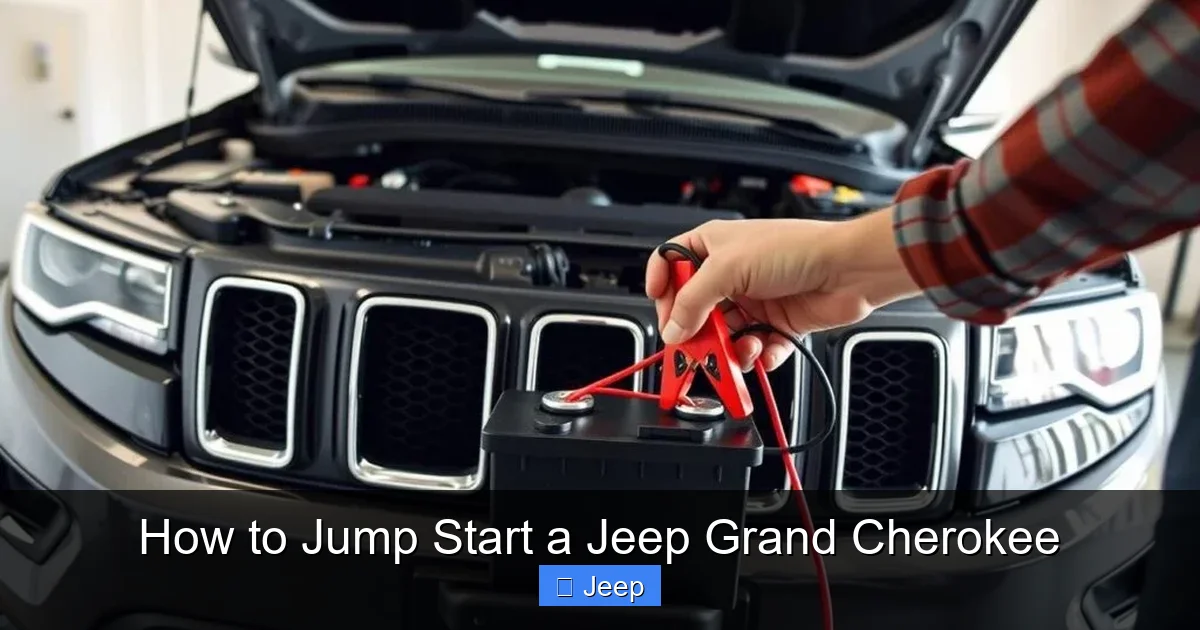
*If your Jeep Grand Cherokee won’t start, don’t panic. This guide shows you how to jump start it safely with clear steps. You’ll learn the right tools, safety tips, and troubleshooting tricks to get back on the road without stress.*
When your Jeep Grand Cherokee sits silent on a cold morning, the frustration can feel almost physical. That dead battery is a common problem for owners who live in areas with extreme weather, drive long distances without regular use, or simply forget to check their charge levels. But here’s the good news — getting your Grand Cherokee running again is easier than you might think. Whether you’re dealing with a partially drained battery or a completely flat cell, there’s a straightforward way to jump start your vehicle and have the wheels turning in no time. This guide will walk you through every step, from gathering the right tools to handling the actual connection process safely and effectively.
Before we dive into the mechanics, let’s talk about why jumping starts are so important for the Jeep Grand Cherokee specifically. This luxury SUV has powerful engines and demanding electrical systems, including advanced driver assistance features and sophisticated electronic modules. When the battery fails, modern Jeeps rely heavily on starting motors, security systems, and infotainment upgrades that all depend on clean, reliable power. A simple jump start restores those critical functions and gets you back onto the highway, whether it’s a daily commute or a weekend adventure through mountain passes. But it’s not just about getting the engine running — it’s about doing so safely without risking damage to your expensive vehicle or putting yourself or others at harm.
Key Takeaways
- Always prioritize safety by disconnecting the negative terminal first and working in a well-ventilated area.
- Use the correct voltage — a 12V system requires a fully charged jumper cable with at least 40 amps for reliable results.
- Identify the correct battery terminals on your Grand Cherokee to avoid damaging the vehicle or yourself.
- Follow the two-car method where one engine powers the other rather than trying to force energy directly into the dead battery.
- Check your connections thoroughly after jump-starting to ensure stable power and prevent future issues.
- Consider professional help if you’re unsure or experience unusual symptoms after attempting a jump start.
📑 Table of Contents
Preparation and Safety First
Before you reach for that jumper cable, take a moment to assess your situation. Your Jeep Grand Cherokee likely has a 12-volt battery, and that battery needs somewhere to go when it’s being recharged. The key principle here is always connect the positive terminal first, then the negative terminal last. This order prevents dangerous sparks that could ignite fuel vapors or damage the car’s electronics. If you see smoke, flames, or overheating immediately, stop what you’re doing and call for help instead of continuing the attempt.
A safe jump start isn’t just about following rules — it’s about understanding your environment too. Make sure you’re working in a well-ventilated area away from open flames or flammable materials. Never perform a jump start inside your home garage close to fuel tanks or exhaust systems. Also, consider having a fire extinguisher nearby in case unexpected combustion occurs. Finally, check the condition of your cables before use — worn insulation or cracked plugs can cause short circuits or electric shock, so inspect them carefully before gripping them with your hands.
The Tools You Need
While you probably already own the basics, gather all necessary supplies before beginning. The absolute essential is a pair of heavy-duty jumper cables designed for automotive use. Look for cables rated for at least 400 amps; lower capacity cables may struggle with the Grand Cherokee’s larger battery and could overheat during the jump. You’ll also need safety equipment such as insulated gloves and safety glasses to protect against accidental shocks. Additionally, it helps to have a flashlight for dark garages or early mornings when visibility is poor.
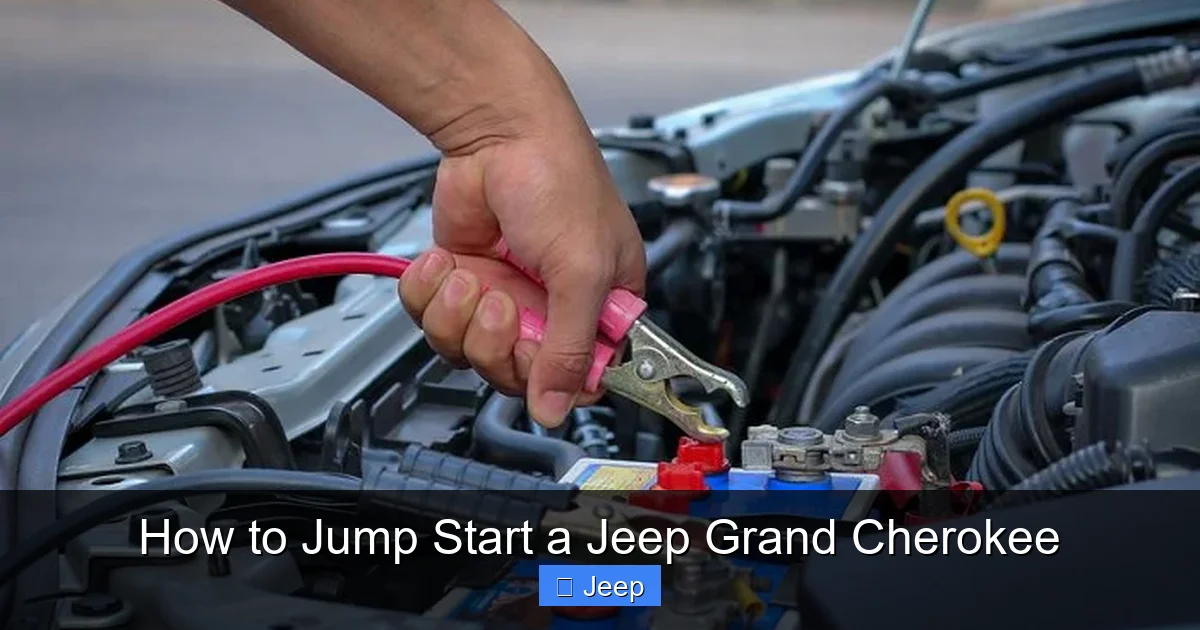
Visual guide about How to Jump Start a Jeep Grand Cherokee
Image source: sansonejeep.net
Beyond basic tools, some owners find it helpful to locate both the positive (+) and negative (-) battery terminals on their Jeep Grand Cherokee. These are typically located near the front of the vehicle, often marked clearly with red and black posts or wires. Some newer models may hide these terminals under trim panels, requiring you to remove a small piece of plastic to access them. Having this information handy speeds up the process significantly and reduces the chance of mixing up polarity, which would result in a painful and potentially dangerous failure.
Step-by-Step Jump Starting Procedure
Now for the core part — actually performing the jump start. Follow these steps carefully, and you’ll find the process becomes second nature after your first attempt. The goal is to transfer energy from a healthy battery to revive your dead one while minimizing stress on the electrical system.
Visual guide about How to Jump Start a Jeep Grand Cherokee
Image source: adventurejeep.com
Disconnect the Negative Terminal First
Locate the negative battery terminal, which is usually labeled with a minus sign or colored black. Place the clamp of your jumper cable from the red end onto this terminal. Wait about fifteen seconds before connecting the positive side — this allows the alternator to recharge slightly and stabilizes the connection. This initial pause cannot be rushed because skipping it increases the risk of sparkback, a phenomenon where electrical discharge travels backward through the connection and causes sparks near the battery.
Connect the Positive Terminals
Next, attach the red clamp to the positive (+) battery terminal. Again, give the system a few seconds to stabilize before proceeding. Now you’re ready to bring the two vehicles together. Find both the positive and negative terminals and connect the remaining ends of your jumper cables — red to positive on both cars. The current flows from the donor car’s charged battery through the cables and into your Grand Cherokee’s weak battery, helping to restore its charge.
Once both connections are secure, start the donor vehicle’s engine and let it run for a few minutes. While the engine is idling, try starting your Jeep Grand Cherokee. You might hear the starter crank more slowly than usual, but this is normal as the system builds up enough power. If the engine turns over smoothly, you’ve successfully jumped started your vehicle! Keep both batteries connected until the Grand Cherokee runs normally, then carefully disconnect the cables in the reverse order of how you attached them — negative first, then positive. This prevents accidental shorts and ensures the system resets properly.
Troubleshooting Common Issues
Not every jump start succeeds on the first try, especially if something else is wrong with your vehicle. Here are some scenarios to watch for and how to handle them. If your Jeep cranks but won’t start, the issue might be unrelated to the battery itself — possibly a faulty starter motor, an empty fuel tank, or a security light that won’t disable. In such cases, addressing those problems first makes the jump start less likely to fail. Another common problem is that the lights stay on or the dashboard warning icons remain illuminated after the jump. Check the owner’s manual for specific diagnostic codes; sometimes the vehicle has been detecting a low-voltage condition that persists despite the temporary boost.
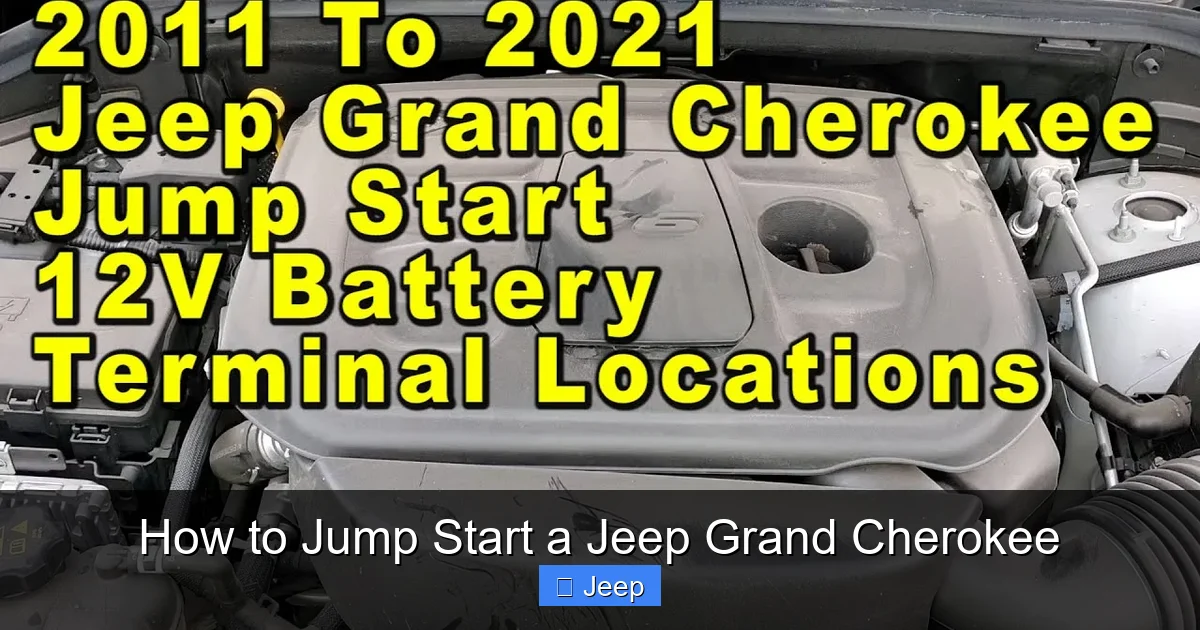
Visual guide about How to Jump Start a Jeep Grand Cherokee
Image source: i.ytimg.com
If you notice severe shaking, smoke, or burning smells during the process, abort immediately and call for professional assistance. These signs indicate a potential short circuit or wiring issue that could lead to catastrophic failure. Similarly, if the Grand Cherokee restarts but then immediately stalls again, you may have discharged the new charge too quickly — you might need multiple jumps with intervals between attempts. And remember, if you’re working on a vehicle with airbags or complex sensors, a failed jump start could trigger safety system warnings that make driving uncomfortable. In these situations, it’s wiser to seek professional help than to risk injury or further damage.
To summarize, successful jump starting involves preparation, correct tool use, attention to polarity, and patience. Most of the time, a well-executed procedure gets your Jeep Grand Cherokee back on its feet without incident. The key is taking your time, respecting each step, and knowing when to move on to professional service if something feels off.
Pro Tips for Future Success
After mastering the basic jump start, there are a few habits that will save you time and headaches down the road. Regularly checking your battery health with a multimeter can reveal gradual degradation before it becomes a full shutdown. Keeping the battery terminals clean and tight avoids corrosion buildup that weakens connections over years of use. If your Grand Cherokee lives in a particularly cold climate, consider investing in a smart trickle charger for periodic maintenance. Store the vehicle in a dry, covered location whenever possible to reduce exposure to moisture and temperature extremes. Finally, familiarize yourself with your vehicle’s warning lights and diagnostic menu — they often give clues about underlying issues before they become emergencies.
By keeping these practices in mind, you’ll find that jump starting your Jeep Grand Cherokee becomes a routine task rather than a stressful event. The next time you encounter a dead battery, you’ll know exactly what to do, when to act, and how to follow safety protocols perfectly. Whether you’re facing a temporary breakdown or planning a long trip across rugged terrain, having a reliable method for restarting your vehicle means more peace of mind on every journey.
Frequently Asked Questions
Question?
What is the minimum distance needed between the two vehicles before starting the jump start?
Ideally, keep at least three feet between your Jeep Grand Cherokee and another vehicle while you’re transferring electrical power. This distance minimizes the risk of electrical arcs and ensures safe interaction between the connected batteries.
Question?
Can I use standard household extension cords for jump starting my Jeep Grand Cherokee?
No, never use a household extension cord for jump starting. It lacks the appropriate gauge and build quality to handle the high current flow required by your vehicle’s large battery. Always use dedicated automotive-grade jumper cables rated for at least 400 amps.
Question?
How many times should I attempt to jump start my Jeep Grand Cherokee?
Typically, two attempts are sufficient if performed correctly. However, if multiple consecutive tries fail without success, there’s likely an underlying issue with the battery, charging system, or accessories that requires professional diagnosis.
Question?
Is it safe to jump start a Jeep Grand Cherokee in hot weather?
Yes, but be cautious. Extreme heat can increase the risk of electrolyte boiling in older batteries, though modern designs are generally safer. Ensure your Grand Cherokee is parked on a solid surface and avoid direct sunlight when working. Keep an eye on the cooling system if you’re in very high temperatures.
Question?
What should I do if I accidentally touch the wrong terminals while jump starting?
Turn off the vehicle immediately, place the jumper cables back on the ground, and wait for the air to dissipate. Double-check the polarity before reconnecting — always red to positive and black to negative. Using insulated gloves and avoiding skin contact with metal parts can reduce the risk of electric shock.
Question?
Will jump starting harm my Jeep Grand Cherokee’s battery life?
No, a single jump start does not permanently damage the battery. Modern batteries are designed to accept a significant charge boost temporarily. Just avoid excessive short jumps that repeatedly drain a healthy battery faster than its normal cycling rate. After a jump, monitor the charge level for a day to confirm stability.