How to Attach a Tire Carrier on Jeep Tailgate
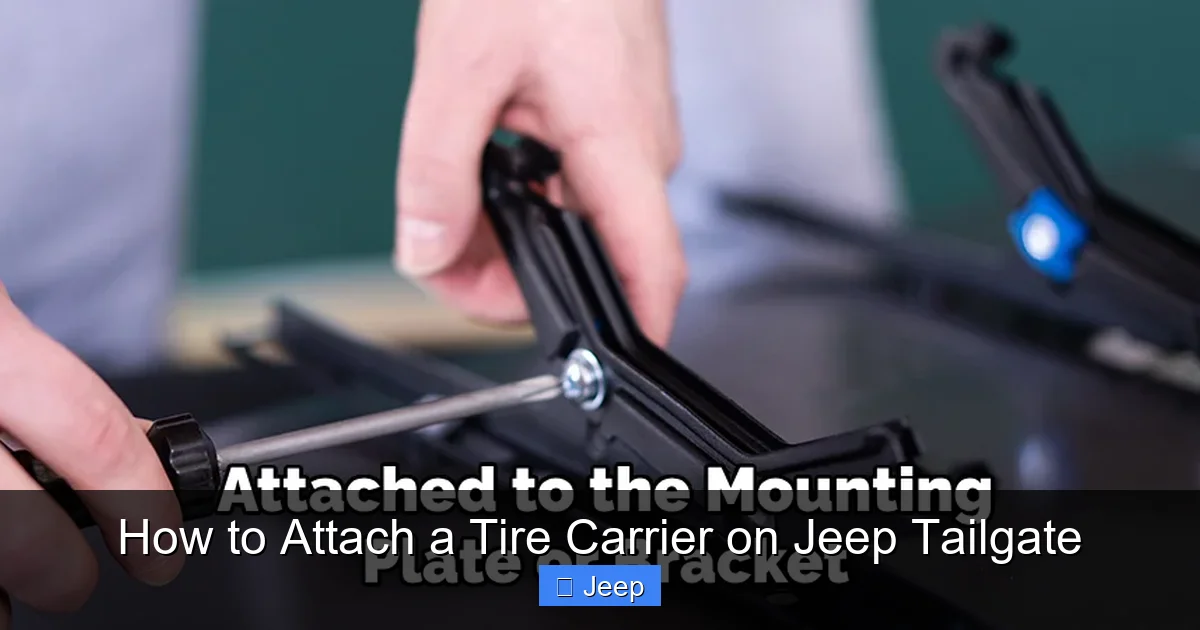
Attaching a tire carrier to your Jeep tailgate is essential for off-road adventures and tire storage. This guide breaks down the process into simple steps, ensuring a secure fit while avoiding common pitfalls. Whether you’re upgrading your Jeep’s functionality or needing quick tire access, follow these instructions for a hassle-free installation.
When you’re tackling rugged trails or hauling gear, a tire carrier isn’t just a convenience—it’s a necessity. Jeep enthusiasts know that the right setup can mean the difference between a smooth adventure and a roadside breakdown. Installing a tire carrier on your Jeep tailgate allows you to store your spare tire securely while keeping it easily accessible. Whether you own a Wrangler, Gladiator, or Grand Cherokee, the process requires careful preparation and attention to detail. Let’s dive into how to attach a tire carrier on a Jeep tailgate like a pro.
Key Takeaways
- Compatibility Check: Verify your Jeep model and tailgate design before purchasing a tire carrier.
- Tools Matter: You’ll need a drill, socket set, and torque wrench for most installations.
- Secure Mounting: Use all provided hardware and tighten bolts evenly to prevent wobbling.
- Test Before Driving: Ensure the tire is balanced and the carrier doesn’t interfere with the tailgate’s operation.
- Professional Help: Consider a mechanic if you’re unsure about drilling or modifying your Jeep’s frame.
- Regular Maintenance: Check bolt tightness and lubricate moving parts periodically.
- Avoid Overloading: Never exceed the carrier’s weight limit to prevent damage or failure.
📑 Table of Contents
- Why Install a Tire Carrier on Your Jeep Tailgate?
- Choosing the Right Tire Carrier for Your Jeep
- Tools and Materials Needed for Installation
- Step-by-Step Installation Guide
- Common Mistakes to Avoid
- Maintenance Tips for Long-Lasting Performance
- Troubleshooting Common Issues
- When to Seek Professional Help
- Final Thoughts on Tire Carrier Installation
Why Install a Tire Carrier on Your Jeep Tailgate?
When you’re deep in the wilderness or navigating rocky terrain, your spare tire is your lifeline. A tire carrier mounted on the tailgate offers two critical advantages:
- Convenience: No more crawling under your Jeep to swap out a flat tire. With the spare mounted on the tailgate, you can quickly flip it into place and get back on the road.
- Safety: A securely fastened tire reduces the risk of it becoming a projectile in a collision or shifting during off-road driving.
Additionally, many Jeep owners install tire carriers to free up interior space. Instead of storing the spare in the trunk, which can be cramped on trail rigs, the tailgate-mounted option keeps your cargo area clear for gear, cooler, or camping equipment.
Choosing the Right Tire Carrier for Your Jeep
Before you start installing, selecting the right tire carrier is crucial. Here’s what to consider:
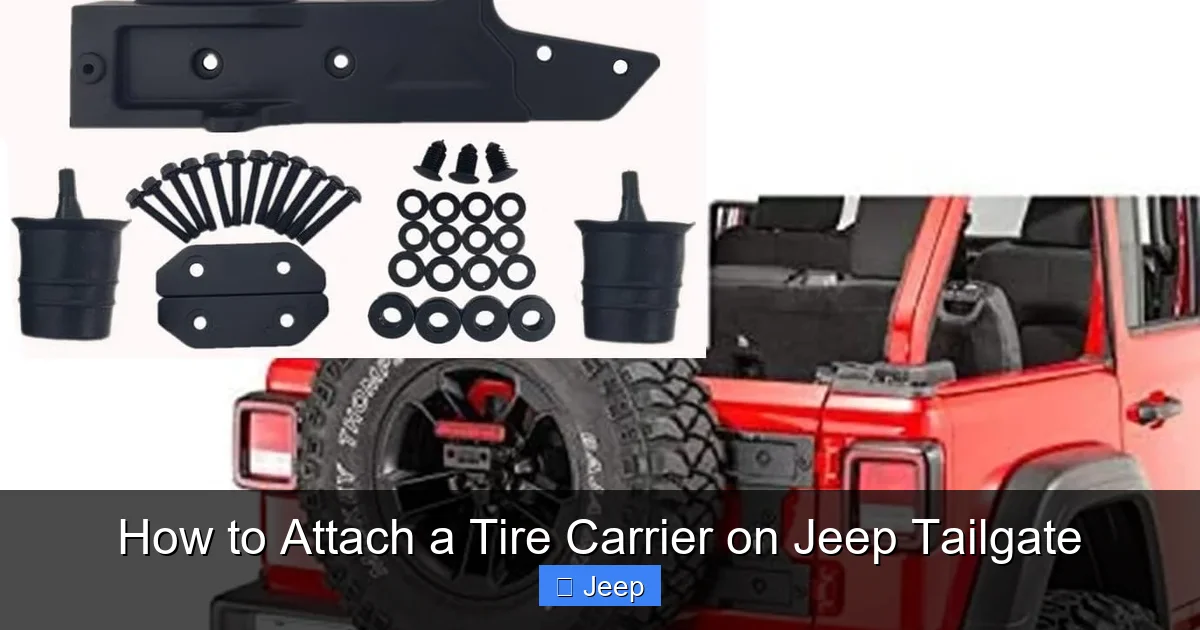
Visual guide about How to Attach a Tire Carrier on Jeep Tailgate
Image source: m.media-amazon.com
Compatibility with Your Jeep Model
Not all tire carriers fit every Jeep. For example, a carrier designed for a 2012 Jeep Wrangler might not work on a newer Gladiator. Check your owner’s manual or consult the manufacturer’s fitment guide. If you’re unsure, opt for a universal carrier that accommodates multiple Jeep generations.
Material and Build Quality
Look for carriers made from durable materials like powder-coated steel or aluminum. These resist rust and withstand harsh conditions. Avoid flimsy plastic options, which can crack or bend under pressure.
Weight Capacity
Ensure the carrier can support your tire’s weight. Standard off-road tires typically weigh 50–70 pounds, but oversized or beadlock tires may require a heavier-duty model.
Tools and Materials Needed for Installation
Installing a tire carrier is a DIY-friendly project, but you’ll need the right tools to avoid damaging your Jeep. Here’s a checklist:
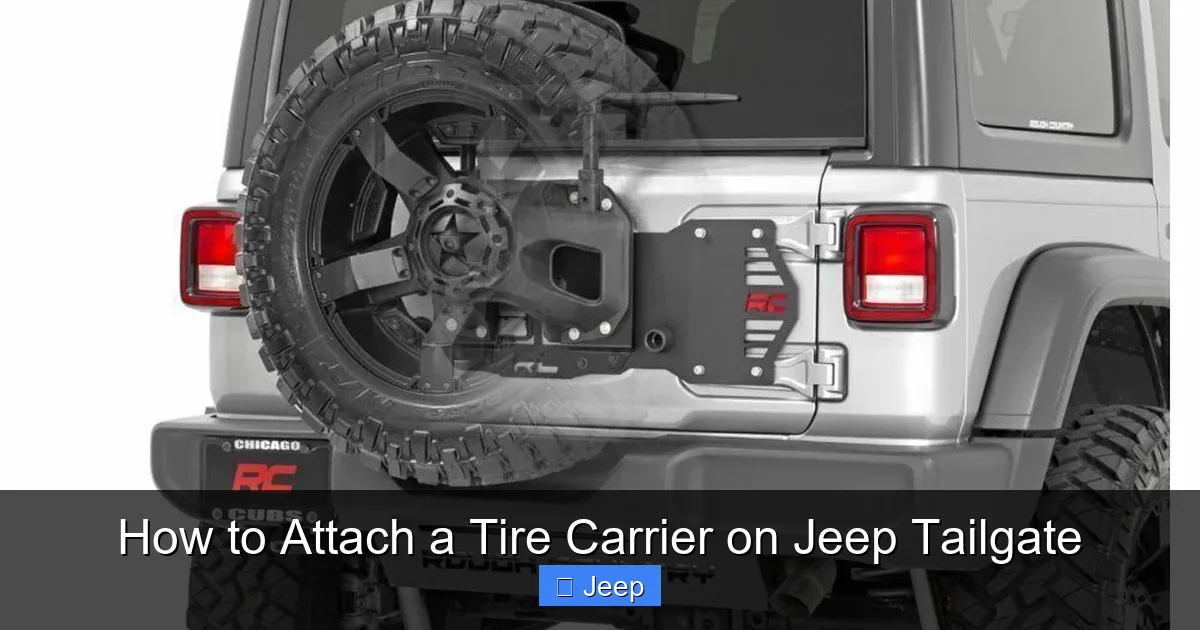
Visual guide about How to Attach a Tire Carrier on Jeep Tailgate
Image source: i.ebayimg.com
- Drill with metal bits: For creating pilot holes in the tailgate or frame.
- Socket set: To tighten bolts and nuts securely.
- Torque wrench: Ensures even tightening without overdoing it.
- Lubricant (e.g., WD-40): Helps with smooth assembly and prevents rust.
- Measuring tape: For precise alignment during installation.
- Replacement hardware: If your carrier’s included bolts aren’t compatible with your Jeep’s frame.
Most tire carriers come with detailed instructions, but having these tools on hand streamlines the process.
Step-by-Step Installation Guide
Now, let’s get into the nitty-gritty of attaching your tire carrier. Follow these steps carefully:
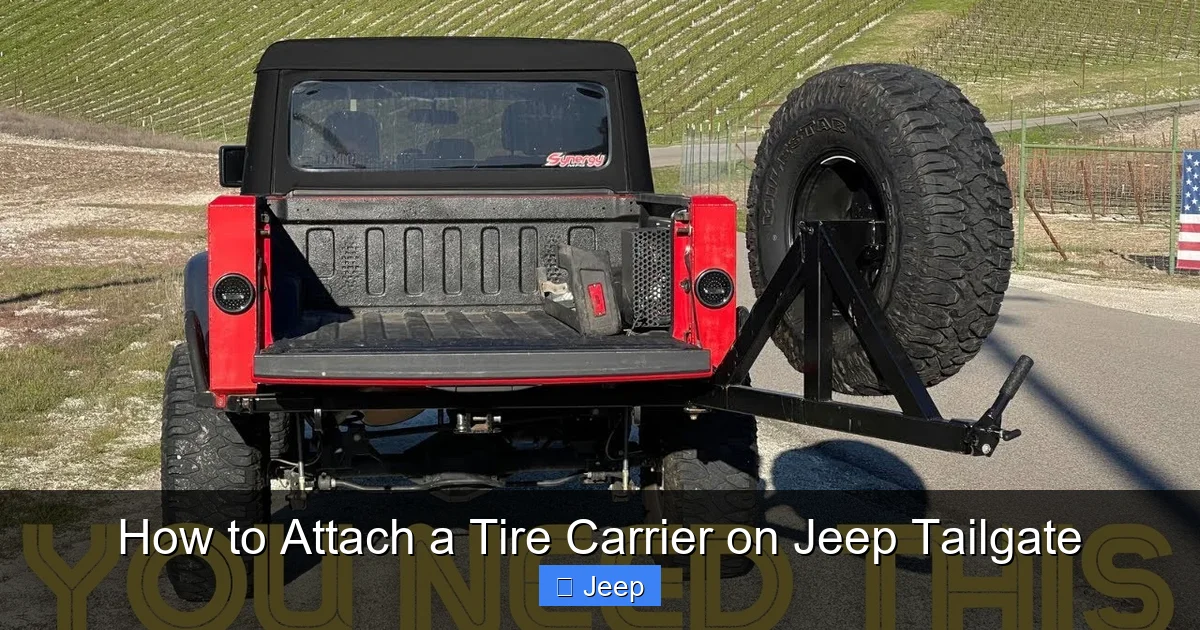
Visual guide about How to Attach a Tire Carrier on Jeep Tailgate
Image source: i.ytimg.com
Step 1: Prepare Your Jeep
First, park your Jeep on a flat surface and engage the parking brake. Remove any existing spare tire if it’s stored inside. Clean the mounting area on the tailgate or rear bumper to ensure a clear surface for drilling.
Step 2: Position the Carrier
Align the tire carrier with the designated mounting points on your Jeep’s tailgate or frame. Most carriers have pre-drilled holes or marked spots for drilling. Use a measuring tape to ensure the carrier is centered and level.
Step 3: Mark and Drill Pilot Holes
Using a center punch and drill, create pilot holes where the carrier will attach. Start with a small drill bit to prevent the metal from cracking. Once the pilot holes are ready, switch to a larger bit for the final holes.
Step 4: Attach the Carrier
Place the carrier over the drilled holes and insert the provided bolts. Tighten them gradually, working your way around the carrier to ensure even pressure. Use a torque wrench to avoid over-tightening, which can strip threads or warp the metal.
Step 5: Mount the Tire
With the carrier secured, attach your spare tire using the locking mechanism (e.g., a pin or lever). Ensure the tire is balanced and the carrier’s latch fully engages. Give the tire a gentle shake to confirm it’s firmly held in place.
Step 6: Test the Tailgate’s Movement
Finally, lower and raise the tailgate several times to verify the carrier doesn’t interfere with its operation. If it does, adjust the carrier’s position or loosen the bolts slightly to make corrections.
Common Mistakes to Avoid
Even experienced Jeep owners can make missteps during installation. Here’s what to watch out for:
- Over-Tightening Bolts: Excessive force can damage the tailgate’s frame or strip threads. Always use a torque wrench.
- Inadequate Securing: Missing even one bolt can cause the carrier to wobble, risking tire damage or loss.
- Ignoring Clearance: A poorly positioned carrier might block the tailgate’s swing or interfere with the license plate.
- Rushing the Process: Take your time to align everything perfectly. Hasty installations often lead to uneven mounting.
Maintenance Tips for Long-Lasting Performance
Once installed, maintaining your tire carrier is straightforward but critical:
- Check Bolt Tightness Monthly: Vibrations from off-road driving can loosen fasteners.
- Lubricate Moving Parts: Apply a silicone-based lubricant to hinges and latches annually.
- Inspect for Rust: Touch up any scratches or chips with rust-resistant paint to prevent corrosion.
- Verify Tire Condition: Ensure the spare tire is properly inflated and free of sidewall damage.
Troubleshooting Common Issues
If you encounter problems during or after installation, these solutions might help:
The Tailgate Won’t Close Properly
Adjust the carrier’s position slightly or check if the tire is rubbing against the bumper. Loosen the bolts, reposition the carrier, and retighten.
The Carrier Feels Unstable
Re-tighten all bolts using the correct torque specifications. If instability persists, consider reinforcing the mounting points with additional brackets.
Rust or Corrosion on the Carrier
Clean the affected area with a wire brush and apply a rust-inhibiting primer before repainting. Regular upkeep prevents minor issues from escalating.
When to Seek Professional Help
While most tire carriers are DIY-friendly, there are situations where a professional mechanic or Jeep specialist is better suited:
- Your Jeep’s frame requires drilling, and you’re inexperienced with metalwork.
A $100–$200 service call could save you from costly mistakes and ensure your setup meets safety standards.
Final Thoughts on Tire Carrier Installation
Attaching a tire carrier on your Jeep tailgate is a rewarding upgrade that enhances both functionality and safety. By choosing the right carrier, gathering the necessary tools, and following these steps meticulously, you’ll have a reliable system ready for any adventure. Remember to prioritize quality hardware, test the setup thoroughly, and maintain it regularly. With these practices, your tire carrier will serve you reliably for years, whether you’re crawling through Moab or cruising down the highway.
Frequently Asked Questions
Can I install a tire carrier myself, or should I hire a professional?
Yes, most DIY enthusiasts can install a tire carrier on their Jeep tailgate using basic tools. However, if you’re uncomfortable drilling into your Jeep’s frame or lack experience with automotive modifications, hiring a professional ensures proper alignment and safety.
What type of tire carrier is best for a Jeep Wrangler?
For a Jeep Wrangler, consider a heavy-duty steel carrier that accommodates 31–35-inch tires. Look for models with a powder-coated finish to resist rust and a locking mechanism for added security.
How do I know if my tire carrier fits my Jeep model?
Check the manufacturer’s fitment guide or consult your Jeep’s owner manual. Universal carriers are a safe bet, but always verify dimensions and mounting points match your specific model and year.
Will a tire carrier affect my Jeep’s towing capacity?
Generally, no. Tire carriers are designed to support the spare tire’s weight without impacting towing capacity. However, always follow the carrier’s weight limit and avoid overloading to maintain your Jeep’s structural integrity.
How often should I check my tire carrier for damage?
Inspect your tire carrier monthly for loose bolts, cracks, or rust. Before long trips, perform a quick shake test to ensure the tire is securely fastened and the carrier is intact.
Can I use a tire carrier for off-road trails?
Absolutely. Tire carriers are ideal for trail use, providing quick access to your spare tire. Ensure the carrier is rated for off-road conditions and regularly lubricate hinges to handle rough terrain.