How to Tow a Jeep Grand Cherokee Behind Motorhome
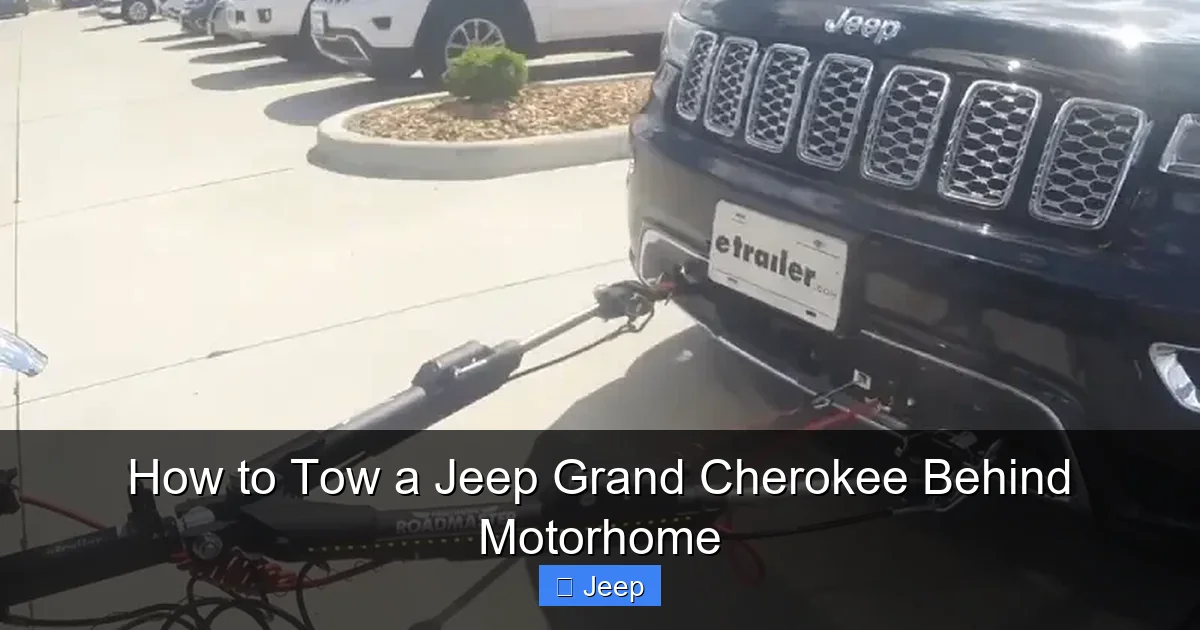
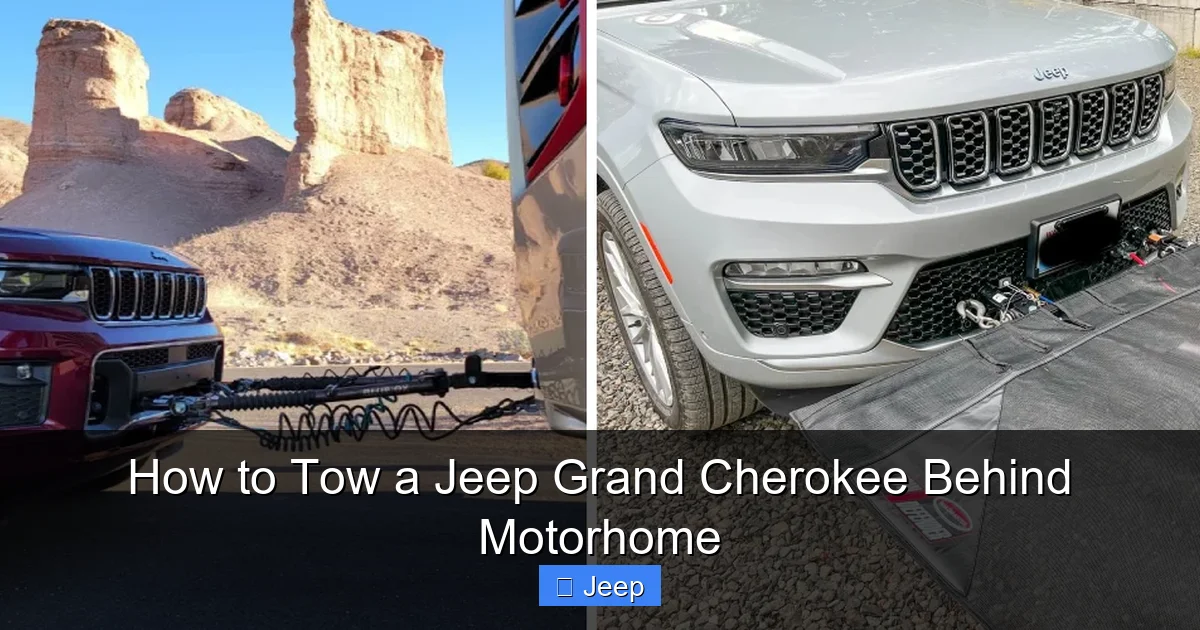
Towing your Jeep Grand Cherokee behind a motorhome is a fantastic way to explore without leaving your vehicle behind. This guide walks you through the entire process, from gathering the right gear to executing safe towing techniques. You’ll find practical steps and essential tips to ensure your Jeep stays safe and sound on the road.
Towing your Jeep Grand Cherokee behind a motorhome is like having the best of both worlds: the freedom of the open road in your RV, and the convenience of your trusty Jeep waiting for off-road adventures at every stop. It’s a setup that many road trip lovers swear by, but it does require some know-how to do it safely and without causing damage to your vehicles. Whether you’re a seasoned RVer or new to the towing scene, this guide will walk you through everything you need to know in simple, easy-to-follow steps. So, let’s dive in and get you ready for your next great journey.
Key Takeaways
- Check Your Jeep’s Weight and Capacity: Know your Jeep’s towing weight limits and how it affects your motorhome’s performance before you start.
- Choose the Right Towing Method: Flat towing is ideal for Jeep Grand Cherokees with four-wheel drive, but a dolly or trailer can also work depending on your setup.
- Use Proper Towing Equipment: Invest in a quality tow bar, safety chains, and towing lights to ensure secure and legal towing.
- Prepare Your Jeep Correctly: Disable certain features like air suspension and engage the correct drivetrain settings to prevent damage during towing.
- Follow Safety Precautions: Regularly check connections, maintain a safe distance, and be mindful of state laws to avoid accidents or fines.
- Perform Regular Maintenance: Inspect your towing gear before each trip and service your Jeep after towing to keep everything in top shape.
- Practice Makes Perfect: Start with short practice runs to get comfortable with towing before heading out on long journeys.
📑 Table of Contents
Why Tow Your Jeep Grand Cherokee?
Imagine driving into a scenic campsite, parking your motorhome, and having your Jeep ready for a quick hike or a trail ride. That’s the beauty of towing your Jeep behind your motorhome. It gives you the flexibility to explore without the hassle of driving a larger vehicle on rough terrain. Plus, it can save you money on rentals and taxis when you reach your destination. Many Jeep owners find that towing enhances their travel experience, turning simple vacations into adventures they’ll remember forever.
The Freedom of Having Your Vehicle With You
When you tow a Jeep Grand Cherokee, you’re not just bringing a car; you’re bringing a piece of your everyday life on the road. Need to run errands at a local store? Your Jeep is right there. Want to check out a hidden trail? Just hitch up and go. This convenience is a game-changer for families or solo travelers who value spontaneity and comfort during their trips.
Cost-Effective Travel
Compared to renting vehicles at each stop, towing your Jeep can be more economical in the long run. You avoid daily rental fees, and you don’t have to worry about returning a car with a full tank of gas. Over several trips, the initial investment in towing equipment pays off, making your adventures more budget-friendly.
Preparation: What You Need Before You Start
Before you even think about hooking up your Jeep, preparation is key. Rushing into towing without the right gear or knowledge can lead to accidents or damage to your vehicles. Take your time to check a few things first, and you’ll set yourself up for a smooth and safe journey.
Visual guide about How to Tow a Jeep Grand Cherokee Behind Motorhome
Image source: jeepfixes.com
Check Your Jeep’s Specifications
Every Jeep Grand Cherokee has a specific weight and towing capacity. Knowing these numbers is crucial because they affect how your motorhome handles the load. Heavier setups might require a more powerful motorhome or special equipment. Refer to your owner’s manual for the gross vehicle weight rating (GVWR) and ensure your motorhome can handle the combined weight. If you’re unsure, this article on Jeep weight can give you a good starting point for understanding your vehicle’s specs.
Gather the Right Equipment
You’ll need a few essential items for towing. First, a reliable tow bar is non-negotiable; it connects your Jeep to the motorhome. Safety chains are a must for backup security. Don’t forget towing lights if your Jeep’s brake lights aren’t visible from the motorhome. For flat towing, you might also need a brake buddy system to help with stopping. Check local laws to see what’s required, and invest in quality gear to avoid problems down the road.
Towing Methods: Which One Is Right for You?
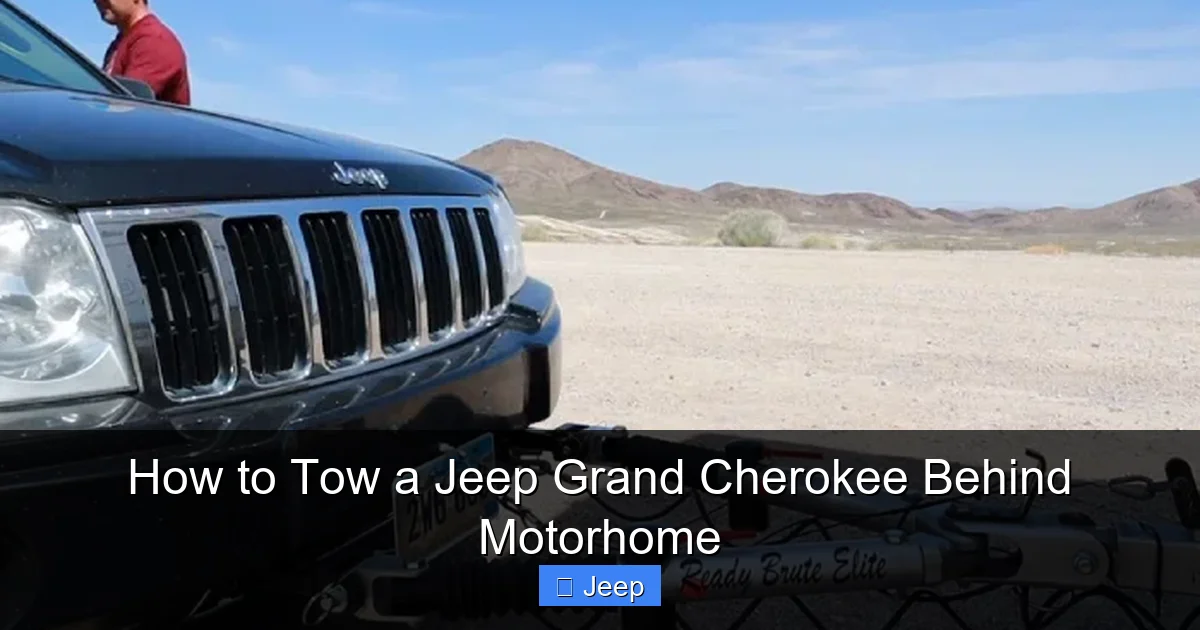
There are three main ways to tow a Jeep Grand Cherokee behind a motorhome: flat towing, using a towing dolly, or putting it on a trailer. Each has its pros and cons, so choose based on your Jeep’s drivetrain, your comfort level, and the terrain you’ll be tackling.
Visual guide about How to Tow a Jeep Grand Cherokee Behind Motorhome
Image source: santaclaratowing.in
Flat Towing (All-Wheel Drive)
Flat towing, where all four wheels are on the ground, is the most common method for Jeep Grand Cherokees with four-wheel drive. It’s simple and efficient, but it requires that your Jeep’s drivetrain is set up correctly to prevent damage. Make sure to engage the neutral position and disable features like the air suspension to avoid wear and tear. If you’re not sure how to do this, this guide on disabling air suspension can walk you through it step by step.
Using a Towing Dolly
A towing dolly lifts the front wheels off the ground while the rear wheels roll. This method is great if your Jeep has front-wheel drive or if you’re concerned about transmission damage. Dollies are easier to load and unload than trailers, but they can be bulky and require more storage space. Practice using a dolly in a empty parking lot before hitting the road to build confidence.
Trailer Towing
Putting your Jeep on a trailer is the safest option, as it keeps all wheels off the ground. This is ideal for long distances or if your Jeep isn’t set up for flat towing. However, trailers add height and weight, which might affect your motorhome’s handling. Choose a trailer that matches your Jeep’s size and weight, and ensure it’s properly secured before each trip.
Step-by-Step Guide to Towing Your Jeep
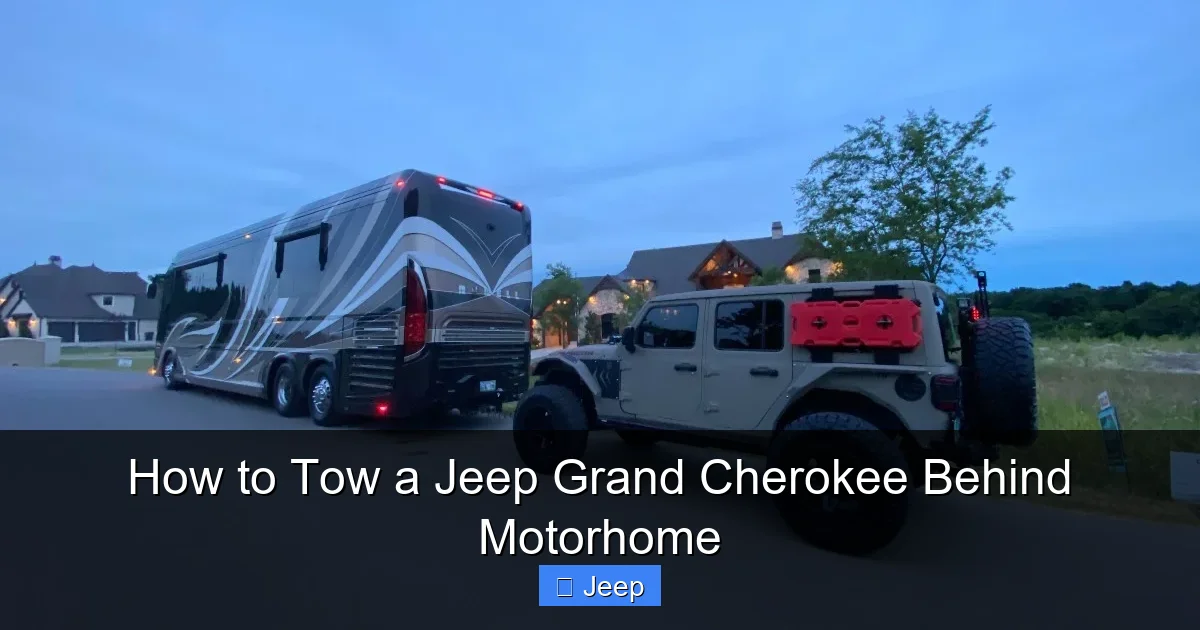
Now that you’ve prepared and chosen a method, let’s walk through the actual towing process. Follow these steps carefully to ensure everything is secure and safe.
Visual guide about How to Tow a Jeep Grand Cherokee Behind Motorhome
Image source: jeepinside.com
Connecting the Tow Bar
Start by positioning your motorhome and Jeep in a straight line. Attach the tow bar to the motorhome’s hitch, then to your Jeep’s towing point. Make sure all connections are tight and locked. Use a torque wrench if you have one, but if not, just ensure everything feels snug. Double-check that the tow bar is level to prevent uneven wear during towing.
Setting Up Safety Chains
Safety chains are your backup plan if the tow bar fails. Cross them under the Jeep to form a cradle, and attach them to the motorhome. Leave a little slack for turns, but not so much that they drag on the ground. This simple step can save you from a disaster on the highway.
Testing the Setup
Before you drive off, do a test run in a safe area. Check that the Jeep follows the motorhome smoothly without swaying. Test the brakes and lights to ensure they’re working. If anything feels off, stop and adjust. It’s better to fix issues now than on a busy road.
Safety Tips and Common Mistakes to Avoid
Towing isn’t always straightforward, but with a few precautions, you can avoid most problems. Remember, safety first—always prioritize it over convenience.
What to Avoid While Towing
One common mistake is forgetting to disable the Jeep’s parking brake or traction control, which can cause drag. Another is exceeding speed limits; most experts recommend keeping it under 60 mph for flat towing. Also, avoid sharp turns that could damage the tow bar. If you’re unsure about features like automatic high beams, here’s how to turn them off to prevent distractions while towing.
Regular Maintenance Checks
Before each trip, inspect the tow bar, chains, and lights for wear. After towing, check your Jeep for any signs of strain, like uneven tire wear. Regular maintenance extends the life of your equipment and keeps you safe. Consider scheduling a professional inspection annually if you tow frequently.
Conclusion
Towing your Jeep Grand Cherokee behind a motorhome is a rewarding experience that adds freedom to your travels. By following these steps—preparing properly, choosing the right method, and staying safe—you can enjoy the road with confidence. Remember, a little effort now leads to countless miles of adventure later. So, hitch up, hit the highway, and make memories that last a lifetime.
Frequently Asked Questions
Can I tow my Jeep Grand Cherokee with all four wheels on the ground?
Yes, if your Jeep has four-wheel drive and is set up correctly for flat towing. Ensure the drivetrain is in neutral and disable features like air suspension to prevent damage. Always check your owner’s manual for specific instructions.
What is the best towing method for a Jeep Grand Cherokee?
Flat towing is generally recommended for four-wheel-drive models, as it’s efficient and straightforward. However, if your Jeep has front-wheel drive or you prefer extra safety, a towing dolly or trailer might be better. Choose based on your vehicle’s specs and your comfort level.
How do I prepare my Jeep for flat towing?
To prepare for flat towing, engage the neutral position, disable the air suspension, and turn off any automatic features like traction control. Connect a proper tow bar and safety chains, and perform a test drive to ensure everything is secure before your trip.
What safety equipment do I need for towing?
Essential safety equipment includes a tow bar, safety chains, and towing lights. A brake buddy system is also recommended for better stopping power. Check local laws to ensure compliance, and always inspect your gear before each use.
How fast can I drive while towing?
It’s best to keep your speed under 60 mph when towing, especially for flat towing. Higher speeds can cause instability and increase wear on your vehicles. Adjust based on road conditions and your motorhome’s handling.
Do I need to disable any features before towing?
Yes, you should disable features like air suspension, traction control, and automatic high beams to prevent damage or distractions. Refer to your Jeep’s manual for guidance, and consider using resources like this air suspension guide for help.