How to Troubleshoot Jeep Leaf Spring Noise
Dealing with a mysterious Jeep leaf spring noise can be frustrating and even unsafe. This guide walks you through the most common causes, helps you diagnose the source of the sound, and provides practical fixes you can do at home or leave to a professional. Addressing leaf spring noise early saves you from costly repairs and keeps your Jeep riding quietly.
Key Takeaways
- Identify the noise type: Clicking, squeaking, or clunking sounds each point to different leaf spring issues that need specific solutions.
- Worn bushings are the top culprit: Most Jeep leaf spring noise comes from dried-out or cracked bushings that need regular replacement.
- DIY fixes can save money: Greasing fittings, tightening bolts, and replacing simple bushings are easy tasks for most Jeep owners.
- Off-roading accelerates wear: If you frequently switch from 2H to 4H Jeep Wrangler automatic mode for trail riding, your leaf springs take extra stress that increases noise over time.
- Don’t ignore the noise: Driving with damaged leaf springs can compromise handling, braking, and safety.
- Regular maintenance prevents problems: Cleaning, lubricating, and inspecting your leaf springs every few months keeps noise away.
📑 Table of Contents
Introduction
You are cruising down a bumpy back road when it starts. A rhythmic clunking sound rises from underneath your Jeep. Every pothole makes it worse. You wonder: is it the exhaust, the brakes, or something more serious? In many cases, the answer is Jeep leaf spring noise. This common issue affects thousands of Jeep owners every year, and it can range from a minor annoyance to a serious safety concern.
Leaf springs are one of the oldest and most reliable suspension designs in automotive history. They hold your Jeep at the right ride height and absorb road impacts. But when something goes wrong inside the spring assembly, the noise can be hard to pin down. The good news is that most causes of leaf spring noise are fixable. With a little knowledge and some basic tools, you can diagnose and often solve the problem yourself.
In this guide, we will break down every common cause of Jeep leaf spring noise. You will learn how to identify the sound, trace it to its source, and apply the right fix. Whether you are a weekend warrior or a daily driver, this article has you covered.
What Are Leaf Springs and Why Do They Matter?
How Leaf Springs Work on Jeeps
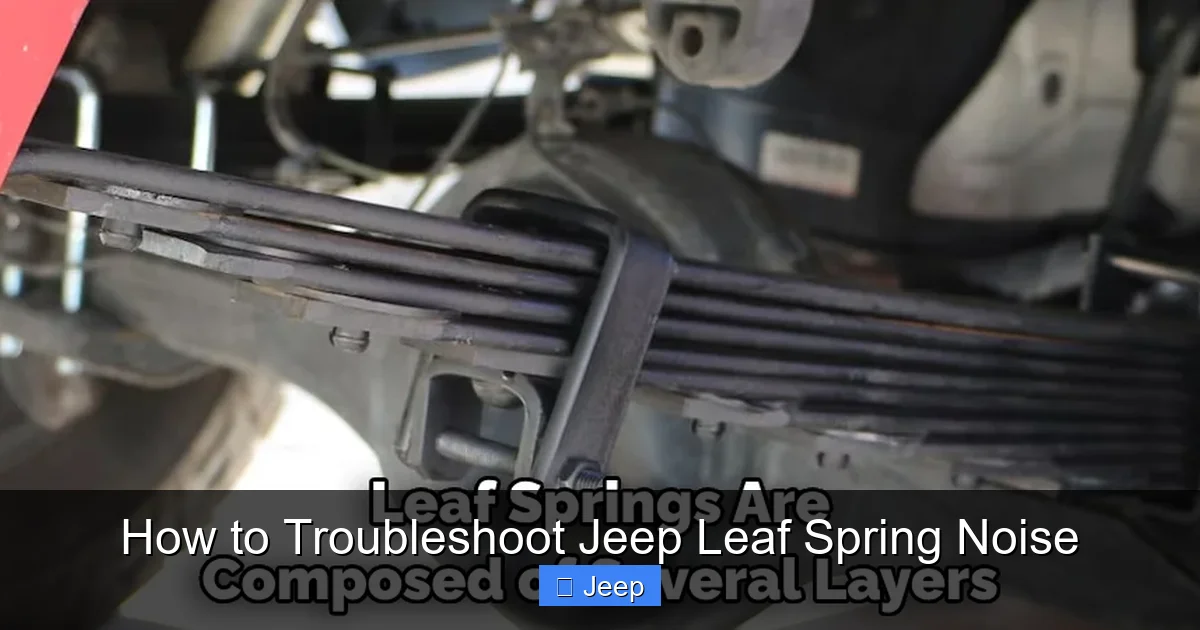
Leaf springs are stacks of curved metal strips, or “leaves,” bolted together. They sit between the axle and the frame. Their job is simple but important. They support the vehicle weight, locate the axle, and absorb shocks from rough terrain. Jeeps use leaf springs on the rear axle almost universally. Some models also use them on the front.
Visual guide about How to Troubleshoot Jeep Leaf Spring Noise
Image source: jeepfixes.com
Unlike modern cars that use coils and shocks, Jeeps rely on a simpler system. The leaves flex up and down over bumps. Multi-leaf springs have several layers, while mono-leaf springs use a single thick plate. Both types can develop noise over time. Understanding this system helps you appreciate why maintenance matters so much.
Why Jeep Leaf Spring Noise Is Not Normal
A healthy leaf spring should operate silently. You should never hear clunking, squeaking, or grinding from the rear suspension. If you do, something is wrong. Sometimes the noise signals a simple lubrication issue. Other times, it points to a broken component. Ignoring Jeep leaf spring noise can lead to uneven tire wear, poor handling, and even axle damage. It pays to investigate early.
Common Causes of Jeep Leaf Spring Noise
Worn or Dried-Out Bushings
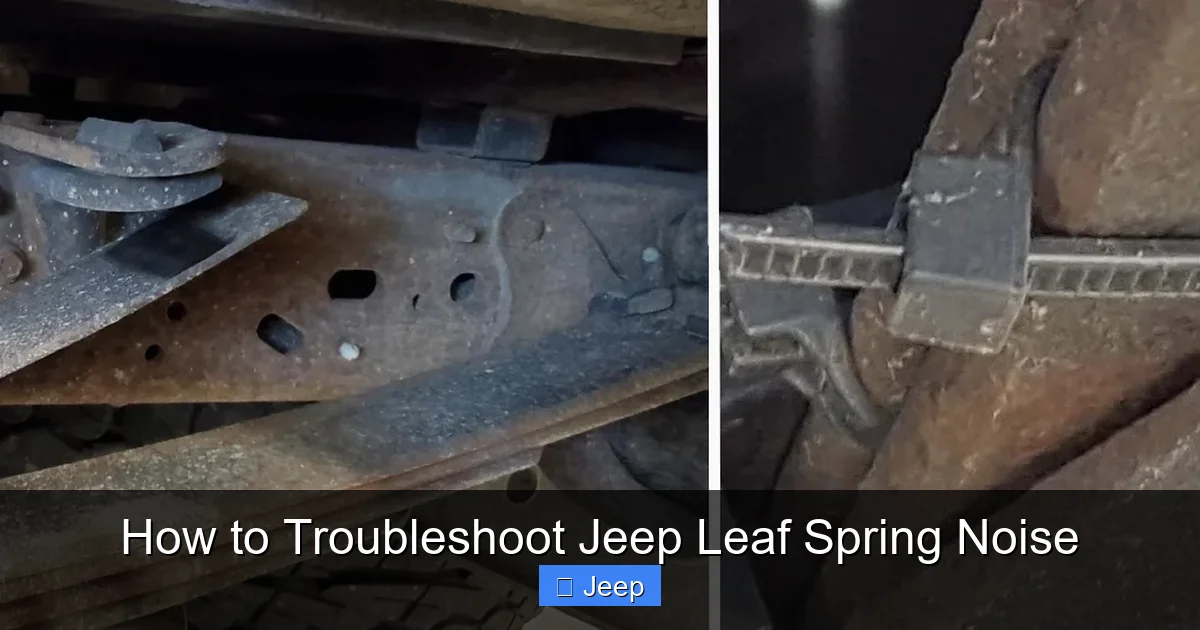
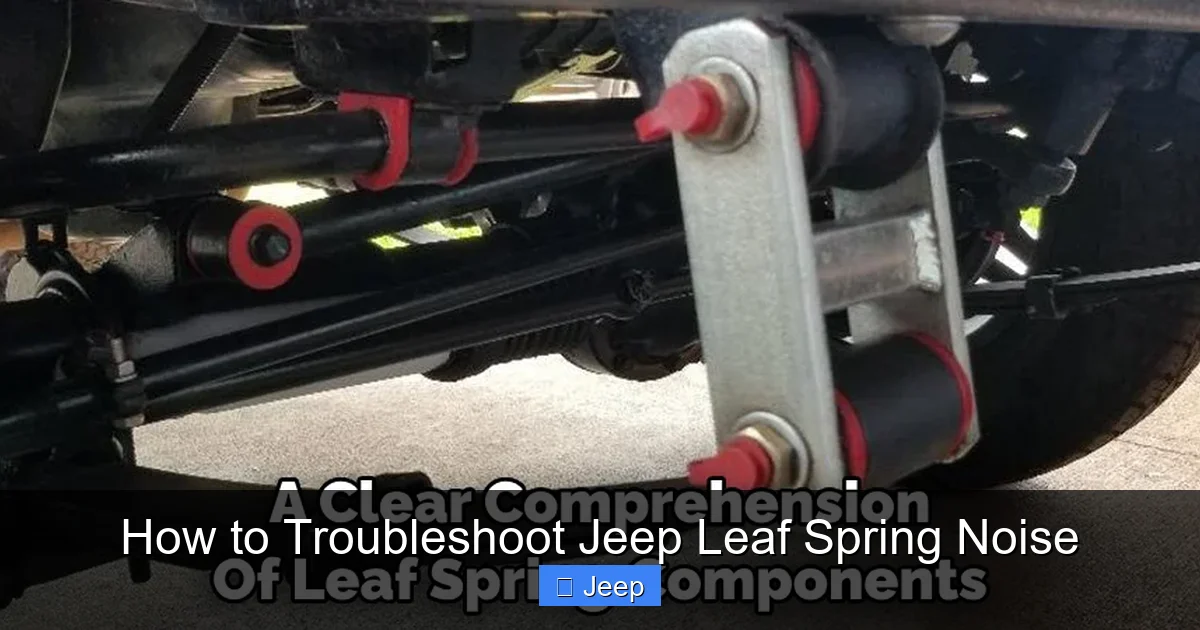
Bushings are rubber or polyurethane pads that sit between the leaf spring and the mounting brackets. They cushion movement and reduce friction. Over time, exposure to road grime, water, and heat dries them out. Cracked bushings allow the leaves to shift freely. This creates a clunking or squeaking sound, especially over bumps. Worn bushings are the single most common cause of Jeep leaf spring noise.
Visual guide about How to Troubleshoot Jeep Leaf Spring Noise
Image source: jeepfixes.com
You can check bushings visually. Look at the spring mounts from the side. If the rubber looks cracked, flattened, or missing, it needs replacement. A quick test is to grab the leaf spring and try to wiggle it. If you feel excessive play, the bushings are worn out.
Lack of Lubrication on Leaf Spring Pads
Leaf springs need grease between each leaf and at every contact point. Without lubrication, metal-on-metal contact causes squealing or chirping noises. This is especially noticeable during compression and rebound. Many owners forget to grease their springs during routine maintenance. A simple re-greasing session can eliminate the noise immediately.
Most leaf spring assemblies have grease fittings, also called zerks. Use a grease gun to pack each fitting until fresh grease pushes out. This is one of the easiest fixes for Jeep leaf spring noise and should be done every few months if you drive in dusty or wet conditions.
Broken or Cracked Leaves
A cracked leaf is a serious problem. When one of the metal strips fractures, it creates a sharp edge that catches on other leaves. You will hear a rhythmic clunking that matches your wheel rotation. Broken leaves can also cause the spring to sag on one side, changing your ride height and alignment.
Inspect your leaf springs regularly by looking along the length of each leaf. Rust, cracks, and visible breaks are easy to spot. If you find a cracked leaf, replace it as soon as possible. Driving on a broken leaf can damage other leaves, the axle, and the mounting hardware.
Loose or Corroded Bolts and Hardware
Leaf springs are held in place by U-bolts, shackles, and bracket bolts. When any of these loosen, the spring moves excessively and produces a clunking noise. Corrosion from road salt and moisture can also cause hardware to seize or fail. Loose bolts are a safety hazard because they can lead to spring detachment.
Check all leaf spring hardware during every inspection. Use a torque wrench to verify that bolts meet factory specifications. Replace any rusted or damaged hardware immediately. A little preventive care goes a long way in eliminating Jeep leaf spring noise.
Worn Spring Eyes and Rebound Pads
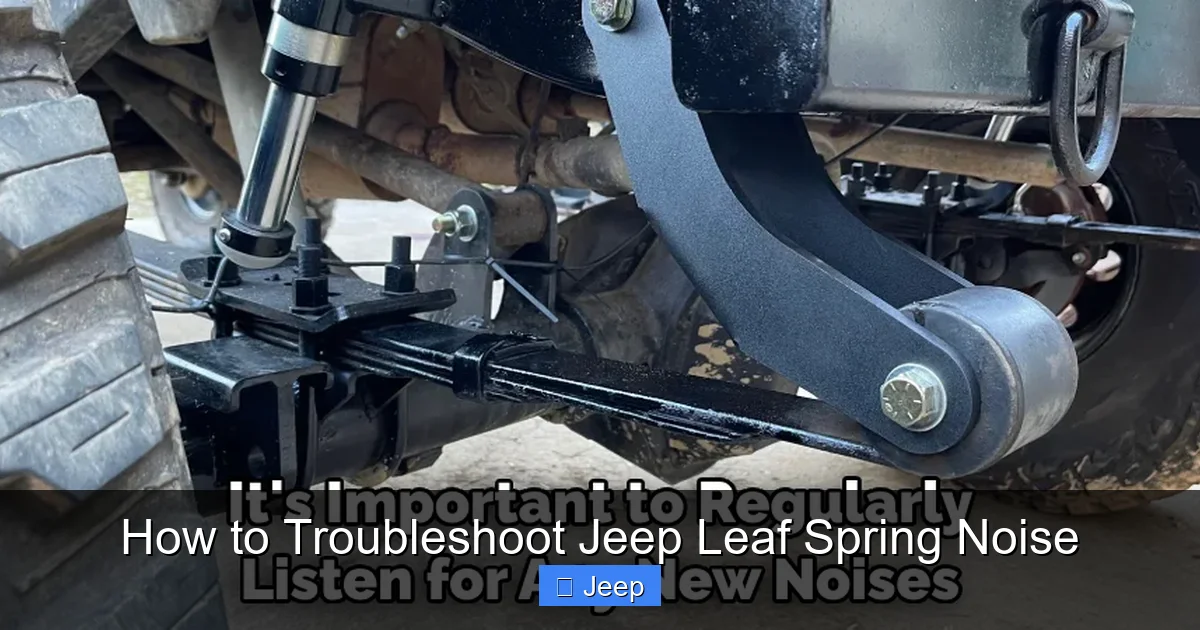
The eyes of a leaf spring are the rounded ends that pivot inside the brackets. Inside these eyes sit rebound pads, also called stop pads. These pads prevent the spring from over-extending. When they wear thin or fall out, the leaves bang against the bracket. This produces a loud clunking noise, especially when you hit a bump or release the throttle after braking.
Replacing rebound pads is inexpensive and straightforward. You can buy a rebuild kit that includes new pads, bushings, and hardware for under a hundred dollars. It is one of the best investments you can make for a noisy Jeep.
How to Diagnose Jeep Leaf Spring Noise
Listen to the Type of Noise
Different sounds point to different problems. A squeaking noise usually means dry bushings or lack of grease. A rhythmic clunking often signals worn eyes, broken leaves, or loose hardware. A grinding sound may indicate metal-on-metal contact from failed bushings. Pay attention to when the noise happens. Does it occur over bumps, during acceleration, or when braking? Each scenario narrows down the cause.
Visual guide about How to Troubleshoot Jeep Leaf Spring Noise
Image source: jeepfixes.com
Perform a Visual Inspection
Safety first. Lift your Jeep with a jack and secure it on jack stands. Then get under the rear and examine the leaf springs closely. Look for cracked leaves, dried-out bushings, missing hardware, and any signs of rust or corrosion. Check the shackle brackets and U-bolts. Take your time and look at every connection point. A thorough visual inspection solves most diagnostic mysteries.
Test Drive with a Helper
Ask a friend to follow you in another vehicle while you drive over a bumpy road. They can pinpoint the exact location of the noise. You can also do a simple test at home. With the Jeep parked on flat ground, push down firmly on the rear corner. Listen for clunking or grinding. Repeat on each corner. This helps isolate which side and which component is causing Jeep leaf spring noise.
DIY Fixes for Jeep Leaf Spring Noise
Greasing the Leaf Springs
Start with the simplest fix. Clean the leaf springs with a wire brush and degreaser. Remove old caked grease and dirt. Then locate every grease fitting on the spring assembly. Pump each fitting with a grease gun until you see fresh grease squeeze out from the seams. This takes about fifteen minutes and often eliminates squeaking immediately. Grease the springs every three months or after any off-road trip.
Replacing Worn Bushings
If greasing does not solve the noise, it is time to replace the bushings. You will need a basic set of wrenches, a bushing press or vice, and new bushings. Remove the leaf spring from the vehicle by unbolting the U-bolts and shackles. Press out the old bushings and install the new ones. Reassemble everything and torque the bolts to spec. This job takes about one to two hours per side. It restores smooth, silent operation and is well worth the effort.
Tightening and Replacing Hardware
Check every bolt, nut, and washer on the leaf spring assembly. Use a torque wrench to bring each fastener to factory specs. Replace any corroded or damaged hardware with fresh grade-rated parts. Do not reuse old bolts that show any sign of stretching or thread damage. Properly tightened hardware eliminates clunking and keeps your springs secure.
Installing New Rebound Pads
Rebound pad replacement is a popular fix for clunking Jeep leaf springs. Remove the spring eyes from the brackets. Pull out the old pads and clean the contact surfaces. Insert new pads, making sure they face the correct direction. Reassemble and test drive. The clunking should be completely gone. This repair costs very little and dramatically improves ride quality. Many owners also upgrade to polyurethane rebound pads for longer life.
When to See a Professional
Signs Your Problem Is Beyond DIY
Some situations call for a trained mechanic. If you find a cracked or broken leaf, do not attempt to weld it. A cracked leaf compromises the entire spring and must be replaced. Similarly, if the axle is shifting or you notice uneven tire wear, the problem may extend beyond the leaf springs themselves. A professional can inspect the full drivetrain and suspension system. This is especially important if you frequently use your Jeep for off-roading and have been switching from 2H to 4H Jeep Wrangler automatic mode regularly, as the added stress accelerates suspension wear in ways that need expert evaluation.
Cost Expectations for Professional Repairs
Professional leaf spring bushing replacement typically costs between two hundred and four hundred dollars per axle. A full leaf spring replacement can run five hundred to over a thousand dollars depending on the model. While not cheap, these repairs restore safety and comfort. Always get a detailed estimate before authorizing work. Ask the shop to show you the worn parts so you understand what failed and why.
Preventing Future Jeep Leaf Spring Noise
Regular Maintenance Schedule
Prevention is always better than repair. Set a schedule to inspect your leaf springs every three to six months. Grease all fittings during each visit. Check bushings for cracks and hardware for tightness. After any hard off-road use, do a quick inspection to catch damage early. Consistent care keeps your Jeep running quietly for years.
Protect Your Springs from Harsh Conditions
Road salt, mud, and standing water accelerate corrosion and bushing failure. After driving in harsh conditions, rinse your Jeep under the rear end with clean water. Apply a rust inhibitor to exposed metal surfaces. Consider upgrading to polyurethane bushings if you live in a wet or salty climate. These upgrades resist moisture far better than rubber and reduce Jeep leaf spring noise significantly.
Drive Smart on Rough Terrain
Off-roading is what Jeeps do best. But aggressive driving over rocks, ruts, and jumps puts enormous stress on leaf springs. Slow down before obstacles and avoid sudden impacts. This simple habit extends the life of your springs, bushings, and rebound pads dramatically. Your future self will thank you when your Jeep stays quiet and composed on every trail.
Conclusion
Jeep leaf spring noise is a common but fixable problem. Whether it is a simple grease job or a bushing replacement, addressing the issue early saves money and keeps you safe. Start by identifying the type of noise and performing a thorough visual inspection. Try the simplest fixes first, like greasing and tightening hardware. Move to bushing and rebound pad replacements if needed. Know when to call a professional for more serious damage. With regular maintenance and smart driving habits, you can enjoy a quiet, smooth ride every time you hit the road or trail. Do not let that mystery clunking go another day. Diagnose it, fix it, and get back to enjoying your Jeep the way it was meant to be driven.
Frequently Asked Questions
What does a bad leaf spring sound like?
A bad leaf spring typically produces a clunking, squeaking, or grinding noise, especially when driving over bumps or during compression and rebound. The sound often gets louder with speed and rough road conditions.
Can I drive with a broken leaf spring?
You should not drive with a broken leaf spring. It compromises vehicle handling, causes uneven tire wear, and can damage the axle or frame. A broken leaf is a safety hazard that needs immediate repair.
How often should I grease my leaf springs?
Greasing every three to six months is recommended for most drivers. If you frequently drive in dusty, wet, or off-road conditions, grease them every one to three months for best protection against noise and wear.
How much does it cost to replace leaf spring bushings?
Replacing leaf spring bushings typically costs between two hundred and four hundred dollars per axle at a shop. DIY kits are available for under a hundred dollars and the job takes about one to two hours for most home mechanics.
Can leaf spring noise affect my gas mileage?
Yes, excessive suspension noise often indicates friction or misalignment that can increase rolling resistance. Fixing the underlying issue restores proper suspension geometry and can improve fuel efficiency slightly.
Are polyurethane bushings better than rubber for leaf springs?
Polyurethane bushings last longer and resist moisture, heat, and road grime better than rubber. They also reduce Jeep leaf spring noise more effectively over time, though they can transmit slightly more road feel into the cabin.