How to Properly Break in New Jeep Clutch
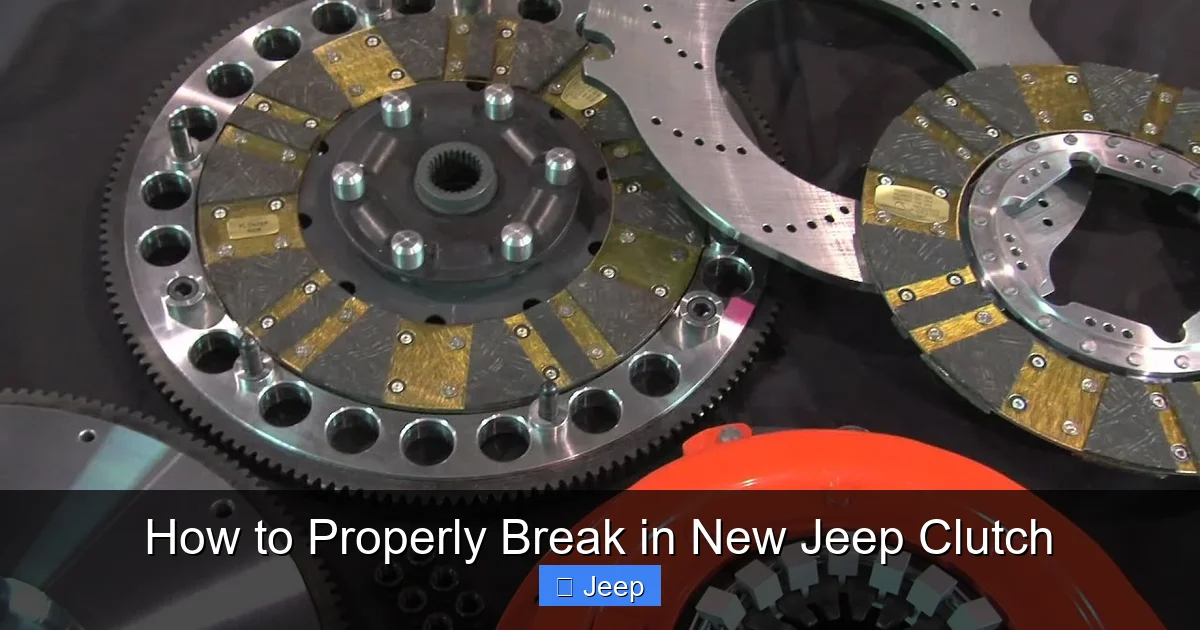
Breaking in a new Jeep clutch correctly is essential for performance and longevity. This guide covers the critical first 500 miles, proper driving techniques, and common mistakes to avoid. Follow these steps to ensure smooth engagement and prevent premature wear.
So you just installed a fresh clutch in your Jeep. Maybe it’s a Wrangler, a Gladiator, or an older Cherokee. Whatever the model, that new clutch kit needs a proper break-in period before you treat it like the trail beast it is. Skipping this step is one of the fastest ways to ruin a brand-new clutch. I’ve seen too many friends burn up a fresh disc in the first weekend because they didn’t have the patience to let things seat. Let’s walk through exactly how to do it right so your clutch lasts for years.
The break-in process isn’t complicated, but it does require discipline. You’re essentially allowing the friction material on the clutch disc to transfer a thin, even layer onto the flywheel and pressure plate surfaces. This mating process creates the consistent grip you need. If you shock the system with hard launches or excessive heat before that layer forms, you’ll glaze the surfaces or create hot spots. That leads to chatter, slip, and a very expensive redo. Think of it like bedding new brake pads, but for your driveline.
Key Takeaways
- Break-in period is 500 miles: Drive gently for the first 500 miles to allow the clutch disc and flywheel to mate properly.
- Avoid high RPM launches: Do not dump the clutch or rev the engine high during engagement in the break-in period.
- Use smooth, deliberate shifts: Engage the clutch fully and release it slowly to build even friction material transfer.
- No towing or heavy loads: Avoid putting excessive torque through the clutch until the break-in is complete.
- Watch for warning signs: Burning smells, slipping, or chatter indicate a problem that needs immediate attention.
- City driving helps: Frequent stop-and-go traffic provides ideal break-in cycles for the clutch surfaces.
- Long-term care matters: After break-in, maintain good habits like not riding the clutch pedal to maximize lifespan.
📑 Table of Contents
Why Breaking In Your Jeep Clutch Matters
The Science of Surface Mating
New clutch components have microscopic peaks and valleys on their surfaces. The friction material on the disc is also fresh and slightly uneven. During the first few hundred miles, these surfaces wear against each other to create a uniform contact patch. This process generates heat. Controlled heat is good; it helps the resins in the friction material cure and bond. Uncontrolled heat from abusive driving burns the resins and glazes the metal. Once glazed, the clutch will never grab the same way again.
Protecting Your Investment
A quality Jeep clutch kit isn’t cheap. Between the disc, pressure plate, throwout bearing, pilot bearing, and possibly a flywheel resurface or replacement, you’re looking at several hundred dollars in parts alone. Labor adds even more if you paid a shop. Spending 500 miles driving like a grandma is a tiny price to pay for protecting that investment. A properly broken-in clutch will give you clean engagement, smooth shifts, and the holding power you need for crawling rocks or merging onto highways.
The First 500 Miles: The Critical Period
Mileage Benchmarks
Most manufacturers and performance clutch makers agree on a 500-mile break-in window. Some organic discs might feel ready sooner, but 500 is the safe standard. For the first 200 miles, be extra gentle. From 200 to 500, you can gradually increase throttle input and release speed, but still avoid full-throttle shifts or dumping the pedal. After 500 miles of mixed driving, you’re generally good to go. If your driving is mostly highway, you might want to extend it a bit since you’re not cycling the clutch as often.
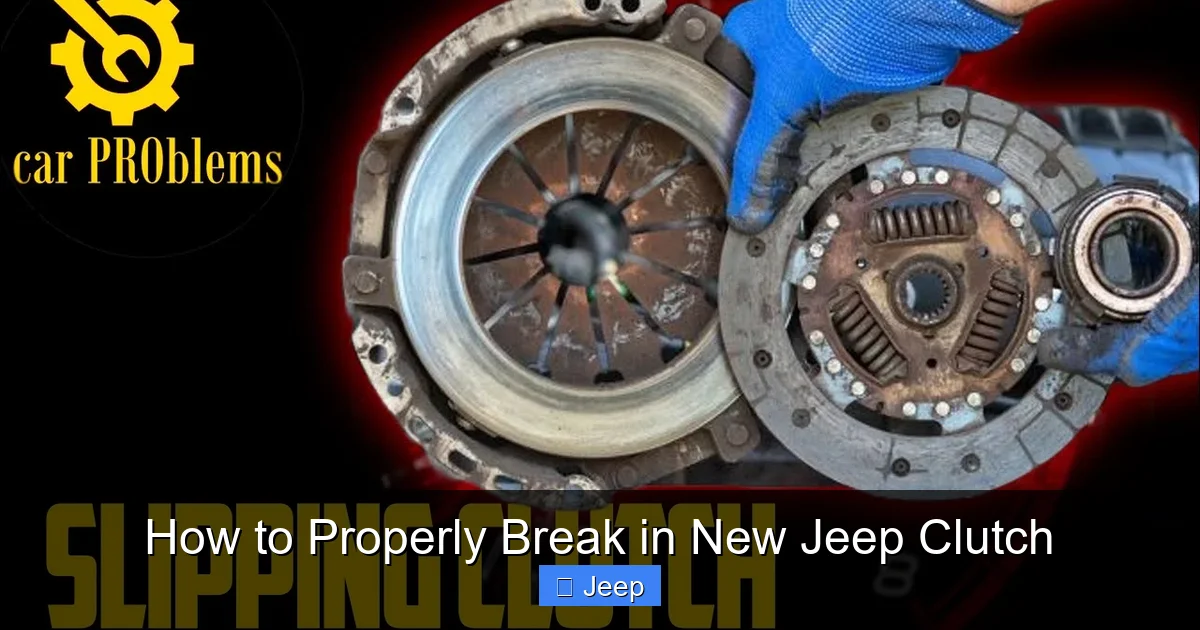
Visual guide about How to Properly Break in New Jeep Clutch
Image source: i.ytimg.com
Ideal Driving Conditions
Stop-and-go city traffic is actually perfect for break-in. You get lots of engagement cycles at low speeds and low torque loads. Each smooth start from a stop helps build that even transfer layer. Highway driving doesn’t hurt, but it doesn’t help much either because the clutch stays locked up. Try to mix in some local roads during the first week. If you live in a rural area, just make a point to practice smooth starts in a parking lot or quiet street a few times a day.
Dos and Don’ts During Break-In
Do: Practice Smooth Engagement
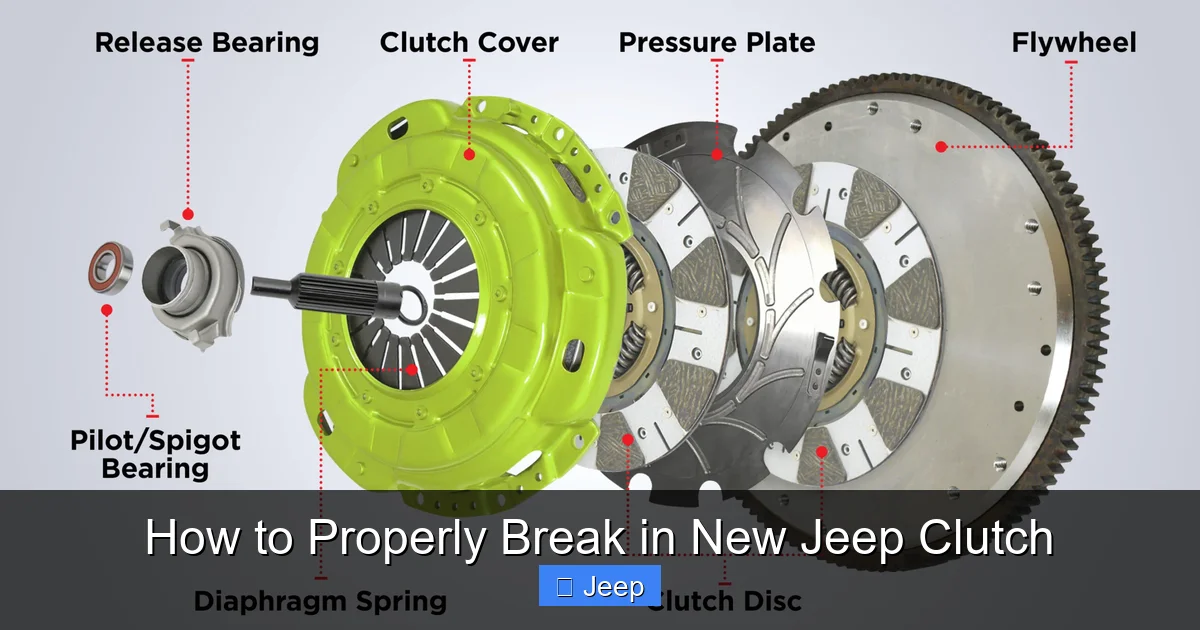
Focus on a slow, controlled release of the clutch pedal. Feel the friction point. Hold it there for a split second as the vehicle starts to move, then continue releasing fully. This ensures full surface contact without shock loading. Match your revs on downshifts. Blip the throttle to match engine speed to transmission speed before letting the clutch out. This prevents the disc from acting like a brake and overheating.
Visual guide about How to Properly Break in New Jeep Clutch
Image source: aokmechanic.com.au
Do: Vary Engine Speed and Load
Don’t just cruise at one RPM. Accelerate gently through the gears, using different throttle positions. This varies the clamping force and heat cycles, promoting even wear. Light acceleration in 2nd, 3rd, and 4th gear at moderate RPMs (2000-3000) is excellent. It loads the clutch enough to generate heat but not enough to cause slip.
Don’t: Launch Hard or Dump the Clutch
This is the number one killer of new clutches. No holeshots, no clutch drops, no power shifting. Side-stepping the pedal sends a massive shockwave through the drivetrain. The friction material can’t handle that shear force before it’s seated. You’ll either shatter the friction material segments or instantly glaze the flywheel. Either way, you’re buying another kit.
Don’t: Ride the Clutch Pedal
Resting your foot on the pedal keeps the throwout bearing pressed against the pressure plate fingers. This creates partial engagement. The disc slips continuously, generating massive heat without moving the vehicle. That heat destroys the friction material and can warp the pressure plate. Keep your foot off the pedal unless you are actively shifting or starting from a stop.
Don’t: Tow or Haul Heavy Loads
If you have a trailer, leave it parked for the first 500 miles. The extra torque required to move a load multiplies the clamping force needed. A new clutch doesn’t have the full coefficient of friction yet. It will slip under that load, and slip equals heat death. The same goes for heavily loaded bed or roof cargo. Keep it light.
Signs Your Clutch Is Breaking In Correctly
Progressive Improvement in Feel
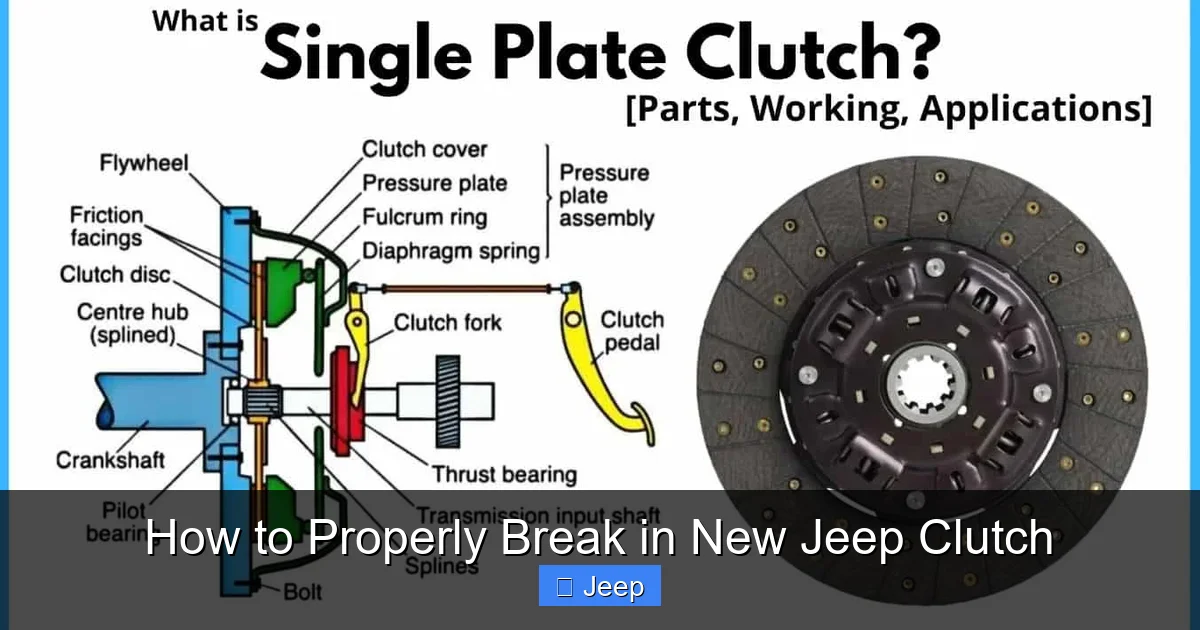
You should notice the engagement point becoming more consistent and the pedal effort smoothing out over the first few hundred miles. A brand-new clutch can sometimes feel grabby or vague at first. As the surfaces mate, that goes away. Shifts should become crisper. If the feel gets worse—mushy, chattery, or the engagement point moves wildly—something is wrong.
Visual guide about How to Properly Break in New Jeep Clutch
Image source: theengineerspost.com
No Unusual Smells or Noises
A slight “new clutch smell” during the first few hot cycles is normal. It’s the resins curing. It should smell like warm brakes or a faint organic odor, and it should dissipate after a few minutes of cooling. A strong, acrid burning smell (like burnt toast or cat pee) means you are overheating the disc. Stop immediately and let it cool completely. Chatter (a vibration/shudder when releasing the pedal) that doesn’t go away after a few smooth cycles indicates uneven mating or a warped flywheel.
Zero Slippage Under Load
Once you’re past the 200-mile mark, test gently. Accelerate uphill in a high gear (4th or 5th) at low RPM. If the RPM rises without a corresponding speed increase, the clutch is slipping. That means the surfaces haven’t mated or you’ve glazed them. Back off the throttle immediately. Continued slipping will ruin the disc in minutes.
Common Mistakes to Avoid
Mistake 1: “It Feels Fine, I’ll Just Drive Normal”
This is the classic trap. The clutch might feel great after 50 miles. The engagement is crisp, shifts are clean. You get confident. Then you do one hard pull onto the freeway or a quick launch at a light. That one moment of excess torque or shock can undo all the previous gentle miles. The internal structure of the friction material hasn’t fully stabilized. Stick to the full 500 miles no matter how good it feels.
Mistake 2: Ignoring the Flywheel Condition
Break-in assumes your flywheel was properly resurfaced or replaced. If you put a new disc on a glazed, scored, or warped flywheel, it will never break in correctly. The disc will just conform to the imperfections. You’ll get chatter, hot spots, and premature wear. Always verify flywheel specs before installation. If you didn’t do the install yourself, ask the shop for the flywheel report.
Mistake 3: Adjusting the Pedal Free Play Incorrectly
Too much free play means the clutch doesn’t fully disengage. You’ll grind gears and drag the disc. Too little free play (or zero free play) means the clutch never fully engages. The release bearing rides on the fingers constantly, causing the partial engagement slip we talked about. Check your service manual for the exact free play spec and check it after the first 100 miles as things settle.
Mistake 4: Using the Wrong Fluid or Contaminated Fluid
Hydraulic clutch systems need clean, correct fluid (usually DOT 3 or DOT 4 brake fluid). Old fluid absorbs water, lowering its boiling point. During break-in, the system sees more heat cycles. Boiled fluid creates vapor lock, giving you a soft pedal and incomplete disengagement. Flush the system before installing the new clutch. It’s cheap insurance.
Long-Term Clutch Care After Break-In
Daily Driving Habits for Longevity
Once you pass the 500-mile mark, the clutch is technically broken in. But how you drive every day determines if it lasts 50,000 miles or 150,000. The golden rule remains: minimize slip time. Engage quickly but smoothly. Don’t feather the clutch to hold the Jeep on a hill; use the brake or parking brake. Don’t ride the pedal in traffic; put it in neutral and let the clutch out fully. These habits reduce heat cycles and wear on the throwout bearing.
Off-Road Considerations
Jeeps see unique stresses off-road. Rock crawling often requires precise, slow clutch modulation at low speeds. This is high-slip territory. If you crawl frequently, consider a clutch kit designed for that duty cycle (often a ceramic or dual-friction disc). They handle heat better but may chatter more on the street. For general trail riding, a quality organic disc is fine if you use low range and let the torque converter… wait, manuals don’t have torque converters. Use low range and first gear to multiply torque so you don’t have to slip the clutch as much.
When to Inspect
Pay attention to changes. If the pedal feel changes, engagement point moves higher, or you hear new noises (chirping when pedal is pressed = throwout bearing; growling in neutral with pedal out = transmission input shaft bearing), investigate early. Catching a failing throwout bearing before it chews up the pressure plate fingers saves huge money. Also, if you ever smell clutch after a tough trail day, let it cool completely before continuing. Heat soak can warp components even after break-in.
Breaking in a new Jeep clutch is really about patience and mechanical sympathy. Treat those first 500 miles like a first date—gentle, attentive, and no sudden moves. The reward is a clutch that hooks up hard, shifts clean, and ignores the abuse of daily driving and weekend wheeling for years to come. Now get out there and enjoy that fresh pedal feel, responsibly.
Frequently Asked Questions
How long does it take to break in a new Jeep clutch?
The standard break-in period is 500 miles of mixed driving. City driving with frequent stops accelerates the process because it provides more engagement cycles. Highway miles count less since the clutch remains locked.
Can I drive normally after 100 miles if the clutch feels good?
No. Even if the clutch feels perfect early on, the friction material hasn’t fully cured and mated internally. Wait the full 500 miles before aggressive driving, towing, or high-RPM launches to avoid glazing or damaging the disc.
What happens if I don’t break in my new clutch properly?
Improper break-in leads to glazed friction surfaces, uneven wear, chatter, and slipping. This drastically reduces clutch life and often requires complete replacement to fix. It can also damage the flywheel and pressure plate.
Is it normal to smell the clutch during break-in?
A faint odor during the first few hot cycles is normal as resins cure. It should smell like warm brakes and disappear quickly. A strong, acrid burning smell means you are overheating the clutch. Stop and let it cool immediately.
Should I change the transmission fluid when I replace the clutch?
Yes, it’s highly recommended. Fresh fluid ensures smooth shifts and protects synchros. Old fluid may contain metal particles from the old clutch wear. It’s cheap insurance while the transmission is accessible.
Can I break in a new clutch by just driving on the highway?
Highway driving alone is not effective for break-in because the clutch stays fully engaged and doesn’t cycle. You need repeated engagement/disengagement cycles (starts and stops) to build the transfer layer. Mix in city streets or parking lot practice.