How to Turn on Rear Windshield Wiper Jeep Wrangler
Knowing how to turn on rear windshield wiper Jeep Wrangler is essential for safe driving in rain, snow, or mud. This guide walks you through every step with simple instructions for all model years. We also cover common problems and maintenance tips to keep your rear wiper working perfectly.
Key Takeaways
- Point 1: The rear windshield wiper on a Jeep Wrangler is typically activated through the turn signal stalk or a dedicated button on the dashboard.
- Point 2: Different Jeep Wrangler model years (JL, JK, TJ) may have slightly different controls for the rear wiper system.
- Point 3: Regular maintenance of your rear wiper blade and fluid system prevents streaking and ensures clear rear visibility.
- Point 3: If your rear wiper stops working, check the fuse, wiper fluid level, and blade condition before visiting a mechanic.
- Point 5: Using quality Rain X or similar treatments on your rear glass can improve wiper performance significantly.
- Point 6: Understanding your specific Wrangler’s dashboard controls eliminates confusion and keeps you safe on the road.
📑 Table of Contents
- Why Your Rear Windshield Wiper Matters on a Jeep Wrangler
- Understanding the Rear Wiper System on Your Jeep Wrangler
- How to Turn On the Rear Windshield Wiper on Jeep Wrangler
- Using Rear Wiper Fluid for Better Visibility
- Common Problems With the Rear Windshield Wiper
- Maintaining Your Rear Wiper for Long Life
- Advanced Tips for Off-Road Wrangler Owners
- Frequently Asked Questions About Rear Wipers on Jeep Wranglers
- Final Thoughts on Your Jeep Wrangler Rear Windshield Wiper
Why Your Rear Windshield Wiper Matters on a Jeep Wrangler
If you own a Jeep Wrangler, you already know this vehicle is built for adventure. You take it off-roading through muddy trails. You drive it through rain and snow. You even use it to haul gear to the mountains. But there is one feature that often gets overlooked until you really need it. That feature is the rear windshield wiper.
Many new Wrangler owners do not even realize their vehicle has a rear wiper. Others know it exists but have no idea how to turn it on. If you have found yourself searching for how to turn on rear windshield wiper Jeep Wrangler, you are in the right place. This guide will walk you through everything you need to know. We will cover the controls, different model years, troubleshooting tips, and maintenance advice. By the end, you will be confident using this important feature every time you drive.
Understanding the Rear Wiper System on Your Jeep Wrangler
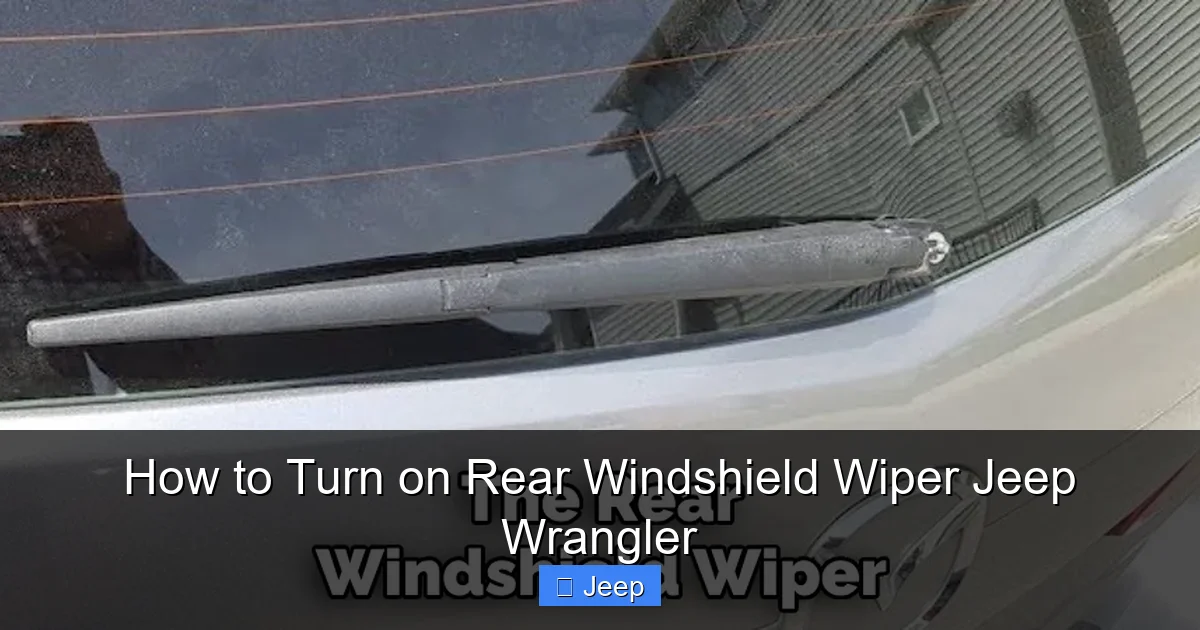
Before we jump into the step-by-step instructions, let us take a moment to understand what you are working with. The Jeep Wrangler comes equipped with a rear-mounted windshield wiper. It is designed to keep your rear window clear during inclement weather. Unlike the front wipers, the rear wiper operates on a single pivot point. It sweeps across the back glass in a side-to-side motion.
Visual guide about How to Turn on Rear Windshield Wiper Jeep Wrangler
Image source: i.ytimg.com
What Controls the Rear Wiper?
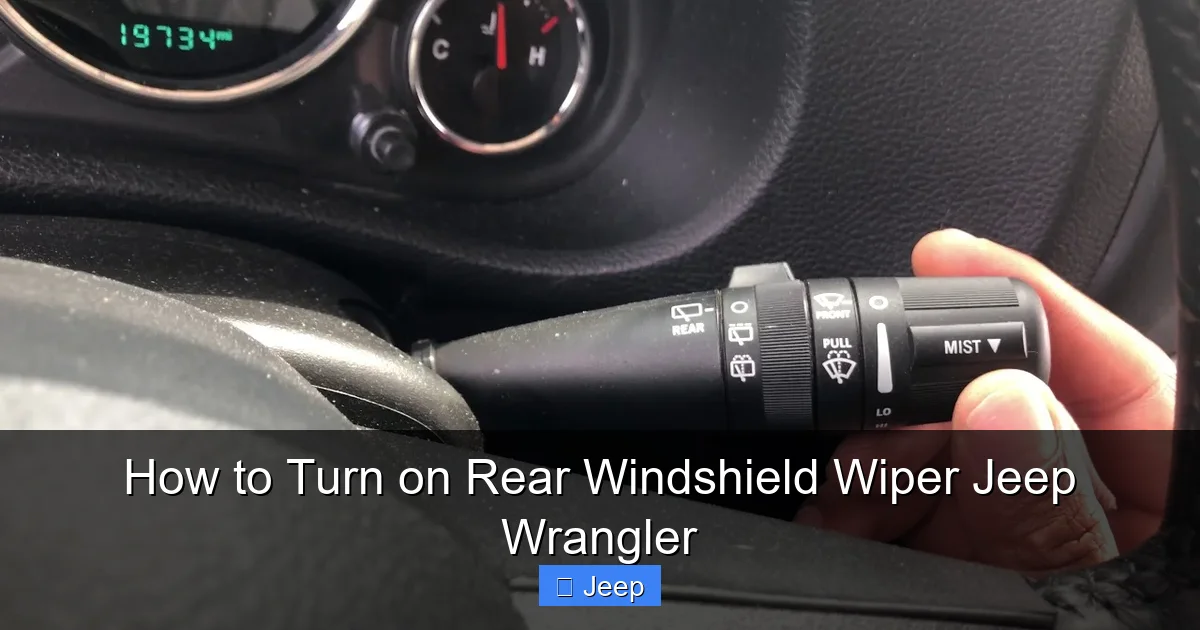
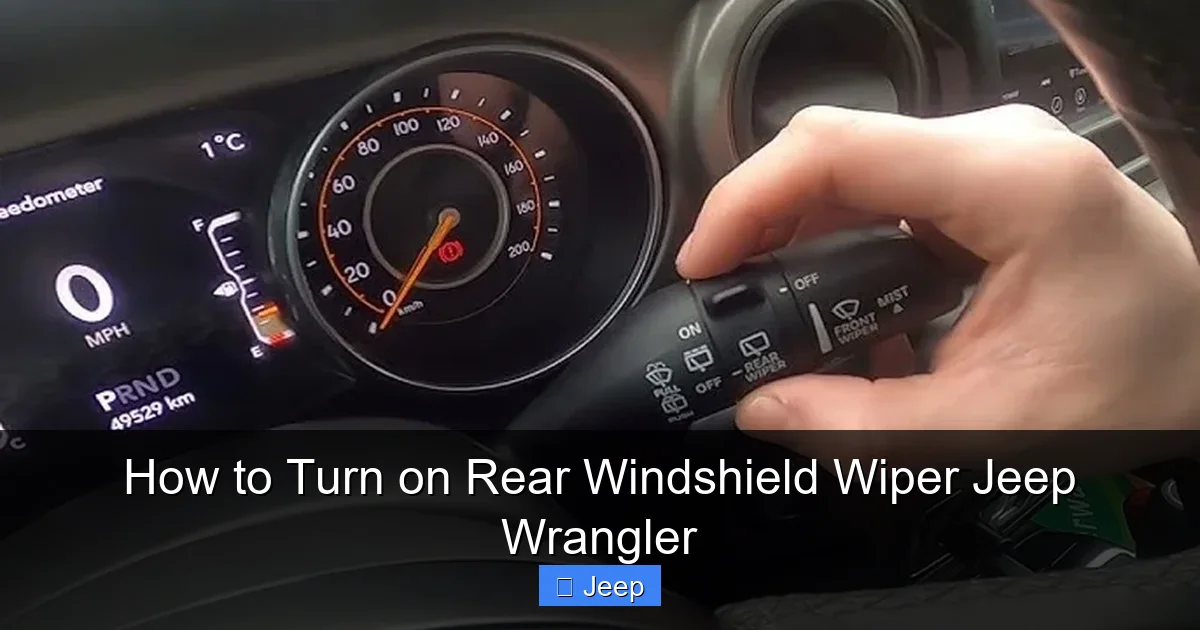
On most Jeep Wrangler models, the rear wiper is controlled by the same turn signal stalk on the steering column. You will find a small lever on the right side of the steering wheel. This lever also controls your turn signals and headlights. The rear wiper function is built into this stalk. You simply pull or push it to activate the rear wiper mode.
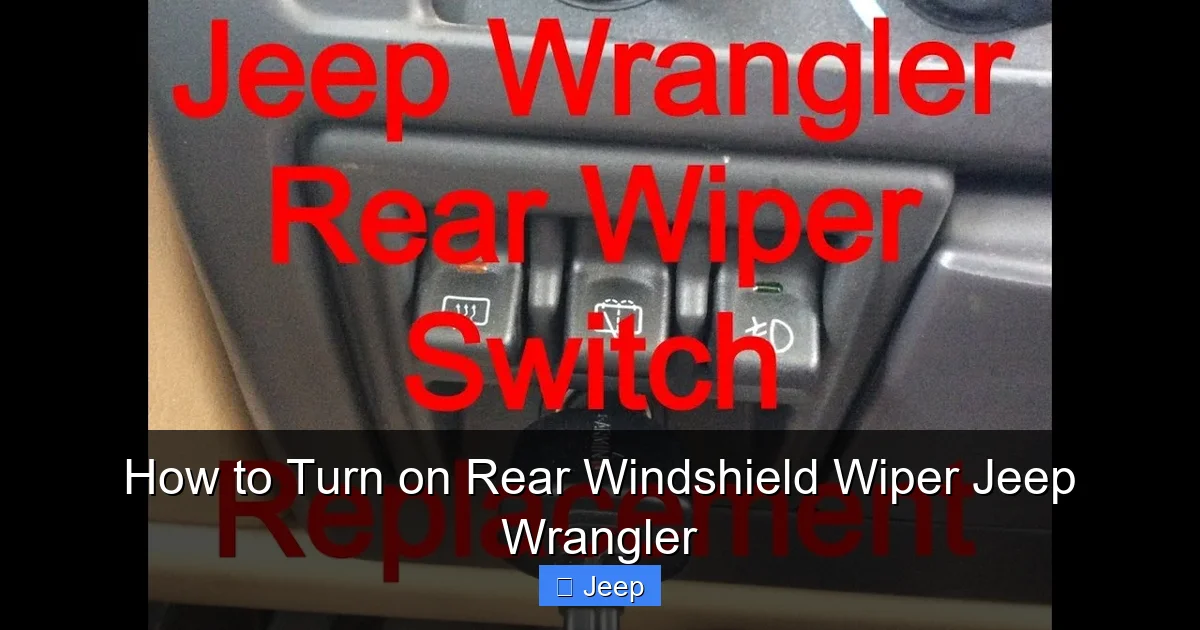
Some newer Wrangler models, especially the JL generation (2018 and newer), may also have dashboard-mounted controls. These can include buttons near the infotainment screen. Always check your owner’s manual if you are unsure where the control is located. The location can vary depending on your specific trim level and model year.
How to Turn On the Rear Windshield Wiper on Jeep Wrangler
Now let us get to the main event. Here is how to turn on rear windshield wiper Jeep Wrangler, broken down into simple steps. These instructions apply to most Wrangler models, including JK and JL generations.
Visual guide about How to Turn on Rear Windshield Wiper Jeep Wrangler
Image source: jeepfixes.com
Step-by-Step Instructions
First, make sure your Wrangler is in the ON position. The engine does not need to be running, but the electrical system must be powered. You can do this with the ignition in accessory mode or with the engine started.
Locate the turn signal stalk on the right side of your steering column. This is the same lever you use to signal turns. You will see it has multiple positions.
To activate the rear wiper, gently pull the stalk toward you. On most models, pulling the stalk toward the driver activates the rear wiper in intermittent mode. This means it will wipe every few seconds. It is perfect for light rain or mist.
If you want continuous wiping, push the stalk down or forward depending on your model. Some Wranglers require you to push the stalk away from you for continuous mode. The wiper will then sweep across the rear glass constantly until you turn it off.
To deactivate the rear wiper, simply return the stalk to its neutral center position. The wiper will stop and retract to its resting position.
Tips for Different Model Years
The controls can differ slightly between Wrangler generations. On the TJ model (1997 to 2006), the rear wiper control is straightforward. It uses the same stalk mechanism described above. The JK model (2007 to 2018) follows a similar pattern. However, some JK models have an additional rear wiper fluid button on the dashboard.
The JL model (2018 to present) introduced a more modern interior. Some JL Wranglers use touch controls on the Uconnect screen for certain functions. If your JL model has a rear wiper button on the screen, you can activate it there. However, most JL models still retain the physical stalk control. If you are ever uncertain, consult your owner’s manual for your specific year and trim.
Using Rear Wiper Fluid for Better Visibility
Sometimes wiping alone is not enough. You need fluid to cut through dirt, bugs, and grime on the rear glass. Most Jeep Wranglers have a dedicated rear windshield washer fluid system. This system works just like your front wiper fluid but sprays onto the rear window.
Visual guide about How to Turn on Rear Windshield Wiper Jeep Wrangler
Image source: jeepinside.com
How to Activate Rear Wiper Fluid
To spray rear wiper fluid, pull the turn signal stalk toward you and hold it. You will hear the pump activate and see fluid spray onto the rear glass. The wiper will typically activate at the same time. This helps spread the fluid evenly across the window. Release the stalk to stop the spray and let the wiper complete its cycle.
Make sure you are using the correct fluid. Standard windshield washer fluid works fine in most conditions. In freezing temperatures, use a winter-grade fluid to prevent the tank from cracking. You can also use Rain X treated fluid for extra beading and clarity. If you want to learn more about maintaining your wiper blades, check out our guide on how to put on Rain X wiper blades.
Refilling the Rear Wiper Fluid Tank
The rear wiper fluid tank is usually located under the rear hood area or near the rear wiper motor. Open your hood and look for a reservoir with a windshield wiper symbol. Fill it with fluid until it reaches the maximum line. Do not overfill it. If you have trouble finding the tank, your owner’s manual will show you exactly where it is.
Common Problems With the Rear Windshield Wiper
Even though the rear wiper on a Jeep Wrangler is fairly reliable, problems can happen. Here are some common issues and what you can do about them.
The Rear Wiper Does Not Turn On
If you pull the stalk and nothing happens, do not panic. Start by checking the fuse. Your Wrangler has a fuse box under the hood and another behind the dashboard. Look for the fuse labeled for the rear wiper. If it is blown, replace it with a fuse of the same amperage. You can find the exact location in your owner’s manual.
Next, check your wiper fluid level. Some Wranglers will not activate the wiper if the fluid tank is empty. This is a safety feature to prevent dry wiping, which can damage the blade and glass. Refill the tank and try again.
If neither of those solves the problem, inspect the wiper blade. A worn or cracked blade can cause the motor to work harder and eventually fail. Replacing the blade is inexpensive and often fixes the issue. You can also adjust windshield wiper position to ensure the blade makes proper contact with the glass.
The Rear Wiper Leaves Streaks
Streaking is one of the most common rear wiper complaints. It usually means the blade is dirty or worn. Try cleaning the blade with a damp cloth and some rubbing alcohol. If cleaning does not help, it is time for a replacement blade. You can also apply a glass treatment like Rain X to the rear glass. This helps the blade glide more smoothly and reduces streaking significantly.
The Rear Wiper Makes a Chattering Noise
A chattering or squeaking noise usually points to a dirty or misaligned blade. Clean the blade and the rear glass thoroughly. If the noise persists, check the wiper arm tension. Sometimes the arm loses tension over time and does not press the blade firmly enough against the glass. You can adjust the arm by gently bending it back to increase pressure. Be careful not to bend it too much or you risk breaking it.how to reset windshield wiper fluid sensor helpful.
Maintaining Your Rear Wiper for Long Life
Regular maintenance keeps your rear wiper working smoothly for years. It also prevents costly repairs down the road. Here are some simple maintenance tips every Jeep Wrangler owner should follow.
Inspect the Blade Regularly
Check your rear wiper blade at least once a month. Look for cracks, tears, or hardened rubber. A damaged blade will not clean effectively and can scratch your rear glass. Replace the blade as soon as you notice any damage. Most rear wiper blades last between six and twelve months depending on usage and weather conditions.
Keep the Glass Clean
A dirty rear glass forces the wiper to work harder. It also causes streaks and smearing. Wipe down your rear window regularly with glass cleaner. This removes dirt, oils, and road grime that can build up over time. If you frequently drive off-road, clean the glass after every muddy adventure. A clean surface allows the wiper to perform at its best.
Protect the Blade When Not in Use
If you live in an area with extreme heat, consider lifting the wiper arm when the vehicle is parked for extended periods. This prevents the rubber blade from baking on the hot glass. In winter, you can use a cover to protect the blade from ice and frost. Taking these small steps can significantly extend the life of your rear wiper.
Replace Wiper Fluid Filters
Over time, the nozzle and filter for your rear wiper fluid can clog. If you notice weak or uneven spray, check the nozzle for blockages. Clean it with a pin or small wire. If the filter is clogged, replace it. These filters are inexpensive and easy to swap out. Keeping the fluid system clean ensures consistent performance every time you use it.
Advanced Tips for Off-Road Wrangler Owners
If you take your Jeep Wrangler off-road regularly, your rear wiper works harder than most. Mud, dust, and trail debris coat the rear glass quickly. Here are some advanced tips to help you deal with these conditions.
Upgrade to a Heavy-Duty Wiper Blade
Standard wiper blades are designed for normal driving. Off-roading exposes them to much more abuse. Consider upgrading to a heavy-duty or beam-style blade. These blades are more durable and maintain better contact with the glass during rough terrain. They also resist damage from flying debris better than conventional blades.
Install an Aftermarket Rear Wiper System
Some Wrangler owners who frequently tow trailers or roof racks find that the factory rear wiper does not cover the entire rear glass. In these cases, an aftermarket rear wiper system can be a great investment. These kits often include a longer blade and a more powerful motor. They provide better coverage and improved clearing performance. Just make sure any aftermarket parts you install are compatible with your specific Wrangler model.
Keep a Spare Blade in Your Vehicle
Off-roading can be tough on equipment. Carrying a spare rear wiper blade in your vehicle is a smart precaution. If the blade gets damaged on the trail, you can replace it quickly. This small item takes up almost no space and can save you from driving with a smeared rear window. Pair this with a quality glass cleaner and you are always ready for anything the trail throws at you.
Frequently Asked Questions About Rear Wipers on Jeep Wranglers
How do I know if my Jeep Wrangler has a rear windshield wiper?
Most Jeep Wrangler models come with a rear windshield wiper as standard equipment. You can check by looking at the back of your vehicle for a wiper arm on the rear glass. You can also consult your owner’s manual to confirm. Some base models or certain special edition Wranglers may not include this feature, so it is always good to verify before you need it.
Can I use the front wiper fluid to fill the rear wiper tank?
Yes, you can use the same windshield washer fluid for both the front and rear tanks. The fluid is the same product. However, make sure you do not confuse the two filler spots. The tanks are separate, so filling one will not affect the other. Always use the correct type of fluid for your climate, especially in winter months.
Why does my rear wiper stop working when it is very cold outside?
Cold weather can cause several issues with your rear wiper. The fluid may freeze in the tank or lines. The blade itself may become stiff and brittle in extreme cold. In some cases, the motor may struggle to turn over in low temperatures. To prevent this, use winter-grade wiper fluid and consider storing your Wrangler in a garage when possible. If the blade is frozen to the glass, do not force it. Let the vehicle warm up first.
Is it safe to drive with a broken rear windshield wiper?
It is not recommended. A broken rear wiper limits your visibility when reversing or driving in bad weather. This can be especially dangerous in rain or snow. If your rear wiper fails, have it repaired as soon as possible. In the meantime, drive carefully and use your mirrors and cameras if your Wrangler is equipped with them.
How often should I replace my rear wiper blade?
Most rear wiper blades should be replaced every six to twelve months. However, this depends on how often you use the wiper and what conditions you drive in. If you notice streaking, chattering, or visible damage, replace the blade immediately. Regular replacement keeps your rear window clear and protects the glass from scratches.
Does the rear wiper work when the vehicle is off?
On most Jeep Wrangler models, the rear wiper requires the electrical system to be powered. This means the ignition needs to be in the ON or accessory position. You cannot typically activate the wiper with the vehicle completely off. However, some models allow a brief activation window right after you turn off the ignition. Always refer to your owner’s manual for the specific behavior of your model year.
Final Thoughts on Your Jeep Wrangler Rear Windshield Wiper
Knowing how to turn on rear windshield wiper Jeep Wrangler is a small detail that makes a big difference. Whether you are driving through a sudden downpour or navigating a muddy trail, that rear wiper keeps you safe by maintaining clear visibility. It is one of those features you do not appreciate until it stops working. Now that you know how to use it, troubleshoot it, and maintain it, you can keep it running smoothly for years to come.
Remember to check your wiper blade regularly. Keep your fluid topped off and your glass clean. Do not ignore small problems like streaking or chattering. These are signs that something needs attention. With a little care and attention, your rear wiper will always be ready when you need it most. Stay safe out there and enjoy every mile in your Wrangler.
Frequently Asked Questions
What is How To Turn On Rear Windshield Wiper Jeep Wrangler?
How To Turn On Rear Windshield Wiper Jeep Wrangler is an important topic with many practical applications.