How to Troubleshoot Jeep Air Filter Problem
Jeep air filter problems can cause poor acceleration, rough idling, and reduced fuel economy. This guide walks you through common symptoms, diagnostic steps, and practical fixes to get your Jeep breathing properly again.
Your Jeep is built to tackle tough terrain, but even the toughest machines need clean air to run right. When the engine cannot breathe, everything suffers. You might notice sluggish acceleration, rough idling, or a sudden drop in fuel economy. These signs often point to a Jeep air filter problem that needs immediate attention.
Many owners overlook the air filter until serious damage occurs. Dirt and debris accumulate over time, restricting airflow to the engine. This creates a lean fuel mixture that can cause misfires and poor performance. The good news is that most air filter issues are easy to diagnose and fix at home. With the right approach, you can save money and keep your Jeep running strong for years to come.
In this guide, we will walk you through every step of troubleshooting Jeep air filter problems. You will learn how to spot warning signs, perform basic inspections, and determine when replacement is necessary. Whether you drive a Grand Cherokee, Wrangler, or Cherokee, these tips apply to most Jeep models. Let us get your engine breathing freely again.
Key Takeaways
- Recognize warning signs: Learn to spot reduced power, unusual engine sounds, and check engine lights that indicate air filter issues.
- Check your filter regularly: Inspect the air filter every 15,000 miles or during oil changes to catch problems early.
- Know the difference between types: Understand OEM versus aftermarket filters and when to upgrade for better performance.
- Follow proper installation: Ensure the filter seat is clean and the housing seals correctly to prevent unfiltered air entry.
- Address acceleration issues: A dirty filter restricts airflow, so fixing it often resolves sluggish throttle response.
- Seek professional help when needed: If troubleshooting does not solve the problem, consult a mechanic for deeper diagnostics.
📑 Table of Contents
Understanding Your Jeep Air Filter System
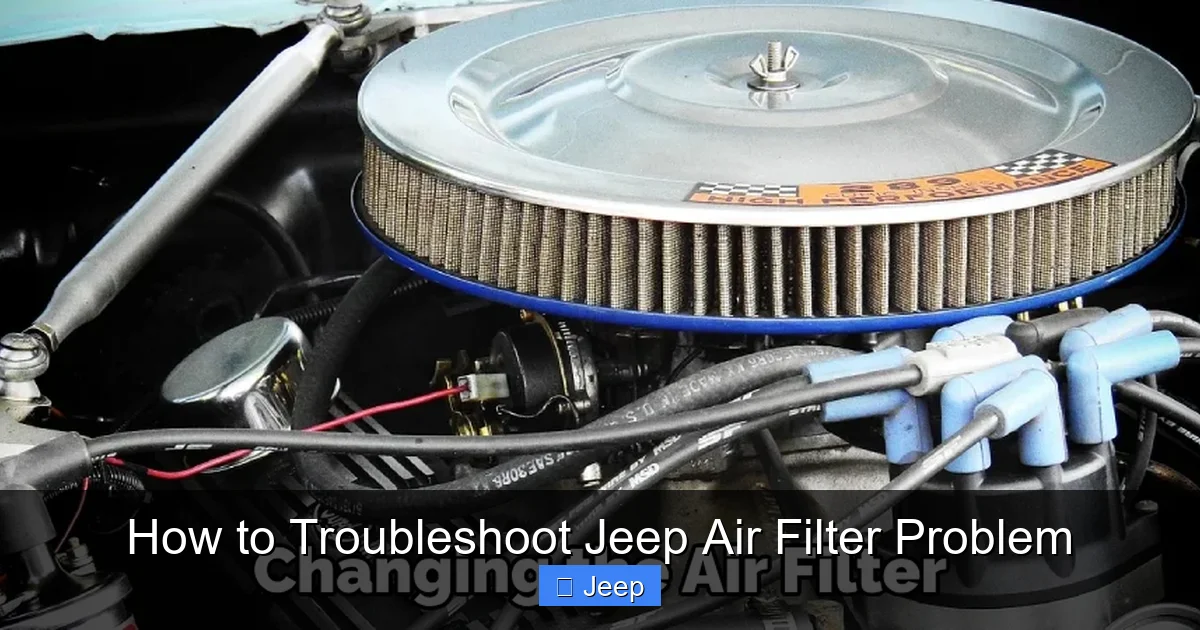
The air filter sits inside a sealed housing near the engine. Its job is simple but critical. It traps dust, pollen, and debris before they enter the combustion chamber. Without this protection, abrasive particles would scratch cylinder walls and damage pistons. Over time, the filter becomes clogged with trapped contaminants.
Air flow matters more than most drivers realize. The engine mixes fuel with air in precise ratios to create combustion. When the filter blocks airflow, the engine struggles to maintain this balance. You get incomplete burning, reduced power, and higher emissions. Modern Jeeps use mass air flow sensors to measure incoming air. A dirty filter throws off these readings and triggers error codes.
What Does the Air Filter Do?
Think of the air filter as your engine’s nose. Just like you cannot breathe well with a blocked nose, your Jeep cannot perform with a clogged filter. The filter material is usually paper or cotton gauze. Paper filters are disposable and cost effective. Cotton gauze filters can be washed and reused. Both types serve the same purpose but require different maintenance approaches.
Location varies by model. On most Jeeps, you will find the filter box near the front of the engine bay. It connects to the throttle body via a large intake tube. Some models have additional air reservoirs or resonators attached. Always consult your owner manual for the exact location before starting work.
Why Air Flow Matters for Performance
Restricted airflow forces the engine to work harder. The computer compensates by adding more fuel to maintain combustion. This rich mixture wastes gasoline and coats spark plugs with carbon buildup. You may notice black smoke from the exhaust or a rotten egg smell. These are clear signs that the engine is starving for oxygen.
Cold air intake systems improve flow by drawing cooler air from outside the engine bay. However, a cheap filter upgrade without proper tuning can cause problems. Always match your filter to the engine specifications. If you install a high flow filter, make sure the mass air sensor can handle the increased volume.
Common Symptoms of Jeep Air Filter Problems
Your Jeep will tell you when something is wrong. You just need to know what to listen for and look out for. Most symptoms develop gradually, so catch them early to avoid costly repairs.
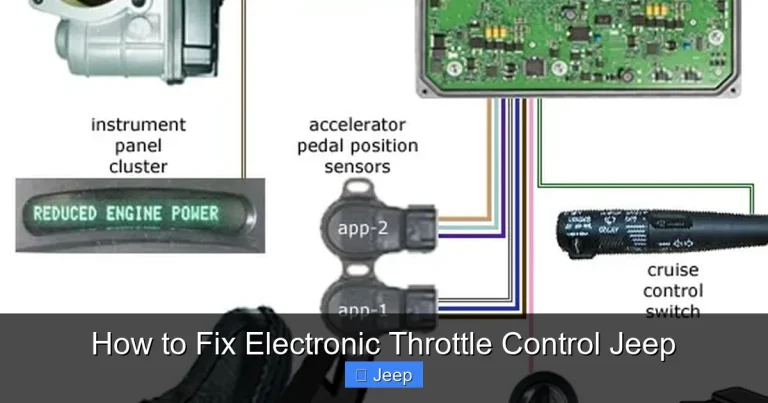
Visual guide about How to Troubleshoot Jeep Air Filter Problem
Image source: jeepfixes.com
Reduced Acceleration and Power Loss
When you press the gas pedal, do you feel hesitation? Does the engine lag before responding? These are classic signs of airflow restriction. The engine cannot burn fuel efficiently without enough oxygen. You might notice this most when climbing hills or towing a trailer.
A clogged filter creates a vacuum leak that confuses the engine computer. The system tries to compensate but cannot match the air fuel ratio perfectly. Result is sluggish throttle response and decreased horsepower. If you experience these issues, check the filter before replacing expensive sensors.
Unusual Engine Sounds and Misfires
A healthy engine runs smooth and quiet. When air flow is restricted, you may hear popping or spitting sounds from the exhaust. These occur when unburned fuel ignites in the exhaust manifold. Misfires happen when the combustion cycle fails due to insufficient air.
Rough idling is another common symptom. The engine shakes more than usual at stoplights. You might see the RPM needle fluctuating between 600 and 800. This instability indicates that the air fuel mixture is inconsistent. A visual inspection of the filter often reveals the culprit.
Check Engine Light Triggers
The check engine light comes on for many reasons. One frequent cause is a dirty air filter triggering oxygen sensor codes. The computer detects a lean condition and illuminates the warning light. Do not ignore this signal. Continuing to drive with a restricted filter can damage the catalytic converter.
Use an OBD2 scanner to read the specific codes. Codes P0171 and P0174 indicate lean bank conditions. These often point to intake issues including a clogged filter. Clear the codes after fixing the problem and see if they return.
Step-by-Step Troubleshooting Process
Follow this systematic approach to diagnose your Jeep air filter problem. Work in a well ventilated area and let the engine cool completely before starting. Gather your tools including a screwdriver, vacuum gauge, and clean rags.
Visual guide about How to Troubleshoot Jeep Air Filter Problem
Image source: jeepeasteregg.com
Visual Inspection Techniques
Open the air filter housing and remove the filter carefully. Hold it up to a bright light. You should see light passing through the filter material evenly. If the filter looks dark gray or black, it needs attention. White or chalky deposits indicate oil contamination from a faulty PCV valve.
Check the filter edges for gaps or tears. Even a small opening lets unfiltered air bypass the filtration system. Inspect the housing gasket for cracks or deformation. A damaged gasket creates leaks that mimic filter problems. Clean any debris from the housing before reinstalling the filter.
Testing Air Flow and Pressure
For a more precise diagnosis, use a vacuum gauge. Connect it to the intake manifold and start the engine. At idle, you should see 17 to 21 inches of mercury. Lower readings suggest a restriction in the intake system. Remove the air filter and retest. If the reading improves, the filter is definitely the problem.
You can also use a differential pressure gauge across the filter. This tool measures the pressure drop caused by a clogged filter. Compare your readings to manufacturer specifications. Excessive pressure drop means the filter requires immediate replacement.
Checking for Vacuum Leaks
Sometimes the problem is not the filter itself but the intake system. Spray carb cleaner around the intake manifold and hoses while the engine runs. If the RPM changes, you have a vacuum leak. This can cause similar symptoms to a dirty filter. Listen for hissing sounds that indicate air escaping from damaged hoses.
Check the throttle body for carbon buildup. Clean it with throttle body cleaner if necessary. Inspect the mass air flow sensor for dirt contamination. Use specialized MAF cleaner only. Never touch the delicate wires inside the sensor.
When to Replace Versus Clean
Not all filters need replacement. Some can be cleaned and reused depending on the type. Understanding the difference saves money and prevents engine damage.
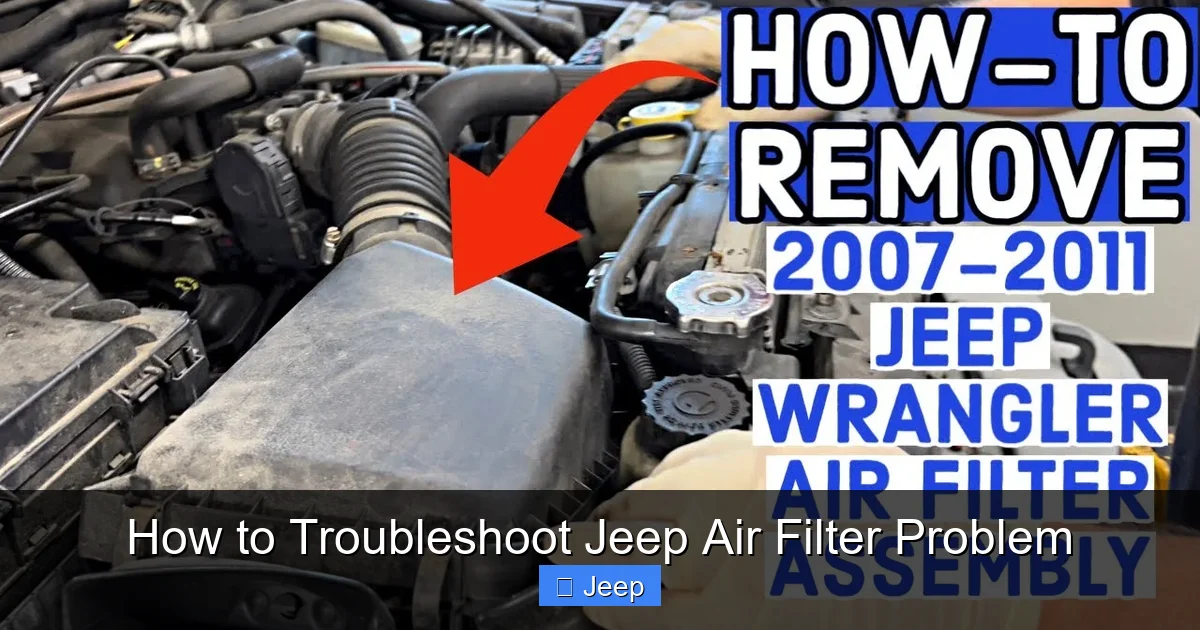
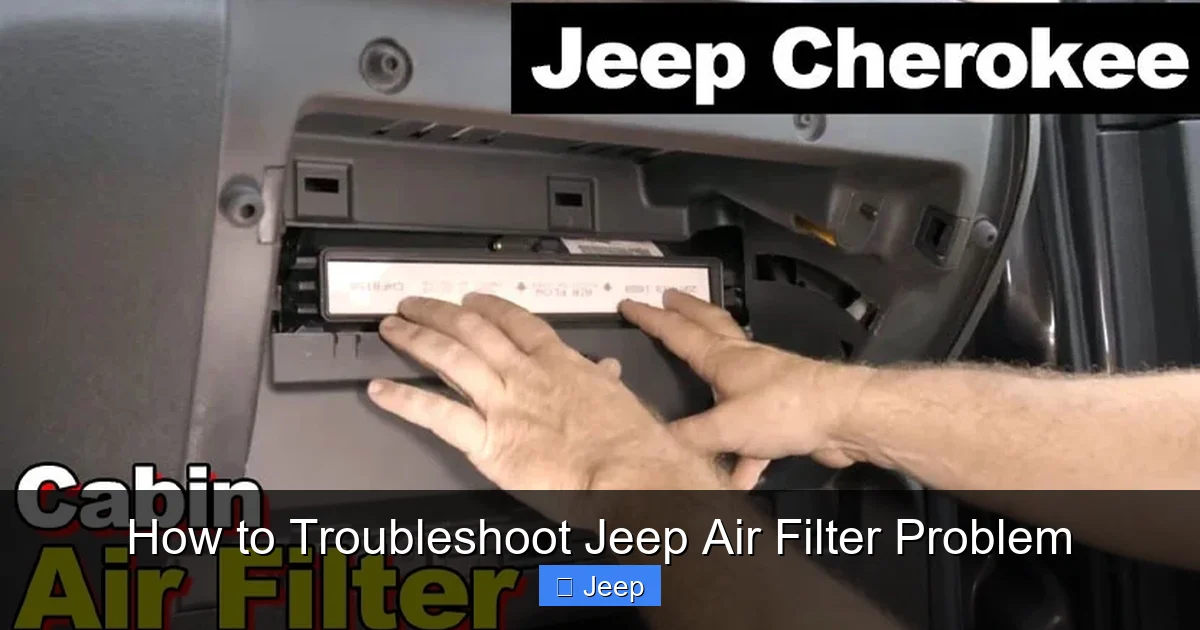
Visual guide about How to Troubleshoot Jeep Air Filter Problem
Image source: i.ytimg.com
Disposable Paper Filters
Most Jeeps come with disposable paper filters from the factory. These are affordable and effective at trapping particles. However, they cannot be cleaned once saturated. Attempting to blow out debris often pushes contaminants deeper into the media.
Replace paper filters every 15,000 to 30,000 miles. Driving in dusty conditions requires more frequent changes. Look for OEM filters or quality aftermarket brands. Cheap filters may use inferior media that tears easily. Always ensure the new filter matches the OEM dimensions exactly.
Reusable Cotton Gauze Options
Performance enthusiasts often prefer reusable cotton gauze filters. Brands like K&N offer filters that can be washed and re-oiled. These provide excellent airflow and trap smaller particles than paper. However, they require regular maintenance every 5,000 miles.
Cleaning involves soaking the filter in a special solution and rinsing thoroughly. After drying, you apply filter oil evenly across the media. Too much oil can contaminate the mass air flow sensor. Follow the manufacturer instructions carefully to avoid engine damage.
Preventive Maintenance Tips
Prevention is always better than cure. A few simple habits keep your air filter system in top condition. Regular maintenance extends engine life and improves fuel economy.
Setting a Replacement Schedule
Mark your calendar for filter inspections every 15,000 miles. Set phone reminders if you tend to forget. Keep spare filters in the garage so you never run out. Many owners combine filter changes with oil services for convenience.
Track your driving conditions. If you frequently drive on dirt roads or in construction zones, increase inspection frequency. City driving with lots of dust also warrants closer monitoring. Adjust your schedule based on actual conditions rather than mileage alone.
Protecting the Filter from Debris
When working on your Jeep, cover the intake opening with a clean cloth. This prevents tools or debris from falling into the throttle body. Avoid high pressure air cleaning near the filter housing. Forceful air can damage the filter media or push dirt past the seals.
Check the air intake tube for cracks or loose clamps. A broken tube allows unfiltered air to enter the engine. Replace damaged tubes immediately to protect the new filter. Also inspect the breather hose for blockages that create positive pressure in the crankcase.
Related Jeep Performance Issues
Air filter problems rarely exist in isolation. They often connect to other systems in your Jeep. Understanding these relationships helps you diagnose complex issues faster.
How Air Filters Affect Acceleration
A restricted filter limits the oxygen available for combustion. The engine computer reduces fuel injection to compensate. This creates a lean condition that hurts acceleration. You feel this as a delay when pressing the gas pedal. The engine revs slowly and struggles to maintain speed on inclines.
If you have addressed the filter but still feel sluggish, other components may be involved. Spark plugs, fuel injectors, and throttle position sensors all affect acceleration. When airflow is restored but performance does not improve, investigate these systems next. Some owners find that resolving intake issues prompts them to look up how to improve acceleration in jeep grand cherokee for additional gains.
Other Components to Check
The PCV valve regulates crankcase ventilation. A stuck valve causes oil contamination in the air filter. Check this valve during every filter inspection. The breather hose connects the valve to the intake manifold. Replace cracked hoses to prevent unmetered air entry.
Ignition coils and spark plugs work with the air fuel mixture. Weak coils cause misfires that mimic filter problems. Test coils with a multimeter if you suspect electrical issues. Fuel pressure should also be checked. Low fuel pressure creates similar symptoms to restricted airflow.
When troubleshooting at night, visibility matters. Working under the hood with bright headlights can blind you. Always turn off automatic high beams jeep grand Cherokee before crawling under the vehicle. This simple step prevents accidents and lets you focus on the repair.
If you are performing extensive underbody work while accessing the intake system, you may need to modify other components. For example, knowing how to disable air suspension on jeep grand cherokee helps when you need to lift the vehicle safely for better access to the front intake area. This prevents the suspension from leveling unexpectedly while you work.
Conclusion
Troubleshooting your Jeep air filter problem does not have to be intimidating. With the right knowledge and basic tools, you can diagnose and fix most issues yourself. Start with a simple visual inspection and work through each symptom systematically.
Remember that the air filter protects your engine from costly damage. A clean filter improves acceleration, fuel economy, and overall performance. If you continue experiencing problems after replacement, consult a professional mechanic.
Keep this guide handy for your next maintenance session. Your Jeep will reward you with reliable performance on and off the trail. Stay proactive about filter care and enjoy many more miles of trouble free driving.
Frequently Asked Questions
How often should I replace my Jeep air filter?
Most Jeep models require a new air filter every 15,000 to 30,000 miles. However, driving on dusty roads or in construction zones means you should check it more frequently. Replace it sooner if you notice dark discoloration or debris buildup.
Can a dirty air filter cause check engine light?
Yes, a clogged filter creates a lean condition that triggers oxygen sensor codes. The computer detects insufficient air flow and illuminates the warning light. Replacing the filter often resolves the issue and clears the code.
What are the symptoms of a bad Jeep air filter?
Common signs include reduced acceleration, rough idling, and unusual engine sounds. You may also notice black smoke from the exhaust or a decrease in fuel economy. A visual inspection will usually reveal heavy dirt accumulation.
Can I clean and reuse my Jeep air filter?
This depends on the filter type. Paper filters are disposable and cannot be cleaned effectively. Cotton gauze filters can be washed and re-oiled following manufacturer instructions. Always ensure the filter is completely dry before reinstalling.
Does air filter affect acceleration?
Absolutely. A restricted filter limits oxygen for combustion, causing sluggish throttle response. The engine computer reduces fuel injection to compensate, which hurts performance. Replacing a clogged filter often restores normal acceleration.
Where is the air filter located on a Jeep?
On most Jeep models, the air filter box is near the front of the engine bay. It connects to the throttle body via a large intake tube. Consult your owner manual for the exact location on your specific model.