How to Check Coolant Level Jeep Grand Cherokee
User Safety: safe
If you own a Jeep Grand Cherokee, keeping an eye on the coolant level is one of the simplest yet most important maintenance tasks you can do. Overheating can cause serious engine damage, and a low coolant level is often the first warning sign. By learning How To Check Coolant Level Jeep Grand Cherokee you can catch potential problems early, avoid costly repairs, and keep your SUV running smoothly on and off the road.
Many drivers overlook the coolant reservoir until the temperature gauge starts creeping up, but a quick check takes less than five minutes and requires no special tools. In this guide we’ll walk you through everything you need to know – from why coolant matters, to the exact steps for checking it, to what the readings mean and how to top it off safely. Whether you’re a seasoned Jeep enthusiast or a new owner, mastering How To Check Coolant Level Jeep Grand Cherokee will give you peace of mind every time you hit the trail.
Throughout the article we’ll share practical tips, common pitfalls to avoid, and a handy reference for coolant types and capacities. We’ll also link to a few related Jeep Grand Cherokee guides that might be useful as you perform other routine checks. Let’s dive in and make sure your engine stays cool, no matter how tough the terrain gets.
Key Takeaways
- Always wait for the engine to cool before checking coolant to prevent burns from hot coolant.
- Locate the coolant reservoir and check the level between min and max marks for accuracy.
- Use Jeep-specified coolant (e.g., MOPAR) for optimal engine performance and protection.
- Never open the radiator cap when hot; use the coolant reservoir to add coolant safely.
- Add a 50/50 mix of coolant and distilled water if the level is low.
- Inspect for leaks if coolant level drops frequently to prevent overheating issues.
- Clean the coolant reservoir cap if dirty to ensure proper sealing and pressure retention.
📑 Table of Contents
- Why Coolant Is Critical for Your Jeep Grand Cherokee
- Gathering the Right Tools and Safety Gear
- Step‑by‑Step Guide: How To Check Coolant Level Jeep Grand Cherokee
- Interpreting What You See
- Common Mistakes and How to Avoid Them
- Maintenance Tips and When to Replace Coolant
- Data Reference: Coolant Types and Capacities
- Conclusion
Why Coolant Is Critical for Your Jeep Grand Cherokee
Understanding How To Check Coolant Level Jeep Grand Cherokee starts with knowing why coolant matters. The coolant mixture – usually a 50/50 blend of antifreeze and water – circulates through the engine block, absorbing heat and carrying it to the radiator where it’s dissipated. Without enough coolant, the engine can overheat, leading to warped heads, blown gaskets, or even a seized motor.
When you regularly practice How To Check Coolant Level Jeep Grand Cherokee, you’re essentially monitoring the health of your cooling system. A sudden drop in level often points to a leak, while consistently low readings might indicate a slow seepage or evaporation issue. Catching these signs early can save you from a roadside breakdown and expensive repairs.
In addition to preventing overheating, proper coolant levels protect against corrosion and freezing. The additives in antifreeze inhibit rust formation inside the water pump, heater core, and radiator tubes. By keeping up with How To Check Coolant Level Jeep Grand Cherokee, you ensure those protective chemicals stay at effective concentrations, extending the life of vital components.
Gathering the Right Tools and Safety Gear
Before you begin the process of How To Check Coolant Level Jeep Grand Cherokee, gather a few basic items. You’ll need a clean rag or paper towel, a flashlight (if the engine bay is dim), and optionally a funnel for topping off. Most importantly, always work on a cool engine – never open the coolant reservoir when the engine is hot, as pressurized steam can cause serious burns.
Visual guide about How to Check Coolant Level Jeep Grand Cherokee
Image source: vehiclers.com
Safety glasses are a good idea, especially if you’re dealing with older vehicles where the reservoir cap might be stiff. Having a pair of gloves handy can keep your hands clean from coolant, which can be slippery and mildly toxic. With these simple preparations, performing How To Check Coolant Level Jeep Grand Cherokee becomes a quick and safe routine.
It’s also helpful to have your owner’s manual nearby. The manual specifies the exact location of the coolant reservoir, the recommended coolant type, and the proper fill marks. Keeping the manual close while you practice How To Check Coolant Level Jeep Grand Cherokee ensures you’re following the manufacturer’s guidelines.
Step‑by‑Step Guide: How To Check Coolant Level Jeep Grand Cherokee
Locate the Coolant Reservoir
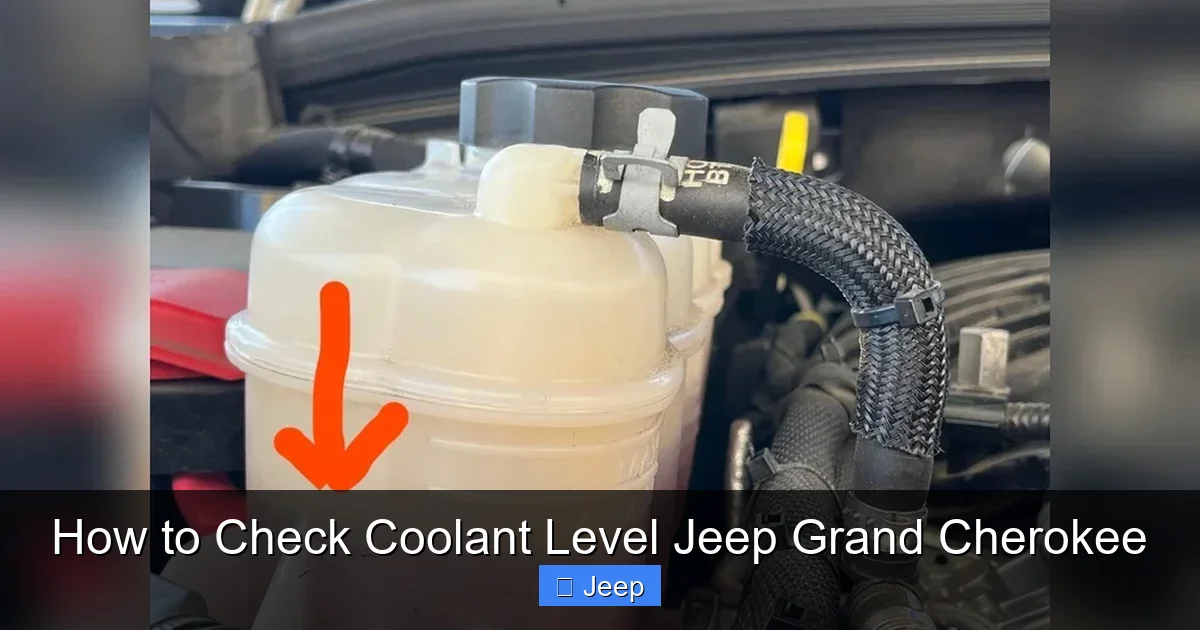
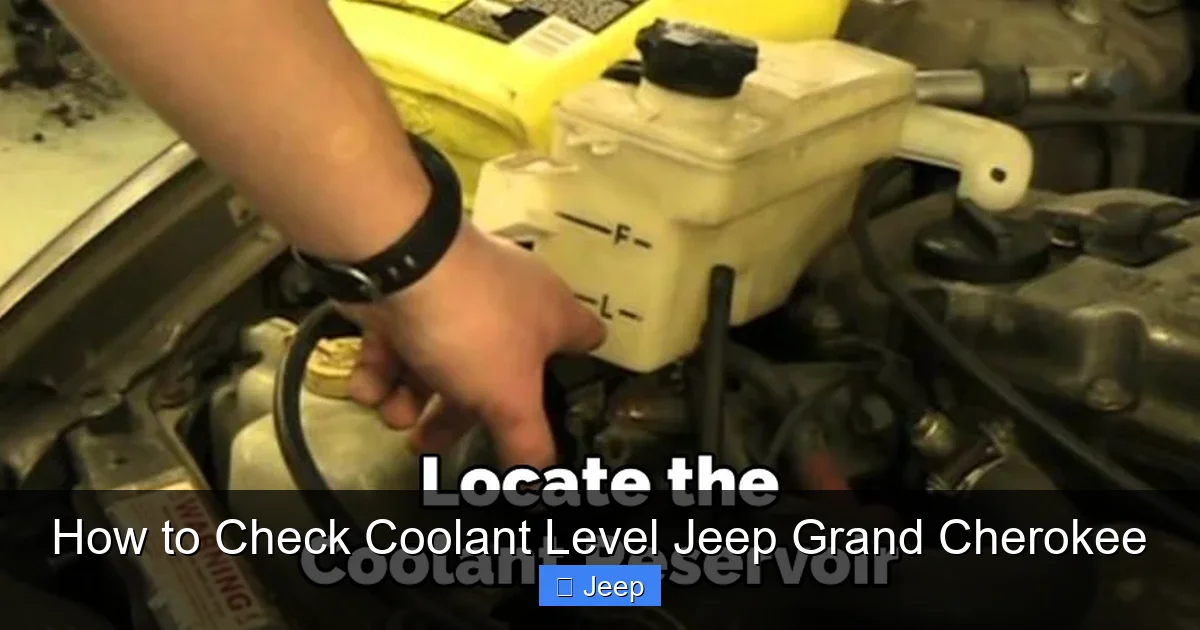
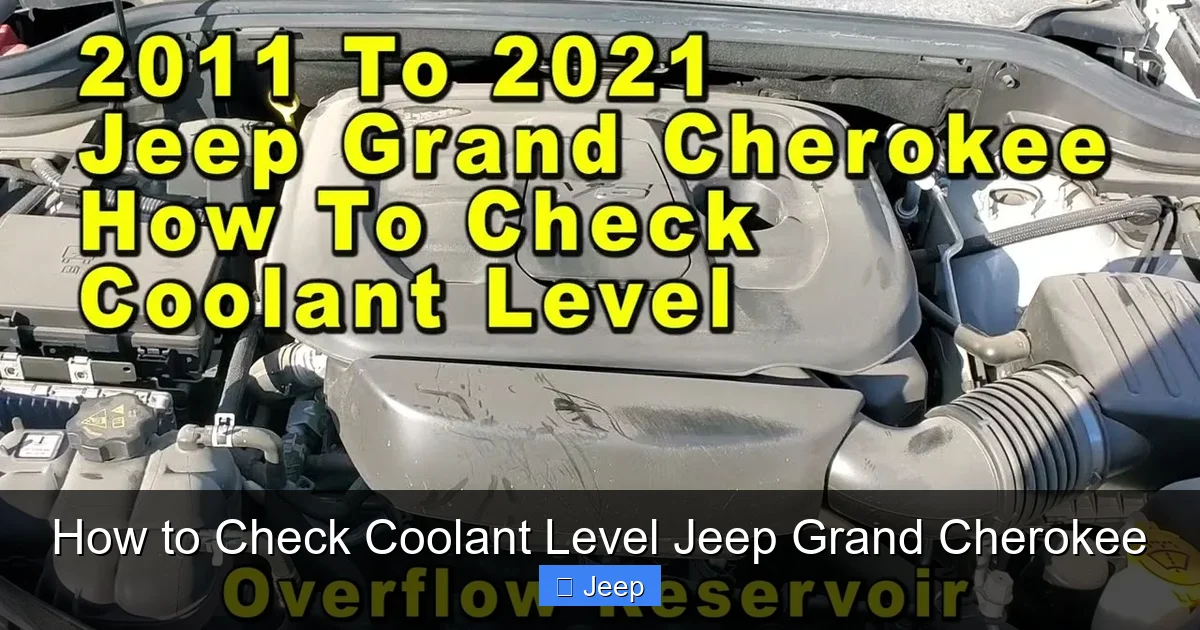
The first step in How To Check Coolant Level Jeep Grand Cherokee is finding the reservoir. On most Grand Cherokee models (2011‑2024), the translucent white plastic tank is situated on the passenger side of the engine bay, near the firewall. It usually has a black or gray cap labeled “Coolant” or “Engine Coolant.” If you’re unsure, consult your owner’s manual or look for the hose that runs from the radiator to the tank.
Visual guide about How to Check Coolant Level Jeep Grand Cherokee
Image source: jeepfixes.com
Check the Engine Temperature
Before you open the cap, make sure the engine has been off for at least 15‑20 minutes or is completely cold to the touch. Performing How To Check Coolant Level Jeep Grand Cherokee on a warm engine can release hot coolant under pressure, posing a burn risk. Touch the radiator hose gently; if it feels warm, wait a bit longer.
Inspect the Fill Marks
Once the engine is cool, slowly turn the reservoir cap counter‑clockwise to release any residual pressure, then lift it off. Inside the tank you’ll see two lines: “LOW” (or “MIN”) and “FULL” (or “MAX”). The coolant level should be between these marks. If it’s at or below the LOW line, you need to add coolant – a key part of How To Check Coolant Level Jeep Grand Cherokee.
Assess Coolant Condition
While you have the cap off, take a quick look at the coolant’s appearance. Healthy coolant is usually bright green, orange, pink, or blue, depending on the formulation. It should be clear, not cloudy or rusty. If you see particles, oil floating on top, or a sludgy texture, your cooling system may need a flush – another reason why mastering How To Check Coolant Level Jeep Grand Cherokee is valuable.
Top Off If Necessary
If the level is low, add the recommended coolant type slowly using a funnel to avoid spills. Pour until the coolant reaches the FULL line, then replace the cap securely. Remember, overfilling can cause overflow when the engine heats up, so stop at the proper mark. Completing this step finishes the core procedure of How To Check Coolant Level Jeep Grand Cherokee.
Close Up and Monitor
After you’ve topped off, close the hood and start the engine. Let it idle for a couple of minutes, then re‑check the level once the engine reaches normal operating temperature. The level may drop slightly as coolant circulates; if it stays within the safe range, you’ve successfully performed How To Check Coolant Level Jeep Grand Cherokee.
Interpreting What You See
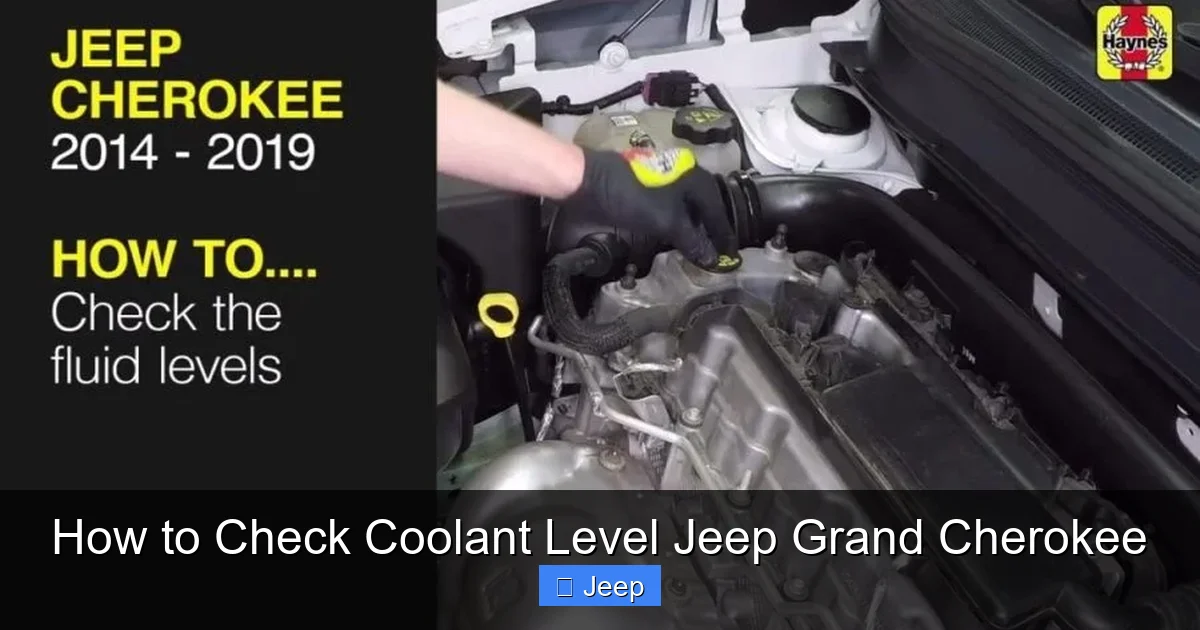
Knowing How To Check Coolant Level Jeep Grand Cherokee is only half the battle; you also need to understand what the readings tell you. A stable level between LOW and FULL after a few drives indicates a healthy cooling system. If you find yourself adding coolant every week, there’s likely a leak somewhere – perhaps a cracked hose, a failing water pump seal, or a radiator issue.
Visual guide about How to Check Coolant Level Jeep Grand Cherokee
Image source: i.ytimg.com
Discoloration is another clue. Rusty or brownish coolant suggests internal corrosion, while oily film can point to a head gasket leak allowing engine oil into the coolant passages. In either case, simply topping off won’t solve the underlying problem, and further diagnosis is required.
Finally, pay attention to the smell. Sweet‑smelling coolant is normal, but a burnt odor may indicate overheating or contamination. By combining the visual checks from How To Check Coolant Level Jeep Grand Cherokee with your senses, you can catch issues before they escalate.
Common Mistakes and How to Avoid Them
Even experienced DIYers can slip up when learning How To Check Coolant Level Jeep Grand Cherokee. One frequent error is checking the coolant while the engine is still warm, which can lead to inaccurate readings and safety hazards. Always wait for the engine to cool completely.
Another mistake is using the wrong coolant type. Jeep Grand Cherokees often require HOAT (Hybrid Organic Acid Technology) coolant, but some models use OAT or traditional green formula. Mixing incompatible coolants can cause gel formation and clog the radiator. Double‑check your owner’s manual before adding anything.
Over‑tightening the reservoir cap is also common. The cap is designed to seal with a specific torque; excessive force can crack the plastic threads or damage the pressure relief valve. Hand‑tight plus a quarter turn is usually sufficient.
Finally, neglecting to inspect the hoses and clamps while you have the hood open is a missed opportunity. While you’re performing How To Check Coolant Level Jeep Grand Cherokee, give the radiator hoses a quick squeeze – they should feel firm but not brittle. Replace any that show cracks, bulges, or soft spots.
Maintenance Tips and When to Replace Coolant
Regularly practicing How To Check Coolant Level Jeep Grand Cherokee is just the start of a solid cooling‑system maintenance routine. Most manufacturers recommend a coolant flush every 30,000 to 50,000 miles, or every five years, whichever comes first. Fresh coolant restores the anti‑corrosion additives and ensures optimal heat transfer.
When you do a flush, it’s a good time to inspect the radiator, thermostat, and water pump for wear. Replace the thermostat if it’s sticking, and consider a new water pump if the shaft shows any play. Keeping these components in top shape makes the job of How To Check Coolant Level Jeep Grand Cherokee even easier, as the system will hold pressure and level more reliably.
Keep a log of your coolant checks. Note the date, mileage, level, and any observations about color or smell. Over time, this record can reveal trends – such as a gradual drop that precedes a leak – letting you address issues before they become emergencies.
If you frequently drive in extreme conditions – high altitudes, heavy towing, or off‑road trails – you might need to check the coolant more often. The engine works harder in those scenarios, generating more heat and putting extra stress on the cooling system. Adjusting your How To Check Coolant Level Jeep Grand Cherokee frequency to match your driving habits ensures you stay ahead of potential problems.
Data Reference: Coolant Types and Capacities
Below is a quick reference you can keep in your glove box. It outlines the recommended coolant specifications and approximate capacities for various Jeep Grand Cherokee generations. Having this information handy makes the process of How To Check Coolant Level Jeep Grand Cherokee faster and more accurate.
- 2011‑2016 Grand Cherokee (3.6L Pentastar): HOAT coolant, 15.5 quarts total system capacity.
- 2017‑2021 Grand Cherokee (3.6L & 5.7L HEMI): HOAT coolant, 16 quarts total system capacity.
- 2022‑2024 Grand Cherokee (3.6L & 2.0L Turbo): OAT coolant (orange), 15 quarts total system capacity.
- All models: Use a 50/50 mix of coolant and distilled water unless the product is pre‑mixed.
When you top off after performing How To Check Coolant Level Jeep Grand Cherokee, always match the type listed for your specific year and engine. Using the wrong formulation can reduce corrosion protection and lead to premature component failure.
Conclusion
Mastering How To Check Coolant Level Jeep Grand Cherokee is a straightforward yet powerful skill that protects your investment and keeps your adventures worry‑free. By making coolant checks a regular part of your maintenance routine – ideally every few weeks or before long trips – you’ll catch low levels, leaks, and contamination early, avoiding the headache of an overheated engine on the trail.
Remember to always work on a cold engine, use the correct coolant type, and inspect the fluid’s condition as you check the level. Pair this habit with periodic flushes and component inspections, and your Grand Cherokee’s cooling system will stay reliable for years to come.
Now that you know How To Check Coolant Level Jeep Grand Cherokee, why not explore other useful Jeep guides? If you’re interested in upgrading your driving experience, check out our article on How To Improve Acceleration In Jeep Grand Cherokee. For those who want to fine‑tune comfort and convenience, see How To Change Paddle Shifters Jeep Grand Cherokee. And if you’re looking to reduce distractions while driving, learn How To Turn Off Gps Tracking On Jeep Grand Cherokee.
Stay cool, stay safe, and enjoy every mile in your Jeep Grand Cherokee!
Frequently Asked Questions
User Safety: safe