How to Upgrade Jeep Leaf Springs Bushings
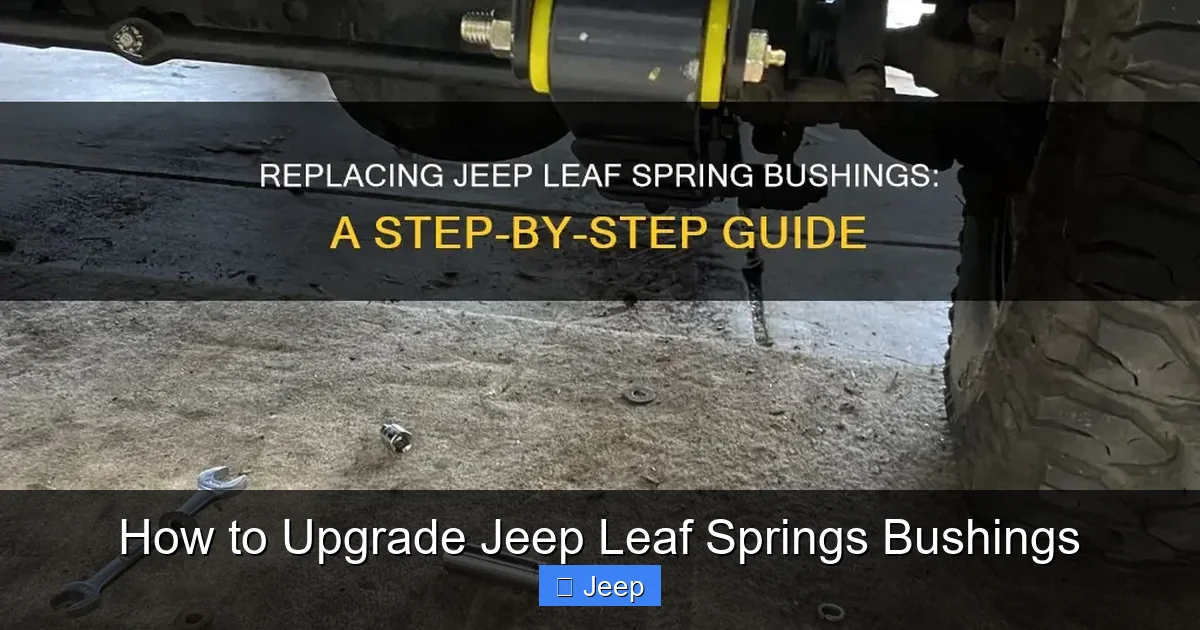
Upgrading your Jeep leaf springs bushings is one of the best ways to improve ride quality and handling. This guide walks you through everything from spotting worn bushings to completing the upgrade yourself with simple tools and clear steps.
Key Takeaways
- Worn bushings cause clunking, wandering, and uneven tire wear: Recognizing these signs early saves you from costly repairs down the road.
- Polyurethane bushings outperform rubber: They offer better durability, tighter tolerances, and improved handling for off-road and on-road driving.
- You can DIY this upgrade: With basic tools and a few hours, most Jeep owners can swap their bushings at home.
- Proper torque and alignment are critical: Skipping these steps can lead to premature wear and unsafe driving conditions.
- Regular inspection extends bushing life: Checking your leaf springs bushings every 15,000 miles keeps your ride smooth and safe.
- Consider your driving style: Off-roaders may prefer different bushing materials than daily commuters.
📑 Table of Contents
- Why Upgrading Your Jeep Leaf Springs Bushings Matters
- What Are Leaf Spring Bushings?
- Signs Your Jeep Leaf Springs Bushings Need Upgrading
- Tools and Materials You Will Need
- Step-by-Step Guide to Upgrading Jeep Leaf Springs Bushings
- Tips for Maintaining Your Upgraded Bushings
- Common Mistakes to Avoid
- Final Thoughts
Why Upgrading Your Jeep Leaf Springs Bushings Matters
If you own a Jeep, you already know these trucks are built for tough terrain. But even the toughest vehicles need maintenance. One part that often gets overlooked is the leaf springs bushings. These small but mighty components sit between your leaf springs and the vehicle frame. They absorb vibration, reduce noise, and allow controlled movement.
Over time, Jeep leaf springs bushings wear out. Road grit, moisture, and constant flexing eat away at the rubber or polyurethane. When they fail, your ride gets rougher. Your steering feels loose. And worst of all, your safety can be compromised. Upgrading your bushings is a relatively inexpensive fix that makes a huge difference.
Whether you hit the trails every weekend or just drive to work, this upgrade is worth your time. Let us walk you through everything you need to know.
What Are Leaf Spring Bushings?
The Basics
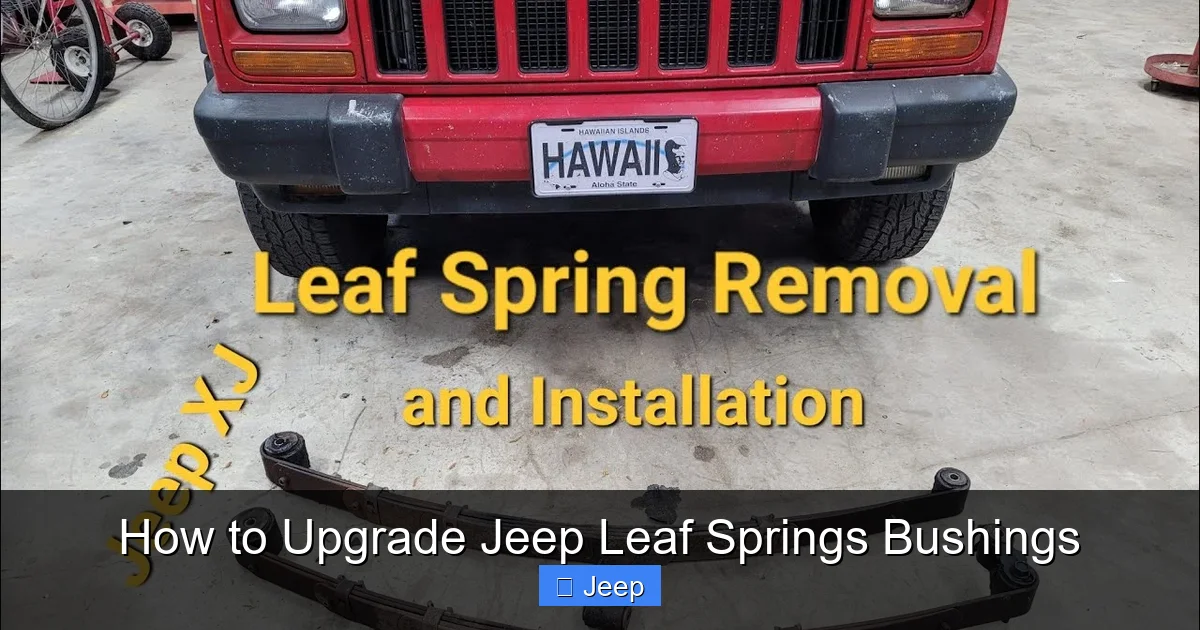
Leaf springs are the backbone of your Jeep suspension. They consist of several layers of steel stacked together. These springs flex and bounce to absorb bumps. The bushings are the rubber or polyurethane cushions that sit inside the spring eyes and between the spring and the mounting bracket.
Visual guide about How to Upgrade Jeep Leaf Springs Bushings
Image source: i.ytimg.com
Think of them as shock absorbers for the spring itself. Without them, metal would grind against metal. Every bump would transfer straight into your frame. That is why Jeep leaf springs bushings are so important to your overall ride quality.
Types of Bushings
There are two main types you will encounter:
- Rubber bushings: These come factory on most Jeeps. They are affordable and quiet. However, they wear faster, especially under heavy loads or off-road use.
- Polyurethane bushings: These are the popular upgrade choice. They are harder, more durable, and resist weathering better than rubber. Many off-road enthusiasts prefer them for their tight fit and longer lifespan.
Some aftermarket kits also offer spherical or needle-bearing bushings. These are designed for high-performance applications. They allow freer movement and reduce friction. For most Jeep owners, polyurethane is the sweet spot between comfort and durability.
Signs Your Jeep Leaf Springs Bushings Need Upgrading
How do you know it is time to upgrade? Here are the most common warning signs:
Visual guide about How to Upgrade Jeep Leaf Springs Bushings
Image source: jeepfixes.com
Clunking or Knocking Noises
Do you hear a clunk when you drive over bumps? This is the number one sign of worn bushings. The rubber gets cracked or dry. The metal parts start moving freely inside the bushing. This creates that annoying noise you cannot ignore.
Wandering or Loose Steering
If your Jeep feels like it drifts on straight roads, worn bushings might be the culprit. The leaf springs shift more than they should. This affects your wheel alignment and steering response. You might also feel vague feedback through the steering wheel.
Uneven Tire Wear
Worn leaf springs bushings can cause your axles to shift. This leads to uneven weight distribution. Your tires then wear in patterns they should not. If you notice cupping or feathering on your tread, check your suspension components.
Visible Damage
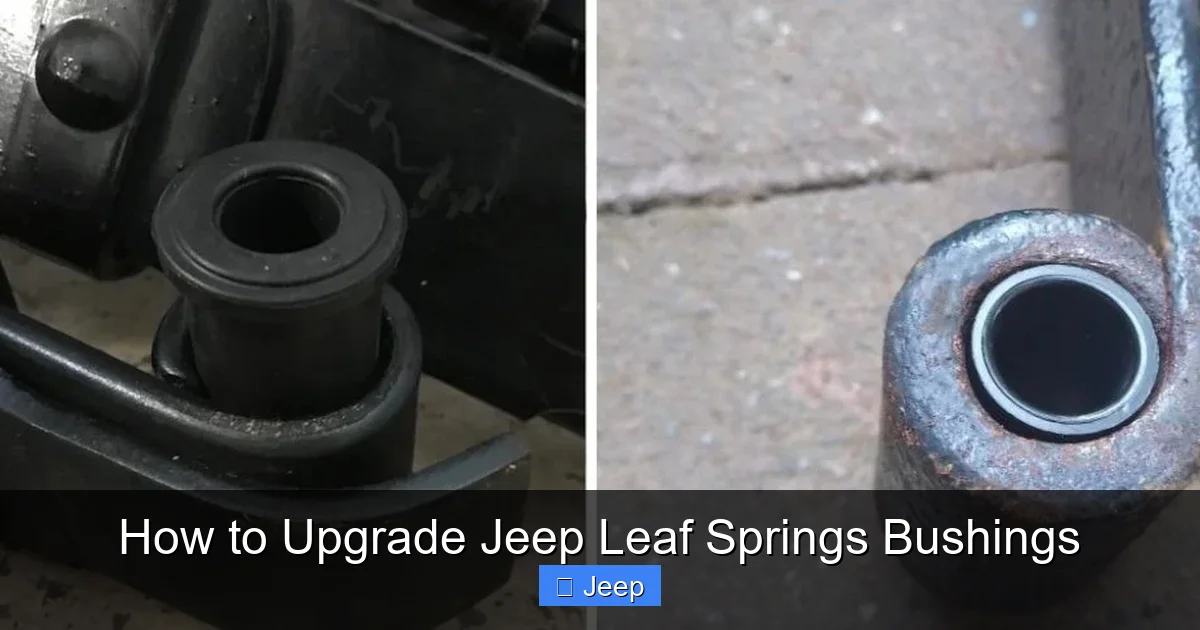
Pop your hood and take a look. If you see cracked rubber, tears, or complete separation, it is time. Also check for rust and corrosion on the bushing sleeves. Physical damage means the bushing has already failed its job.
Changed Ride Height
Sometimes worn bushings cause your Jeep to sit lower or unevenly. The springs can slide out of position without proper bushing support. This changes your ride height and affects ground clearance. For Jeep owners who rely on off-road capability, this is a serious issue.
Tools and Materials You Will Need
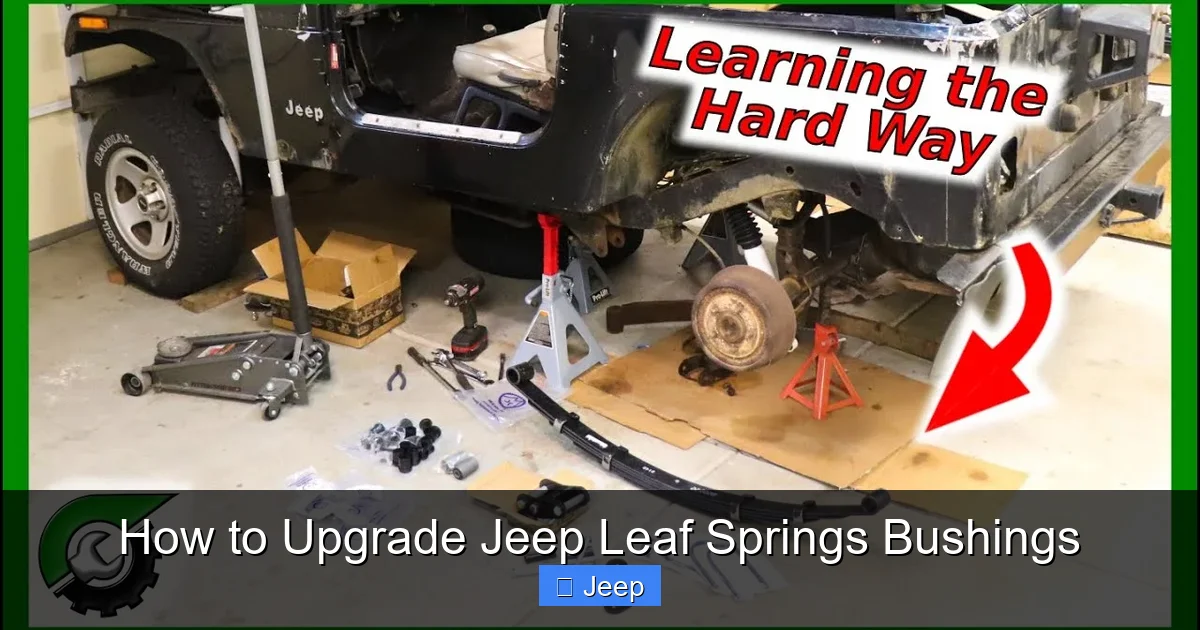
Before you start, gather everything. Having all your tools ready saves time and frustration.
Visual guide about How to Upgrade Jeep Leaf Springs Bushings
Image source: i.ytimg.com
Essential Tools
- Socket set (standard and metric)
- Wrench set
- Jack and jack stands
- Spring compressor (if needed for certain setups)
- Pry bar
- Penetrating oil (like PB Blaster)
- Torque wrench
- Wire brush
- Safety glasses and gloves
Materials
Buy a quality bushing upgrade kit. Make sure it fits your specific Jeep model and year. Most kits include:
- Polyurethane bushings (front and rear eyes)
- Steel sleeves or tubes
- Bolts and hardware (often upgraded)
- Bushings with pre-installed sleeves
- Grease or anti-seize compound
Many kits also come with detailed instructions. Read them fully before starting. If you also want to tweak other suspension settings, you might want to read about how to disable air suspension on Jeep Grand Cherokee to understand your suspension system better before making changes.
Step-by-Step Guide to Upgrading Jeep Leaf Springs Bushings
Step 1: Safety First
Park your Jeep on a flat surface. Engage the parking brake. Use the jack to lift the vehicle and secure it on jack stands. Never work under a vehicle supported only by a jack. Your life depends on those stands.
Step 2: Remove the Wheels
Loosen the lug nuts slightly while the Jeep is still on the ground. Then lift it and remove the wheels. This gives you access to the leaf spring assembly from below and the brake components from the side.
Step 3: Spray Penetrating Oil
Now is the time to spray all bolts and fasteners with penetrating oil. The nuts holding the leaf spring brackets and shackles are often rusted tight. Give them at least 15 minutes to soak. Some stubborn bolts may need a second application. Patience here prevents a lot of headaches later.
Step 4: Remove the Brake Caliper and Rotor
To free up space, unbolt the brake caliper and set it aside. Do not let it hang by the rubber hose. Use a bungee cord or wire to support it. Then remove the rotor. This allows the axle to move freely when you extract the leaf spring.
Step 5: Support the Axle
Place a jack or wood block under the axle. You do not want the axle to drop when you remove the leaf spring. This is a heavy component and it can cause injury if it falls unexpectedly.
Step 6: Remove the Leaf Spring
Start by removing the U-bolts that secure the spring to the axle. Then remove the bracket bolts on the frame. You may need to use a pry bar to gently separate the spring from the frame mounts. Be careful around the bushing areas. The old bushings may break apart and create sharp edges.
Slide the leaf spring out carefully. If you have a multi-leaf spring, you might need to separate the leaves slightly to extract the old bushings from the eyes.
Step 7: Remove Old Bushings
Use a drift punch and hammer to drive out the old bushings. They should slide out with some effort. Clean the bore holes thoroughly with a wire brush. Remove all rust, dirt, and old adhesive. The new bushings need a clean and precise fit.
Step 8: Install New Bushings
Press the new polyurethane bushings into the leaf spring eyes. Many kits come with a press tool or a sleeve that makes this easier. If you do not have a press, a large vise works well. Apply grease to the bushing sleeve before insertion. This helps with future removal and reduces friction.
Make sure the bushings sit flush and even. Do not force them at an angle. Misaligned bushings cause binding and premature wear.
Step 9: Reinstall the Leaf Spring
Slide the leaf spring back into position on the frame. Align the bolt holes carefully. You may need someone to help hold the spring in place. Install the bracket bolts but do not fully tighten them yet. Leave them slightly loose for final adjustment.
Step 10: Reassemble Everything
Reinstall the U-bolts, brake caliper, and rotor. Put the wheels back on. Tighten all bolts to the manufacturer torque specifications. This is where your torque wrench becomes essential. Over-tightening can strip threads. Under-tightening can cause parts to loosen on the road.
Step 11: Get an Alignment
After any suspension work, always get a professional alignment. Your Jeep’s geometry has changed. Driving without an alignment will destroy your new tires quickly. A proper alignment ensures your Jeep leaf springs bushings wear evenly and your tracking stays true.
After your upgrade, you might notice improved responsiveness. If you also want to fine-tune other performance aspects, learning how to improve acceleration in Jeep Grand Cherokee can complement your suspension work nicely.
Tips for Maintaining Your Upgraded Bushings
Your new bushings are an investment. Treat them right and they last much longer.
Inspect Regularly
Every 15,000 miles or after major off-road trips, inspect your bushings. Look for cracks, tears, or looseness. Early detection prevents bigger problems. It takes just a few minutes under the vehicle.
Keep Them Greased
Some polyurethane bushing kits allow you to grease the sleeves. Use a high-quality grease and apply it every 10,000 miles. This reduces wear and noise. It also protects against moisture intrusion.
Avoid Overloading
Your Jeep has a payload limit. Exceeding it puts extra stress on the leaf springs and bushings. If you regularly carry heavy gear, consider adding a helper spring or upgrading to a heavier-rated spring set.
Address Rust Early
Inspect the mounting brackets and bolts for rust. Rust on the frame mounts can cause the bushing to shift. Treat rust spots with a rust converter or wire brush before they become structural issues.
Common Mistakes to Avoid
Skipping the Torque Specs
Every bolt has a specific torque value. Do not guess. Do not use the phrase “tight enough.” Use a torque wrench every single time. This protects your threads and ensures consistent clamping force.
Using the Wrong Bushing Type
Not all bushings fit every Jeep model. A Jeep Wrangler bushing will not fit a Grand Cherokee. Always verify your year, model, and trim before purchasing. Cheap universal kits often do more harm than good.
Ignoring Squeaking After Installation
Some squeaking after installation is normal for polyurethane. It should quiet down after a few hundred miles. If it gets worse, check your installation. The bushings may be misaligned or dry. A little grease on the sleeve contact points usually solves it.
Forgetting the Shackle Bushings
Many people upgrade the eye bushings but forget the shackle bushings. These are just as important. They allow the leaf spring to pivot as the suspension compresses and rebounds. Replace them as a set for balanced performance.
Final Thoughts
Upgrading your Jeep leaf springs bushings is one of those projects that pays off immediately. You get a quieter, more stable ride. Your handling improves. And you gain confidence on both pavement and dirt. The whole process takes a weekend and a modest budget. The results last for years.
Take your time with the installation. Follow the steps carefully. And never underestimate the value of a post-installation alignment. Your Jeep deserves the best. So do you.
If you own a Jeep Wrangler and want to understand more about your drivetrain before tackling suspension work, check out our guide on how to switch from 2H to 4H Jeep Wrangler automatic to make sure all systems work together after your upgrade.
Frequently Asked Questions
How long do upgraded leaf springs bushings last?
Quality polyurethane bushings typically last 50,000 to 100,000 miles depending on driving conditions. Off-road use and heavy loads reduce lifespan. Regular inspection and greasing help maximize their durability.
Can I upgrade my leaf springs bushings without removing the spring?
In most cases, yes. Some kits are designed for in-place replacement using a specialized press tool. However, removing the leaf spring from the vehicle gives you better access and ensures a cleaner installation.
Are polyurethane bushings louder than rubber?
Polyurethane bushings can produce slight squeaking over rubber, especially when new. This noise usually fades after a few hundred miles as they settle. Applying grease to contact points helps minimize any noise.
Do I need to realign my Jeep after replacing bushings?
Yes, absolutely. Replacing leaf springs bushings changes your suspension geometry. A professional alignment after installation is essential to protect your tires and ensure safe handling.
What is the cost of a leaf springs bushings upgrade?
A quality polyurethane bushing kit typically costs between $50 and $150 depending on your Jeep model. Adding professional alignment services brings the total to around $100 to $250 including parts and labor.
Can bad leaf springs bushings cause vibration?
Yes, worn or damaged bushings allow excess movement in the leaf spring assembly. This creates vibrations that you feel through the steering wheel and seat. Replacing the bushings eliminates the source of the vibration.