How to Activate Trailer Lights on Jeep Grand Cherokee
Activating trailer lights on your Jeep Grand Cherokee is essential for safe and legal towing. This guide covers wiring setup, plug connections, testing procedures, and common fixes. Follow these steps to get your trailer lights working quickly and reliably.
Towing a trailer with your Jeep Grand Cherokee opens up a world of adventure. Whether you are hauling boats, campers, or cargo, functional trailer lights are non-negotiable. They keep you legal on the road and safe in low-visibility conditions. Many Jeep owners wonder how to activate trailer lights on Jeep Grand Cherokee models. The process varies slightly by year, but the basics remain the same. This guide walks you through every step with clear instructions.
Your Jeep Grand Cherokee comes equipped for towing in many trim levels. However, the trailer light setup depends on whether your vehicle has a factory tow package. Some models include a pre-wired 7-pin connector while others need aftermarket installation. Understanding your specific wiring saves time and frustration. We will cover everything from basic plug connections to troubleshooting common issues. You will learn how to test each light function and ensure proper grounding. By the end, you will confidently handle your trailer lighting system. Remember that the Jeep Grand Cherokee weight impacts towing stability and trailer light alignment, so check the specs before loading up.
Understanding Your Jeep Grand Cherokee Towing Setup
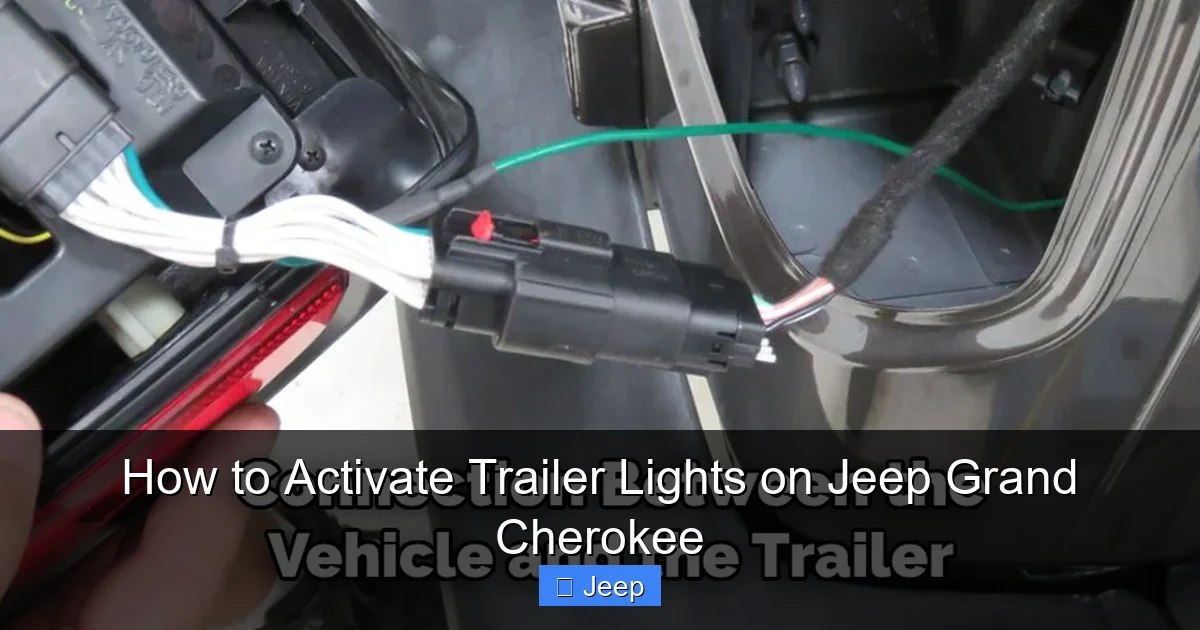
Before connecting anything, you need to know what wiring your Jeep already has. The 7-pin round connector is the standard for most trailers. It carries power for brake lights, turn signals, running lights, and ground. Some older Grand Cherokees use a 4-pin flat connector instead. Check the rear bumper or hitch area for an existing plug. If you find nothing, you will need to install a wiring harness. A complete kit includes the plug, wires, and instructions for routing through the rear panel. Look for the harness behind the tailgate trim or under the bumper cover. The factory wiring usually enters the cabin near the trunk latch area.
The 7-pin connector has specific functions for each pin. Pin 1 handles electric brakes, Pin 2 is right turn/brake, Pin 3 is left turn/brake, Pin 4 is tail/running lights, Pin 5 is auxiliary power, Pin 6 is ground, and Pin 7 is blue for brake controllers. Knowing this helps when diagnosing problems. You can test pins with a multimeter or test light. Always refer to your owner manual for the exact diagram. This prevents accidental shorts and protects your Jeep’s electrical system. If you are modifying the interior for towing comfort, consider best seat covers for Jeep Grand Cherokee to protect upholstery from dirt and gear.
Step-by-Step Activation Process
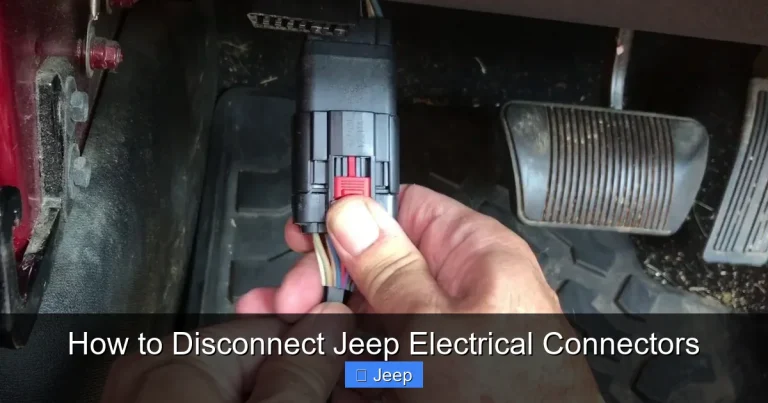
Locating the trailer wiring harness is the first practical step. Open the rear hatch and look near the bumper trim. The connector usually sits behind a rubber cap. Remove the cap to expose the pins. If your Jeep Grand Cherokee lacks a factory harness, purchase a compatible wiring kit. These kits include a plug, fuse tap, and detailed instructions. Installation typically takes one to two hours for beginners. Gather your tools before starting: wire strippers, crimpers, electrical tape, and a test light. Work in a well-lit area and wear safety glasses. Disconnect the battery negative terminal before splicing any wires.
Connect the trailer plug to the Jeep’s receptacle. Push firmly until it clicks into place. Ensure the pins align correctly to avoid bending. Once connected, turn on your Jeep’s ignition. Have a helper stand behind the trailer while you test each function. Activate the left turn signal, then the right. Press the brake pedal and check both brake lights. Turn on the headlights to verify running lights. Each function should illuminate clearly on the trailer. If any function fails, do not drive yet. Check the connections and try again. A helper with a flashlight makes this easier at night. Repeat the test with hazards and reverse lights if equipped.
If lights do not work, check the fuse box first. The trailer light fuse is usually in the power distribution center. Replace a blown fuse with the exact amperage rating. Next, inspect the ground wire connection. A loose ground causes many lighting failures. Clean the contact point and reconnect securely. Dielectric grease on the connectors prevents corrosion over time. For older Grand Cherokees, verify the suspension can handle the load by reviewing best struts for 2006 Jeep Grand Cherokee if you own that year. A worn suspension changes the hitch angle and stresses the wiring.
Common Problems and Solutions
Trailer lights not working at all is a common frustration. Start by verifying the Jeep Grand Cherokee is in the correct mode. Some models require the ignition on but engine off for accessory power. Check the connection between the plug and receptacle. Dirt or moisture can interrupt the circuit. Unplug both ends and inspect for bent or corroded pins. Reconnect firmly after cleaning. Use contact cleaner on the pins and let them dry completely before reconnecting. A loose pin in the Jeep connector often mimics a total failure. Check the trailer side connector too; corrosion there is common.
Flickering lights often indicate a loose ground or poor connection. Wiggle the harness while the lights are on to isolate the issue. If the trailer lights flicker, check the trailer’s ground strap. A missing or rusted ground strap causes intermittent failures. On the Jeep side, inspect the wiring harness for damaged wires. Rats and road debris can chew through insulation near the bumper. Repair any exposed copper with soldering and heat shrink tubing. Apply dielectric grease to all connections after repair. Test again before driving. Flickering turn signals may also indicate a bad flash relay in the Jeep.
Dim lights suggest a voltage drop in the circuit. This happens when wires are too small or connections are corroded. Upgrade to heavier gauge wire if you installed the harness yourself. Ensure all connections are tight and free of green corrosion. Clean terminals with a wire brush and apply dielectric grease. This simple step extends the life of your trailer lighting system significantly. Check the Jeep’s battery voltage as well. Low battery voltage affects light brightness and turn signal flash rates. A fully charged battery should read 12.6 volts or higher. Charge or replace the battery if voltage is low.
Upgrading Your Trailer Light System
Adding a brake controller enhances safety when towing heavy loads. The controller sends a signal to the trailer brakes proportional to your Jeep’s stopping power. Install the controller behind the dashboard within easy reach. Run the wiring through the firewall and connect to the blue wire in the 7-pin harness. Adjust the gain setting according to your trailer weight. Test the brakes on a quiet road before heading into traffic. This upgrade is essential for trailers over 1,500 pounds. Many controllers offer adjustable sensitivity for different load weights. Proper brake controller setup prevents jackknifing and improves stopping distance.
Choosing quality wiring pays dividends over time. Look for weatherproof connectors and abrasion-resistant jacket material. Avoid cheap harnesses that use thin copper strands. Your Jeep Grand Cherokee deserves reliable components that handle vibration and temperature extremes. Consider adding a converter box if your trailer has separate left and right turn signal circuits. This adapter ensures proper flash rates and prevents hyperflashing. Quality wiring reduces the need for future troubleshooting. Invest in connectors with locking mechanisms to prevent accidental disconnections. Label each wire during installation to avoid confusion later.
Safety Tips for Towing with a Jeep Grand Cherokee
Perform a pre-trip inspection every time you tow. Walk around the trailer and Jeep before departure. Check that all lights are securely mounted and lenses are clean. Replace any burned-out bulbs immediately. Verify the trailer height matches the hitch ball for proper alignment. A misaligned connection stresses the wiring and can disconnect while driving. Secure all cargo inside the trailer to prevent shifting during stops. Check tire pressure on both the Jeep and trailer before every trip. Ensure the trailer jack is fully retracted and secured.
Know the legal requirements in your state. Most jurisdictions require brake lights, turn signals, and tail lights on trailers. Some states mandate additional markers or reflectors. Keep your registration and insurance current for the trailer. Driving with malfunctioning trailer lights risks fines and accidents. The extra five minutes of checking saves headaches later. Always carry spare bulbs and fuses in the Jeep for roadside repairs. Consider adding reflective tape to the trailer sides for extra visibility. Clean the trailer lenses with a quality cleaner before each trip.
Maintaining Your Trailer Lighting System
Regular checks prevent unexpected failures on the road. Inspect the Jeep’s wiring harness monthly for chafing or discoloration. Look under the bumper where road grime accumulates. Clean connectors with electrical contact cleaner annually. Replace any corroded pins before they cause complete failure. Store your trailer in a dry location when possible to reduce moisture damage. Check the ground connections during each inspection. A clean ground ensures consistent light performance. Tighten the receptacle mount bolts if they feel loose.
Weather protection extends component life significantly. Use dielectric grease on all unplugged connections before storage. Wrap exposed junctions with self-fusing silicone tape. Check the Jeep Grand Cherokee’s ground points for rust or paint buildup. Scrap to bare metal and reinstall the ground strap securely. These small habits keep your trailer lights functioning through every season. Proper maintenance also preserves the value of your Jeep Grand Cherokee. Clean the connector pins with a wire brush every few months. Replace any cracked receptacle covers immediately.
Conclusion
Activating trailer lights on Jeep Grand Cherokee models is manageable with patience and the right tools. Start by identifying your wiring setup and testing each function methodically. Address any issues immediately rather than risking a ticket or accident. Regular maintenance keeps the system reliable trip after trip. Your Jeep handles towing duties well when the electrical system is properly maintained. Now you have the knowledge to keep your trailer lights bright and legal. Enjoy your towing adventures with confidence.
Key Takeaways
- Check your wiring harness: Verify the 7-pin connector is properly installed and functioning before hitting the road.
- Test each light function: Ensure brake lights, turn signals, and running lights all work correctly with a helper.
- Use dielectric grease: Protect connections from corrosion and moisture to prevent future electrical issues.
- Inspect ground connections: A bad ground causes flickering lights and is the most common troubleshooting fix.
- Consider a dedicated controller: Some setups require a brake controller for proper trailer light activation.
- Verify fuse integrity: Check the trailer light fuse in the fuse box if lights fail to turn on.
Frequently Asked Questions
How do I activate trailer lights on my Jeep Grand Cherokee?
Connect the trailer plug to the Jeep’s 7-pin receptacle, turn on the ignition, and test each function with a helper. Check the fuse box and ground connection if lights do not work.
What should I do if my Jeep Grand Cherokee trailer lights flicker?
Flickering usually indicates a loose ground or corroded connection. Inspect the ground wire, clean the contact point, and apply dielectric grease. Wiggle the harness to isolate the exact issue.
Do I need a brake controller to activate trailer lights?
A brake controller is only needed if your trailer has electric brakes. The standard 7-pin connector handles running lights, turn signals, and brake lights without a controller.
Why are my trailer lights dim when connected to the Jeep Grand Cherokee?
Dim lights suggest a voltage drop from corroded connections or undersized wire. Clean terminals, tighten connections, and check the Jeep battery voltage which should be 12.6 volts or higher.
How often should I check my trailer lighting system?
Inspect the wiring harness monthly and clean connectors annually. Check ground points for rust and apply dielectric grease before storage to prevent corrosion.
Can I install trailer lights on a Jeep Grand Cherokee without a factory tow package?
Yes, you can install an aftermarket wiring harness. These kits include a plug, fuse tap, and instructions. Installation typically takes one to two hours for beginners.