How to Change Transmission Fluid Jeep Gladiator
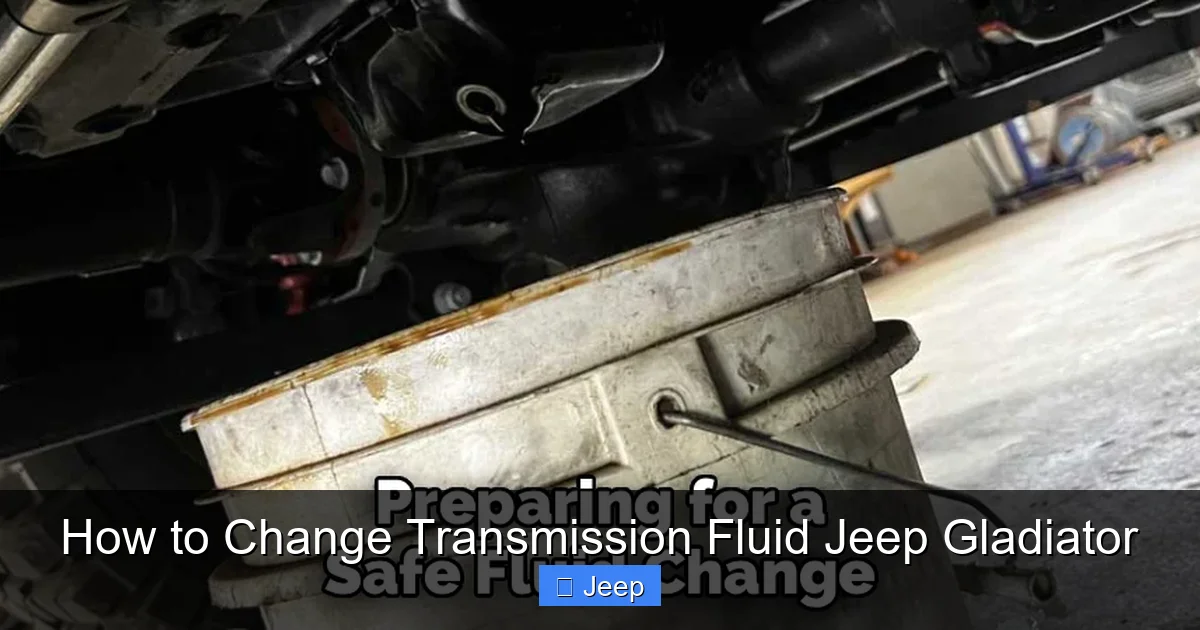
Changing transmission fluid in a Jeep Gladiator starts with identifying the automatic or manual gearbox and using the exact fluid listed in the owner’s manual. A careful drain-and-fill, level check, and leak inspection can help keep shifts smooth without taking shortcuts.
How to Change Transmission Fluid Jeep Gladiator
A Jeep Gladiator is built for work, towing, and weekend trails. All of that use puts heat and stress into the transmission. Fresh fluid can help protect valves, clutches, bearings, and seals, but only when the correct fluid and procedure are used.
There is no one-size-fits-all answer because the Gladiator may have an eight-speed automatic or a six-speed manual. The automatic is a sealed, electronic unit with no dipstick. The manual has a simpler fill plug, but it still needs the right lubricant and a level vehicle.
This guide explains how to change transmission fluid Jeep Gladiator owners can follow at home. It also shows where the job can go wrong. If your vehicle is under warranty, has a leak, or gives warning signs, use the factory service information or call a qualified technician.
Key Takeaways
- Identify the gearbox: Automatic and manual Gladiators use different fluids and procedures.
- Use the approved fluid: Check the owner’s manual or factory service information before buying.
- Respect the level check: Sealed automatics often require a specific temperature and overflow check.
- Remove the fill plug first: This simple step prevents a manual transmission from being drained but not refillable.
- Work safely: Use level ground, jack stands, wheel chocks, gloves, and eye protection.
- Inspect what comes out: Metal, grit, or a burnt smell may mean more than routine maintenance is needed.
📑 Table of Contents
1. Confirm the Transmission and Fluid First
Open the owner’s manual or check the vehicle identification information before ordering parts. Model year, engine, sales code, and market can affect the specification. Do not choose fluid by the color of the old sample. Red, amber, or brown fluid does not identify the correct product.
Eight-Speed Automatic
Most automatic Gladiators use a ZF-designed eight-speed transmission. It typically calls for Mopar ATF 8 & 9 Speed, or an approved equivalent meeting the listed Chrysler material standard. The pan often contains an integrated filter and gasket. A drain-and-fill may replace only part of the total fluid because fluid remains in the torque converter and cooler lines.
Do not use a generic “multi-vehicle” ATF unless its label lists the required approval. A full fill is larger than the amount that drains from the pan. Buy enough for the service and keep the receipt.
Six-Speed Manual
Manual Gladiators use a different lubricant, commonly a Mopar manual transmission fluid meeting the specification in the owner’s manual. The capacity is measured in pints or liters and is much smaller than the automatic total. Never put automatic transmission fluid into a manual gearbox unless the factory document specifically permits it.
Service Interval and Driving Conditions
Follow the maintenance schedule for your driving. Frequent towing, dust, mud, long low-speed climbs, and hot weather count as severe use for many owners. If you are unsure when to inspect the system, our guide to best times to check your transmission fluid offers practical checkpoints. A burnt smell, new leaks, delayed engagement, or metal on the drain plug deserves attention.
Why the Exact Specification Matters
Transmission fluid does more than lubricate. It transfers hydraulic pressure, cools parts, and affects clutch apply. The wrong viscosity or friction package can cause delayed shifts, noise, or premature wear. If the bottle does not show the required material standard, choose another product rather than assuming “ATF” is enough.
For example, a Gladiator that tows on hot highways may need earlier inspection than one used mainly for short trips. Record the mileage, fluid type, and symptoms for the next service.
2. Gather Tools, Supplies, and Safety Gear
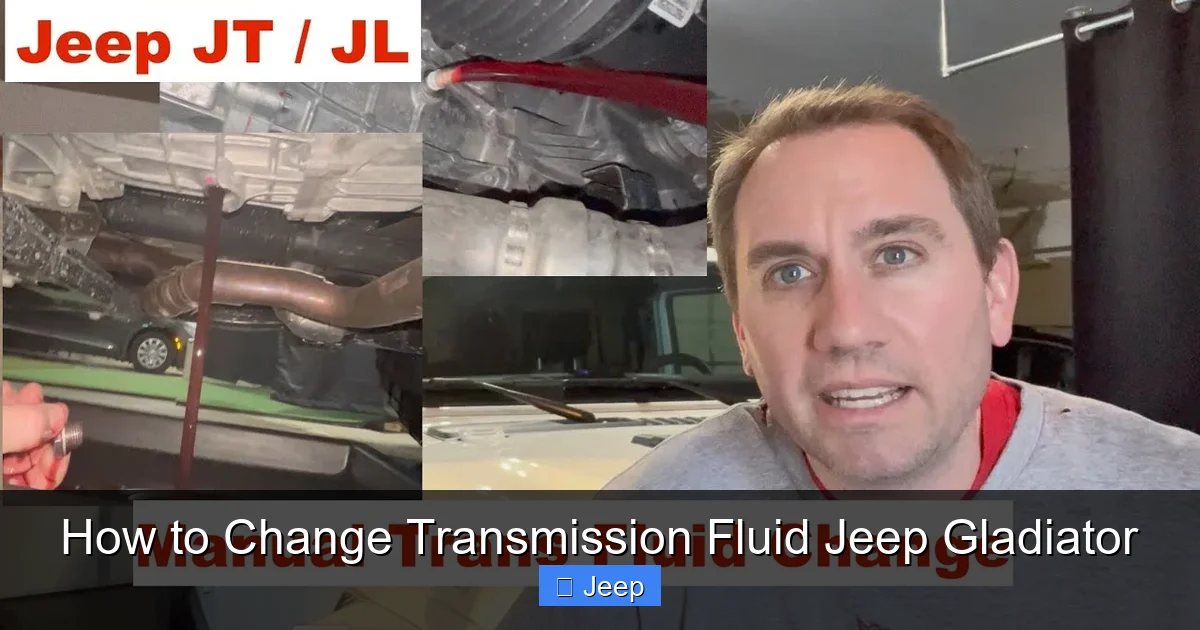
A little preparation makes this job easier and safer. Put the Jeep on a flat surface, set the parking brake, and chock the wheels. Never rely on a bumper jack or a single jack stand while you are underneath the vehicle.
Visual guide about How to Change Transmission Fluid Jeep Gladiator
Image source: i.ytimg.com
You will usually need:
- Correct fluid: enough for the planned drain-and-fill, plus a little extra.
- Drain pan: a wide pan that can hold hot fluid safely.
- Hand pump: especially useful for the manual transmission fill hole.
- Socket and bit set: the exact size varies by transmission and pan.
- New plugs and seals: use serviceable or one-time-use parts as specified.
- Torque wrench: small fasteners can be damaged by guessing.
- Gloves and eye protection: fluid can be hot and slippery.
- Scan tool or temperature source: needed for many automatic level checks.
Warm the Fluid, Then Level the Jeep
Drive the vehicle for a short, gentle trip so the fluid reaches a stable working temperature. Do not overheat it. Park on level ground, leave the engine running for the automatic procedure only when the service instructions say to do so, and keep your foot firmly on the brake while shifting.
Before removing any plug, make sure you can reach the fill or level plug. If a fill plug is seized, stop and fix that problem first. Draining a sealed transmission with no safe way to refill it can turn a routine service into a tow.
Also separate transmission work from four-wheel-drive operation. The Gladiator’s transfer case, when equipped, uses its own fluid and fill plug. Cycling the gear selector is not the same as changing transfer-case mode. For a different Jeep question, see how to switch from 2H to 4H in a Jeep Wrangler automatic.
Plan for Mess and Temperature
Fluid expands as it warms, and a sealed transmission can spray when a plug opens. Have rags, a sealed waste container, and a clear path to the drain pan. Let a hard-driven vehicle cool before you get underneath.
Set stands on solid ground, chock wheels in both directions, and tell someone you are working underneath. Good setup prevents a simple service from becoming an emergency.
If the Jeep is lifted, follow the factory ride-height guidance. A tilted chassis can make an automatic level check inaccurate.
3. Change Fluid in an Eight-Speed Automatic
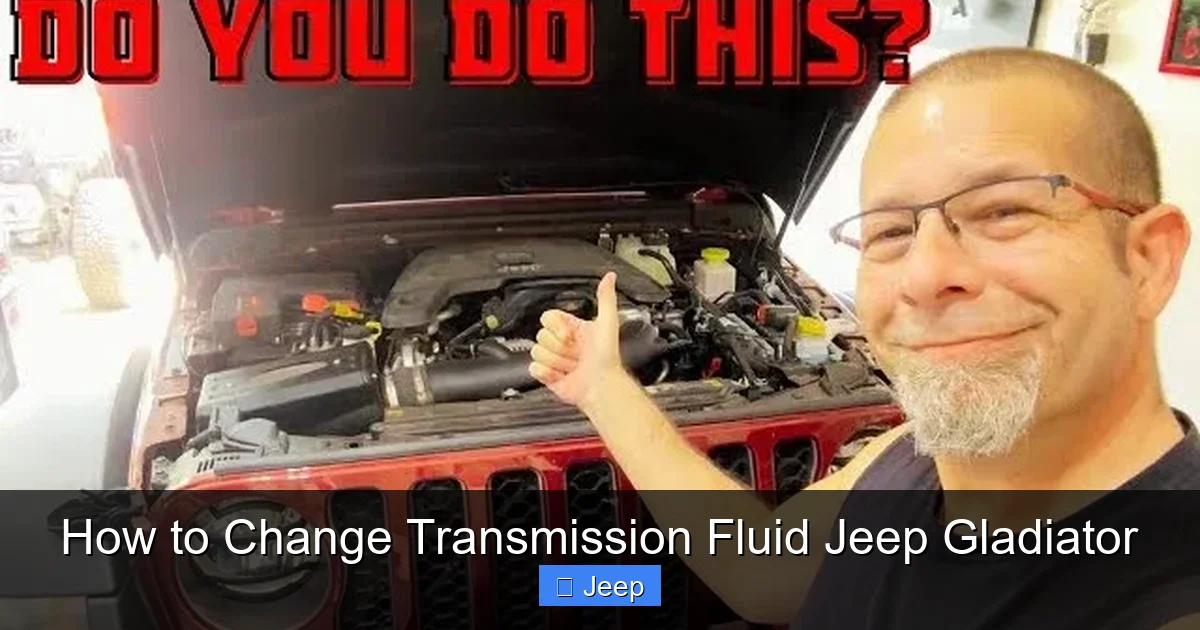
The search phrase “how to change transmission fluid Jeep Gladiator” can make the job sound simpler than it is. The level check is the part that matters most. Treat the automatic service as a drain, pan-and-filter service, fill, and temperature-controlled check. Factory instructions win.
Visual guide about How to Change Transmission Fluid Jeep Gladiator
Image source: jeepinside.com
Drain the Old Fluid
Raise and support the vehicle at the approved lift points. Place the drain pan under the transmission, then remove the lower drain plug slowly. Fluid may come out quickly. After the flow stops, remove the pan fasteners in the recommended pattern and lower the pan.
Inspect the old fluid. A dark color alone does not prove failure, but a burnt odor, heavy grit, or large metal pieces can point to internal wear. Replace the integrated filter and pan assembly when the design calls for it. Clean the mating surface without scratching it.
Refit the Pan and Plugs
Install the new pan, gasket, filter, and seals exactly as directed. Do not reuse a plastic plug if the manufacturer marks it as single use. Start every fastener by hand so the pan seats evenly, then tighten to the factory torque in sequence.
Before filling, remove the fill or level plug only if the procedure calls for it. Have a clean funnel or pump ready. Keep dirt out of the opening because debris can affect the valve body.
Fill and Check the Level
With the vehicle level and the engine off, add the approved ATF through the fill opening until fluid begins to return from the level hole. Start the engine, hold the brake, and move the selector through the specified positions, pausing in each gear. This circulates fluid through the transmission and fills the circuits.
Keep the engine running if required by the procedure. Add fluid in small amounts until it just begins to overflow. Make the final check at the specified temperature, usually with a scan tool rather than by touching the pan. At the correct temperature and flow, install the level plug with a new seal and torque it correctly.
Turn the engine off, lower the Jeep, and wipe the area clean. Restart it and check for drips. Do not overfill because excess fluid can foam, overheat, or escape through vents.
Understand What a Drain-and-Fill Replaces
The amount that comes out of the pan is not the same as the transmission’s total capacity. The torque converter, valve body, and cooler circuits retain fluid. That is normal. If the old fluid is very dirty, a technician may recommend multiple exchanges over time rather than forcing a single aggressive flush.
When measuring temperature, use the method named in the service information. Some scan tools display transmission fluid temperature after the correct data PID is selected. Guessing from ambient weather can leave the level too high or too low.
Skip the Pressure Flush
A pan drain-and-fill is usually the safer DIY choice. A high-pressure flush can move debris or use fluid that does not match the transmission. If you want more than one exchange, have a shop perform it with the correct equipment and specification.
4. Change Fluid in a Six-Speed Manual
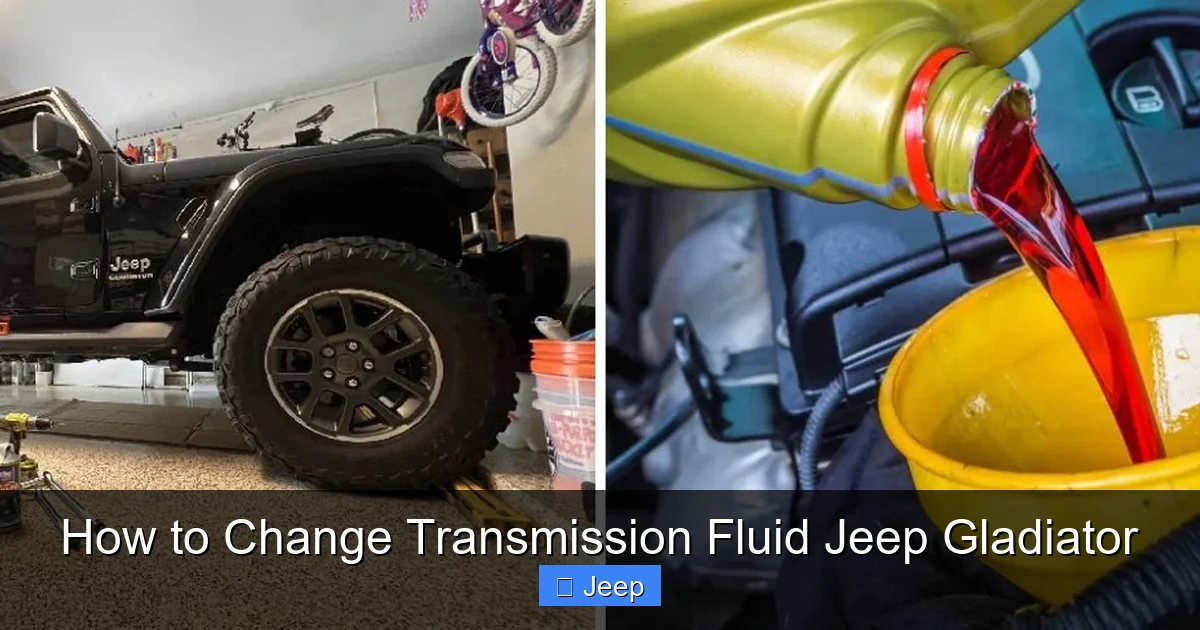
The manual job is shorter, but the same rules apply: level vehicle, correct lubricant, clean tools, and factory torque values.
Visual guide about How to Change Transmission Fluid Jeep Gladiator
Image source: jeepfixes.com
Open the Fill Plug First
Before draining anything, remove the upper fill plug. This confirms that you will be able to refill the gearbox. If it will not move, do not remove the drain plug. Repair the seized plug or seek help before fluid leaves the transmission.
Drain, Refill, and Level
Place the pan under the lower drain plug and remove it. Let the old lubricant drain fully. Inspect the magnetic tip, if equipped, for fine gray paste or larger chunks. Fine material can be normal wear; chunks, gears, or a strong burnt smell call for diagnosis.
Reinstall the drain plug with its seal and tighten it to specification. Use a hand pump to feed the approved manual transmission fluid into the fill hole. Stop when fluid reaches the bottom edge of the opening or begins to run out. Reinstall the fill plug and seal, then clean the case.
Do not guess the capacity or substitute gear oil because the bottle looks similar. A Gladiator manual transmission may require a specific friction formulation for smooth shifting. If the shifter remains stiff after the service, check the clutch hydraulic system and linkage before adding more fluid.
When to Stop and Diagnose
A manual service should not require force. If the fill pump will not move fluid, check that the vent is open and the correct hose is attached. If the shifter was grinding before the service, fresh lubricant may not repair worn synchronizers or a clutch problem.
5. Test the Repair and Avoid Costly Mistakes
After the service, let the vehicle sit for a few minutes if the procedure calls for it. Then start the engine and check the area around every opened plug. A slow seep is easier to fix before dirt builds up or fluid reaches hot exhaust parts.
Take a short test drive on a quiet road. Try gentle starts, smooth upshifts, downshifts, and reverse. Do not test a repair with hard launches or heavy towing. The goal is to confirm that engagement feels normal and that no warning light appears.
Common Mistakes to Avoid
- Using the wrong fluid: approval matters more than the color or brand name.
- Forgetting the fill plug: remove or verify it before draining the old fluid.
- Guessing the level: sealed automatics need the specified temperature and overflow check.
- Overtightening fasteners: aluminum cases and plastic plugs can crack easily.
- Ignoring debris: metal or burnt fluid may signal a problem that a service cannot fix.
- Assuming one drain replaces everything: torque-converter fluid remains after a pan service.
What About Adaptive Learning?
Some modern automatics adapt shift pressure and timing over time. A fluid service does not automatically require a reset, and the correct relearn procedure depends on the vehicle and scan tool. If shifts remain unusual after the fluid is correct and the level is verified, read our guide on reset transmission adaptive pressure before changing parts or adding chemicals.
Also check the basics: battery voltage, software updates, transmission mounts, and leak sources. A fluid change can improve feel, but it is maintenance, not a cure for every shift complaint.
Keep the Job Documented
Write down the date, mileage, fluid name, quantity used, and part numbers. Take a photo of the drain plug and any debris. This is useful for warranty records, resale, and future troubleshooting. It also helps you notice if the same leak returns.
Conclusion
Knowing how to change transmission fluid Jeep Gladiator models use is mostly about patience and precision. Identify the gearbox, buy the approved fluid, support the vehicle safely, and follow the fill and level procedure. The automatic needs temperature control and often a new pan assembly; the manual needs the fill plug checked before draining.
Take photos as you work, save receipts, and record the mileage and fluid type. If you find large metal pieces, a leak, or persistent harsh shifts, stop and get a professional diagnosis. A careful service today can help your Gladiator stay ready for the road, the job site, and the next trail.
Remember that how to change transmission fluid Jeep Gladiator is a search phrase, not a shortcut. The full procedure includes the correct fluid, safe access, temperature check, and final leak inspection.
Frequently Asked Questions
What type of transmission fluid does a Jeep Gladiator use?
Automatic models commonly use Mopar ATF 8 & 9 Speed or an approved equivalent meeting the required specification. Manual models use a specified manual transmission lubricant. Confirm the exact standard in the owner’s manual or factory service information.
How often should I change the transmission fluid?
Follow the maintenance schedule for your model year and driving conditions. Towing, off-road use, dust, and hot weather may call for earlier inspection, so do not rely on a generic mileage interval.
Can I change the fluid myself?
A manual service is often manageable with basic tools and a hand pump. An automatic service is more complex because it may require a new pan assembly, a scan tool, and a temperature-controlled level check.
How much transmission fluid does a Gladiator need?
The amount depends on the transmission and whether you are draining the pan or filling a dry unit. Use the factory capacity and service procedure rather than a generic online number, and buy a little extra only if the manufacturer permits it.
Does the automatic Gladiator have a transmission dipstick?
Most modern automatic Gladiators use a sealed transmission without a traditional dipstick. The level is checked through a fill or level plug at a specified fluid temperature.
What should I do if I find metal or burnt fluid?
Fine gray material on a manual drain plug may be normal, but large chunks, heavy grit, or a burnt smell need diagnosis. Do not assume a fluid change will fix internal wear, a clutch problem, or a persistent shift fault.