How to Close Evap Vent Solenoid Without Scan Tool
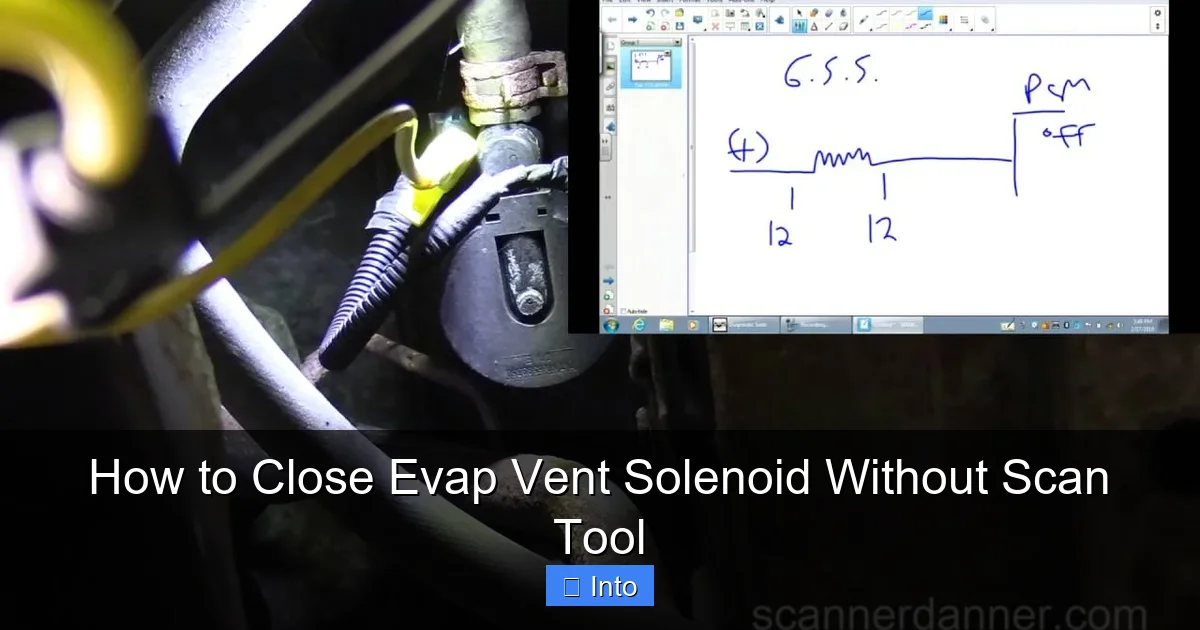
If your car’s EVAP vent solenoid is stuck open and you don’t have a scan tool, you can still close it manually using basic tools. This guide walks you through locating the solenoid, using a vacuum pump or soapy water test, and safely resetting the system to avoid costly repairs.
Key Takeaways
- Understanding the EVAP System: The EVAP vent solenoid controls airflow in the evaporative emission control system to prevent fuel vapor leaks.
- Safety First: Always disconnect the battery and work in a well-ventilated area when handling EVAP components.
- Basic Tools Suffice: A vacuum pump, soapy water, and basic hand tools can help you diagnose and close the solenoid manually.
- Test Before Reassembly: Use a vacuum test or visual inspection to confirm the solenoid is closed properly before restarting the engine.
- Avoid Common Mistakes: Don’t force components or skip checking for leaks, as this can worsen the issue.
- Monitor Performance: After closing the solenoid, drive the car and check for recurring error codes or symptoms.
- Know When to Seek Help: If the solenoid fails repeatedly or you’re unsure, consult a mechanic to prevent further damage.
📑 Table of Contents
Introduction to the EVAP Vent Solenoid Problem
Every car owner has faced the frustration of a check engine light or a rough idle. One of the culprits behind these issues could be a stuck-open EVAP (Evaporative Emission Control) vent solenoid. This small but critical component manages fuel vapor flow in your car’s emissions system. When it malfunctions, it can trigger error codes like P0440 or P0455, leaving you wondering how to fix it without a pricey scan tool.
If you’re handy with a wrench and want to avoid a trip to the shop, there’s good news: closing the EVAP vent solenoid without a scan tool is possible using basic tools and a bit of know-how. This guide will walk you through the process, from locating the solenoid to testing your repair, ensuring your car runs smoothly again.
Understanding the EVAP Vent Solenoid
What Does the EVAP Vent Solenoid Do?
The EVAP vent solenoid is part of your car’s evaporative emission control system. Its primary job is to regulate airflow into and out of the charcoal canister, which stores fuel vapors from the gas tank. When the solenoid is closed, it seals off the system to allow the engine to burn those vapors during operation. If it gets stuck open, it creates a vacuum leak, causing rough idling, poor fuel economy, and that dreaded check engine light.
Common Symptoms of a Faulty Solenoid
- Check Engine Light (often codes like P0440, P0442, or P0455)
- Rough idling or stalling at stops
- Inconsistent acceleration or hesitation
- Fuel odors near the gas tank
These symptoms usually point to a leak in the EVAP system, and the vent solenoid is often the culprit. While a scan tool can pinpoint the exact issue, you can troubleshoot and close the solenoid manually with the right approach.
Tools You’ll Need
Before diving in, gather these common tools:
- Vacuum pump or hand primer: To test the solenoid’s function.
- Soapy water: For leak detection (mix dish soap with water).
- Basic hand tools: Wrenches, screwdrivers, and pliers to access the solenoid.
- Safety gear: Gloves and safety glasses to protect yourself.
- Jack stands: If the solenoid is located under the car.
These items are likely already in your garage, so you won’t need to make a special trip to the auto parts store.
Step-by-Step Guide to Closing the EVAP Vent Solenoid
Step 1: Locate the EVAP Vent Solenoid
The solenoid is typically found near the charcoal canister, which is mounted close to the fuel tank. On most vehicles, it’s a small, cylindrical component with an electrical connector and a vacuum hose attached. Consult your owner’s manual or search online for your specific car’s location. If it’s hidden, you may need to remove panels or shields to access it.
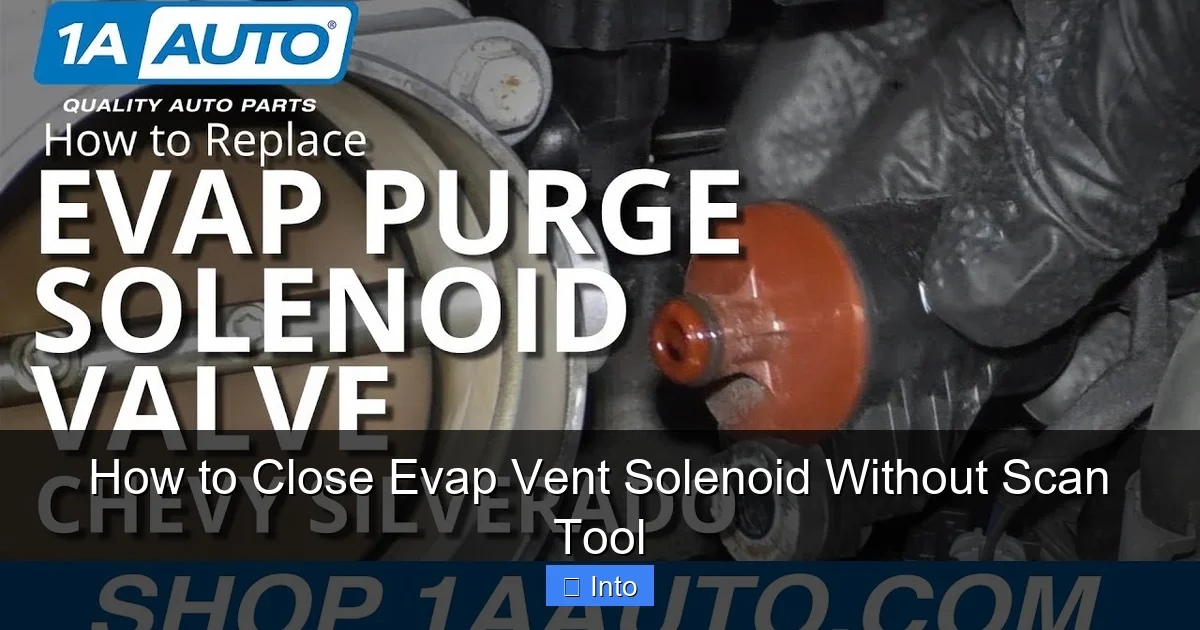
Visual guide about How to Close Evap Vent Solenoid Without Scan Tool
Image source: video-thumbnails-1a.s3.amazonaws.com
Step 2: Disconnect the Battery
Safety first! Disconnect the negative terminal of your car battery to prevent electrical shocks or accidental engine starts. This also resets the ECU, which can help clear temporary error codes.
Step 3: Test the Solenoid with a Vacuum Pump
Attach the vacuum pump to the solenoid’s vacuum port. Apply pressure and observe whether the valve closes. If it doesn’t seal properly, you’ll need to manually close it. If you don’t have a vacuum pump, use soapy water to check for leaks: spray it on the solenoid and watch for bubbles, which indicate escaping air.
Step 4: Manually Close the Solenoid
If the solenoid is stuck open, gently tap it with a screwdriver handle while applying vacuum pressure. Sometimes, this dislodges debris causing the valve to stick. If that doesn’t work, remove the solenoid and clean it with compressed air. For a more thorough fix, replace the solenoid’s internal diaphragm or spring if accessible.
Step 5: Reassemble and Test
Once closed, reattach all hoses and electrical connections. Reconnect the battery and start the engine. Let it idle for a few minutes. If the rough idling or check engine light disappears, your repair worked. If not, double-check all connections or consider replacing the solenoid entirely.
Step 6: Clear Error Codes
If your car’s computer still shows error codes, try disconnecting the battery for 10–15 minutes to reset the ECU. Alternatively, you can use a basic OBD2 scanner to clear codes manually. For Toyota models, some owners use a paperclip or jumper wire to reset the system, though this method varies by vehicle.
Common Mistakes to Avoid
- Forgetting to disconnect the battery: This risks electrical shorts or accidental engine starts.
- Over-tightening components: Damaging hoses or connectors can create new leaks.
- Skipping leak tests: A poorly sealed solenoid will keep triggering error codes.
- Ignoring other EVAP components: A faulty gas cap or cracked hose can mimic solenoid issues.
Take your time and double-check each step. Rushing leads to mistakes that could leave you stranded.
When to Seek Professional Help
While closing the EVAP vent solenoid without a scan tool is doable, some situations call for a pro:
- If the solenoid fails repeatedly after manual closure.
- If you’re unsure about locating or accessing the component.
- If multiple EVAP-related error codes appear.
- If fuel odors persist despite your repair.
A mechanic with a scan tool can diagnose deeper issues, such as a failing charcoal canister or wiring faults. For complex systems like SCR (Selective Catalytic Reduction) systems, professional diagnostics are essential.
Conclusion
Closing your EVAP vent solenoid without a scan tool isn’t just possible—it’s a practical skill every DIYer should have. By following these steps, you can save money, avoid unnecessary trips to the shop, and gain confidence in your car’s inner workings. Remember to prioritize safety, test thoroughly, and don’t hesitate to ask for help if needed. With a little patience and the right tools, you’ll have your car running smoothly again in no time.
For more guides on car maintenance without expensive tools, check out our articles on resetting ABS lights or resetting ignition coils. Happy fixing!
Frequently Asked Questions
Why would I need to close the EVAP vent solenoid manually?
If the solenoid gets stuck open due to debris or wear, it can trigger a vacuum leak, causing rough idling and error codes. Manually closing it restores proper system function until a replacement part is available.
What tools do I need to close the EVAP vent solenoid?
You’ll need a vacuum pump or hand primer, soapy water for leak detection, basic hand tools, and safety gear. A jack may be required if the solenoid is under the car.
Can I use a vacuum pump to test the solenoid?
Yes, applying vacuum pressure to the solenoid should cause it to seal. If it fails to close, you can manually tap or clean it to dislodge debris.
What if the solenoid doesn’t close properly?
Repeat the vacuum test, clean the solenoid with compressed air, or replace it if necessary. Persistent issues may indicate a faulty component or deeper system problem.
Is it safe to work on the EVAP system without a scan tool?
Yes, as long as you follow safety steps like disconnecting the battery and testing thoroughly. Avoid forcing components, and consult a mechanic if unsure.
How often should I check the EVAP system?
Inspect the system annually or when symptoms like a check engine light arise. Regular checks help catch leaks or wear early, preventing costly repairs.