Why Is My Radiator Building Up Too Much Pressure
If your radiator is building up too much pressure, it usually means something in the cooling system is not working right. The cause could be a bad radiator cap, trapped air, a thermostat problem, or even a head gasket leak. Ignoring it can lead to overheating, coolant loss, and serious engine damage, so it is best to check the issue early.
Why Is My Radiator Building Up Too Much Pressure
If you have ever opened the hood and noticed a swollen hose, coolant smell, or a bubbling overflow tank, you may have asked yourself, why is my radiator building up too much pressure? It is a common question, and for good reason. A cooling system should run under controlled pressure, not unsafe pressure.
When pressure gets too high, your engine can run hotter than it should. Coolant may leak out. Hoses can burst. In the worst cases, the engine can suffer major damage. The good news is that the cause is often something you can trace with a few basic checks.
In this guide, we will break down the most common reasons a radiator builds up too much pressure, the signs to watch for, and what you can do next. If you have been wondering, why is my radiator building up too much pressure, this will help you narrow it down fast.
Key Takeaways
- Too much radiator pressure is a warning sign: It often points to a cooling system fault that should not be ignored.
- The radiator cap matters: A weak or damaged cap can let pressure build too high or escape at the wrong time.
- Air pockets can cause trouble: Trapped air in the cooling system can raise pressure and create hot spots.
- Engine issues can be the root cause: A blown head gasket or cracked head can push combustion gases into the coolant.
- Overheating and low coolant go together: If pressure is too high, coolant may boil, leak, or get forced out of the overflow tank.
- Simple checks can help: Inspect hoses, coolant level, cap condition, and thermostat function before bigger repairs.
- Fast action can save money: Catching the problem early can prevent major engine damage and costly repairs.
Quick Answers to Common Questions
Why is my radiator building up too much pressure after a coolant change?
Air may be trapped in the system. If the cooling system was not bled properly, pressure can rise fast and cause bubbling or overheating.
Can a bad radiator cap cause too much pressure?
Yes. A worn or damaged cap can fail to regulate pressure correctly. That can lead to leaks, overflow, or unstable cooling system behavior.
Is it safe to drive with high radiator pressure?
No, not for long. High pressure can lead to overheating, hose failure, or coolant loss. It is best to inspect the issue before driving much farther.
Does too much pressure always mean a blown head gasket?
No. A head gasket is one possible cause, but not the only one. A thermostat, cap, air pocket, or blocked radiator can also create pressure problems.
Why does my overflow tank keep filling up?
That often means the system is pushing coolant out under heat or pressure. It may be normal once in a while, but if it happens often, there is likely a fault in the cooling system.
📑 Table of Contents
How Radiator Pressure Is Supposed to Work
Normal pressure is part of the system
Your cooling system is sealed and designed to work under pressure. That pressure helps raise the boiling point of the coolant. In simple terms, it lets the engine run hotter without boiling the fluid too soon.
The radiator cap is a big part of this setup. It holds pressure up to a certain limit. If pressure gets too high, the cap releases some of it into the overflow tank. That is normal. The problem starts when pressure rises too fast or too often.
What too much pressure looks like
If you are asking, why is my radiator building up too much pressure, look for signs like these:
- Hoses that feel rock hard soon after startup
- Coolant pushed into the overflow tank very quickly
- Coolant leaks near the radiator cap or hose joints
- Steam or a sweet smell from the engine bay
- Engine temperature climbing higher than normal
These signs do not always mean the same thing. But they do mean the system needs attention.
The Most Common Reasons Your Radiator Has Too Much Pressure
1. A bad radiator cap
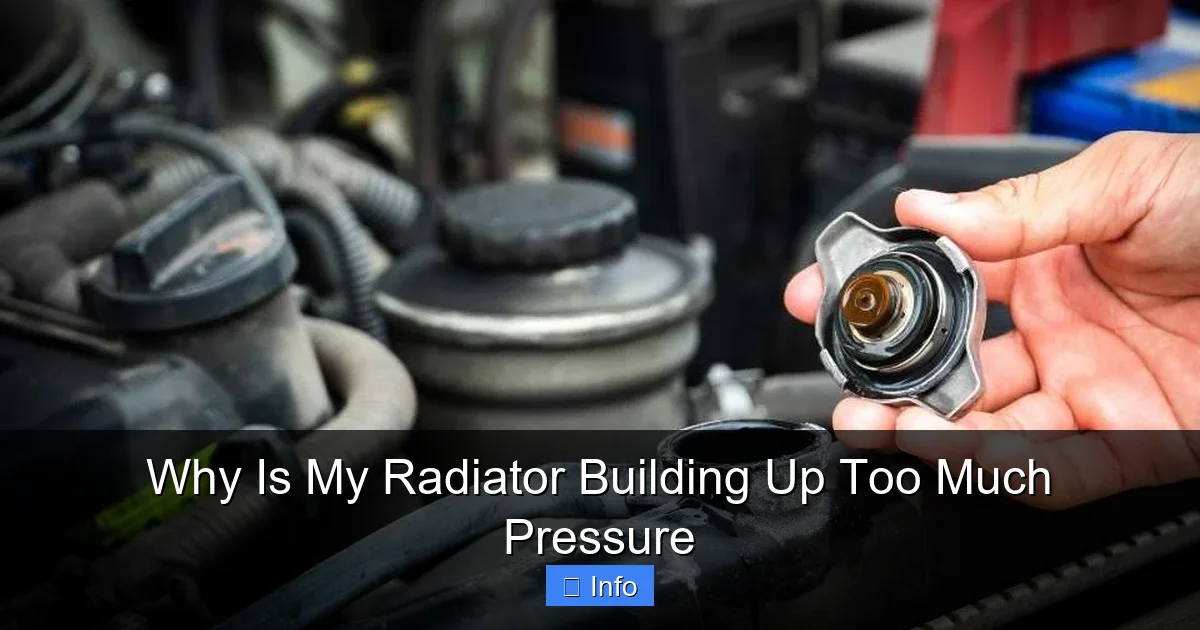
The radiator cap is often the first place to check. It may seem small, but it does an important job. It keeps the system sealed and controls when pressure is released.
Visual guide about Why Is My Radiator Building Up Too Much Pressure
Image source: yourmotorfix.com
If the spring is weak, the rubber seal is cracked, or the cap does not fit well, pressure can act strange. In some cases, pressure may build unevenly. In others, coolant may escape too early, which can make the system behave as if it has too much pressure.
If you are wondering why is my radiator building up too much pressure, a worn cap is one of the easiest and cheapest causes to rule out.
2. Trapped air in the cooling system
Air pockets can cause a lot of trouble. Coolant moves heat away from the engine, but air does not. When air gets trapped inside, it can create hot spots and sudden pressure changes.
This often happens after a coolant flush, hose replacement, or any repair where the system was opened. If the system was not bled properly, air may stay inside and keep causing problems.
A simple example: a driver tops off coolant after a leak, but does not bleed the system. The car runs fine for a short time, then starts overheating and pushing coolant into the overflow tank. That is a classic sign to ask, why is my radiator building up too much pressure.
3. A stuck thermostat
The thermostat controls coolant flow. When the engine is cold, it stays closed. Once the engine warms up, it opens and lets coolant circulate.
If the thermostat sticks closed or opens too slowly, coolant cannot move through the engine like it should. Heat builds up fast. That can lead to pressure spikes, overheating, and coolant being forced into places it should not go.
A stuck thermostat can create a pattern where the top radiator hose gets very hot, but the lower hose stays much cooler than normal. That is a useful clue.
4. Combustion gases leaking into the coolant
This is one of the more serious causes. If you keep asking, why is my radiator building up too much pressure, and the problem keeps coming back, a blown head gasket could be the reason.
When a head gasket fails, or when a cylinder head cracks, combustion gases can leak into the cooling system. Those gases are under huge pressure. They force their way into the coolant and create constant pressure buildup.
Signs of this problem may include:
- Bubbles in the radiator or overflow tank
- White exhaust smoke
- Milky oil
- Repeated overheating
- Coolant loss with no clear external leak
This is not a small issue. If you suspect combustion gases are entering the cooling system, get the vehicle checked soon.
5. Coolant overheating or boiling
Sometimes the pressure is not the first problem. The engine may be overheating first, and the extra heat causes the pressure to rise.
This can happen from low coolant, a weak water pump, a clogged radiator, or poor airflow through the radiator. Once coolant gets too hot, it expands more than normal. That extra expansion raises pressure inside the system.
Think of it like a kettle on the stove. The hotter the liquid gets, the more it wants to move and expand. In a car, that can quickly become a pressure issue.
6. Blocked hoses or a restricted radiator
If coolant cannot move freely, pressure can rise in the wrong places. A collapsed hose, internal blockage, or clogged radiator can all restrict flow.
When flow is blocked, heat stays in the engine longer. That leads to higher temperatures and more pressure. You might notice one hose is much hotter than the other, or that the radiator has uneven heat across its surface.
This is another reason people ask, why is my radiator building up too much pressure, even when the coolant level looks fine.
What Signs Should You Watch For?
Pressure problems rarely stay hidden
When the cooling system is under stress, it usually gives you clues. The trick is knowing what to look for before the problem gets worse.

Visual guide about Why Is My Radiator Building Up Too Much Pressure
Image source: perezhilton.com
Common warning signs
- Coolant smell after driving
- Overflow tank filling too quickly
- Hoses swelling or feeling unusually hard
- Temperature gauge moving higher than normal
- Coolant leaking from the cap or reservoir
- Bubbling sounds after shutting off the engine
If you notice more than one of these at the same time, do not ignore it. The system may be telling you that pressure is not being controlled properly.
When the car is cold, check again
Always inspect the system when the engine is cold. Never remove a radiator cap on a hot engine. Pressure can spray hot coolant and cause serious burns.
Once the engine cools, check the coolant level, cap condition, hoses, and overflow tank. Small clues often point to the real issue.
How to Diagnose the Problem Step by Step
Start with the easy checks
If you are still asking, why is my radiator building up too much pressure, start with the basics. Many pressure issues can be narrowed down without special tools.
Visual guide about Why Is My Radiator Building Up Too Much Pressure
Image source: static.fmgsuite.com
- Check the radiator cap for cracks or worn seals
- Look for coolant leaks around hoses and clamps
- Inspect the overflow tank for bubbles or overflow
- Make sure the coolant level is correct
- Watch the temperature gauge during a short drive
Feel the hoses carefully
When the engine is warm, radiator hoses should feel firm but not stone hard. If they are rock solid too soon, that can point to excess pressure or combustion gases in the system.
A lower hose that stays cool while the engine is hot can suggest a thermostat or flow issue. A hose that swells or leaks can point to pressure that is too high for the system to handle.
Use a pressure test if needed
A cooling system pressure test can reveal leaks and help show whether the system is holding pressure correctly. A mechanic may also use a block test to check for exhaust gases in the coolant.
If you do not have the tools, do not guess. A proper test can save time and stop you from replacing the wrong part.
How to Fix Too Much Radiator Pressure
Replace the radiator cap if it is worn
This is one of the simplest fixes. If the cap does not hold pressure properly, replacing it may solve the issue. Make sure you use the correct cap rating for your vehicle.
Bleed the cooling system
If air is trapped inside, bleeding the system may help. Some vehicles have bleed screws. Others require a specific fill process. Check the service instructions for your car before you start.
Replace a faulty thermostat
If the thermostat sticks, it should be replaced. This is not a part that usually gets better with time. A new thermostat can restore proper coolant flow and help keep pressure under control.
Repair leaks and damaged hoses
A cracked hose or loose clamp can make the cooling system act unstable. Replace damaged parts as soon as possible. Even a small leak can lead to air entering the system and pressure problems later.
Address serious engine issues quickly
If the problem is a head gasket, cracked head, or similar engine fault, the repair is more involved. But it is important to fix it fast. Driving with this kind of issue can lead to overheating, warped parts, or total engine failure.
For owners who also care about keeping other vehicle systems in top shape, it helps to stay on top of maintenance across the board. For example, choosing the right parts matters just as much in other systems, like finding the best inline low pressure 12V electric fuel pumps for reliable performance or the best RV shower heads for low water pressure. The same idea applies here: the right part keeps the whole system working the way it should.
How to Prevent Radiator Pressure Problems in the Future
Keep up with coolant maintenance
Old coolant loses protection over time. It can become dirty, acidic, or less effective at handling heat. Follow your vehicle’s service schedule for coolant changes and system checks.
Watch for small leaks early
Small leaks often turn into bigger ones. If you see dried coolant, smell antifreeze, or notice the level dropping, do not wait. Early repair is much easier than dealing with an overheated engine later.
Use the correct coolant mix
The wrong coolant mix can affect boiling point and pressure behavior. Most vehicles need the right balance of coolant and water. Too much water can lower protection. Too much coolant can also cause problems in some systems.
Do not ignore overheating
If the temperature gauge rises, pull over safely and let the car cool down. Repeated overheating can damage the head gasket, thermostat, hoses, and radiator. It can also make you keep asking, why is my radiator building up too much pressure, because the root cause keeps getting worse.
Conclusion
If you have been wondering why is my radiator building up too much pressure, the answer is usually found in the cooling system itself. A bad cap, trapped air, stuck thermostat, clogged flow path, or serious engine leak can all push pressure too high.
The key is to catch the signs early. Watch for hard hoses, coolant loss, overheating, and bubbles in the overflow tank. Start with simple checks, and move to testing if the problem does not go away.
A healthy cooling system keeps your engine safe. A pressure problem is your car’s way of saying something is wrong. Listen early, fix the cause, and you can avoid a much bigger repair later.
Frequently Asked Questions
What causes a radiator to build pressure too fast?
The most common causes are a bad radiator cap, trapped air, a stuck thermostat, or combustion gases entering the coolant. Any of these can make the system pressurize faster than normal.
Can low coolant cause high pressure?
Yes, indirectly. Low coolant can lead to overheating, and overheating raises pressure inside the system. It can also let air into the system, which makes pressure control worse.
How do I know if my radiator cap is bad?
Look for cracks, worn rubber seals, or signs of coolant leaking around the cap area. If the system keeps losing pressure or overflowing, the cap is a good part to test first.
Why are my radiator hoses so hard?
Hard hoses can mean the system is under normal operating pressure, but if they feel rock hard very quickly, that can signal excess pressure. It may point to overheating or exhaust gases in the coolant.
Can a clogged radiator cause pressure issues?
Yes. A clogged radiator blocks coolant flow and makes heat build up in the engine. That extra heat can raise pressure and cause coolant to boil or escape.
When should I see a mechanic?
If the problem keeps coming back, the engine overheats, or you see bubbles in the coolant, it is time to get help. A mechanic can run pressure tests and find the exact cause before more damage happens.