How to Leave Car Running with Doors Locked
Leaving your car running with doors locked can be handy for quick warm‑ups or climate control, but it requires caution. This guide walks you through safe methods, battery protection, and legal considerations so you can enjoy a comfortable ride without risking your vehicle or breaking the law. Follow these tips to keep your car running smoothly and securely.
Key Takeaways
- Understand the law: Many regions restrict leaving a running car unattended; always check local regulations.
- Choose the right method: Key‑on, remote start, or valet mode can keep the engine alive while doors stay locked.
- Protect the battery: Constant idling can drain the battery; use a maintainer or disconnect the negative terminal if you’re away for hours.
- Maintain climate control safely: Run AC or heat for a limited time and keep windows cracked slightly to avoid fume buildup.
- Secure the vehicle: Use the alarm system, steering wheel lock, or parking brake to deter theft while the engine runs.
- Monitor for issues: Regularly check battery health and engine performance to avoid unexpected failures.
- Consider alternatives: Pre‑heat with remote start or use a battery‑powered seat heater for short waits.
📑 Table of Contents
- Getting Started: Why Leave Your Car Running?
- Safety First: Legal and Security Considerations
- Methods to Keep the Engine Running with Locked Doors
- Maintaining Battery Health While the Engine Idles
- Comfort and Climate Control: Running AC, Heat, or Audio
- When Not to Leave Your Car Running: Risks and Alternatives
- Conclusion: Stay Safe, Stay Smart
Getting Started: Why Leave Your Car Running?
Sometimes life throws a curveball. You might be grabbing coffee, waiting for a friend, or simply want the cabin warm on a cold morning. Leaving your car running with doors locked can solve these moments quickly. But it’s not as simple as turning the key and walking away. You need the right approach, a bit of knowledge, and a safety mindset.
In this article, we’ll break down how to leave your car running safely. We’ll cover legal rules, the best methods for keeping the engine alive, and how to protect your battery and security. You’ll also learn how to keep the climate control working without causing problems. By the end, you’ll feel confident handling any short‑term idle situation.
Legal Basics You Must Know
Before we dive into tricks, let’s check the law. Many states and countries have rules about leaving a motor vehicle running unattended. Some places consider it a traffic violation, while others only restrict it if it poses a risk. Always look up your local traffic code or ask a local law enforcement officer.
Even if the law permits it, common sense applies. Leaving a car running in a closed garage can cause carbon monoxide to seep inside—a serious hazard. In open areas, the risk is lower, but you still want to avoid leaving it running for long periods.
Safety First: Legal and Security Considerations
Security is another big reason to be careful. A running car can be a target for thieves who might try to hot‑wire it. Most modern cars have immobilizers and alarm systems that engage when the doors unlock, but those systems may not activate while the engine is still running.
Visual guide about How to Leave Car Running with Doors Locked
Image source: hondatheotherside.com
To boost security, engage the alarm system before you walk away. Use the steering wheel lock if you have one, and consider setting the parking brake. Some vehicles have a “valet mode” that limits speed and disables certain features—great for short stops.
Never leave valuables in plain sight. If you’re running the AC to keep the cabin cool, make sure windows are closed and that no obvious items are visible through the glass.
Methods to Keep the Engine Running with Locked Doors
Key‑On Mode: The Classic Approach
Key‑on mode means you turn the ignition to the “on” position (or “accessory” for some cars) while keeping the key in the barrel. The engine stays running, and the doors can be locked with the remote. This method works well for short waits—under five minutes.
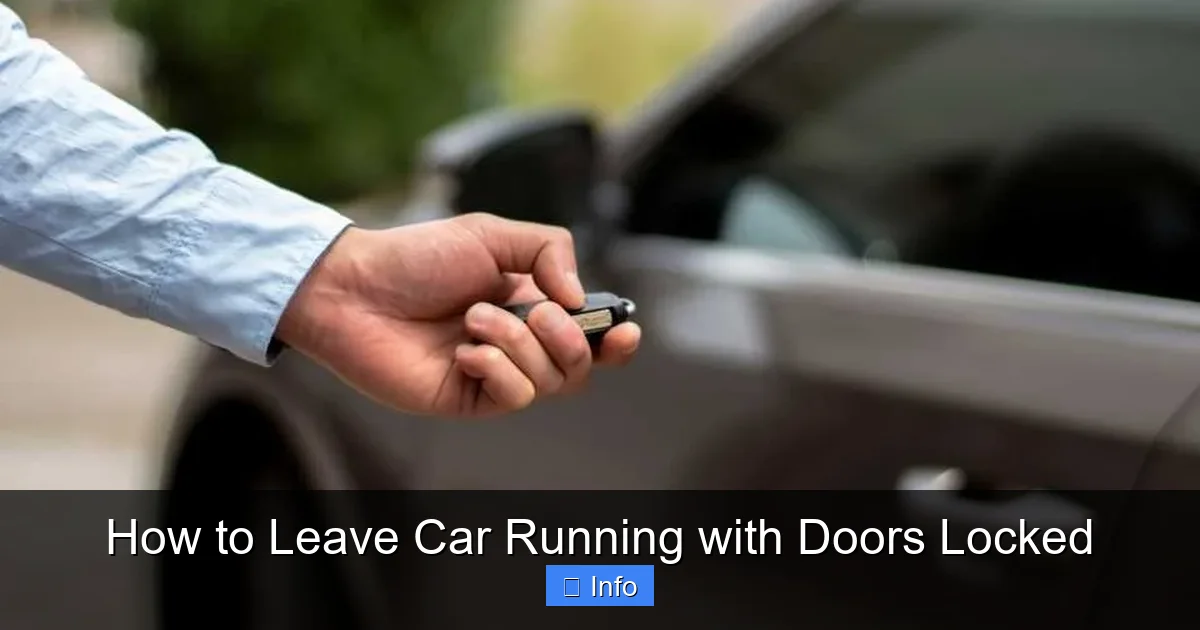
Visual guide about How to Leave Car Running with Doors Locked
Image source: yourmotorfix.com
Pros: Simple, no extra equipment needed. Cons: Requires you to stay nearby; the key can be stolen if someone accesses the ignition area. Also, some cars will shut off the engine after a set idle time to save fuel.
Remote Start and Valet Mode
Many newer vehicles come with remote start. You can start the engine from your phone or fob, lock the doors, and walk away. The engine will idle until you return or until a timer shuts it off (usually 10‑20 minutes). This is perfect for pre‑heating or pre‑cooling the cabin.
Valet mode, often found on luxury and many mainstream cars, limits the vehicle’s speed and disables some features. You can start the car in valet mode, lock the doors, and the car will stay running but won’t exceed a set speed. This adds a layer of security.
Using the Vehicle’s Built‑In Sleep/Idle Management
Some cars have an “idle management” system that allows you to leave the engine running while the doors are locked. This is often triggered by pressing the brake and turning on the “stay‑engine” feature. Check your owner’s manual for the exact button or setting.
These systems often include automatic shut‑off after a period of inactivity to protect the battery. They’re a good middle ground between convenience and safety.
Maintaining Battery Health While the Engine Idles
Why Battery Drain Is a Concern
Even though the engine is running, the alternator recharges the battery. However, if you run the car for a long time—say, more than 30 minutes—the battery can still drop, especially if you have accessories like lights, sound systems, or GPS running.
Visual guide about How to Leave Car Running with Doors Locked
Image source: auttomotive.com
Older batteries, or those in cold climates, are more vulnerable. A fully charged battery can still lose voltage if the alternator isn’t producing enough power to meet demand.
Tips to Protect the Battery
One simple trick is to turn off all unnecessary electronics before you lock the doors. If you need the radio or phone charger, keep usage low. You can also disconnect the negative terminal temporarily, but be sure you can reconnect quickly.
For longer idle periods, consider using a battery maintainer. These small devices keep the battery at optimal voltage and prevent sulfation. They’re especially useful if you live in a cold region. Learn more about maintaining a car battery in cold weather.
How to Monitor Battery Health
Modern cars often have a battery health indicator on the dashboard. If you notice a warning light (often shaped like a battery), pull over and check the voltage. A simple multimeter can also give you a reading.
If the battery is weak, you might want to replace it before relying on long idle sessions. A healthy battery will handle the stop‑and‑go of short runs much better than a failing one. Read how to diagnose a car battery problem for deeper insight.
Comfort and Climate Control: Running AC, Heat, or Audio
Using Climate Control Safely
When you leave the car running, the AC or heater can keep the cabin at a comfortable temperature. This is especially helpful on hot summer days or freezing winters. However, you must ensure proper ventilation.
Running the AC for long periods can strain the compressor and drain fuel. Use the “recirculate” mode to cool already‑inside air rather than pulling in hot outside air. Set the fan to low and aim for a steady temperature.
Keeping the Cabin Comfortable Without Draining the Engine
If you only need a quick warm‑up, consider using a remote start to pre‑heat the cabin. Then you can lock the doors and step inside without the engine running. Many cars allow you to keep the climate control on for a short time after the engine shuts off (a feature called “auto‑start/stop”).
For audio, keep the volume modest. High‑power stereo systems draw more current, which can stress the alternator and battery during idle.
Maintaining Air Quality
Idling with the AC on can trap pollutants inside if the system isn’t circulating fresh air. Make sure the ventilation system is set to “fresh air” or periodically switch to “recirculate” to balance. A clean cabin air filter helps maintain good air quality and reduces strain on the AC system. Find out how to clean a car air conditioner filter.
When Not to Leave Your Car Running: Risks and Alternatives
Environmental Impact
Leaving a car idling emits CO₂ and other pollutants. Even a few minutes of idle time adds up, especially in congested areas. Many environmental agencies recommend turning off the engine if you expect to be stationary for more than 30 seconds.
Theft Risks
Although modern cars have anti‑theft systems, a running engine can be a target. Thieves may try to hot‑wire the vehicle or steal the key if they gain access to the cabin. Always lock the doors and use additional security measures like steering wheel locks.
Better Alternatives
If you need a warm car, consider using a remote start to pre‑heat the cabin, then turn off the engine. Battery‑powered seat heaters can provide warmth without the engine running. For short waits, a timer or app that controls the climate system may be a smarter solution.
Pre‑heating with a timer ensures you get a comfortable interior without wasting fuel or putting extra strain on the battery. Many newer models allow you to schedule start times via the vehicle’s infotainment system.
Conclusion: Stay Safe, Stay Smart
Leaving your car running with doors locked can be a useful shortcut for quick stops, but it demands respect for the law, safety, and your vehicle’s health. Choose the method that fits your car and situation, protect the battery, and keep an eye on climate control use. By following the tips above, you can enjoy the convenience of a ready‑to‑go car while minimizing risk.
Remember to check local regulations, engage security features, and consider alternatives when possible. A little planning goes a long way toward keeping you, your car, and the environment safe.
Frequently Asked Questions
Is it legal to leave my car running with the doors locked?
Legality varies by jurisdiction. Many areas allow it for short periods, but some consider it a traffic violation. Always review your local traffic laws or ask a local authority for clarification. Even where legal, safety and environmental concerns still apply.
What is the safest way to keep the engine running while the doors are locked?
Use remote start or valet mode if your vehicle has them. These features let you start the engine, lock the doors, and let the car idle safely. For very short waits, key‑on mode works, but stay nearby.
How long can I safely leave a car idling?
Most experts recommend no more than 10–15 minutes of continuous idle time. Longer periods waste fuel, increase emissions, and can harm the battery and engine components.
Will leaving the car running drain the battery?
Yes, if the alternator isn’t fully charging the battery, especially with accessories on. Use a battery maintainer or disconnect the negative terminal for longer idle periods to protect the battery.
Can I run the AC while the car is locked and idling?
Yes, but keep the fan on low and use recirculate mode to reduce strain. Running the AC for extended times can overheat the compressor and waste fuel.
What should I do if I notice the battery warning light while the car is running?
Pull over safely, turn off the engine, and check the battery terminals for corrosion. If the light stays on, consider using a battery diagnostic tool or seek professional help to avoid a dead battery.