How to Keep a Car Window from Sliding Down
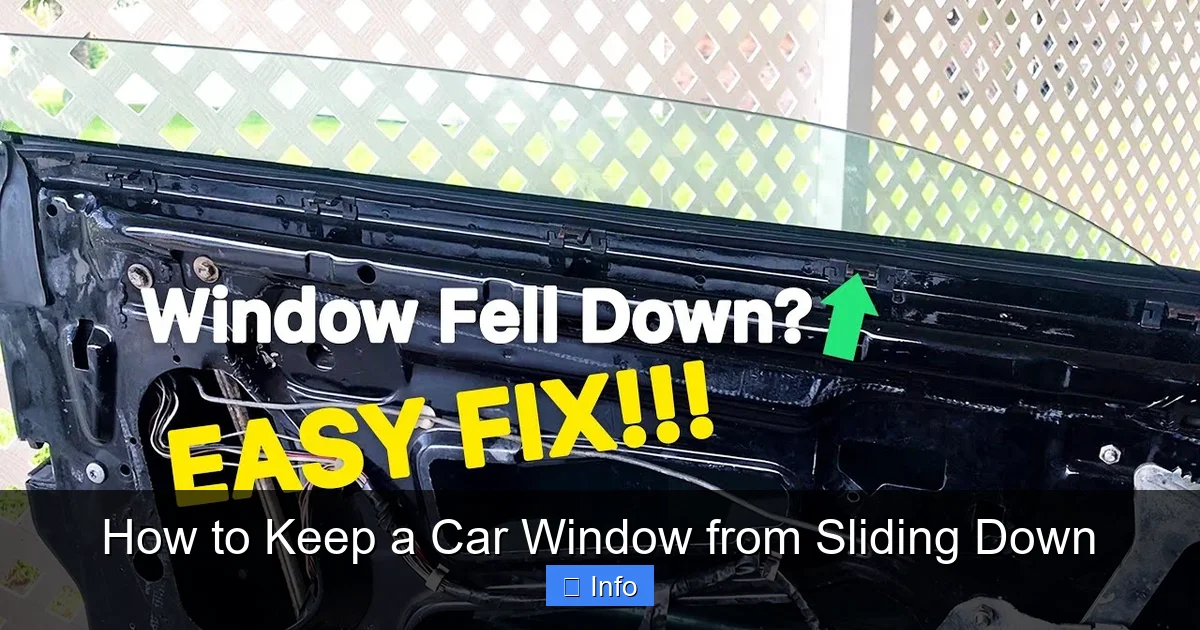
Dealing with a window that won’t stay up is frustrating and unsafe. To keep a car window from sliding down, you usually need to fix a broken regulator, a worn-out motor, or a slipped clip. This guide provides temporary quick fixes and permanent repair solutions to secure your glass and protect your vehicle.
Imagine you are getting ready for a road trip. You close your windows, lock the doors, and walk away. You come back an hour later only to find that one of your windows has slowly slid down on its own. Now, your car is open to the rain, dust, and potential thieves. It is a stressful situation that happens to more drivers than you might think.
When you are wondering how to keep a car window from sliding down, the first thing to realize is that your window doesn’t just “fall.” It is held in place by a complex system of cables, gears, and motors. When one of these parts fails, gravity takes over. The good news is that whether you are a handy DIY enthusiast or someone who barely knows how to check the oil, there are ways to handle this.
In this guide, we will walk through why this happens and provide a step-by-step approach to fixing it. We will cover everything from “emergency” hacks to permanent mechanical repairs. Let’s get your car sealed back up and secure.
Key Takeaways
- Identify the Cause: The problem is usually a broken window regulator, a failed motor, or a loose mounting clip.
- Temporary Fixes: Use painters tape, wedge blocks, or window clips to hold the glass up until you reach a shop.
- Permanent Solutions: Replacing the window regulator or the motor is the only way to fully resolve the issue.
- Preventative Care: Keep window tracks clean and lubricated to prevent future failures.
- Safety First: Never force a window up by hand if the motor is grinding, as this can shatter the glass.
- Cost Factors: DIY repairs are cheaper, but professional installation ensures a perfect seal against rain and wind.
📑 Table of Contents
Why Does a Car Window Slide Down on Its Own?
Before we jump into the fixes, we need to understand the “why.” Your car window is supported by a component called the window regulator. Think of the regulator as the skeleton of the window. It uses a motor to pull cables or move a gear track that pushes the glass up and holds it there.
The Broken Regulator
The most common culprit is a broken regulator. Over time, the metal cables can fray and snap. Once a cable snaps, there is nothing to counteract gravity. The window may slide down slowly or drop suddenly with a loud thud. If you hear a grinding noise when you press the window button, the regulator is likely the problem.
Worn Out Window Motors
The motor provides the power. If the motor’s internal gears wear down or the motor burns out, it may not have enough strength to hold the window in the “up” position. While less common than cable failure, a weak motor can allow the window to “creep” downward over time.
Slipped Clips or Guides
The glass is attached to the regulator via plastic or metal clips. Sometimes, these clips simply pop out of place. If the clip on one side slips, the window becomes tilted. This imbalance makes it much easier for the window to slide down because it is no longer sitting squarely in its tracks.
Temporary Ways to Keep a Car Window From Sliding Down
Let’s be honest: you might not have the time or tools to take apart your door panel right this second. If you are in a pinch, you need a temporary solution to keep the elements out. Here are a few ways to secure the glass quickly.
Visual guide about How to Keep a Car Window from Sliding Down
Image source: vehiclefreak.com
The Wedge Method
This is the oldest trick in the book. Once you manually push the window up as far as it will go, slide a piece of wood, a thick piece of cardboard, or a folded-up rag into the gap between the glass and the window seal. This creates enough friction to hold the window up. Just be careful not to jam it so hard that you crack the glass.
The Tape Method
If you have strong adhesive tape (like duct tape or heavy-duty painters tape), you can tape the glass to the top of the door frame. While this isn’t the prettiest look, it is very effective at keeping the window from sliding down during a rainstorm. Avoid using adhesives that leave a permanent residue on your paint.
The “Hand-Push and Prayer” Method
Some people try to simply push the window up and hope it stays. This rarely works for long. If you must do this, try to push the window up and then gently tap the top of the glass to ensure it is seated firmly in the weatherstripping. However, this is the least reliable method and should only be used for a few minutes.
Step-by-Step: How to Fix a Sliding Window Permanently
If you want a permanent fix, you have to go inside the door. While this sounds intimidating, many people can do this with a basic tool kit. If you are already spending time maintaining your vehicle—perhaps you’ve recently learned how to replace windshield wipers on a car—you already have the basic mindset for these small maintenance tasks.
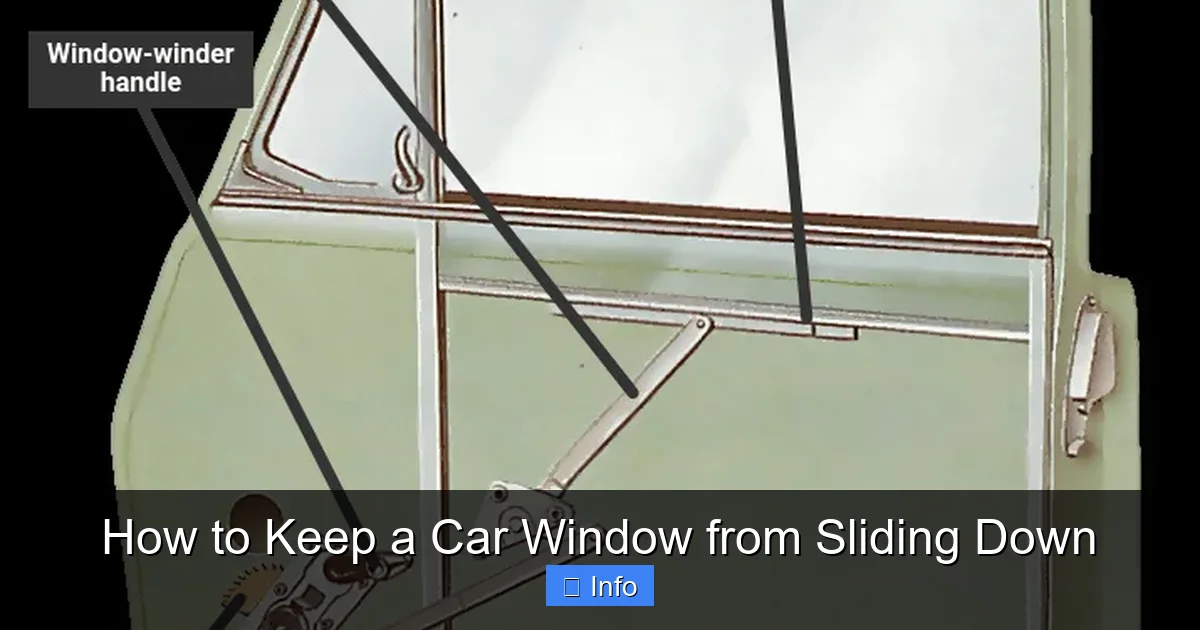
Visual guide about How to Keep a Car Window from Sliding Down
Image source: howacarworks.com
Step 1: Remove the Door Panel
To get to the regulator, you have to remove the interior door panel. Start by removing the screws. These are usually hidden behind small plastic caps or inside the door handle and armrest. Carefully pop the plastic clips around the edge of the panel using a trim tool or a flathead screwdriver wrapped in a cloth to avoid scratching the plastic.
Step 2: Inspect the Regulator and Cables
Once the panel is off, peel back the plastic vapor barrier. Look for the regulator. Look for any snapped cables or loose bolts. If you see a cable that looks like a frayed rope, you’ve found your problem. If the cables look fine, try operating the switch to see if the motor is turning but the glass isn’t moving.
Step 3: Replace the Regulator
Most modern cars sell the regulator and motor as a single assembly. This is much easier than trying to replace just the cable. Unscrew the old regulator, disconnect the electrical plug, and slide the new unit into place. Bolt it down securely and re-attach the glass using the provided clips.
Step 4: Test and Reassemble
Before you put the door panel back on, test the window several times. Make sure it goes up and down smoothly and doesn’t bind. Once you are satisfied, reinstall the vapor barrier and the door panel.
Preventative Maintenance for Your Windows
You can prevent your windows from sliding down in the future by taking a few simple steps. Like any moving part, window mechanisms need care to last.
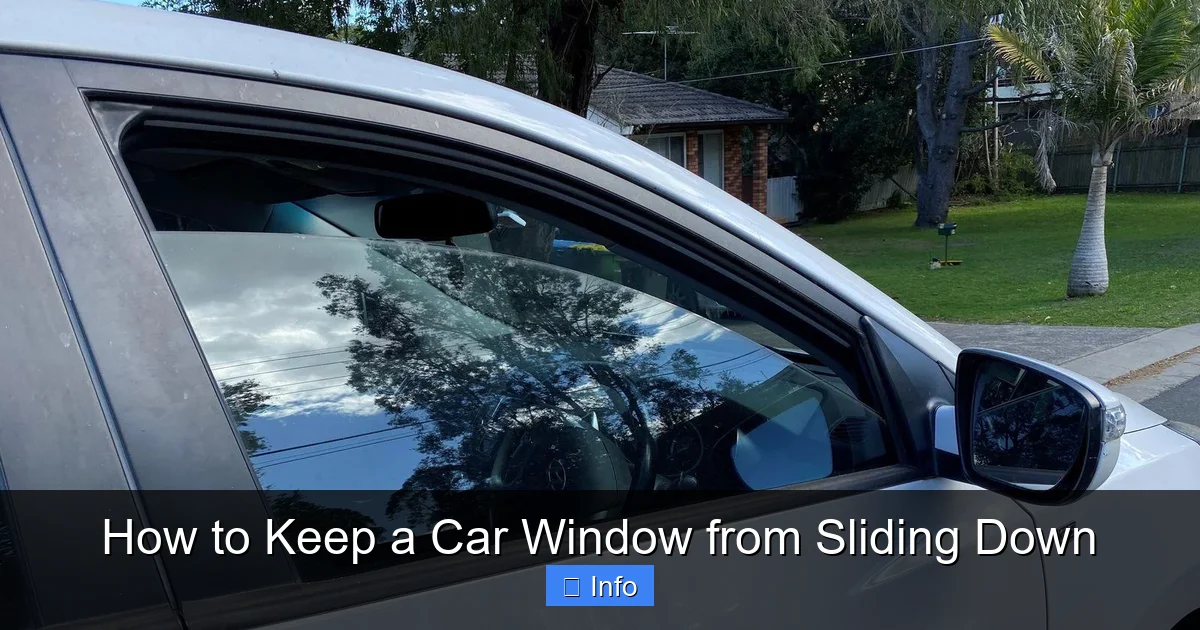
Visual guide about How to Keep a Car Window from Sliding Down
Image source: storables.com
Lubricate the Window Tracks
Dirt and grime build up in the rubber tracks, creating friction. This forces the motor to work harder, which eventually snaps the cables. Every few months, spray a little bit of silicone lubricant into the window channels. This helps the glass glide smoothly and reduces the strain on the regulator.
Avoid Overloading the Window
Avoid leaning your arm heavily on the window glass when it is partially rolled down. This puts lateral pressure on the regulator clips and can cause them to bend or snap. Always lean on the door armrest instead of the glass itself.
Keep the Interior Clean
It might seem unrelated, but a clean car is a well-maintained car. Debris and crumbs can fall into the window tracks and cause jams. If you struggle with keeping your interior tidy, check out our guide on how to keep your car clean with kids inside to ensure your vehicle stays in top shape.
When to Call a Professional
Not every window problem is a DIY job. There are times when you should leave it to the pros to avoid making the problem worse.
Electrical Issues
If the window isn’t moving at all, it might be a blown fuse or a wiring issue. If you aren’t comfortable using a multimeter to test for power, a mechanic is your best bet. Electrical shorts can be dangerous if handled incorrectly.
Luxury or Complex Glass
Some high-end cars have frameless windows or complex indexing systems (where the window drops slightly when you open the door). These are much harder to align. If you have a luxury vehicle, a professional shop has the specialized tools to ensure the window seals perfectly against the wind.
Cracked Glass
If the window slid down because the glass actually broke or cracked at the base, do not attempt to fix it yourself. Broken glass is dangerous and requires professional removal and installation to ensure the new pane doesn’t shatter under pressure.
Comparing DIY vs. Professional Repair Costs
Deciding whether to fix it yourself or go to a shop usually comes down to budget and time. Here is a general breakdown of what to expect.
The DIY Route
Buying a replacement regulator online usually costs between $40 and $120 depending on the car model. The total cost is essentially just the price of the part. The “cost” here is your time—usually 2 to 4 hours of work.
The Professional Route
A shop will charge for both the part and the labor. Labor for window repair typically takes 1 to 2 hours. You can expect to pay anywhere from $200 to $500 total. The benefit is a warranty on the work and the peace of mind that the window won’t fall again next week.
Final Tips for a Secure Ride
Keeping your car secure is about more than just locking the doors. A window that slides down is a major security flaw. If you can’t fix it immediately, remember that a piece of cardboard and some tape are your best friends.
While you are focusing on the windows, take a look at the rest of your car’s exterior and interior. Regular checks—like learning how to clean car headlights at home—keep your car looking new and functioning safely. A well-maintained car is a reliable car.
In conclusion, a sliding window is usually a sign of a failing regulator. Whether you use a temporary wedge to get through the night or replace the assembly for a permanent fix, the goal is the same: keep the rain out and the valuables in. By lubricating your tracks and avoiding leaning on the glass, you can ensure your windows stay exactly where you want them.
Frequently Asked Questions
Can I use glue to keep a window up?
No, you should never use glue. Glue can permanently bond the glass to the frame, making it impossible to ever roll the window down again without breaking the glass.
How do I know if it is the motor or the regulator?
If you hear the motor humming but the window doesn’t move, the regulator (cables/gears) is broken. If there is total silence when you press the button, the motor or the electrical switch is likely the problem.
Will a sliding window eventually shatter?
Usually, no. However, if the window slides down and gets jammed at an angle, the pressure from the door frame could potentially cause it to crack. It is best to secure it immediately.
Can I just replace the cable instead of the whole regulator?
While possible, it is very difficult. Most manufacturers sell the regulator as a complete unit because replacing individual cables is tedious and often results in the window not being perfectly aligned.
How long does a window regulator typically last?
Most regulators last between 10 and 15 years. Factors like how often you use the windows and how much debris gets into the tracks can shorten or lengthen this lifespan.
Is it safe to drive with a window held up by tape?
It is safe for short trips, but it is not a long-term solution. High wind speeds on the highway can put pressure on the tape, potentially causing the window to drop suddenly while you are driving.