How to Remove Double Sided Tape from a Car
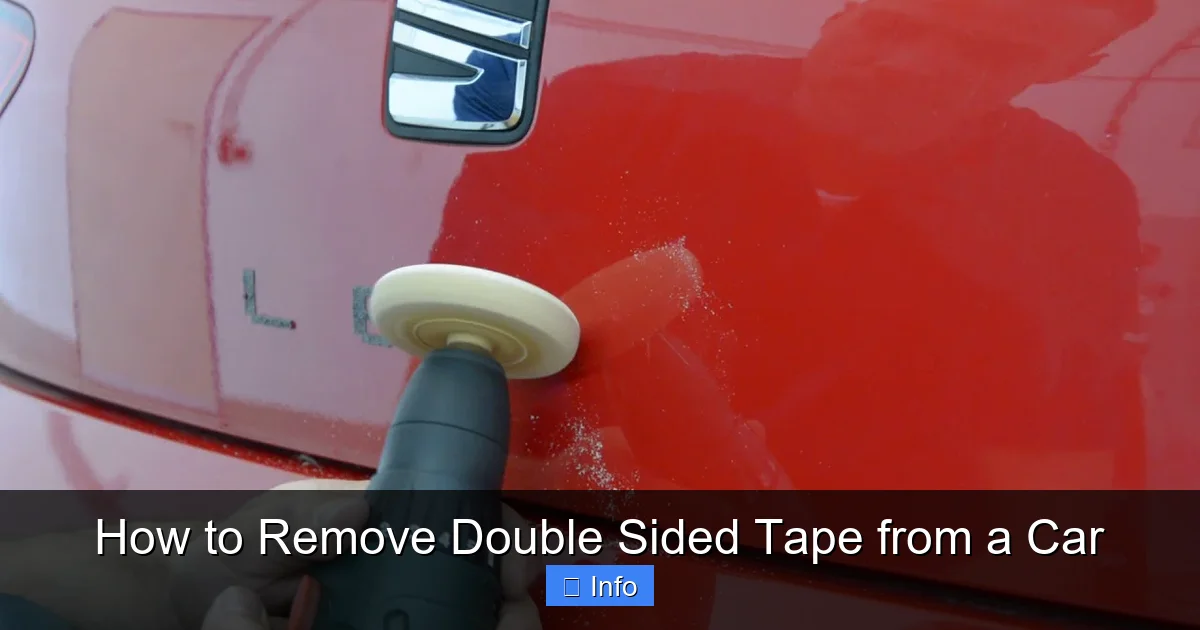
Removing double sided tape from your car doesn’t have to be a nightmare! Whether it’s leftover adhesive from badges, decorations, or accidental sticking, this guide shows you safe removal techniques that protect your car’s finish. From simple household solutions to specialized products, we cover everything you need to know.
Key Takeaways
- Start gentle: Always begin with the least aggressive method to avoid paint damage when removing double sided tape from your car.
- Warm water works: Heat helps soften adhesives, making double sided tape removal easier and less likely to leave residue.
- Test first: Apply any removal method to a hidden area before treating visible double sided tape on your car’s surface.
- Adhesive removers: Commercial products specifically designed for automotive use are most effective for stubborn double sided tape residue.
- Clean afterward: Remove any remaining adhesive and wash the area thoroughly after double sided tape removal.
- Paint protection: Never scrape aggressively – use proper techniques to prevent scratches while removing double sided tape.
- Patience pays: Rushing the double sided tape removal process often leads to more damage and harder cleanup.
📑 Table of Contents
- Introduction to Double Sided Tape Removal Challenges
- Understanding Your Car’s Surfaces and Tape Types
- Safety First: Preparing for Tape Removal
- Method 1: The Heat and Peel Technique
- Method 2: Chemical Adhesive Removal
- Method 3: Mechanical Removal Techniques
- Special Considerations for Different Surfaces
- Post-Removal Care and Cleanup
- Professional Help When Needed
- Conclusion
- Additional Tips for Success
Introduction to Double Sided Tape Removal Challenges
We’ve all been there – maybe you bought a used car with old badges still stuck on, or perhaps you tried to decorate for a special occasion and things didn’t go as planned. Double sided tape seems like such a simple solution until you need to remove it from your car’s paint, windows, or interior surfaces.
The truth is, removing double sided tape from a car can feel like trying to solve a puzzle blindfolded. You want it gone completely, but you’re terrified of damaging your car’s finish in the process. That sticky residue looks innocent enough, but trust me, it can turn into a real headache if you don’t know the right techniques.
Don’t worry though! This isn’t rocket science. With the right approach and a bit of patience, you can tackle this problem like a pro. Let’s dive into the safest and most effective ways to remove double sided tape from your car without turning this minor annoyance into a major repair bill.
Understanding Your Car’s Surfaces and Tape Types
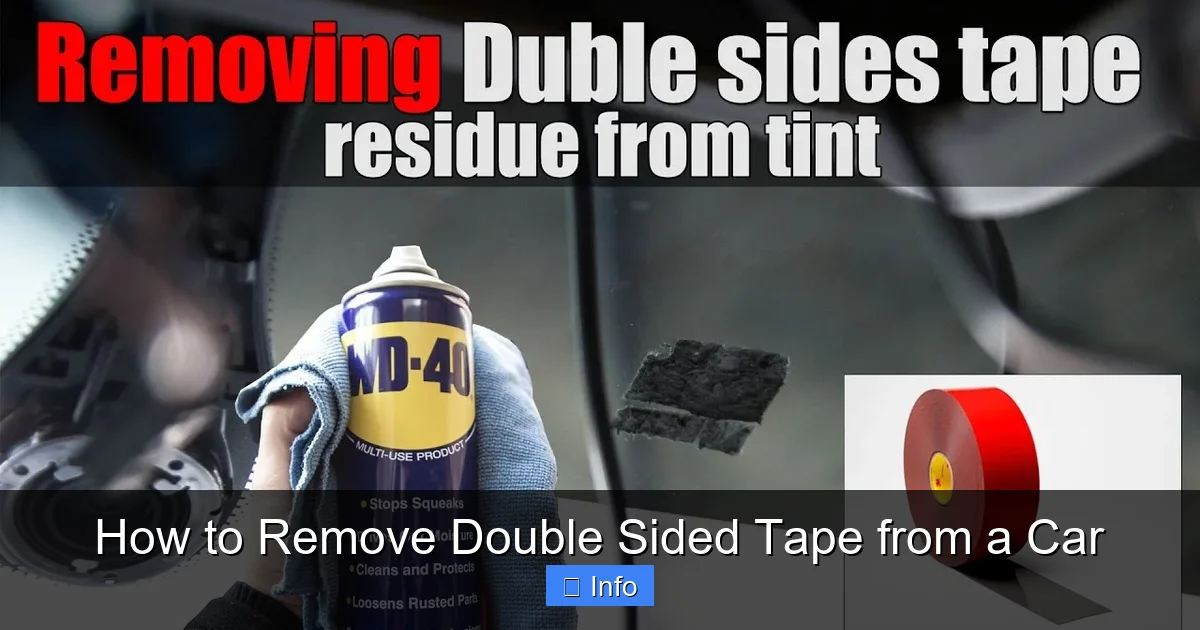
Visual guide about How to Remove Double Sided Tape from a Car
Image source: i.ytimg.com
Before we jump into removal methods, it’s crucial to understand what we’re working with. Not all double sided tape is created equal, and neither are all car surfaces.
Common Types of Double Sided Tape on Cars
Automotive double sided tape comes in various strengths and formulations. Some are designed for temporary use, while others claim to be permanent. The strongest varieties often contain acrylic adhesives that bond aggressively to surfaces. You’ll typically find this tape on:
- Badging and emblems
- Decorative trim pieces
- Temporary spoilers or accessories
- Window decorations
- Interior attachments
The age of the tape matters too. Fresh double sided tape is generally easier to remove than tape that’s been baking in the sun for months or years. Older adhesive becomes more stubborn and may require stronger removal techniques.
Car Surface Considerations
Your car’s paint, plastic, glass, and fabric each react differently to removal methods. Modern clear coat paint is quite durable, but aggressive scraping can still cause micro-scratches. Plastic trim pieces might be textured, making residue removal trickier. Fabric and carpet require completely different approaches to avoid damage.
Understanding your specific situation helps determine which removal method will work best. When in doubt, always test in an inconspicuous area first.
Safety First: Preparing for Tape Removal
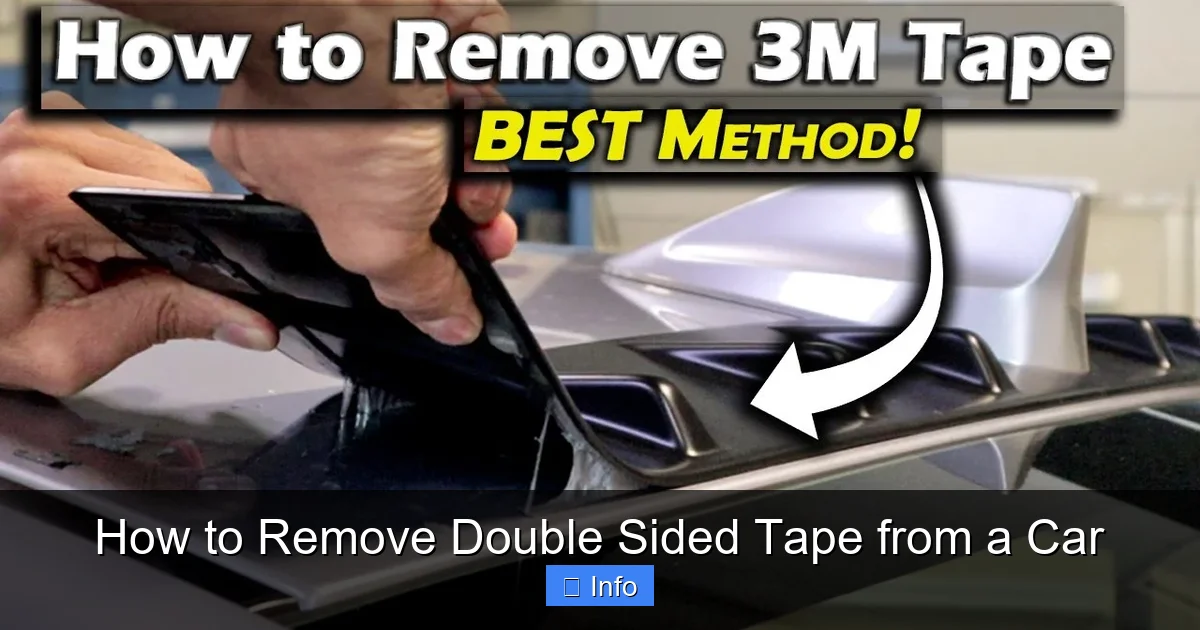
Visual guide about How to Remove Double Sided Tape from a Car
Image source: i.ytimg.com
Safety isn’t just about protecting yourself – it’s about protecting your car too. Before you start removing double sided tape from your car, take these preparatory steps.
Work in the Right Environment
Choose a shaded area for your tape removal project. Direct sunlight makes adhesives harder and increases the risk of paint damage. A clean, well-lit workspace also helps you see exactly what you’re doing.
Make sure your car’s surface is cool to the touch. Never attempt removal on hot surfaces – the heat can make adhesives more aggressive and increase the chance of scratching.
Gather Your Supplies
Having everything ready before you start makes the process smoother. You’ll need:
- Clean microfiber cloths
- Warm water
- Mild dish soap
- Plastic scrapers or credit cards
- Rubbing alcohol or adhesive remover
- Clean rags for drying
Having these items on hand prevents you from scrambling mid-process, which could lead to mistakes.
Method 1: The Heat and Peel Technique
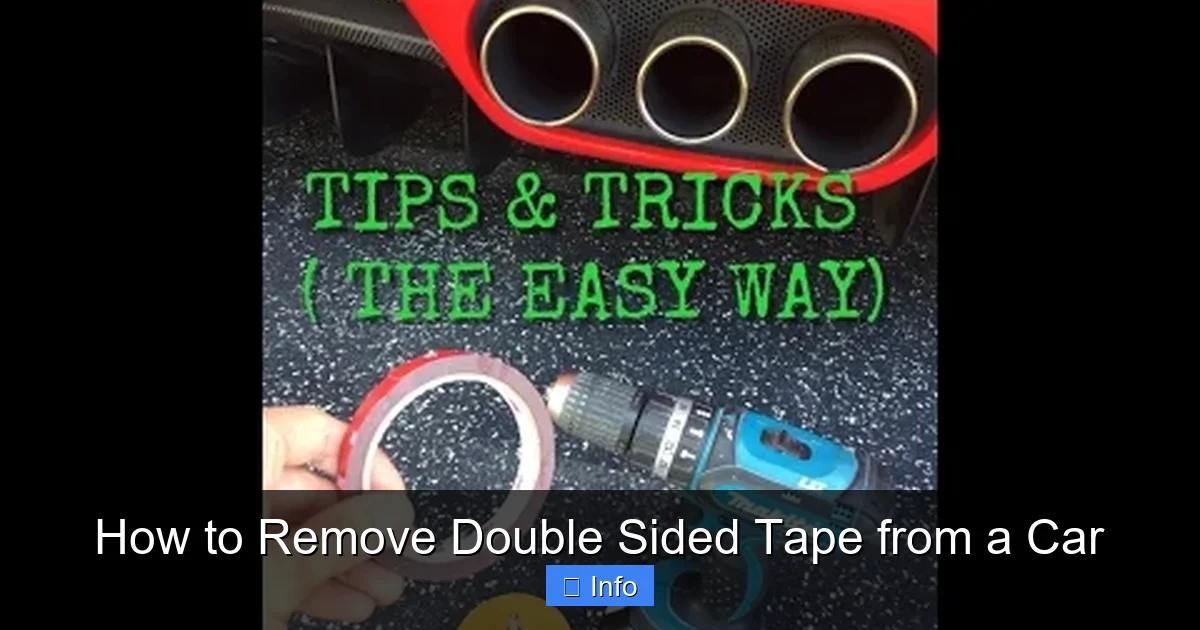
Visual guide about How to Remove Double Sided Tape from a Car
Image source: i.ytimg.com
This is usually the best starting point for removing double sided tape from your car. Heat makes adhesives more pliable and easier to remove cleanly.
Using Warm Water
For small amounts of double sided tape, warm soapy water can work wonders. Mix a few drops of mild dish soap in warm water. Soak a clean cloth in the solution and lay it over the tape for several minutes. The warmth and moisture help break down the adhesive.
After soaking, try peeling the tape back slowly. Start from one corner and work your way across. If the tape comes off cleanly, you’re in luck! Just wash the area with clean water and dry thoroughly.
Heat Guns and Hair Dryers
For larger areas or stubborn tape, controlled heat works better. Set a hair dryer to medium heat and hold it several inches from the surface. Keep it moving constantly – never focus heat on one spot for too long.
As the adhesive softens, use a plastic scraper to gently lift edges. Work slowly and patiently. Rushing this process is where most people make mistakes that damage their car’s finish.
Method 2: Chemical Adhesive Removal
Sometimes heat alone won’t cut it. That’s where chemical solutions come into play for removing double sided tape from your car.
Household Solutions
Rubbing alcohol is a fantastic starting point. It dissolves many types of adhesive without harming automotive paint. Soak a cloth in alcohol and lay it on the remaining residue for a few minutes.
Goo Gone and similar adhesive removers work well too, but always read the label first. Some products contain harsh chemicals that might damage certain plastics or trim pieces.
Commercial Automotive Products
For professional results, consider products specifically designed for automotive adhesive removal. These are formulated to be safe on car surfaces while effectively breaking down tough adhesives.
Apply these products according to directions, usually with a cloth or directly on the residue. Let them sit for the recommended time, then wipe away. Always follow up with a thorough wash to remove any chemical traces.
Method 3: Mechanical Removal Techniques
When other methods leave residue behind, mechanical techniques can finish the job cleanly.
The Right Tools Matter
Never use metal scrapers on painted surfaces! Plastic scrapers, old credit cards, or even your fingernails work much better. The goal is to lift residue without scratching.
Work at the residue gently, scraping in one direction. Apply minimal pressure – let the adhesive remover do most of the work.
Dealing with Stubborn Residue
For really tough spots, combine methods. Apply adhesive remover, let it sit, then gently scrape. Repeat as needed until the surface is clean.
If you’re dealing with fabric or carpet, use a different approach entirely. Ice cubes can harden adhesive for easier scraping, followed by careful trimming with scissors.
Special Considerations for Different Surfaces
Different car surfaces require tailored approaches when removing double sided tape.
Painted Surfaces and Clear Coat
Modern automotive paint is resilient, but it’s not indestructible. Always start with gentler methods on painted areas. If you must scrape, keep the tool at a shallow angle and use minimal pressure.
After removal, inspect the area carefully. Any scratches or swirl marks will need correction using appropriate paint care techniques.
Glass and Mirrors
These surfaces are generally more forgiving, but they can still scratch. Use plastic scrapers and avoid metal tools entirely. Glass cleaner can help clean up any remaining residue.
Plastic Trim and Bumpers
Textured plastic can trap adhesive in hard-to-reach places. A soft-bristled brush can help work remover into crevices. Be extra careful not to use anything abrasive that could damage the texture.
Fabric and Upholstery
Removing double sided tape from fabric requires completely different tactics. Hardened adhesive can often be carefully cut away with sharp scissors. For residue, try freezing with ice cubes first.
Professional upholstery cleaners work well for final cleanup. This is one area where learning proper upholstery cleaning techniques really pays off.
Post-Removal Care and Cleanup
Removing double sided tape is only half the battle. Proper cleanup ensures your car looks its best afterward.
Final Cleaning Steps
Once all tape and residue is removed, wash the area thoroughly with automotive soap and water. This removes any remaining chemicals or debris.
Dry the area completely and inspect it in good lighting. Look for any missed spots or potential damage that needs attention.
Protecting the Area
Consider applying wax or sealant to cleaned areas, especially if they were treated with chemical removers. This helps restore protection to your car’s finish.
Regular maintenance prevents future buildup. Keeping your car clean makes any future tape removal much easier.
Professional Help When Needed
Sometimes DIY isn’t the best approach. If you’re uncomfortable removing double sided tape yourself, or if the tape is in a particularly challenging location, professional help might be worth considering.
When to Seek Professionals
Complex areas like around sensors, cameras, or intricate trim work might be better handled by professionals. They have specialized tools and experience that can prevent costly mistakes.
Vintage or exotic cars deserve extra care. The investment in professional removal might save you thousands in paint correction later.
Cost Considerations
Professional removal typically costs less than paint repair. Most detail shops can remove tape residue quickly and safely for a reasonable price.
Think of it as insurance for your car’s appearance. Sometimes spending a little now prevents spending a lot later.
Conclusion
Removing double sided tape from your car doesn’t have to be stressful or risky. By starting with gentle methods, working patiently, and using appropriate tools, you can achieve professional results at home.
Remember, the key is matching your approach to the specific situation. Consider the tape type, surface material, and age before choosing your removal method. When in doubt, test first and proceed slowly.
With practice, this becomes second nature. Soon you’ll be the go-to person among your friends for car care advice. And who knows? You might discover you have a knack for detailing work.
The satisfaction of seeing a clean, residue-free surface makes the effort worthwhile. Plus, you’ll save money and learn valuable skills along the way.
Additional Tips for Success
- Work in good lighting to see exactly what you’re doing
- Keep removal tools clean to avoid spreading dirt
- Don’t rush – patience prevents damage
- Have multiple methods ready for different scenarios
- Regular car washing makes future removal easier
These simple practices will serve you well beyond just tape removal. They’re part of good car ownership habits that keep your vehicle looking its best for years to come.
Frequently Asked Questions
What’s the easiest way to remove double sided tape from car paint?
The easiest method involves using a hair dryer to gently warm the tape, then slowly peeling it back with your fingers or a plastic scraper. Follow up with rubbing alcohol on a microfiber cloth to remove any remaining residue. Always work in shade and keep the heat moving to prevent paint damage.
Will rubbing alcohol damage my car’s clear coat?
In general, rubbing alcohol is safe for automotive clear coat when used properly. Apply it to a cloth rather than directly to the paint, and don’t let it sit for extended periods. However, always test in a hidden area first, especially on older vehicles with potentially compromised clear coat.
How do you remove double sided tape from car windows?
For glass surfaces, use a hair dryer to warm the adhesive, then gently scrape with a plastic tool. Glass is less sensitive than paint, but you still want to avoid metal scrapers that could scratch. Window cleaner and a razor blade work well for final cleanup, but be extremely careful.
Can you remove double sided tape from fabric car seats?
Yes, but use different techniques. Try freezing the adhesive with ice cubes first to harden it, then carefully scrape or trim it away. For residue, use a fabric cleaner or mild detergent solution. Avoid soaking the area excessively, which could damage underlying materials.
What commercial products work best for automotive adhesive removal?
Products like 3M General Purpose Adhesive Cleaner, Goo Gone Automotive, and WD-40 Specialist Adhesive Remover are formulated specifically for vehicle use. These break down adhesives effectively while being safe on automotive surfaces. Always follow product instructions and test in hidden areas first.
How long should you let adhesive remover sit on double sided tape?
Most adhesive removers need only 2-5 minutes to work effectively. Letting them sit too long can potentially damage some surfaces. Check the product instructions for specific timing. If removing stubborn residue, you can reapply rather than leaving chemicals on the surface indefinitely.