What Is Engine Protection Cover in Car Insurance
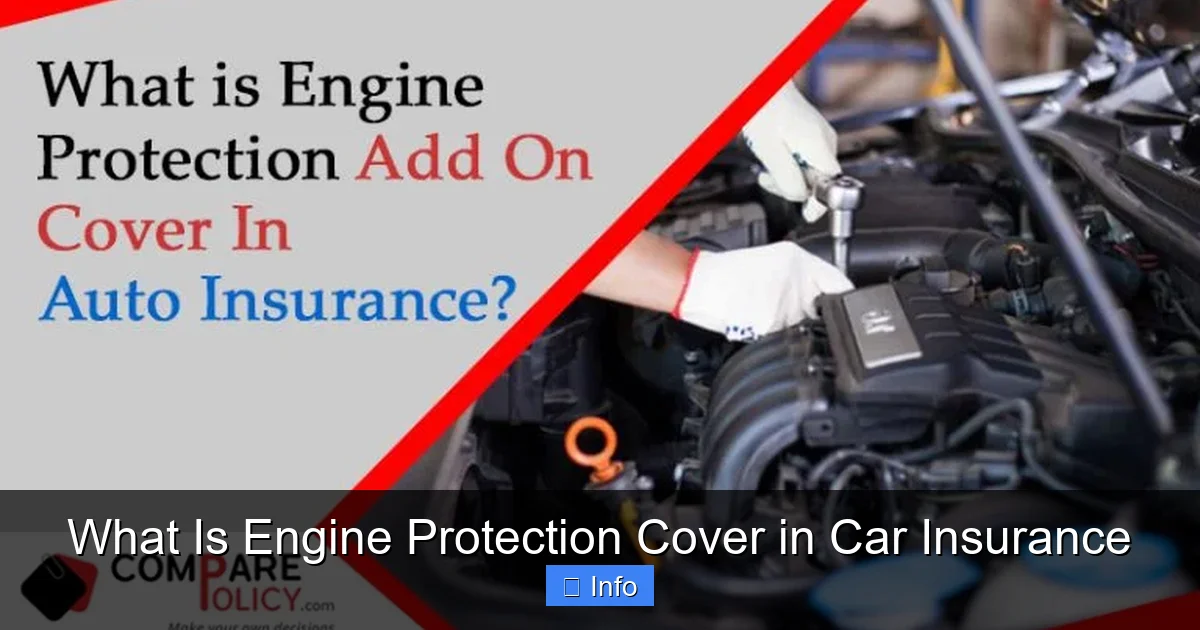
Engine protection cover in car insurance is an optional add‑on that pays for repairs or replacement of engine parts after accidents, breakdowns, or mechanical failures. It adds peace of mind and can prevent huge out‑of‑pocket expenses, especially for financed or newer vehicles.
Key Takeaways
- Engine protection cover in car insurance is an add‑on policy. It reimburses engine repair or replacement costs beyond standard collision coverage.
- It protects against mechanical failures. Things like engine seizure, overheating, or internal damage are covered.
- Coverage varies by plan. Some plans include labor, parts, and even towing.
- It can lower out‑of‑pocket costs. Without it, a major engine repair may require a loan or savings.
- Eligibility depends on vehicle age and condition. Newer cars often qualify for better rates.
- Claims are filed like any other insurance claim. You’ll need documentation and a trusted mechanic.
- Choosing the right cover saves money. Compare options and read the fine print before buying.
Key Takeaways
- Understanding what is engine protection cover in car insurance: Provides essential knowledge
📑 Table of Contents
What Is Engine Protection Cover?
Definition
Engine protection cover in car insurance is an optional add‑on that pays for engine repairs or replacement after a covered event. It is not part of the standard collision or comprehensive policies.
Typical Inclusions
Most plans cover internal engine damage such as a seized crankshaft, broken pistons, or a cracked block. They often include labor costs, parts, and sometimes even the cost of towing the vehicle to a repair shop.
Common Exclusions
Wear‑and‑tear items like gaskets, belts, or oil leaks are usually excluded. Damage caused by neglect, lack of maintenance, or misuse is also not covered. Always read the policy wording to know the limits.
Why Do You Need It?
Financial Risk
Engine repairs can run into thousands of dollars. If you face a sudden engine failure, the cost may force you to use savings or take a high‑interest loan. Engine protection cover in car insurance helps avoid that financial shock.
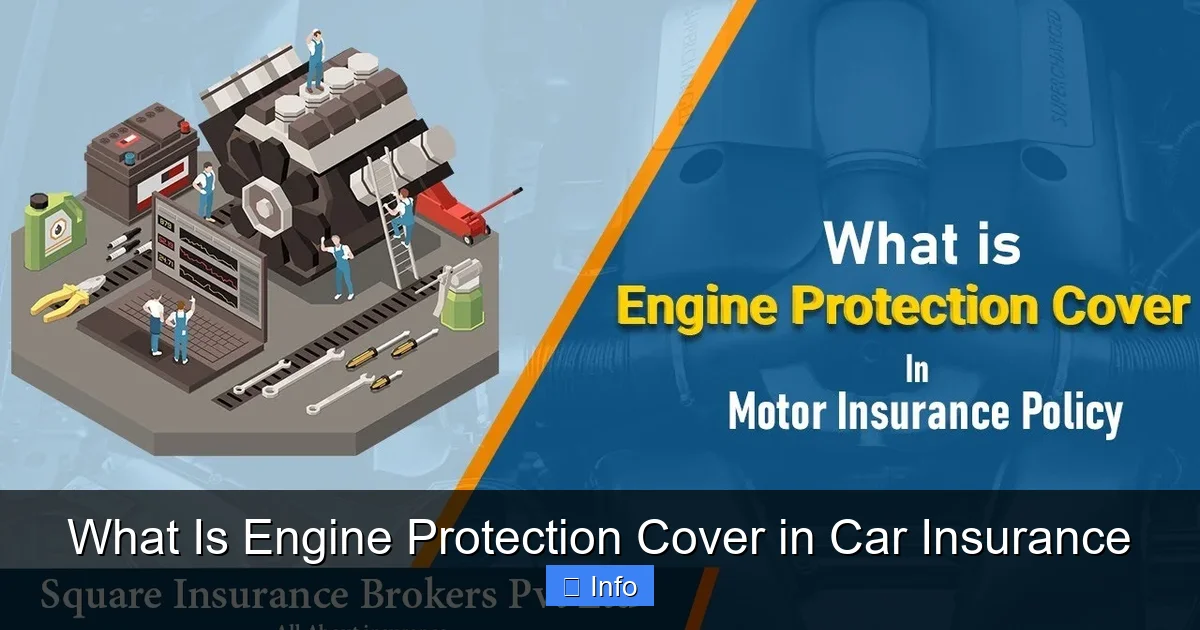
Visual guide about What Is Engine Protection Cover in Car Insurance
Image source: i.ytimg.com
Peace of Mind
Knowing that a major mechanical issue won’t wipe out your budget gives you confidence while driving. This is especially valuable for drivers who rely heavily on their car for work or family needs.
Impact on Loan Payments
If you finance a vehicle, the lender may require comprehensive coverage. Adding engine protection can satisfy that requirement without dramatically raising your monthly premium.
What Does It Cover?
Engine Parts
Typical coverage includes the crankshaft, camshaft, pistons, valves, and the engine block itself. Some policies also cover the oil pump and cooling system components that are integral to engine health.
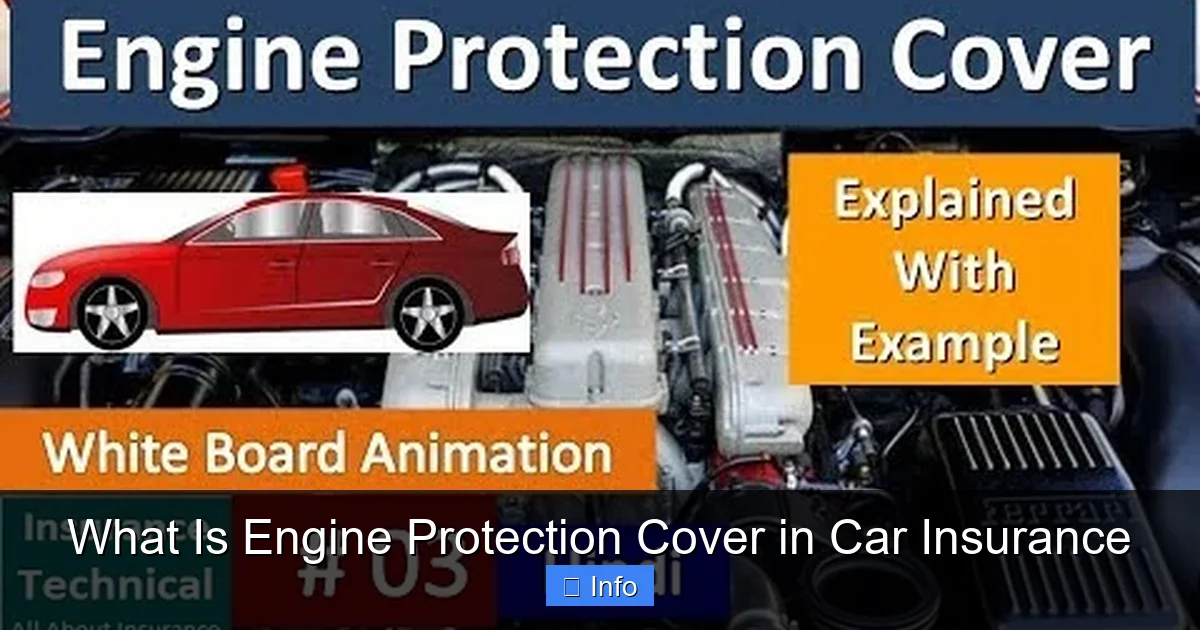
Visual guide about What Is Engine Protection Cover in Car Insurance
Image source: i.ytimg.com
Labor and Diagnostics
Most plans pay for the labor required to disassemble, repair, and reassemble the engine. Diagnostic fees may be included, but check the limit.
Additional Benefits
Some policies add coverage for engine coolant system failures, fuel pump issues, or even the cost of a temporary replacement vehicle while repairs are underway.
How Does It Work With Your Policy?
Adding to Comprehensive or Collision
You can purchase engine protection as a separate rider on a comprehensive policy or as an endorsement to a collision policy. The cost is usually a modest monthly or annual fee.
Visual guide about What Is Engine Protection Cover in Car Insurance
Image source: i.ytimg.com
Claim Process
When an engine issue arises, file a claim with your insurer. Provide the repair estimate, proof of purchase, and any required forms. The insurer will review the claim and reimburse the approved amount up to the policy limit.
Interaction with Loan or Lease
If you wreck a financed car without insurance, you could be left paying off the loan, which is detailed in what happens if you wreck a financed car without insurance. Engine protection can help cover repair costs that might otherwise affect your ability to stay current on the loan.
Common Misconceptions & Tips
Myth: It Covers All Engine Problems
Not true. The cover only applies to sudden, accidental damage. Gradual wear, lack of oil changes, or overheating due to neglect are excluded.
Choosing the Right Coverage
Compare plans from different insurers. Look at the maximum payout, the deductible, and what specific parts are included. A higher deductible can lower your premium, but you’ll pay more out‑of‑pocket if a claim arises.
When It’s Worth It
If you own a newer car, drive a lot, or have a financed loan, engine protection cover in car insurance is often a smart investment. For older vehicles with low market value, the cost‑benefit ratio may not justify the expense.
Practical Tip
Keep a record of your vehicle’s maintenance history. This can speed up claim approvals and may even qualify you for discounts on the add‑on.
Conclusion
Engine protection cover in car insurance offers a safety net for one of your vehicle’s most expensive components. It fills gaps left by standard policies, helps avoid large unexpected bills, and can be especially valuable for financed or high‑value cars. By understanding what is covered, how to file a claim, and when the add‑on makes sense, you can make an informed decision that protects both your engine and your wallet. If you’re curious about overall costs, check out how much is car insurance to see how this add‑on fits into your budget. And remember, staying on top of regular maintenance keeps your engine healthy and your coverage effective.
FAQs
What is engine protection cover in car insurance?
Engine protection cover in car insurance is an optional add‑on that pays for engine repairs or replacement after a covered event. It helps protect you from costly mechanical failures.
Does it cover wear‑and‑tear items?
No. The cover only applies to sudden, accidental damage. Wear‑and‑tear parts like gaskets or belts are excluded unless they fail due to a covered incident.
How much does it cost?
Costs vary by insurer, vehicle age, and coverage level. Typically it’s a modest monthly or annual fee that can be added to your existing premium.
Can I add it to a financed car?
Yes. Many lenders require comprehensive coverage, and engine protection can be included as part of that package to protect both you and the lender.
What happens if I wreck a financed car without insurance?
If you wreck a financed car without insurance, you may be responsible for paying off the loan and any repair costs, which is explained in what happens if you wreck a financed car without insurance.
Is engine protection worth it for older cars?
For older vehicles with low market value, the cost of the add‑on may outweigh the benefits. Evaluate the potential repair costs against the price of the cover.
Frequently Asked Questions
What is what is engine protection cover in car insurance?
what is engine protection cover in car insurance is an important topic with many practical applications.