Does the Speedometer of a Car Measure Its Average Speed
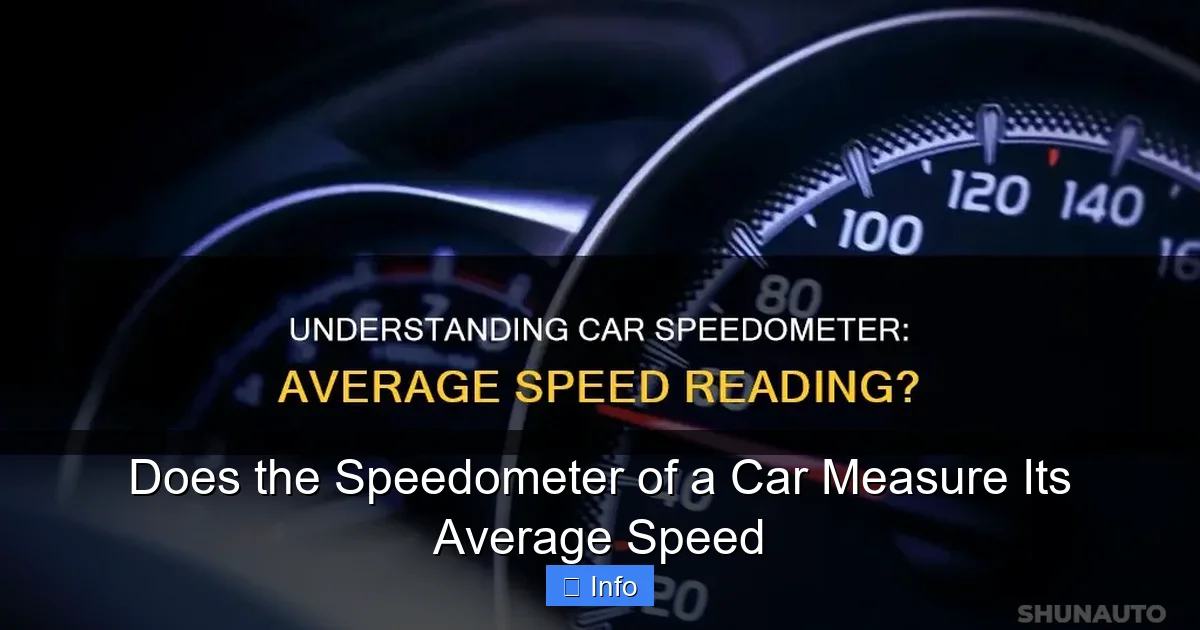
Your car’s speedometer does not measure average speed. It only shows instantaneous speed at any given moment. Average speed calculations require tracking total distance and time, which isn’t displayed on standard speedometers. Understanding this distinction helps drivers track efficiency and safety.
Key Takeaways
- Instantaneous vs. Average: A speedometer displays real-time speed, not average speed over a journey.
- Average Speed Formula: Calculated as total distance traveled divided by total time taken.
- Speedometer Limitations: Only reflects vehicle speed at the moment, not cumulative journey data.
- Trip Computers: Modern cars often use additional systems to track average speed and fuel efficiency.
- Maintenance Matters: Faulty speedometers can lead to inaccurate readings, affecting driving decisions.
- Driving Efficiency: Monitoring average speed helps optimize fuel consumption and travel time.
- GPS Integration: GPS-based systems can calculate average speed using location and time data.
📑 Table of Contents
Understanding Speedometers: What They Actually Measure
When you glance at your car’s dashboard, the speedometer needle or digital display is one of the first things you check. It tells you how fast you’re going at that exact moment. But have you ever wondered if it also shows your average speed? The short answer is no. Let’s break this down.
How Speedometers Work
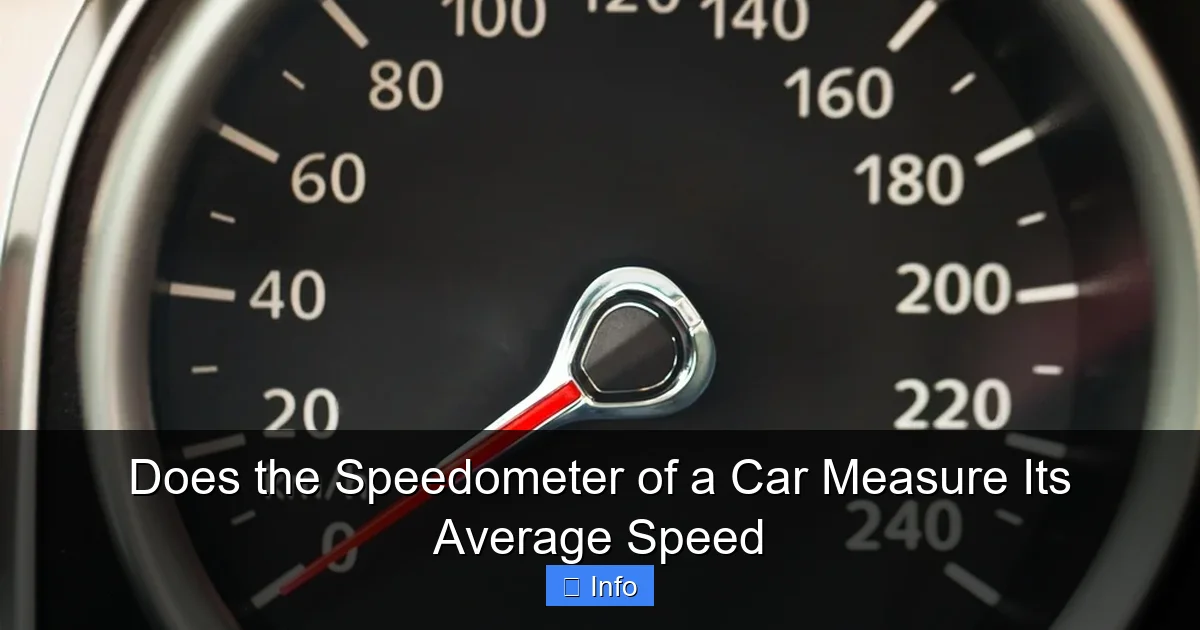
A car’s speedometer measures the rotational speed of the wheels or the transmission output. This data is converted into a speed reading by the vehicle’s computer. Traditional mechanical speedometers use a cable connected to the transmission, while modern digital systems receive data from sensors. Both methods track the vehicle’s speed at a specific point in time.
For example, if you’re driving 60 mph on a highway, the speedometer will read 60 mph. If you slow down to 30 mph in traffic, it updates instantly. This is crucial for safety, as it helps you obey speed limits and avoid accidents.
Instantaneous vs. Average Speed
The key difference lies in the terms “instantaneous” and “average.” Instantaneous speed is what your speedometer shows—your current speed. Average speed, however, is calculated over a period. For instance, if you drive 100 miles in 2 hours, your average speed is 50 mph, even if you varied between 30 mph and 70 mph during the trip.
Many drivers confuse the two. Imagine taking a 30-minute commute where you start at 20 mph, accelerate to 50 mph, and slow down again. Your speedometer might show 50 mph at one point, but your average speed for the entire trip would be lower.
Calculating Average Speed: The Math Behind It
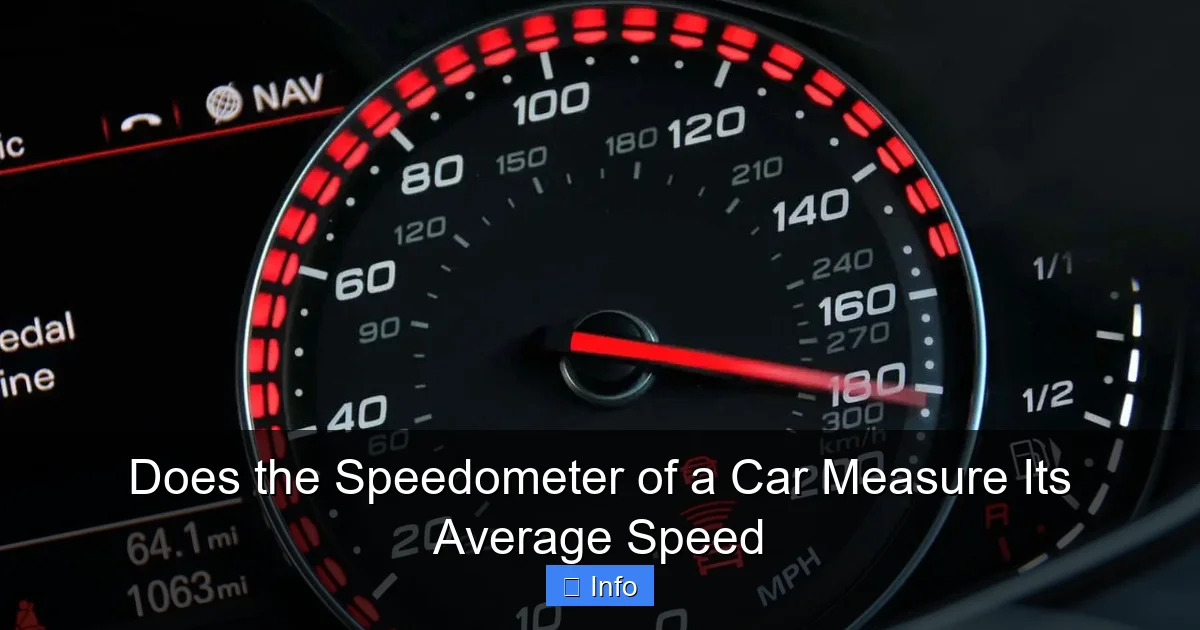
Visual guide about Does the Speedometer of a Car Measure Its Average Speed
Image source: d3jvxfsgjxj1vz.cloudfront.net
To understand why speedometers don’t track average speed, let’s look at the formula:
Average Speed = Total Distance ÷ Total Time
Suppose you drive 150 miles in 3 hours. Your average speed is 50 mph. However, if you hit traffic and slow to 10 mph for an hour, then speed up to 70 mph for the remaining 2 hours, your average speed is still 50 mph (150 miles ÷ 3 hours). The speedometer won’t show 50 mph unless you’re maintaining that pace the entire time.
Why Speedometers Don’t Track Average Speed
Speedometers are designed for real-time feedback, not historical data. They lack memory to store distance and time information. Calculating average speed requires integrating data over time, which goes beyond the scope of a basic speedometer. Instead, modern vehicles use additional systems like trip computers or GPS to track this information.
For example, the Toyota Camry’s performance might be detailed in its manual, but its speedometer only shows current speed. To get average speed, you’d need to use the vehicle’s infotainment system or an app.
The Role of Technology in Tracking Speed
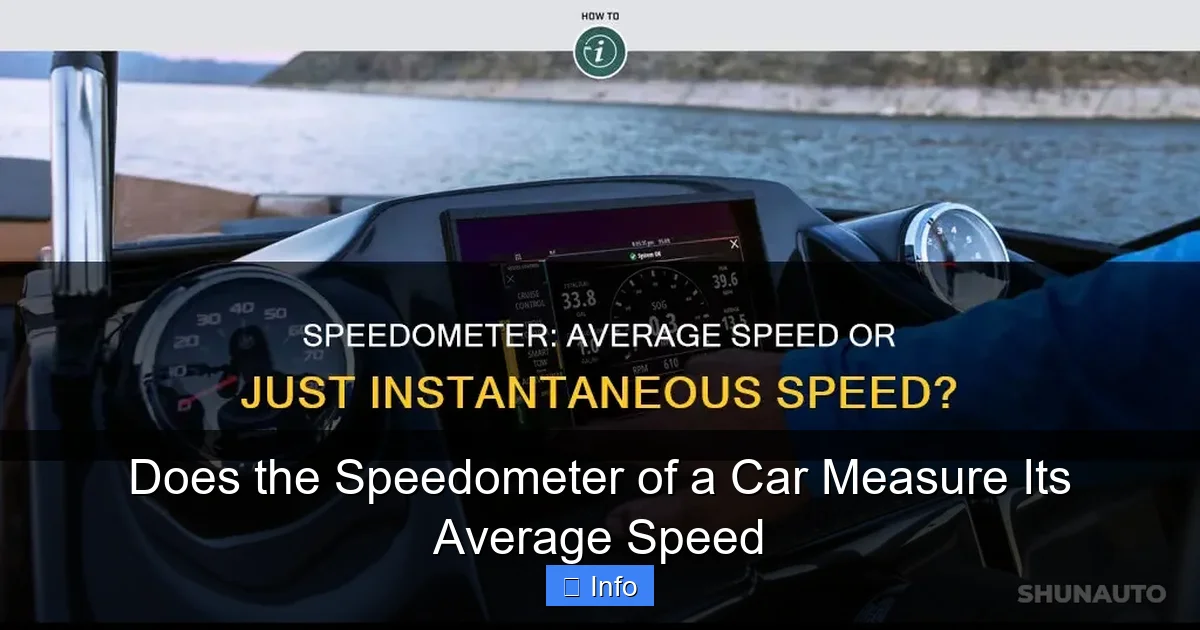
Visual guide about Does the Speedometer of a Car Measure Its Average Speed
Image source: shunauto.com
While speedometers remain the primary tool for real-time speed, technology has advanced to fill the gap. Here’s how drivers can track average speed:
Trip Computers and Infotainment Systems
Most modern cars come equipped with trip computers that calculate average speed, fuel efficiency, and distance traveled. These systems store data from the vehicle’s sensors, allowing drivers to review their journey’s performance. For instance, after a road trip, you can check the average speed and fuel consumption metrics on your dashboard.
GPS-Based Speed Tracking
GPS apps like Google Maps or Waze can calculate average speed using location and time data. These tools are especially useful for long drives, as they provide insights into traffic patterns and optimal routes. Some apps even highlight areas where your average speed drops below the speed limit.
Aftermarket Solutions
If your car lacks built-in trip computers, you can use smartphone apps or OBD-II scanners. These devices connect to your car’s onboard diagnostics port and display real-time and average speed data. They’re a budget-friendly alternative to upgrading your vehicle’s system.
Practical Implications for Drivers
Visual guide about Does the Speedometer of a Car Measure Its Average Speed
Image source: res.cloudinary.com
Understanding the difference between instantaneous and average speed isn’t just academic—it has real-world benefits. Here’s how this knowledge can help you drive smarter:
Improving Fuel Efficiency
Maintaining a consistent speed often improves fuel economy. If your average speed is lower due to frequent stops or erratic driving, your fuel efficiency will drop. Using average speed data can help you identify areas for improvement, such as reducing aggressive acceleration or planning routes with fewer stoplights.
Optimizing Travel Time
If you’re aiming to minimize travel time, knowing your average speed can highlight inefficiencies. For example, if your average speed on a 60-mile route is 40 mph, it takes 1.5 hours. By identifying slowdowns (e.g., construction zones), you can adjust your route or timing to boost your average speed.
Legal and Safety Considerations
While speedometers help you stay within speed limits, average speed cameras are becoming more common in some regions. These systems enforce compliance over a stretch of road, not just at a single point. Understanding how average speed is calculated can help you avoid tickets and drive more safely.
Myths and Misconceptions
Let’s address common myths about speedometers and average speed:
- Myth 1: “My speedometer shows my average speed.”
Reality: It only shows current speed. Average speed requires additional data. - Myth 2: “If my speedometer reads 60 mph, I’m doing well.”
Reality: You could still be driving below the legal limit if the road is marked for 70 mph. - Myth 3: “Speedometers are always accurate.”
Reality: Tire size, calibration issues, or worn components can affect accuracy. Regular maintenance is key.
Conclusion: Know Your Tools
In summary, a car’s speedometer does not measure average speed. It provides real-time feedback to help you drive safely within posted limits. To track average speed, use trip computers, GPS apps, or aftermarket devices. Understanding these tools empowers you to make informed decisions about your driving habits, fuel efficiency, and travel time.
Next time you’re on the road, remember that your speedometer is your co-pilot for immediate speed, while other systems help you analyze your journey’s overall performance. Stay informed, stay safe, and drive smart!
Frequently Asked Questions
Can a speedometer be calibrated to show average speed?
Traditional speedometers cannot display average speed because they lack the ability to store distance and time data. Modern vehicles with trip computers or GPS systems can calculate average speed using integrated sensors and software.
Is it legal to drive based on average speed?
While speedometers help you follow speed limits, average speed enforcement (e.g., average speed cameras) is legal in many regions. These systems use multiple cameras to calculate your average speed over a road segment, ensuring compliance with traffic laws.
How do I check my car’s average speed without a trip computer?
Use smartphone apps like Google Maps, Waze, or dedicated OBD-II scanners. These tools track your speed and distance, allowing you to calculate average speed after your journey.
Why does my speedometer sometimes show a different speed than my GPS?
Discrepancies can occur due to tire size changes, calibration issues, or GPS signal delays. Always rely on your speedometer for real-time speed, and use GPS as a secondary reference.
Can I improve my average speed without speeding?
Yes! Reducing unnecessary stops, maintaining consistent speeds, and planning efficient routes can boost your average speed. Avoid aggressive driving, which wastes fuel and lowers efficiency.
What’s the best way to monitor my driving efficiency?
Use your vehicle’s trip computer or a GPS app to track metrics like average speed, fuel consumption, and distance. These tools provide actionable insights to optimize your driving habits.