How to Tighten Spark Plugs Without a Torque Wrench
When you don’t have a torque wrench, you can still tighten spark plugs safely by using a socket, a breaker bar, and a careful feel for the correct torque. This guide walks you through practical methods, including using a torque stick or a calibrated wrench, to prevent over‑tightening and ensure a proper seal.
When you need to tighten spark plugs without a torque wrench, it can feel like a tricky job. The good news is that with a few common tools and a careful approach, you can get the job done safely and effectively. This guide will walk you through each step, highlight the tools you can use, and warn you about common pitfalls so you avoid damage to your engine.
Key Takeaways
- Point 1: Use a socket and ratchet to turn the plug by hand before applying final torque.
- Point 2: Apply a thin layer of anti‑seize on the threads to reduce friction.
- Point 3: Hand‑tighten the spark plug first to avoid cross‑threading.
- Point 4: Employ a torque stick or a calibrated wrench to achieve a known torque value.
- Point 5: Re‑check the torque after the engine has run to account for thermal expansion.
📑 Table of Contents
Why Proper Torque Matters
Spark plugs must be tightened to a specific torque specification. If they are too loose, they can leak combustion gases and cause misfires. If they are too tight, you can strip the threads in the cylinder head or crack the plug itself. Using the correct torque ensures a reliable seal and prevents costly repairs down the road. Understanding this importance is the first step to mastering how to tighten spark plugs without a torque wrench correctly. If you have access to a torque wrench, it is still the best tool for the job, but knowing how to tighten spark plugs without one is a valuable skill.
Preventing Damage
Over‑tightening is the most common cause of spark plug failure. When you apply too much force, the plug can become stuck or the electrode can break. Even a small amount of extra torque can weaken the plug’s shell, leading to eventual breakage. By learning the proper technique, you can avoid these problems and keep your engine running smoothly.
Ensuring a Good Seal
A proper torque creates a tight seal between the plug and the cylinder head. This seal keeps hot gases from escaping and maintains the correct compression. A loose plug can cause a loss of power, rough idle, and increased fuel consumption. A correctly torqued plug helps your engine run efficiently and reduces emissions.
Tools You Can Use Instead of a Torque Wrench
You don’t need a fancy torque wrench to get the job done. Several common tools can help you achieve the right amount of tightness. The key is to use them correctly and to know their limits. Below are three practical options that many DIY mechanics rely on.

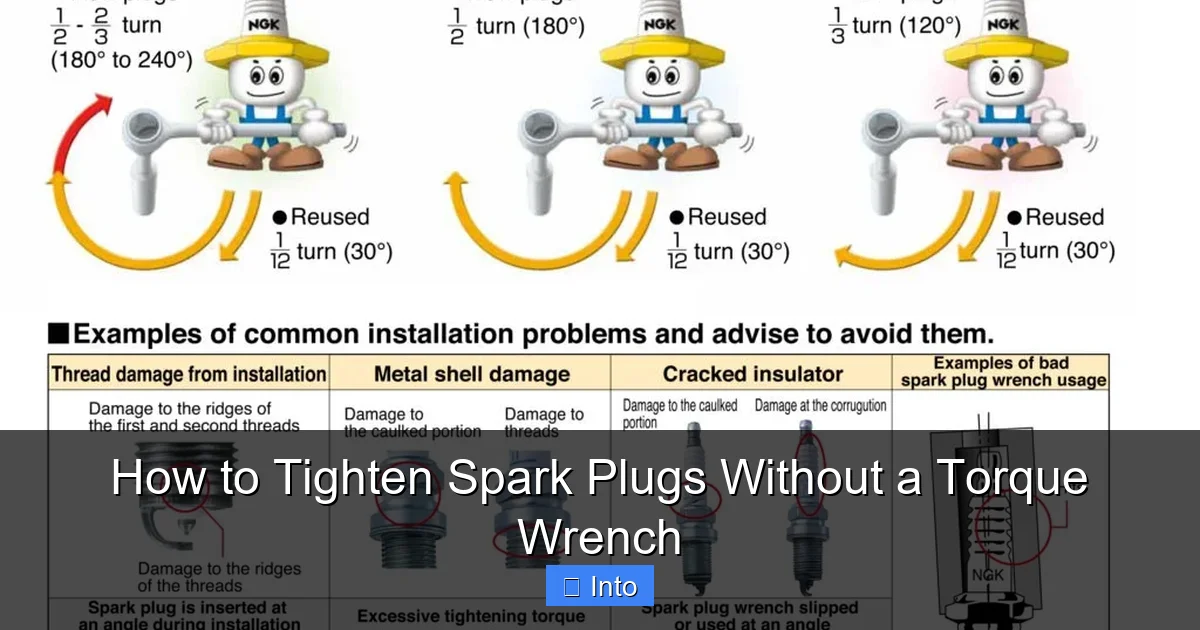
Visual guide about How to Tighten Spark Plugs Without a Torque Wrench
Image source: jeepfixes.com
Socket and Ratchet
A standard socket set is often all you need. Start by threading the spark plug in by hand, then use the socket and ratchet to turn it a few more times. The ratchet gives you leverage, but you must be careful not to over‑turn it. A good rule of thumb is to tighten until you feel a slight increase in resistance, then stop. This method works well for many passenger vehicles, including Toyota models. For a quick reference on how many spark plugs a Toyota Corolla uses, see our article How Many Spark Plugs Are In A Toyota Corolla.
Torque Stick
A torque stick, also known as a torque‑to‑yield (T2Y) stick, is a calibrated extension that attaches to your ratchet. It is designed to reach a specific torque value. When the stick reaches its limit, it will either click or flex, letting you know you have applied the correct amount of force. This makes it a reliable substitute for a torque wrench and takes the guesswork out of the process.
Calibrated Wrench
Some mechanics use a calibrated open‑end wrench that has torque markings. These wrenches are less common but can be accurate if used properly. Always check the markings before you begin, and apply the force slowly to avoid overshooting the target. If you are looking for high‑performance spark plugs to complement your tightening technique, consider our guide on Best Spark Plugs To Increase Horsepower.
Step‑by‑Step Tightening Process
Follow these steps to tighten your spark plugs safely when you don’t have a torque wrench. Each stage is designed to protect the engine and ensure a proper seal.
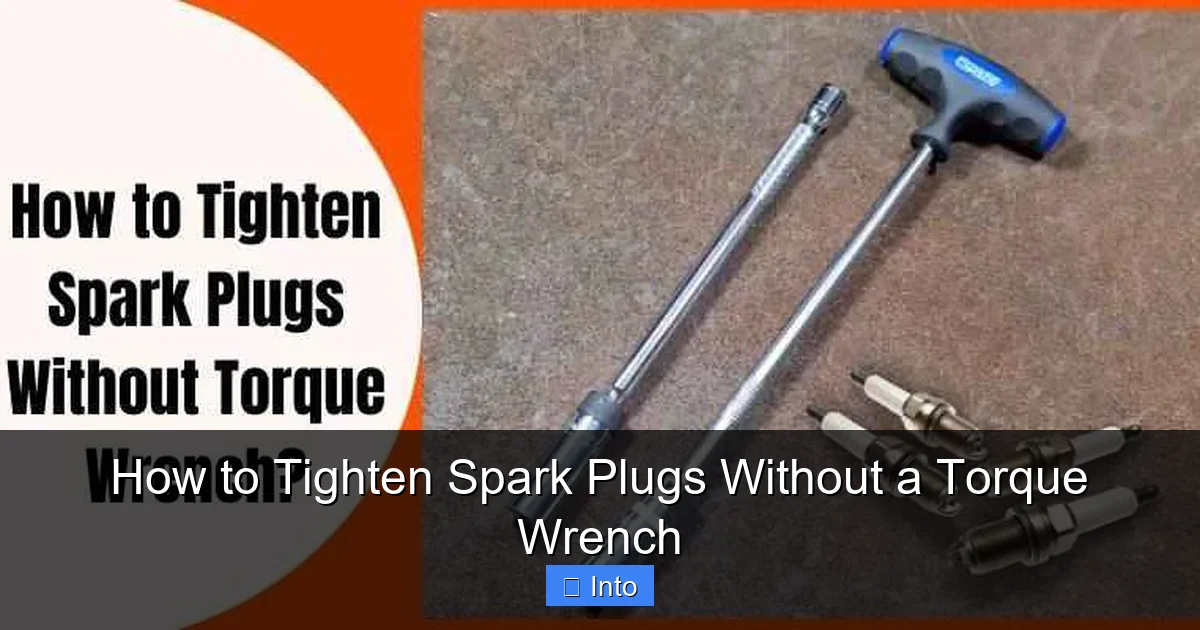
Visual guide about How to Tighten Spark Plugs Without a Torque Wrench
Image source: thesprucetools.com
Preparation
Start by cleaning the area around the spark plug. Remove any dirt or debris that could fall into the cylinder. Use a socket that matches the size of your plug, and make sure the ratchet is in good condition. If you are working on a Toyota, you can find the exact number of plugs in our article How Many Spark Plugs Are In A Toyota Corolla, which helps you plan your work.
Hand‑Tightening
Thread the spark plug into the cylinder by hand. Turn it clockwise until you feel it seat against the head. This step prevents cross‑threading and ensures the plug is aligned correctly. Do not use any tools for this initial turn. If you feel resistance, back the plug out slightly and realign before continuing.
Applying Final Torque
Once the plug is hand‑tight, attach the socket and ratchet. If you are using a torque stick, attach it now. Turn the ratchet slowly until you feel the stick click or you notice a sudden increase in resistance. If you are using a calibrated wrench, stop when the indicator aligns with the desired torque value. Remember, the goal is to tighten spark plugs without a torque wrench while still achieving the manufacturer’s specification. After tightening, give the plug a gentle half‑turn with the ratchet to ensure it is fully seated. Avoid applying extra force; the torque stick or wrench should have already done the work.
Common Mistakes to Avoid
Even with the right tools, it’s easy to make errors. Here are the most frequent pitfalls and how to steer clear of them. Understanding these mistakes will help you become more confident in your ability to tighten spark plugs without a torque wrench.
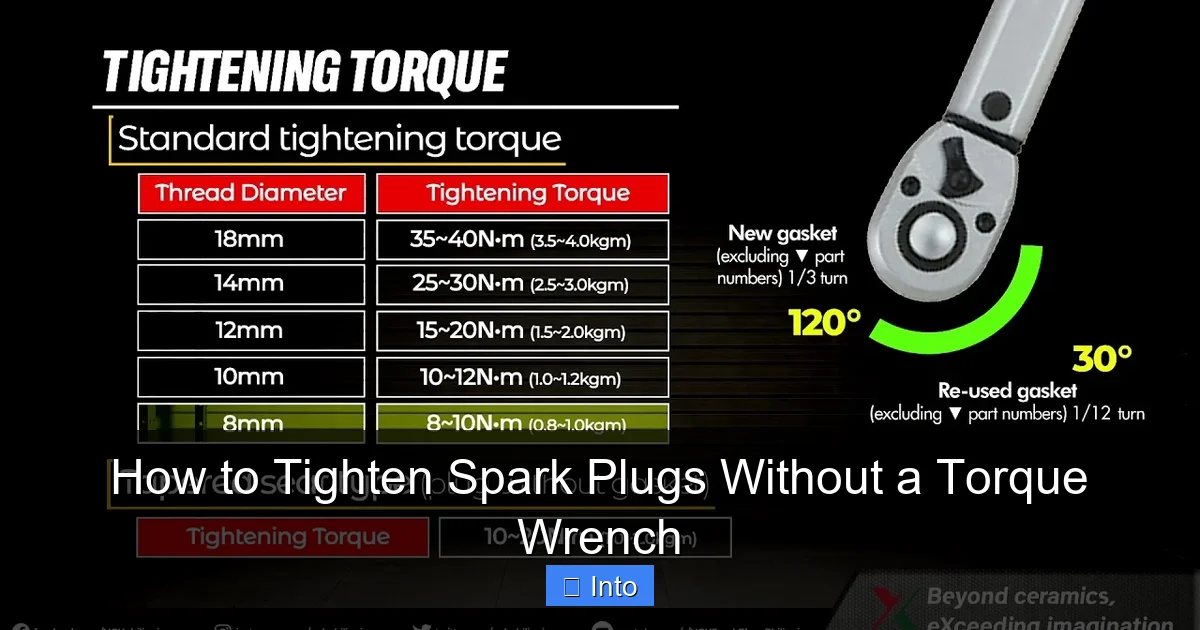
Visual guide about How to Tighten Spark Plugs Without a Torque Wrench
Image source: i.ytimg.com
Over‑Tightening
Applying too much torque can strip the threads or crack the plug. If you feel the ratchet becoming unusually stiff, stop immediately. Over‑tightening is often caused by using a long handle on the ratchet, which multiplies force. Keep your movements smooth and controlled, and never force the tool beyond its limit.
Under‑Tightening
A loose plug can lead to misfires and poor engine performance. If you suspect the plug is not tight enough, you can carefully re‑tighten it. However, avoid turning it more than a quarter turn at a time to prevent over‑correction. A simple way to check is to gently try to twist the plug with your fingers; it should feel snug but not movable.
Cross‑Threading
Cross‑threading occurs when the plug is started at an angle. This can damage the cylinder head and make the plug difficult to remove. Always start the plug by hand, and if you feel resistance, back it out slightly and realign before continuing. Using a bit of anti‑seize on the threads can also help the plug slide in smoothly and reduce the risk of cross‑threading.
Checking and Re‑torquing After Driving
After you have installed the spark plugs, it’s wise to re‑check them after the engine has run for a short period. Heat causes metal to expand, which can change the torque slightly. Re‑torquing ensures that the plugs remain at the correct specification throughout the engine’s operating cycle.
When to Re‑check
Re‑torque the plugs after the first 100 miles or after a few short drives. This allows the engine to reach operating temperature and the components to settle. If you notice any rough idling or loss of power, re‑check the torque as soon as possible. For additional maintenance reminders, you might find our article on How To Reset A Toyota Maintenance Light helpful.
How to Re‑torque
Follow the same steps as before: hand‑tighten, then use your torque stick or calibrated wrench to the specified value. Do not over‑tighten; the goal is to maintain the original torque, not to increase it. After re‑torquing, start the engine and listen for any unusual noises that might indicate a problem.
Final Tips for Long‑Term Reliability
To keep your engine running smoothly, consider these final recommendations. They will help you get the most out of your spark plugs and avoid unnecessary repairs.
- Inspect spark plugs periodically for wear, fouling, or damage.
- Use the correct gap specification for your vehicle, as an incorrect gap can affect performance.
- Replace plugs at the recommended interval, typically every 30,000 to 100,000 miles, depending on the type.
- Store spare plugs in a dry place to prevent corrosion and ensure they are ready when needed.
- When in doubt, consult your vehicle’s service manual for exact torque values and procedures.
- Document the torque value you achieve for each plug to track consistency.
By following these steps, you can confidently tighten spark plugs without a torque wrench and maintain your engine’s performance. Remember, patience and careful technique are your best tools. With practice, you will develop a feel for the correct torque and be able to tackle this task with ease.
When to Seek Professional Help
While many DIY enthusiasts can handle spark plug tightening with the methods described, there are situations where it’s best to consult a professional mechanic. If you are unsure about the correct torque specification for your vehicle, or if you notice any unusual symptoms after tightening, a trained technician can provide guidance and ensure the job is done correctly.
Additionally, if you encounter stubborn or damaged spark plugs that refuse to turn, attempting to force them can lead to costly engine damage. In such cases, a mechanic can use specialized tools to safely remove and replace the plugs without harming the cylinder head.
Finally, if you are working on a high‑performance or turbocharged engine, the torque requirements may be more precise. A professional can verify that the plugs are tightened to the exact specification, reducing the risk of pre‑ignition or detonation.
Understanding Torque Specifications
Torque specifications are typically listed in foot‑pounds (ft‑lb) or Newton‑meters (Nm). Most passenger cars require between 15 and 30 ft‑lb for spark plugs, but the exact value depends on the engine design and the plug type. Always refer to your vehicle’s service manual for the precise number.
When you don’t have a torque wrench, you can approximate the correct torque by using a torque stick that is calibrated for your specific vehicle. Some sticks are labeled with the torque value they produce, making it easy to match the specification.
If you are working on multiple vehicles, consider keeping a small chart of common torque values. This can save time and help you avoid mistakes when switching between different models.
Frequently Asked Questions
Can I tighten spark plugs without a torque wrench?
Yes, you can use a socket, a torque stick, or a calibrated wrench to achieve the correct torque. Follow the steps in this guide to avoid over‑tightening or under‑tightening.
What tools can I use instead of a torque wrench?
A standard socket and ratchet, a torque stick, or a calibrated open‑end wrench are common alternatives. Each tool helps you apply a controlled amount of force without a dedicated torque wrench.
How do I know if I’ve tightened a spark plug too much?
If you feel the ratchet becoming unusually stiff or hear a clicking sound from a torque stick, you may be over‑tightening. Stop immediately and check the torque specification for your vehicle.
Is it necessary to re‑torque spark plugs after driving?
Re‑torquing after the engine has warmed up is recommended to account for thermal expansion. It helps ensure the plugs remain at the correct specification and prevents leaks.
What happens if I cross‑thread a spark plug?
Cross‑threading can damage the cylinder head and make the plug difficult to remove. Always start the plug by hand and align it properly before using any tools.
How often should I check spark plug torque?
Check torque after the first 100 miles or a few short drives, and then periodically during routine maintenance, especially if you notice any engine performance issues.