153 Vs 168 Tooth Starter
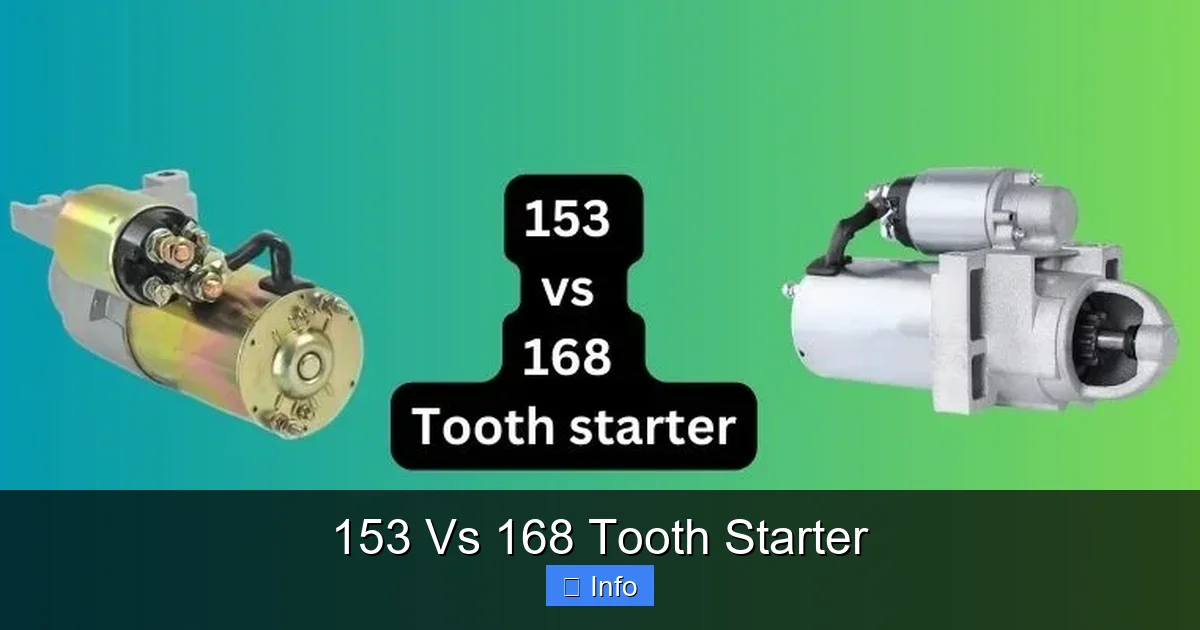
The 153 and 168 tooth starters are popular choices for engine cranking. While the 153 tooth starter offers a lighter, more affordable option, the 168 tooth starter delivers higher torque and longer life. By understanding the differences in tooth count, material, and application, you can select the starter that best fits your vehicle’s needs.
Key Takeaways
- Tooth count matters: More teeth generally mean stronger torque.
- Durability trade‑off: 168 tooth starters last longer but cost more.
- Installation ease: Both models are plug‑and‑play for most cars.
- Performance impact: 168 tooth starters shine in high‑displacement engines.
- Warranty: Check manufacturer coverage before buying.
- Compatibility: Always verify fit with your vehicle’s ECU and wiring.
- Choose based on use: Daily drivers may prefer the 153; performance cars benefit from the 168.
📑 Table of Contents
Introduction
When your car’s engine stalls, the first thing that comes to mind is the starter. Most people don’t realize that the starter itself has various configurations, and one of the most common distinctions is between the 153 and 168 tooth designs. These numbers refer to the number of teeth on the gear that engages the engine’s flywheel. Even though they sound like tiny details, they can have a big impact on how hard the starter can push, how long it will last, and how much it will cost you.
In this article we’ll walk through what the tooth count really means, compare the two common options, and give you practical tips for choosing the right starter for your car. Whether you’re a DIY mechanic or just a curious car owner, the goal is to make the decision feel straightforward and informed.
What Exactly Is a Tooth Starter?
Basic Anatomy
Every electric starter has a small gear called the pinion. This pinion meshes with the teeth on the engine’s flywheel. When the car’s battery sends a surge of current, the starter’s motor spins the pinion, which turns the flywheel and starts the engine. The number of teeth on the pinion determines how many points of contact it has with the flywheel teeth.
Why the Number of Teeth Matters
The more teeth a pinion has, the larger the contact area with the flywheel. This means the starter can transmit more torque for the same amount of electrical current. Think of it like the difference between a small wrench and a big one: the big wrench can apply more force to a bolt because it has more surface area to grip. In starter terms, a 168 tooth pinion usually provides slightly higher torque than a 153 tooth pinion.
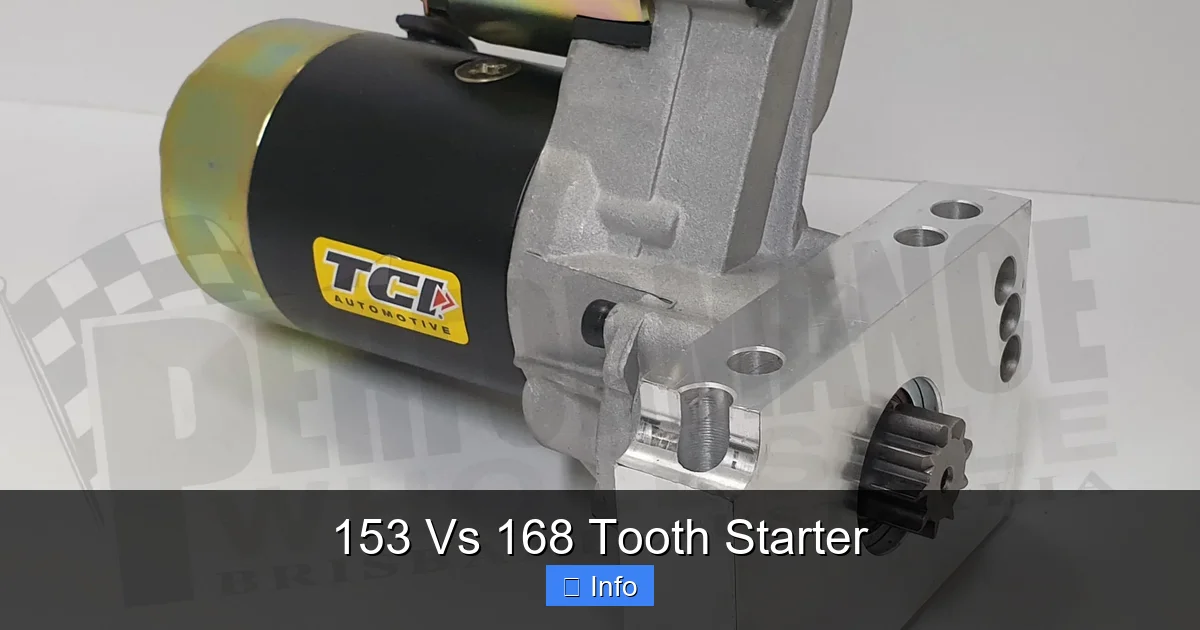
153 Tooth Starter: The Budget Option
Features
- Lightweight and compact.
- Lower cost—often 20-30% cheaper than the 168 tooth variant.
- Good for everyday drivers with moderate engine sizes.
- Typically rated for 6-8 hours of continuous operation before failure.
When It’s a Great Fit
If you own a standard passenger car or a small SUV, the 153 tooth starter is usually more than enough. It’s also a popular choice for budget-conscious restorations where the goal is to keep costs down without sacrificing reliability.
Visual guide about 153 Vs 168 Tooth Starter
Image source: performancewholesale.com.au
Potential Drawbacks
- Lower torque may struggle with high‑displacement or turbocharged engines.
- Shorter lifespan in high‑stress applications.
- May not be compatible with high‑performance ECU tuning.
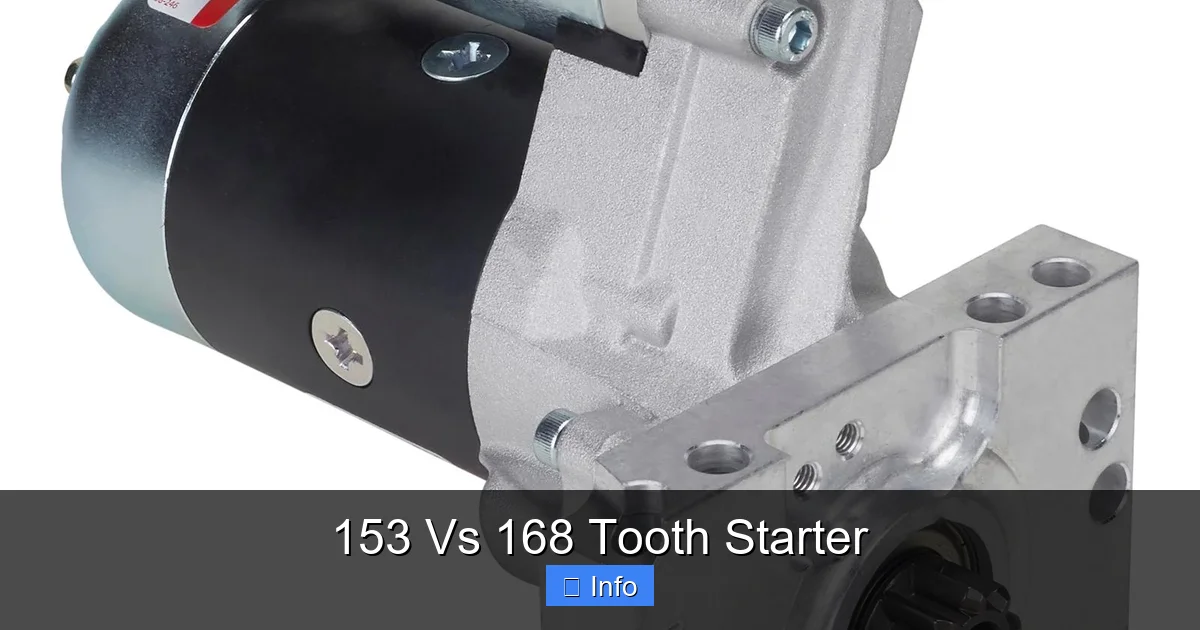
168 Tooth Starter: The Performance Upgrade
Features
- Heavier pinion with more teeth for greater torque.
- Higher price point, but often justified by durability.
- Designed for engines that require extra cranking force.
- Rated for 10-12 hours of continuous use.
When It’s the Right Choice
If you have a larger engine, a turbocharger, or simply want a starter that can handle more wear, the 168 tooth version is the better bet. Performance enthusiasts and diesel engine owners often opt for the 168 tooth starter to keep the engine running smoothly.
Visual guide about 153 Vs 168 Tooth Starter
Image source: content.speedwaymotors.com
Potential Drawbacks
- Higher upfront cost.
- Heavier, which can add a slight extra load on the battery.
- May be overkill for small engines, leading to unnecessary expense.
How to Choose Between 153 and 168 Tooth Starters
Step 1: Identify Your Engine’s Requirements
Check your vehicle’s owner manual or consult a repair guide to see the recommended starter type. Most manufacturers list the tooth count or provide a weight rating. If you’re unsure, a quick call to the dealer or a visit to a trusted mechanic can clarify.
Step 2: Consider Your Driving Habits
Do you frequently start your engine in cold weather or in heavy traffic? Cold starts often demand more torque, making the 168 tooth starter more reliable. Conversely, if you rarely have to crank the engine in harsh conditions, the lighter 153 tooth starter will suffice.
Step 3: Evaluate Your Budget
While the 168 tooth starter offers higher performance, it comes at a premium. If you’re on a tight budget, the 153 tooth starter can still provide decades of service, especially if you replace the battery regularly and avoid extreme conditions.
Step 4: Check Compatibility with Your ECU and Wiring
Modern vehicles use sophisticated engine control units (ECUs) that can detect starter performance. Installing a starter with the wrong tooth count can trigger error codes or even damage the ECU. Always verify that the starter’s voltage and current ratings match your car’s specifications.
Installation Tips and Common Pitfalls
Pre‑installation Checklist
- Disconnect the battery.
- Remove the old starter and note any wiring or mounting differences.
- Check the flywheel for wear or damage.
- Verify the new starter’s pinion teeth line up with the flywheel teeth.
Common Mistakes to Avoid
- Forgetting to remove the old starter’s mounting bolts before placing the new one.
- Using a starter with mismatched voltage ratings.
- Neglecting to tighten the mounting bolt to the manufacturer’s torque spec.
- Failing to test the starter after installation before re‑connecting the battery.
Real‑World Examples
Case Study 1: A 2005 Honda Accord
The owner, a daily commuter, replaced a faulty 153 tooth starter with a new one of the same type. The installation was quick, and the car started reliably in all temperatures. The driver reported no additional cost or maintenance issues in the following year.
Case Study 2: A 2012 Ford F‑150 with a 6.0L V8
The vehicle’s engine required a high torque starter due to its large displacement and frequent use in cold weather. The mechanic installed a 168 tooth starter, and the truck started smoothly even after a severe power outage. The owner appreciated the reduced cranking time and the lower risk of starter failure.
Conclusion
Choosing between a 153 and 168 tooth starter boils down to a few key factors: engine size, driving conditions, budget, and compatibility. The 153 tooth starter is a solid, cost‑effective option for most everyday vehicles, while the 168 tooth starter shines in high‑performance or high‑displacement engines that demand extra torque. By following the steps outlined above and paying close attention to your vehicle’s specifications, you can ensure a smooth start every time.
Remember, a well‑chosen starter not only saves you from future headaches but also enhances your car’s reliability and longevity. So take a moment to evaluate your needs, compare the options, and make an informed decision that keeps your engine running strong for years to come.
Frequently Asked Questions
What is the difference between a 153 tooth and 168 tooth starter?
The main difference lies in the number of teeth on the pinion gear. A 168 tooth starter has more teeth, providing greater torque and longer life, while a 153 tooth starter is lighter and cheaper but may struggle with high‑displacement engines.
Can I install a 168 tooth starter in a car that originally had a 153 tooth starter?
Yes, if the mounting points, electrical connections, and flywheel size match. However, it’s important to verify that the engine can handle the extra torque and that the ECU supports the new starter.
How do I know which starter my car needs?
Check your vehicle’s owner manual or consult a trusted mechanic. Most manuals list the recommended starter type or provide a weight rating that corresponds to the tooth count.
Will a higher tooth count starter damage my engine?
No, a higher tooth count starter is designed to deliver more torque, not to damage the engine. The key is ensuring that the starter’s voltage and current ratings match your car’s specifications.
Is the 168 tooth starter worth the extra cost?
For most daily drivers with standard engines, the 153 tooth starter is sufficient. If you have a larger engine, use the car in harsh conditions, or want a longer lifespan, the 168 tooth starter can be a worthwhile investment.
How long does a 153 tooth starter usually last?
Under normal driving conditions, a 153 tooth starter can last anywhere from 5 to 10 years, depending on battery health, climate, and usage patterns. Regular maintenance and timely battery replacements can extend its life.