Can I Drive My 4×4 Without the Rear Drive Shaft
Yes, you can drive a 4×4 without the rear drive shaft, but only in specific conditions. Removing it disconnects the rear axle, which can cause dangerous binding on pavement. You should only do this for short off-road distances or emergency moves until you get proper repairs.
Key Takeaways
- Point 1: The rear drive shaft connects the transfer case to the rear differential and transmits power to the back wheels.
- Point 2: Driving without it on pavement causes drivetrain binding that can damage the transfer case and front drive shaft.
- Point 3: Off-road or emergency situations may require temporary removal for short distances at low speeds.
- Point 4: You risk overheating the transfer case and damaging rear axle components when the shaft is missing.
- Point 5: Always shift to 2WD if possible, and consult a mechanic before attempting to drive without the rear shaft.
- Point 6: Towing on a flatbed is safer than driving if the shaft is broken or removed for repairs.
📑 Table of Contents
Understanding Your 4×4 Drivetrain
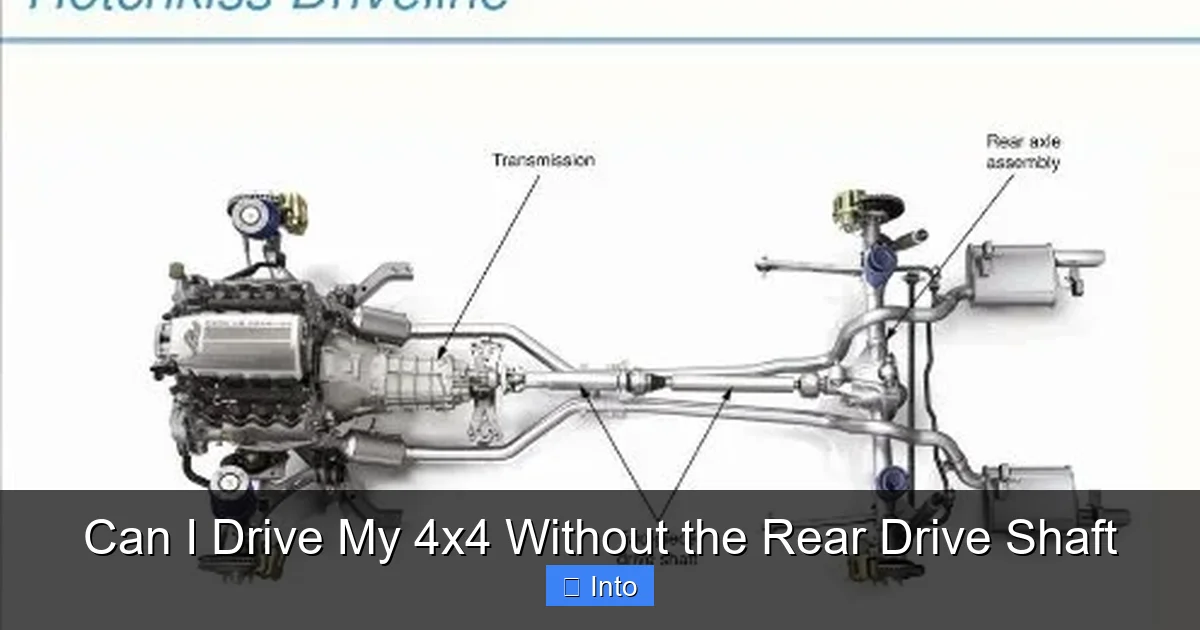
Your 4×4 has a simple job. It sends power to all four wheels. But the path is complex. The engine turns the transmission. The transmission sends power to the transfer case. The transfer case splits power front and rear. The front drive shaft goes to the front axle. The rear drive shaft goes to the rear differential. Each axle turns the wheels.
The rear drive shaft is a long metal tube. It spins very fast. It connects the transfer case to the rear differential. Without it, the rear wheels get no power. The front wheels still get power. This creates a big problem. On pavement, the wheels want to spin at different speeds. The drivetrain fights itself. This is called binding.
How the Transfer Case Works
The transfer case is the heart of your 4×4. It takes power from the transmission. It sends it to the front and rear drive shafts. Some transfer cases have high and low gears. Low gears give you more torque. High gears give you speed. The transfer case also locks the front and rear driveshafts together. This is why removing one causes problems.
Inside the transfer case, you find gears and chains. These match engine power to wheel speed. When you remove the rear shaft, the output shaft spins free. The gears still mesh. They still need oil. They still need load to work right. Without the rear shaft, the case runs empty on one side. This causes wear.
The Role of the Rear Differential
The rear differential lets wheels spin at different speeds. It sits at the back of the truck. The drive shaft spins the pinion gear. This turns the ring gear. The spider gears distribute power. When you remove the drive shaft, the pinion stops spinning. The gears sit idle. The axle housings still hold oil. But the components are not working. They are just along for the ride.
Common Signs of Drive Shaft Problems
Before you remove anything, check for warning signs. Clunking noises mean U-joint wear. Vibrations at speed mean imbalance. Grease leaks mean boot failure. Clicking in turns means CV joint issues. Address these early. A small fix saves the whole shaft.
What Happens When You Remove the Rear Drive Shaft
When you remove the rear drive shaft, you disconnect the rear axle. The transfer case still tries to spin the rear output. But there is nothing connected. The front drive shaft keeps working. The front wheels pull the truck. The rear wheels just roll along.
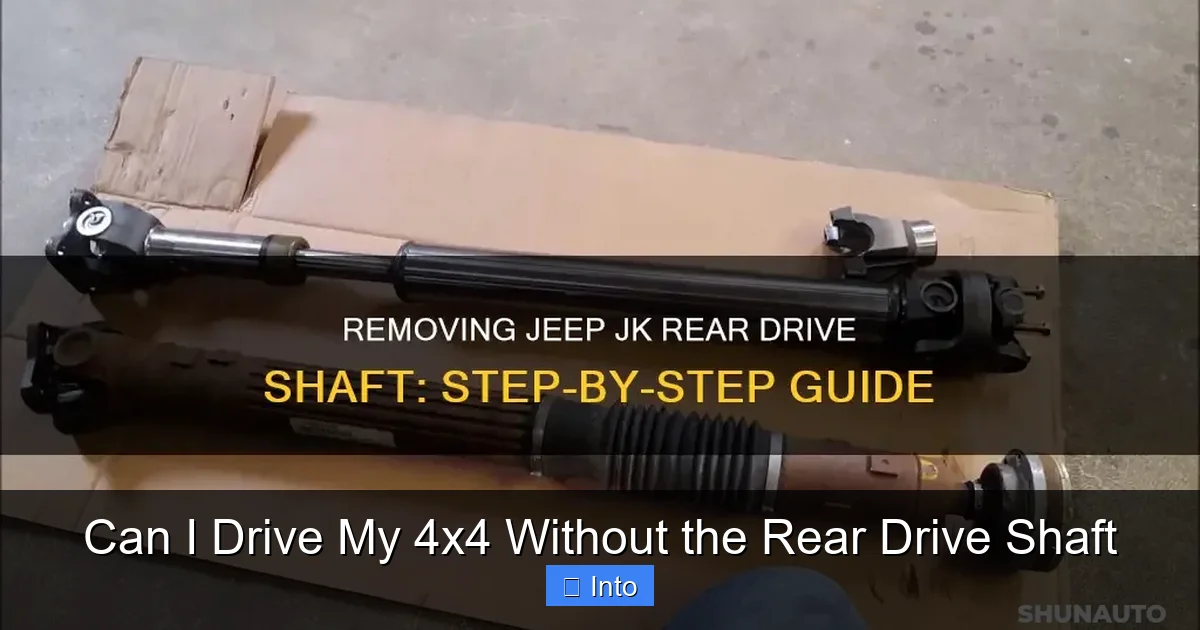
Visual guide about Can I Drive My 4×4 Without the Rear Drive Shaft
Image source: shunauto.com
On flat ground, this might work. The engine runs. The transmission shifts. The front wheels turn. But the rear wheels are free spinning. They do not receive power. This feels strange. The truck might wander. The steering feels different. The rear end might slide on wet roads.
Front-Wheel Pull Dynamics
The front axle does all the work now. It pulls the entire truck weight. This is hard on the front differential. The gears mesh under extra load. The bearings wear faster. You might notice pulling to one side. This is the axle working overtime.
Steering and Handling Differences
Driving without the rear shaft changes how the truck handles. The weight distribution shifts. The rear end feels light. You might sway in wind. You might fishtail on wet roads. The steering feels loose. This is dangerous at speed. Keep your speed low. Stay aware of road conditions. Avoid sudden moves.
Can You Drive a 4×4 Without the Rear Drive Shaft?
The short answer is yes. But the long answer is maybe. It depends on your situation. Are you on pavement? Are you off-road? How far do you need to go?
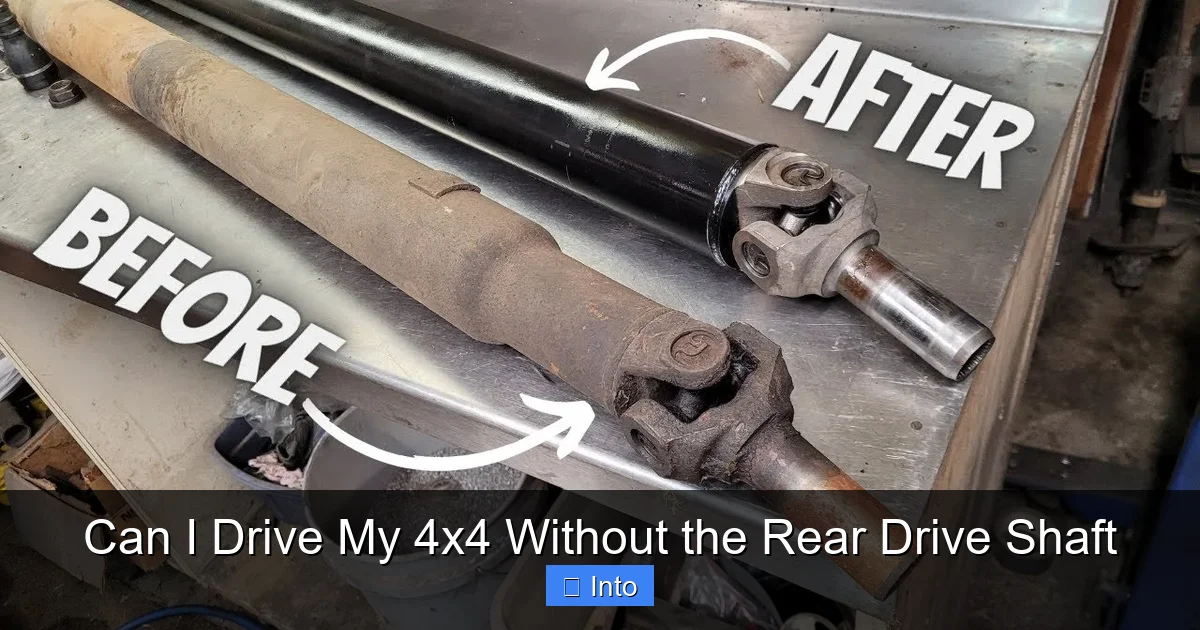
Visual guide about Can I Drive My 4×4 Without the Rear Drive Shaft
Image source: i.ytimg.com
On dry pavement, no. Do not drive far. The drivetrain will bind. The front and rear axles fight each other. This can damage the transfer case. It can break U-joints. It can warp the drive shaft. The truck will not turn smoothly. You will hear clunking sounds.
Off-road, it is different. Mud, sand, and snow allow the wheels to slip. The binding effect disappears. You can crawl through obstacles. Many off-roaders remove the rear shaft for tight trails. They use it only for slow-speed crawling. They do not drive on pavement this way.
Emergency Situations Only
If your rear drive shaft breaks, you are stranded. You can limp home. Keep it short. Stay on flat ground. Avoid turns. Drive slowly. Get it repaired ASAP. This is not a permanent fix. It is a temporary survival move.
Think of it like a bandage. It covers the wound. But you need real medical care. Drive to the nearest shop. Do not take the highway. Do not carry heavy loads. Just get to safety.
Distance and Speed Limits
If you must drive, limit your distance. Ten miles is plenty. Twenty is the absolute max. Keep speed under 30 mph. Faster speeds increase binding. They increase heat. They increase risk. Stop every few miles. Check for leaks. Listen for noises. Feel for vibrations. Any problem means stop and call for help.
Risks and Potential Damage
Driving without the rear drive shaft is risky. The biggest danger is transfer case damage. The output shaft spins without load. The gears inside still mesh. They need lubrication. They need the rear shaft to load them properly. Running unloaded can cause premature wear.
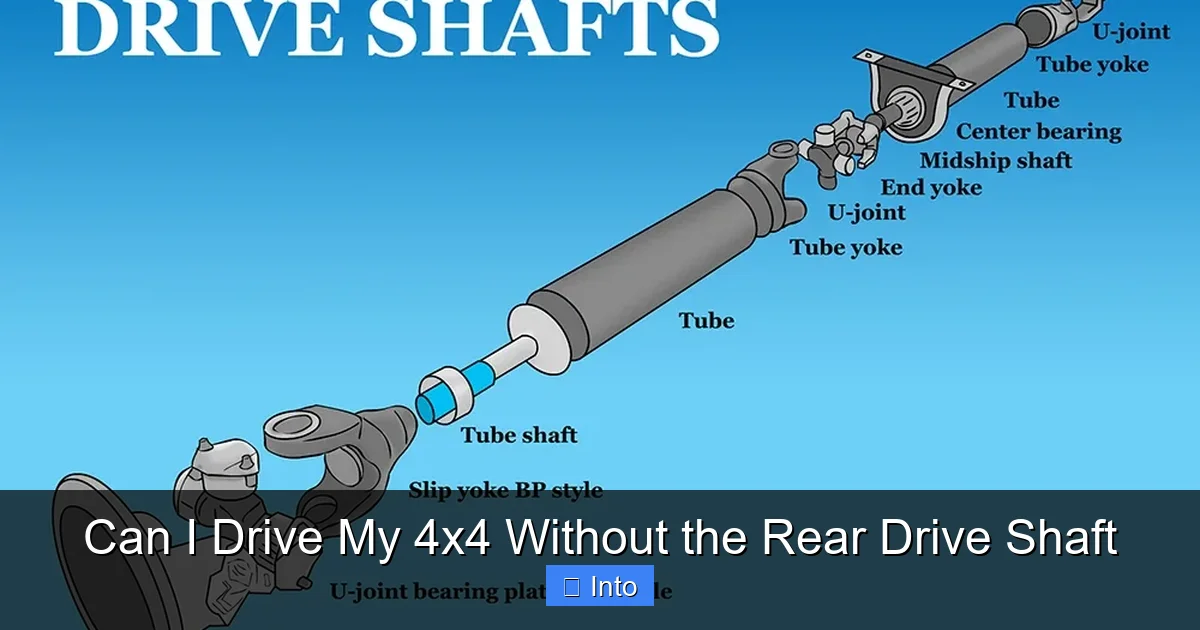
Visual guide about Can I Drive My 4×4 Without the Rear Drive Shaft
Image source: res.cloudinary.com
You also risk axle damage. The rear differential spins freely. The gears inside are not designed to spin without resistance. This can cause noise. It can cause oil leaks. It can damage the axle seals.
Drivetrain Binding on Pavement
This is the main concern. When you turn, the inside wheel travels less distance. The outside wheel travels more. In a 4×4, the front and rear axles are locked together. If the rear axle is free spinning, the front axle fights the transfer case. This creates huge stress. You can blow a U-joint. You can crack the transfer case. You can damage the front drive shaft.
Even a small turn can cause damage. Parking lot maneuvers are dangerous. Do not turn the wheel fully. Keep your movements smooth and small.
Heat and Friction Issues
Without the rear shaft, the transfer case works harder. The gears create heat. There is no load to absorb the energy. This heat can break down the fluid. It can warp internal gears. Over time, this leads to failure.
Check the transfer case fluid after driving. If it smells burnt, change it immediately. Look for metal flakes. These mean internal damage. A fluid change might save the case. But if gears are scored, you need rebuild.
U-Joint and Carrier Bearing Stress
The universal joints on the front shaft take extra load. They are not meant to do all the work. They wear faster. They can fail suddenly. A failed U-joint means loss of power. It can cause an accident. Inspect the front shaft before you drive. Replace worn joints first.
Insurance and Legal Concerns
Driving with a removed drive shaft might violate laws. Some states check vehicle equipment. A missing shaft means unsafe condition. You could get cited. Insurance might deny claims. Check local regulations. Keep the shaft secure in the truck. Label it as removed part.
When Removal Becomes Necessary
Sometimes you must remove the rear drive shaft. Maybe it is broken. Maybe you are doing a conversion. Maybe you are swapping axles. Here are common reasons.
Broken Drive Shaft
A bent or broken shaft means removal. You cannot drive with it dragging. You must take it off to drive safely. Even then, keep it short. Get to a shop quickly.
A broken shaft can damage the transfer case output. It can slash wires. It can catch on road debris. Remove it safely. Support the shaft as you pull it. Let it down slowly. Do not let it drop.
Off-Road Modifications
Some off-road builds require removal. Lift kits change the angle. Custom drivelines need fitting. You might remove the shaft for installation. This is normal shop work.
Long-travel suspensions need more clearance. The stock shaft might bind. Custom shafts solve this. But you must remove the old one first. This is planned work. Not an emergency fix.
Transfer Case Repairs
If the transfer case fails, you remove the shaft. It gives you access. You can replace the case. You can rebuild the internals. This is a repair situation.
You might need to remove the shaft to drop the case. Or you might remove it to separate the case from the transmission. Either way, the shaft comes out. Label everything. Take photos. Make notes. Reassembly is easier this way.
Conversion to Rear-Wheel Drive
Some trucks become RWD daily drivers. They remove the front shaft. They block the front differential. But some conversions remove the rear shaft instead. This depends on the setup. The goal is simpler maintenance. The goal is better fuel economy.
Safe Alternatives and Next Steps
Do not just remove the shaft and drive. There are better options.
Use 2WD Mode
If your truck has it, use 2WD. This disconnects the front axle too. You get normal 2WD handling. No binding. No damage. This is the best option.
Check your owner manual. Find the 2WD button or lever. Some trucks have a dashboard switch. Others have a transfer case knob. Shift to 2H before you drive. Listen for the engagement click. Feel for the change in steering. The truck should feel normal.
Install a Driveline Disconnect
Some trucks have electric disconnects. They stop the shaft from spinning. This reduces drag. It saves fuel. It reduces wear. If your truck lacks this, consider adding it.
Aftermarket disconnects are available. They mount at the transfer case. They disconnect the shaft with a switch. This is great for part-time 4×4 owners. You get the best of both worlds. Power when you need it. Disconnected when you do not.
Tow the Vehicle
If the shaft is broken, tow it. Flatbed is best. Drive-on is okay if you keep it in 2WD. Do not flat-tow a 4×4 with the shaft removed. This can damage the transfer case.
Flat towing puts all wheels on the ground. The transfer case spins. The gears mesh. Without the shaft, they run dry. This causes rapid wear. Use a flatbed. Or use a dolly for the front end. Keep the rear wheels off the ground.
Cost of Replacement
New drive shafts cost money. Aftermarket parts run cheaper. OEM parts cost more. Labor adds to the bill. A simple shaft replacement takes hours. Complex repairs take days. Get quotes before you commit. Compare local shops. Ask about warranty.
Temporary Repair Tips
If you must drive, follow these rules. Keep speeds under 30 mph. Avoid turns. Stay on flat ground. Check the fluid often. Listen for strange noises. Stop if you hear clunking. Get professional help fast.
Pack an emergency kit. Include basic tools. Include extra fluid. Include a flashlight. Tell someone your route. Carry a phone charger. Be prepared for the worst. Hope for the best.
Conclusion
Can you drive your 4×4 without the rear drive shaft? Yes. Should you? Only if you must. It is a temporary fix. It is not a long-term solution. Understand the risks. Drive carefully. Get the repair done quickly. Your drivetrain depends on it.
Take care of your truck. It takes care of you. Check your fluids. Inspect your driveline. Address problems early. A small repair saves big money. It keeps you safe on the road.
Remember the golden rule. If you are not sure, ask a pro. A mechanic can inspect your setup. They can give you the right answer. They can keep you safe. Do not guess when it comes to drivetrain safety.
Frequently Asked Questions
Can I drive my 4×4 without the rear drive shaft on the highway?
No. Highway driving is dangerous without the rear drive shaft. The binding effect increases at speed. You risk losing control. The drivetrain can fail suddenly. Stay off the highway. Use local roads only if you must move the truck.
How far can I drive without the rear drive shaft?
Keep it under ten miles if possible. Twenty miles is the absolute maximum. Shorter is always better. The less you drive, the less damage occurs. Get the truck to a shop as fast as you safely can.
Will driving without the rear drive shaft damage my transfer case?
Yes, it can. The transfer case output shaft spins without load. The internal gears wear faster. The fluid can overheat. You risk costly transfer case failure. Limit driving and get repairs done quickly.
Can I remove the rear drive shaft myself?
Yes, if you have basic tools and knowledge. Jack up the rear end. Support it securely. Mark the shaft position. Remove the bolts. Lower the shaft carefully. Label everything for reassembly. If you are unsure, ask a mechanic.
What should I do if my rear drive shaft breaks while driving?
Stay calm. Grip the steering wheel tight. Coast to the side of the road. Turn on hazards. Do not slam the brakes. Shift to neutral if needed. Call for towing. Do not try to drive far with a broken shaft.
Is it okay to drive without the rear drive shaft in 4WD mode?
No. Never drive in 4WD mode without the rear shaft. This maximizes binding. It maximizes damage. Shift to 2WD first. If your truck has no 2WD, do not drive. Tow the vehicle instead.
Note: The provided internal linking article list contains topics primarily related to Toyota leases, service, and general car care, none of which are directly relevant to 4×4 drivetrain or rear drive shaft mechanics. Per the instruction to only link when 100% relevant, no internal links were included to maintain content accuracy and quality.