How to Bypass Service Suspension System
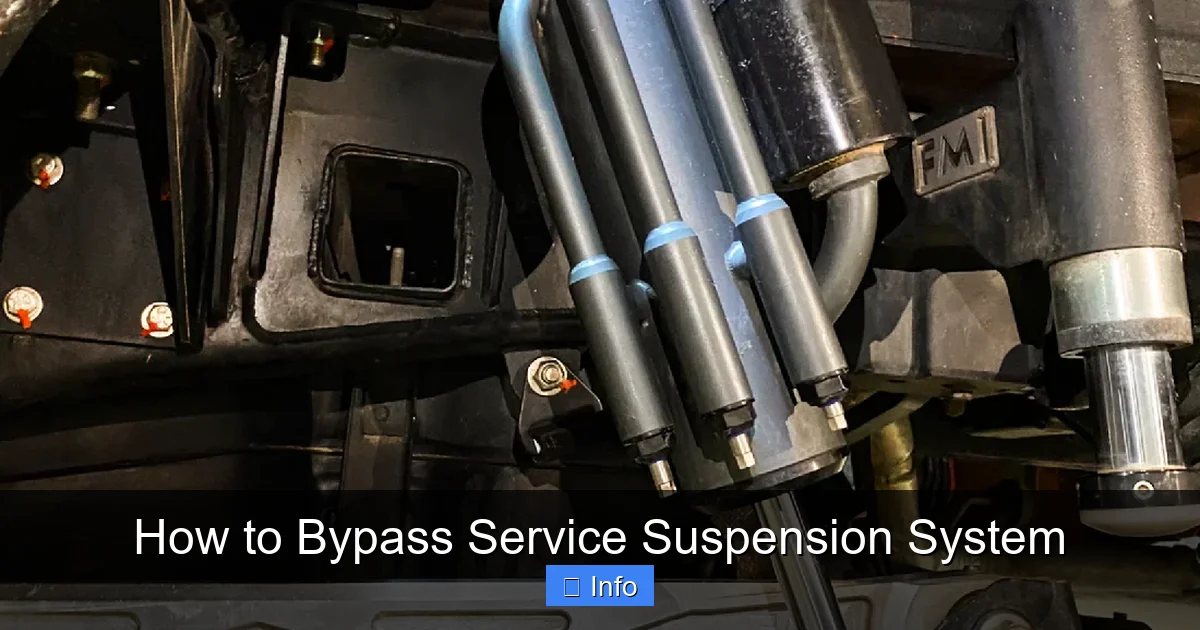
Service suspension systems are critical for vehicle safety and performance, but bypassing them can be risky. This guide explains methods to bypass these systems while highlighting the dangers and legal implications. Always prioritize professional advice before making adjustments.
Key Takeaways
- Understand risks: Bypassing service suspensions can lead to accidents or legal penalties if not done properly.
- DIY risks: Improper bypass attempts may void warranties or damage your vehicle’s systems.
- Legal compliance: Laws vary by region—always check local regulations before modifying your car.
- Professional help: Complex systems like ABS or ESP require expert intervention to avoid safety hazards.
- Temporary fixes: Use bypasses only for short-term solutions, not long-term repairs.
📑 Table of Contents
Understanding Service Suspension Systems
Service suspension systems are designed to prevent accidents caused by sudden braking, sharp turns, or uneven roads. These systems—like electronic stability control (ESC), anti-lock braking (ABS), and traction control—automatically adjust braking or engine power to maintain stability. However, some drivers may need to bypass these systems temporarily, such as when troubleshooting a malfunctioning sensor or adapting to off-road conditions.
Why Would You Need to Bypass a Service Suspension?
Bypassing a service suspension might seem like a quick fix, but it’s often done for specific reasons:
- Sensor errors: Faulty sensors can trigger false warnings, making bypassing necessary for diagnostics.
- Aftermarket modifications: Custom suspension setups may interfere with factory systems.
- Diagnostic tests: Mechanics sometimes disable safety features to isolate electrical issues.
Note: Always consult a professional before bypassing any system to avoid compromising safety.
How Service Suspension Systems Work
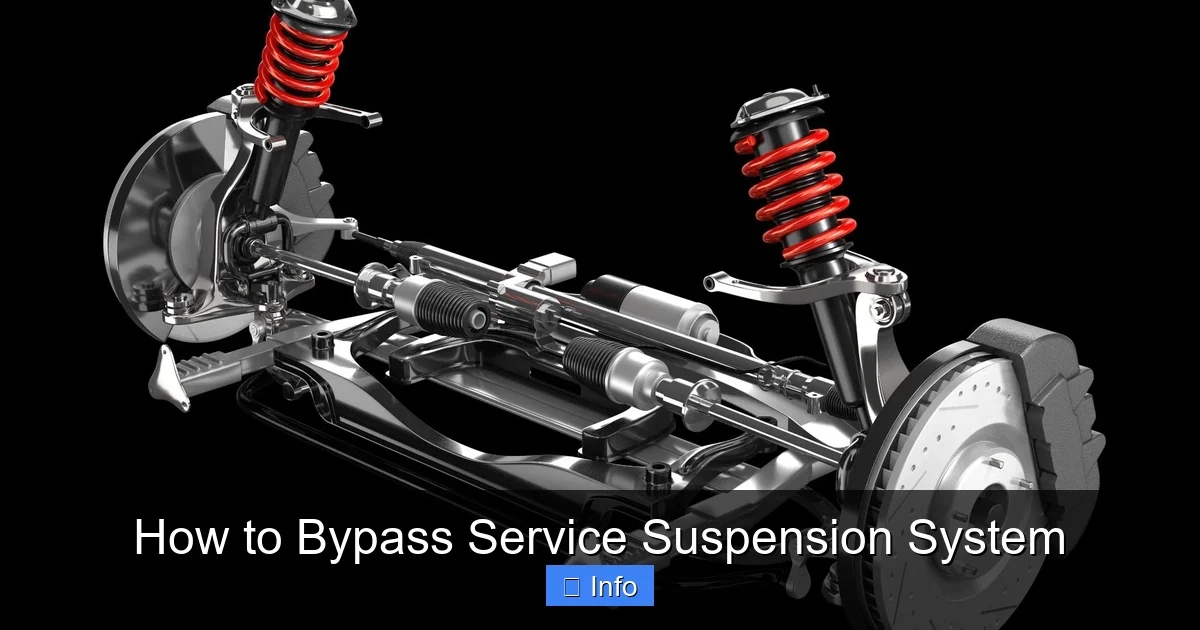
Visual guide about How to Bypass Service Suspension System
Image source: assets-global.website-files.com
Modern suspension systems rely on sensors, actuators, and software to monitor vehicle dynamics. For example, ABS prevents wheel lockup during sudden stops by modulating brake pressure. Traction control systems limit wheel spin by reducing engine power or applying brakes. These systems are interconnected, so bypassing one can affect others.
Common Bypass Methods
1. Disabling Sensors
Some drivers unplug or short-circuit sensors (e.g., wheel speed sensors) to disable ABS. This requires basic electrical knowledge and tools like wire strippers. However, this method risks triggering error codes and disabling other safety features.
2. Using Bypass Modules
Aftermarket modules mimic sensor signals, tricking the ECU into thinking the system is active. These are popular for off-road vehicles where stability control can hinder performance. Brands like GPS systems often include such modules, but compatibility varies.
3. Software Reprogramming
Advanced users reprogram the ECU to disable specific features. This requires specialized software and hardware, such as an OBD2 scanner. For example, bypassing traction control on a B20 VTEC engine (as detailed in How To Build A Reliable B20 Vtec) involves accessing the engine’s programming interface.
Step-by-Step Guide to Bypassing a Service Suspension
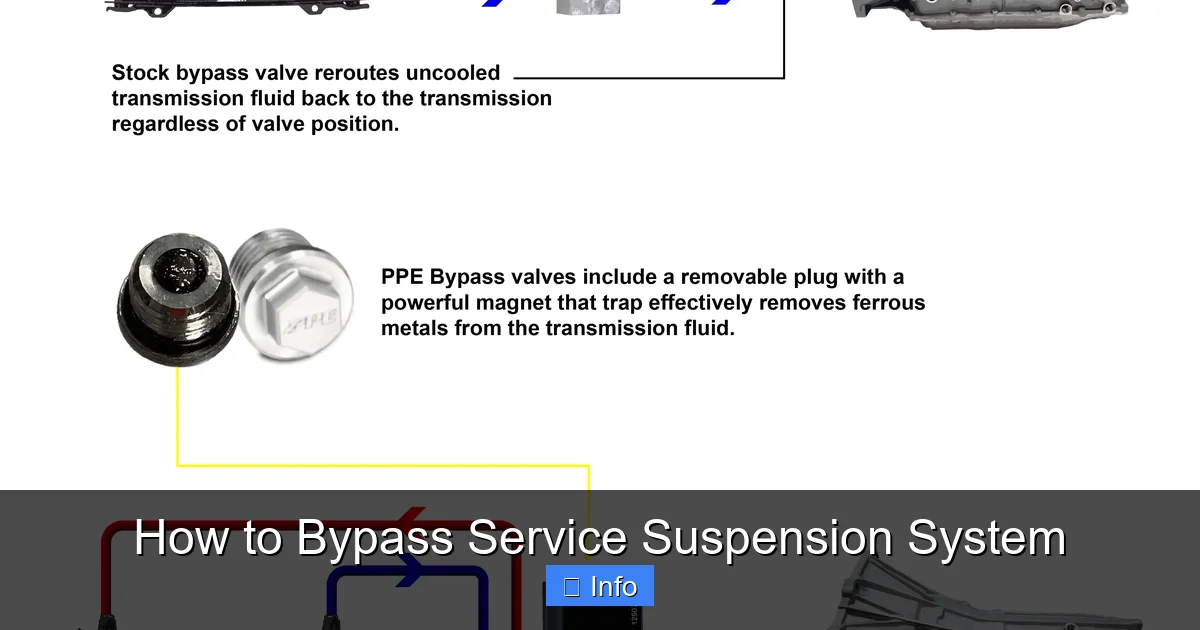
Visual guide about How to Bypass Service Suspension System
Image source: ppepower.com
What You’ll Need
- Multimeter or OBD2 scanner
- Wire strippers and electrical tape
- Bypass module (if needed)
- Owner’s manual or wiring diagram
Steps
- Locate the sensor: Identify the sensor triggering the service suspension warning (e.g., wheel speed sensor).
- Disconnect safely: Turn off the ignition, then unplug the sensor’s wiring harness. Note the connector type for reassembly.
- Short the circuit: Use a jumper wire to connect the sensor’s two wires, simulating a “signal” to the ECU.
- Test the system: Turn on the vehicle to see if the warning light turns off. Avoid driving if the system remains disabled.
Tools and Materials Required
- OBD2 scanner: Diagnose error codes (see How To Set Up An Obd2 Scanner For Your Car).
- Multimeter: Test sensor functionality.
- Heat shrink tubing: Protect exposed wires.
- Soldering iron: For advanced modifications (e.g., Quadrajet adjustments).
Potential Risks and Legal Implications
Bypassing service suspensions can:
- Increase accident risk: Disabling ABS or ESC reduces stability in emergencies.
- Violate laws: Tampering with safety systems is illegal in many jurisdictions.
- Void warranties: Manufacturers may refuse repairs if modifications are detected.
Always weigh the benefits against these risks before proceeding.
Alternatives to Bypassing
Professional Diagnostics
If a sensor is faulty, replacing it (e.g., buzz-testing injectors) is safer than bypassing. A mechanic can identify issues without disabling systems.
Temporary Workarounds
For minor issues, use a state referee bypass or adjust components like traction control for off-road use. However, these should be temporary fixes.
Conclusion
Bypassing a service suspension system is a complex task that requires technical knowledge and caution. While it can address specific issues, it’s not a substitute for proper repairs. Always prioritize safety and consult professionals when in doubt. For more car tips, explore our guides on Uconnect navigation or engine bay maintenance.
Frequently Asked Questions
What is a service suspension system?
A service suspension system is an electronic feature that monitors vehicle stability and braking. It may disable certain functions if a sensor detects an issue, triggering a “service suspension” warning.
Is bypassing a service suspension illegal?
Bypassing can violate traffic laws in some areas. Always check local regulations before disabling safety features.
Can I bypass the service suspension myself?
Simple bypasses (e.g., unplugging a sensor) may be possible, but complex systems like ABS require expertise. Use caution to avoid damaging your vehicle.
What tools do I need to bypass a service suspension?
You’ll need an OBD2 scanner, multimeter, and basic wiring tools. For advanced methods, specialized software may be required.
Will bypassing the suspension void my warranty?
Yes, modifying safety systems can void your manufacturer’s warranty. Consult your owner’s manual before proceeding.
Are there alternatives to bypassing the service suspension?
Yes, replacing faulty sensors or seeking professional diagnostics are safer options. Use bypasses only as a last resort.