Willwood Vs Brembo Which Brake System Reigns Supreme
When it comes to high-performance braking systems, two names stand out: Willwood and Brembo. Both offer top-tier solutions but cater to different needs and budgets. Willwood excels in custom applications and rugged durability, while Brembo shines with OEM integration and premium finishes. The choice between these giants depends on your vehicle’s purpose, driving style, and financial commitment. Each system has unique strengths that make them ideal for specific scenarios, so understanding your requirements is key to making the right decision.
[Featured Image Placeholder]
Key Takeaways
- Design Focus: Willwood specializes in custom, heavy-duty brakes for racing and off-road, while Brembo focuses on OEM integration and sleek aesthetics for street and performance cars.
- Materials and Build: Both use high-quality alloys, but Willwood’s forged components offer superior strength, whereas Brembo’s cast parts balance cost and performance effectively.
- Performance Metrics: Brembo often edges out in modulation and pedal feel, while Willwood provides higher thermal capacity for extreme conditions.
- Price and Value: Willwood tends to be more budget-friendly for custom setups, while Brembo commands a premium for its brand prestige and factory fitments.
- Applications: Willwood suits drag racing, rally, and trucks; Brembo is preferred for supercars, luxury sedans, and track-focused street vehicles.
- Maintenance and Durability: Willwood parts are easier to service and replace, whereas Brembo requires specialized care but offers long-term reliability when maintained properly.
- Brand Reputation: Brembo’s presence in supercar brake systems gives it broader recognition, while Willwood is a respected underdog in grassroots motorsports.
📑 Table of Contents
Introduction: Setting the Stage for the Ultimate Brake Battle
In the world of automotive performance, few components are as critical as your brake system. It’s the unsung hero that ensures you can stop safely, whether you’re tearing up a racetrack or navigating city streets. When it comes to high-performance braking solutions, two names dominate the conversation: Willwood and Brembo. These brands have carved out significant niches in the automotive aftermarket, each with its own philosophy and strengths. But which one truly reigns supreme? Let’s dive into this Willwood vs Brembo showdown to uncover the details that matter most to car enthusiasts and professionals alike.
History and Brand Background
Willwood Engineering: A Legacy of Custom Precision
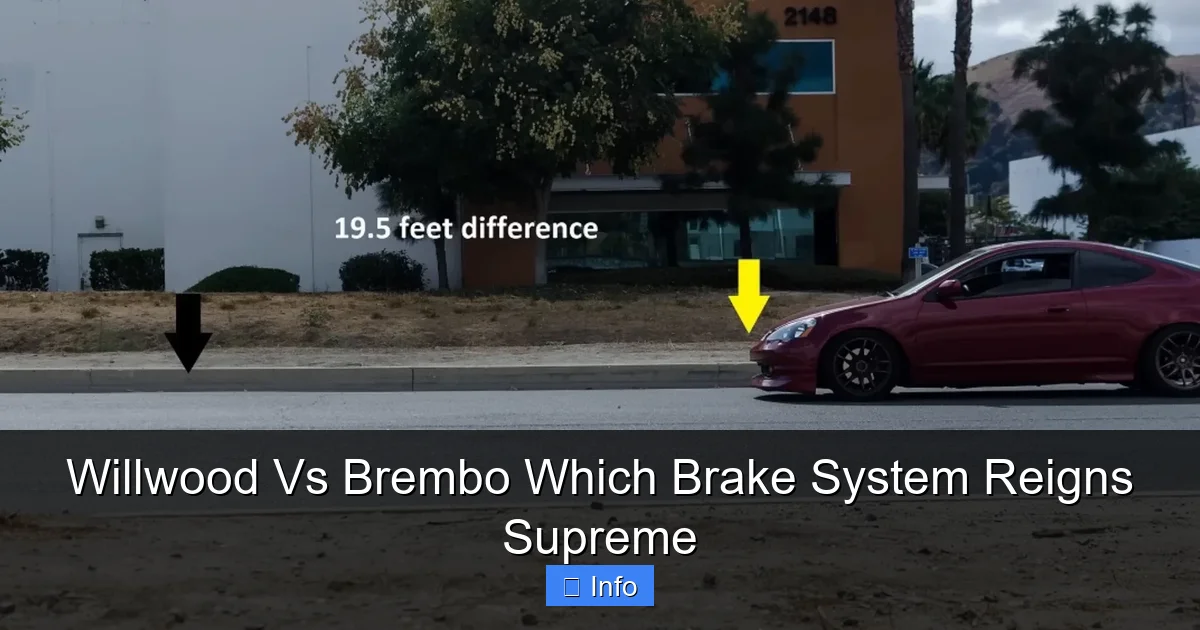
Founded in 1979, Willwood Engineering has built its reputation on crafting brake systems tailored for specific applications. Based in California, the company initially focused on motorsports, developing brakes for drag racing and off-road vehicles. Over the decades, Willwood has become synonymous with custom solutions, offering modular designs that can be configured to fit a wide range of vehicles. Their commitment to durability and adaptability has made them a go-to brand for enthusiasts who demand functionality over flash.
Visual guide about Willwood Vs Brembo Which Brake System Reigns Supreme
Image source: carpartsfaq.com
Brembo: The Premium OEM Powerhouse
Italian manufacturer Brembo S.p.A. entered the market earlier, established in 1961, and quickly became the preferred choice for original equipment manufacturers. With a presence in iconic supercars like Ferrari, Lamborghini, and McLaren, Brembo has leveraged its motorsports success to dominate the premium aftermarket. Their focus on aesthetics, precision engineering, and seamless integration with modern vehicle electronics positions them as the luxury option in the brake system arena.
Design Philosophy and Materials
Customization vs. Standardization
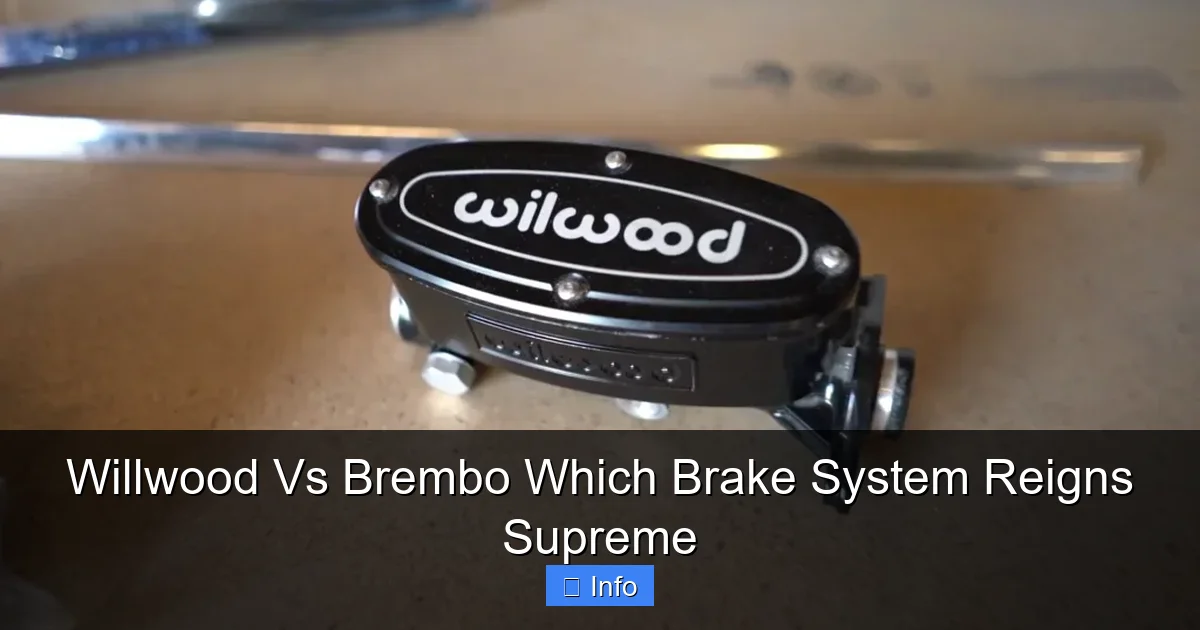
Willwood’s design philosophy centers around modularity. Their brake kits often require customization based on the vehicle’s specifications, allowing for precise tuning of caliper size, rotor diameter, and mounting points. This approach appeals to those building race cars or heavily modified vehicles. In contrast, Brembo emphasizes standardized, bolt-on installations that mirror OEM specifications. This makes Brembo systems easier to install for many applications, though they may lack the ultra-custom options Willwood offers.
Visual guide about Willwood Vs Brembo Which Brake System Reigns Supreme
Image source: carpartsfaq.com
Material Quality and Construction
Both brands use high-grade aluminum and steel, but their approaches differ. Willwood often employs forged aluminum components, which are stronger and lighter but costlier to produce. Brembo uses a mix of cast and forged parts, balancing performance with affordability. Willwood’s rotors are typically vented and slotted for heat dissipation, while Brembo offers both drilled and slotted variants, depending on the model. Each material choice reflects the brand’s target market—Willwood for maximum function, Brembo for form and finesse.
Performance Comparison
Stopping Power and Thermal Management
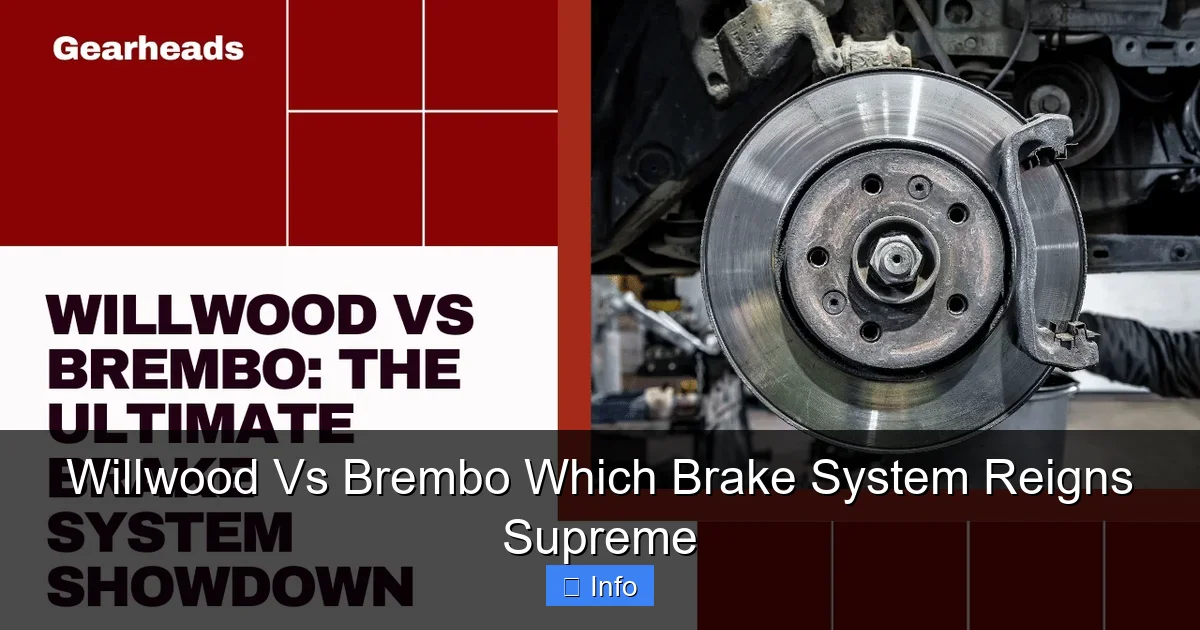
When evaluating the Willwood vs Brembo debate, performance metrics tell a nuanced story. Willwood systems excel in thermal capacity, making them ideal for high-heat scenarios like track days or towing. Their larger rotors and robust calipers handle sustained braking without fade. Brembo, however, prioritizes pedal modulation and bite consistency. Their systems are tuned for everyday driving, offering a progressive brake feel that’s both confident and predictable. For pure stopping power under extreme conditions, Willwood often takes the lead, but Brembo’s refined performance suits most street-driven applications.
Visual guide about Willwood Vs Brembo Which Brake System Reigns Supreme
Image source: carpartsfaq.com
Track Performance and Real-World Testing
In track testing, Willwood’s systems frequently outperform Brembo in endurance events. The company’s heavy-duty components resist warping and cracking even after repeated high-speed stops. Brembo, while capable, is sometimes limited by its lighter construction, which can lead to fade during prolonged sessions. However, Brembo’s advanced ABS integration and electronic compatibility give it an edge in modern vehicle applications. The choice here depends on whether you prioritize raw capability or technological sophistication.
Price and Value Analysis
Cost-Effectiveness for Different Applications
Price is often the deciding factor in the Willwood vs Brembo comparison. Willwood’s custom solutions can be more affordable, especially for budget-conscious enthusiasts building their own setups. A basic Willwood kit might cost between $800 and $1,500, depending on complexity. Brembo, on the other hand, commands a premium due to its branding and OEM heritage. Expect to pay $1,500 to $3,000 for a comparable Brembo system, particularly if it’s a direct replacement for a high-end vehicle.
Long-Term Value and Resale Considerations
From a long-term perspective, Willwood’s durability and ease of maintenance add value. Replacement parts are generally accessible, and the modular design simplifies repairs. Brembo’s reputation and resale appeal can justify its higher price tag, especially in the luxury and supercar markets. However, maintenance costs for Brembo systems can be steeper, as specialized service centers may charge more for parts and labor.
Applications and Compatibility
Vehicle Suitability
Willwood’s versatility shines in niche applications. Their brakes are common in drag racing, rally, and off-road builds where custom fitments are essential. Brembo’s strength lies in its compatibility with a broad range of vehicles, from economy cars to supercars. If you’re retrofitting an older vehicle or building a specialty car, Willwood’s adaptability is unmatched. For modern vehicles requiring OEM-like performance, Brembo is often the safer bet.
Installation Considerations
Installing a Willwood system typically requires more expertise, as custom fitting may be necessary. Professional installation is recommended to ensure optimal performance. Brembo systems are designed for easier installation, often requiring no modifications. For DIY enthusiasts, Brembo’s straightforward process can save time and money. However, those with fabrication skills might find Willwood’s modular approach more rewarding and cost-effective.
Maintenance and Durability
Serviceability and Replacement Parts
Willwood’s design philosophy extends to maintenance. Their systems use standard components that are widely available, making repairs straightforward and inexpensive. Brake pads, rotors, and caliper rebuild kits are easy to source. Brembo’s parts, while reliable, can be pricier and harder to find for older models. Regular maintenance schedules for both brands are similar, but Willwood’s accessibility gives it an edge in practicality.
Lifespan and Wear Patterns
Durability-wise, both brands offer long lifespans, but their wear patterns differ. Willwood’s heavy-duty components tend to last longer under harsh conditions, though they may show wear more visibly. Brembo’s precision engineering results in smoother wear, but the components may degrade faster under extreme stress. Regular inspections and timely replacements are crucial for both systems to maintain peak performance.
Conclusion: Choosing Your Champion
The Willwood vs Brembo debate ultimately comes down to your priorities. If you value customization, rugged durability, and cost-effectiveness, Willwood is the clear winner. Their systems are built for those who demand uncompromising performance and don’t mind a bit of elbow grease. On the other hand, if you seek premium aesthetics, seamless integration, and brand prestige, Brembo is your champion. Their systems are perfect for those who want their vehicle to turn heads while delivering consistent, refined performance.
Neither system is inherently superior; they simply cater to different needs. By understanding your driving habits, budget, and vehicle requirements, you can make an informed choice that aligns with your goals. Whether you’re hitting the track, cruising the streets, or conquering the trails, both Willwood and Brembo have you covered. The real victory lies in choosing the system that best serves your unique journey behind the wheel.
Frequently Asked Questions
Which brake system is better for street driving?
For street driving, Brembo is often the better choice due to its superior pedal feel and modulation. Brembo’s systems are designed with everyday comfort in mind, offering a smooth and predictable braking experience. However, if you frequently tow heavy loads or drive in high-stress environments, Willwood’s thermal management could be more beneficial.
Are Willwood brakes suitable for daily use?
Yes, Willwood brakes can be used daily, but they’re optimized for performance. Their aggressive bite and heavy-duty construction may result in a harsher ride compared to Brembo. Additionally, the louder noise and dust from performance pads might be a consideration for daily drivers who prioritize comfort.
How do the costs compare between Willwood and Brembo?
Willwood systems generally cost less upfront, ranging from $800 to $1,500 for a basic kit. Brembo systems are pricier, typically between $1,500 and $3,000, due to their premium branding and OEM integration. However, Brembo’s long-term resale value and lower maintenance costs can offset the initial investment for some buyers.
Can I install these brake systems myself?
Installing a Willwood system requires more technical knowledge and possibly custom fabrication, making professional installation advisable. Brembo systems are designed for easier bolt-on installation, though some models may still require professional setup for optimal performance. Always consult a qualified mechanic if you’re unsure about the process.
What maintenance do these brake systems require?
Both systems require regular inspections, pad replacements, and rotor resurfacing or replacement. Willwood’s parts are generally easier to source and replace, while Brembo may need specialized service centers for certain models. Keeping up with maintenance ensures both systems deliver reliable performance over their lifespan.
Which brand is more durable for track use?
Willwood is often the preferred choice for track use due to its superior thermal capacity and heavy-duty construction. Their systems handle the intense heat and stress of repeated high-speed stops better than Brembo. However, Brembo’s advanced ABS and electronic integration can be advantageous in track environments with modern vehicle setups.