How to Reset Tyre Pressure on Jeep Renegade
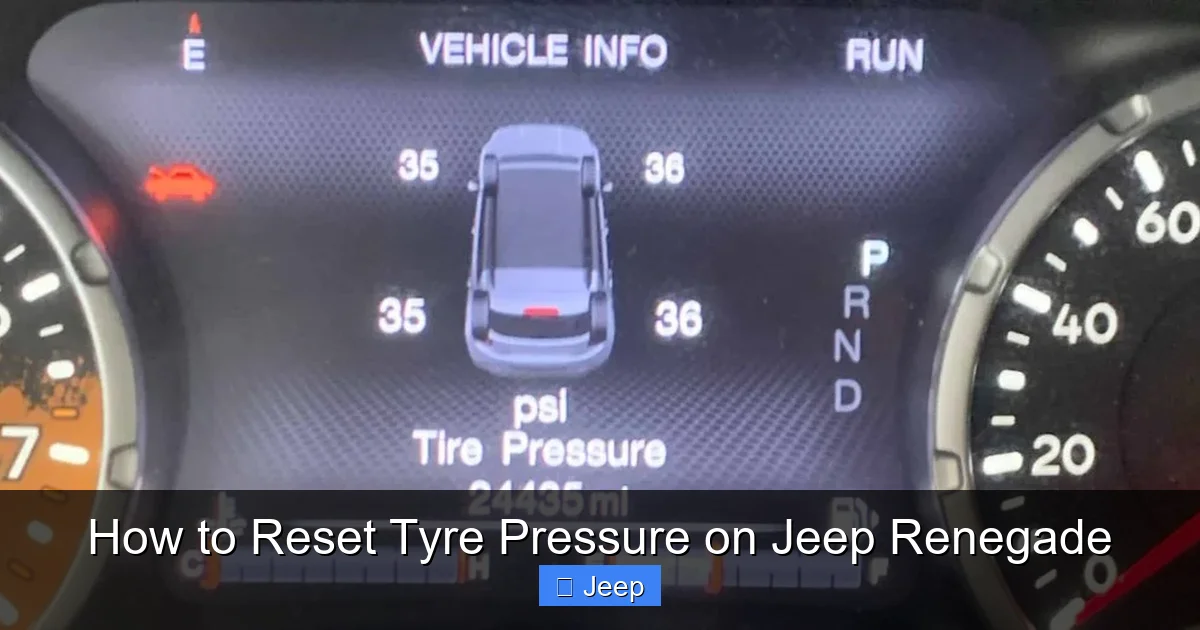
Resetting the tyre pressure monitor on your Jeep Renegade is quick and simple when you follow the right steps. This guide walks you through the process so you can clear the TPMS light and get back on the road with confidence.
If you’re driving a Jeep Renegade and suddenly see the tyre pressure monitoring system light glow on your dashboard, don’t panic. That little indicator is your vehicle’s way of saying something needs attention, but the good news is that resetting it is often a task you can handle right from your driveway. In this guide, we’ll walk you through exactly how to reset tyre pressure on Jeep Renegade models, using methods that are straightforward and require minimal tools. Whether you’ve just filled up at the gas station or rotated your tyres, knowing how to clear the TPMS light can save you a trip to the dealership. We’ll cover the most common reset procedures, troubleshoot what to do if the light stays on, and share tips for keeping your tyres in peak condition. Let’s dive in and get that light turned off so you can focus on the road ahead.
Understanding the Tyre Pressure Monitoring System on Jeep Renegade
The tyre pressure monitoring system, or TPMS, is designed to alert you the moment one or more of your tyres drop below a safe inflation level. On the Jeep Renegade, this system uses sensors mounted inside each tyre rim to continuously monitor air pressure. When pressure falls below a predetermined threshold, the dashboard warning light illuminates, often looking like a horseshoe with an exclamation mark in the centre. Understanding how your Renegade’s specific TPMS works is the first step toward a successful reset. The system doesn’t just measure pressure; it also tracks sensor battery life and can trigger warnings if a sensor becomes damaged or its signal is interrupted. Knowing this helps you differentiate between a simple pressure adjustment need and a potential hardware issue that might require more than just a reset button press.
Step-by-Step Reset via the Infotainment Screen (Most Common Method)
The most popular and user-friendly way to reset the TPMS on a Jeep Renegade is through the vehicle’s infotainment display. This method is available on most model years and trim levels, making it the go-to for owners who want a quick fix without touching the vehicle’s mechanical components. To begin, ensure your Jeep is parked on a level surface and the ignition is turned to the “ON” position, but the engine is not necessarily running. Navigate to the “Vehicle” or “Settings” menu on the centre screen, then look for “Tyre Pressure” or “TPMS” options. Select the option to “Reset” or “Learn Tyre Pressure.” The system will typically ask you to confirm the action. Once confirmed, drive the vehicle at a speed of at least 25 miles per hour for several minutes. The driving motion allows the sensors to recalibrate and communicate the new pressure levels to the onboard computer. After this short drive, the warning light should extinguish, confirming a successful reset.
Alternative Reset Method: Using the Steering Wheel Controls
Not every Renegade owner is comfortable navigating touchscreen menus, which is where the steering wheel control method comes in handy. This alternative approach is particularly useful if your infotainment screen is unresponsive or if you prefer physical buttons. Start by ensuring the vehicle is off, then turn the ignition to the “ON” position without starting the engine. Locate the “UP” and “DOWN” arrow buttons on your steering wheel, or in some models, a dedicated “MODE” button. Press and hold the designated button combination—often the “MODE” button along with the “UP” arrow—until the TPMS light on the dashboard blinks three times. Release the buttons, and then start the engine. Drive the Renegade at speeds above 25 mph for about ten minutes. The system should detect the new pressure readings and turn off the warning light. If the light doesn’t respond after the first attempt, repeat the process or consult your owner’s manual for model-specific button sequences.
Battery Disconnect Method (For Stubborn TPMS Lights)
When the infotainment screen and steering wheel methods fail to clear the TPMS light, a more direct approach involves disconnecting the vehicle’s battery. This method forces a complete system reboot, which can clear minor glitches or stored error codes. However, it’s important to note that disconnecting the battery will also reset other settings, such as radio presets, clock time, and learned driving preferences. To proceed, turn the ignition off and remove the negative terminal from the battery using a wrench. Wait approximately 15 to 30 minutes before reconnecting the terminal securely. After reconnection, start the Jeep Renegade and let it idle for a few minutes. Then, take the vehicle for a short test drive at highway speeds to allow the TPMS sensors to reinitialise. In many cases, the warning light will disappear after this power cycle. If it persists, the issue likely lies with a sensor or valve stem that requires professional diagnosis.
What to Do If the TPMS Light Stays On
Even after attempting the reset procedures outlined above, there are times when the tyre pressure monitoring light refuses to turn off. This can be frustrating, but it’s usually a sign that something beyond low pressure is at play. First, manually check all four tyres with a reliable gauge to ensure they’re inflated to the correct PSI—typically found on a sticker inside the driver’s door jamb or in the owner’s manual. Sometimes a tyre appears fine but has a slow leak that the sensor detects. If one tyre is significantly lower than the others, inflate it to the recommended level and retry the reset. If all tyres are at the correct pressure and the light remains on, the problem may be a faulty TPMS sensor, a damaged valve stem, or interference from aftermarket wheel modifications. In such cases, visiting a certified Jeep service centre is the safest route, as they can run diagnostic tests to pinpoint the exact cause and replace any defective components.
Tips for Maintaining Correct Tyre Pressure Year-Round
Resetting the TPMS is only half the battle; maintaining proper tyre pressure is where true safety and efficiency come into play. Tyre pressure naturally fluctuates with temperature changes—typically dropping about one PSI for every 10-degree Fahrenheit drop in ambient temperature. During winter months, it’s especially important to check your Renegade’s tyres more frequently, as cold weather can trigger false TPMS alerts. Conversely, hot summer days can cause pressure to rise, potentially exceeding recommended levels. Investing in a high-quality digital tyre pressure gauge and keeping it in your vehicle makes monthly checks quick and accurate. Additionally, make it a habit to inspect your tyres for visible damage, embedded nails, or uneven wear patterns, as these can affect pressure retention and overall handling. Rotating your tyres every 5,000 to 7,500 miles also helps distribute wear evenly, which can prolong the life of your TPMS sensors and improve overall vehicle performance.
When to Seek Professional Help
While many TPMS reset scenarios can be handled at home, there are certain situations where professional intervention is the wiser choice. If the warning light blinks rapidly for more than 60 seconds after you start the engine, this often indicates a malfunctioning sensor or a system error that requires computer diagnostics. Similarly, if you’ve recently had new tyres installed or wheels swapped and the light won’t reset, the issue could be related to sensor compatibility or reprogramming needs. Jeep dealerships and qualified repair shops have the specialised tools necessary to reset the TPMS electronically, programme new sensors if needed, and ensure your vehicle’s safety systems are fully functional. Don’t hesitate to seek help if you’re unsure or if the light behaves erratically—your safety on the road is paramount.
Conclusion: Keep Your Jeep Renegade Running Smoothly
Resetting the tyre pressure monitoring system on your Jeep Renegade is a manageable task that empowers you to maintain your vehicle’s safety and performance without always relying on a mechanic. By understanding the two primary reset methods—the infotainment screen and steering wheel controls—you can quickly clear the TPMS light after adjusting your tyres’ inflation. Remember to always start with accurate pressure checks, follow the reset procedure precisely, and take a short drive to allow the system to recalibrate. If the light persists, don’t ignore it; a persistent TPMS alert often signals an underlying issue that deserves professional attention. With regular maintenance, proper inflation habits, and the knowledge you’ve gained from this guide, your Jeep Renegade will continue to handle smoothly, whether you’re navigating city streets or exploring off-road trails. Keep this information handy, and you’ll spend less time worrying about dashboard warnings and more time enjoying the journey.
Key Takeaways
- Point 1: The Jeep Renegade’s TPMS light can usually be reset using the infotainment screen or steering wheel controls after adjusting tyre pressure.
- Point 2: Always check that all four tyres are inflated to the manufacturer’s recommended PSI before starting the reset procedure.
- Point 3: If the light remains on after a successful reset, it may indicate a faulty sensor or a slow leak that needs professional attention.
- Point 4: Cold weather can cause temporary TPMS alerts, so recheck pressure after temperature changes.
- Point 5: Resetting the system yourself saves time and money, but keep a tyre pressure gauge handy for accurate readings.
- Point 6: Refer to your owner’s manual for model-specific instructions, as trim levels may vary slightly in reset procedures.
- Point 7: After resetting, drive at speeds above 25 mph for a few minutes to allow the system to recalibrate and turn off the warning light.
Frequently Asked Questions
How do I know which reset method to use for my Jeep Renegade?
The infotainment screen method is the most common and works on most recent Renegade models, so start there if your touchscreen is responsive. If the screen is frozen or unresponsive, or if you prefer physical buttons, try the steering wheel control method instead. Both approaches are designed to recalibrate the TPMS after you’ve adjusted your tyre pressure, so choose the one that feels most comfortable for your situation.
Can I reset the TPMS light without driving the vehicle?
No, driving the Jeep Renegade at speeds above 25 mph for several minutes is a critical part of the reset process. The system needs the motion and rotation of the wheels to communicate the new pressure readings from the internal sensors to the vehicle’s computer. Simply pressing buttons or navigating menus won’t complete the recalibration—you’ll need that short highway or road drive for the light to turn off.
What should I do if the TPMS light returns after a few days?
If the tyre pressure monitoring light reappears shortly after you’ve reset it, first recheck all four tyres with a gauge to ensure they’re still at the recommended PSI. A slow leak, a nail embedded in the tread, or a temperature drop could be the culprit. If the tyres appear fine and the light returns again, there may be a faulty sensor or a more complex electrical issue that requires professional diagnosis.
Does resetting the TPMS affect my vehicle’s fuel efficiency?
Not directly—resetting the system itself doesn’t change fuel consumption. However, maintaining the correct tyre pressure that the reset reflects can positively impact your Renegade’s fuel efficiency. Under-inflated tyres increase rolling resistance, which makes the engine work harder and burns more fuel. By keeping your tyres properly inflated and resetting the monitor, you’re supporting optimal gas mileage.
Will a dead TPMS sensor battery trigger the warning light?
Yes, a failing or dead sensor battery is one of the most common reasons the TPMS light stays on even when your tyres are properly inflated. Sensors typically have a battery life of 5 to 10 years, after which the battery can no longer transmit pressure data to the vehicle. If you suspect a sensor issue, a dealership can test the individual sensors and replace any that have exhausted their battery life.
Is it safe to drive my Jeep Renegade with the TPMS light on?
Driving with the TPMS light on is generally not immediately dangerous if you’ve visually confirmed that your tyres look properly inflated and haven’t noticed any handling issues. However, the light is a warning that at least one tyre may be under-inflated, which can affect braking distance, steering responsiveness, and tyre wear over time. It’s best to check your tyre pressure as soon as possible and reset the system; if the light remains on after a successful reset, have the system inspected by a professional.