How to Turn Off Paddle Shifters Jeep Grand Cherokee
How to turn off paddle shifters Jeep Grand Cherokee is simple once you know where to look. Whether you want manual control or prefer automatic mode, this guide walks you through every step. You will also learn when to use paddle shifters and when to let the transmission handle the work.
Have you ever been driving your Jeep Grand Cherokee and accidentally bumped the paddle shifters on the steering wheel? Maybe you just want a more relaxed driving experience without worrying about manual gear changes. Whatever your reason, turning off the paddle shifters is easier than you think. In this guide, we will walk you through every step to disable paddle shifters on your Jeep Grand Cherokee. You will also learn why you might want to turn them off and when to use them instead.
The Jeep Grand Cherokee is a powerful SUV that offers many driving options. Some drivers love the control that paddle shifters provide. Others find them confusing or unnecessary for daily driving. Whether you have a 2014 model or a 2024 model, the process is similar. We will cover everything from the Uconnect screen settings to physical switches. By the end of this article, you will know exactly how to turn off paddle shifters on your Jeep Grand Cherokee.
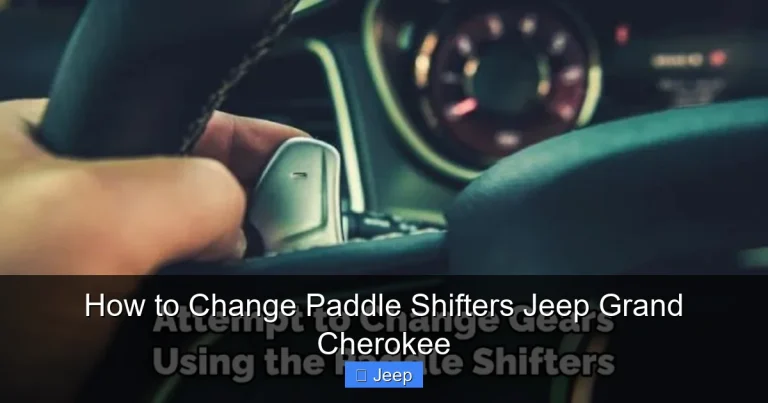
Before we start, let us talk about what paddle shifters actually are. These are small levers located behind the steering wheel. They let you manually shift gears without touching the gear selector. You pull one lever to upshift and the other to downshift. Many drivers enjoy this feature when towing or driving on mountain roads. But sometimes, you just want the transmission to do its job automatically. That is where turning off the paddle shifters comes in handy.
It is important to understand that turning off paddle shifters does not mean your transmission breaks. The Jeep Grand Cherokee is designed to handle both manual and automatic shifting. The system is smart enough to protect itself from damage. However, if you prefer a traditional automatic driving experience, disabling the paddle shifters makes sense. You will get smoother transitions and less distraction. This is especially helpful for new drivers or those towing heavy loads.
Many owners ask whether turning off paddle shifters affects warranty coverage. The answer is no. Jeep designs these systems to allow both manual and automatic use. Disabling paddle shifters is simply choosing a different driving mode. It does not violate any warranty terms. However, if you modify the transmission software or hardware, that could affect coverage. Always stick to factory settings when possible. If you are unsure, consult your dealer before making changes.
Key Takeaways
- Locate the paddle shifter controls: Find the switches behind the steering wheel on your Jeep Grand Cherokee.
- Access the vehicle settings menu: Use the Uconnect screen to disable manual shifting mode.
- Understand automatic vs manual mode: Know when paddle shifters help and when they do not.
- Check your trim level: Not all Jeep Grand Cherokee models come with paddle shifters.
- Reset to default settings: Learn how to return to automatic transmission mode easily.
- Safety first: Always focus on the road when changing driving modes.
📑 Table of Contents
- What Are Paddle Shifters on the Jeep Grand Cherokee?
- Why Would You Want to Turn Off Paddle Shifters Jeep Grand Cherokee?
- How to Turn Off Paddle Shifters Jeep Grand Cherokee
- Common Problems with Paddle Shifters
- When to Use Paddle Shifters vs Automatic Mode
- Maintaining Your Jeep Grand Cherokee
- Final Thoughts
What Are Paddle Shifters on the Jeep Grand Cherokee?
How Paddle Shifters Work
Paddle shifters give you manual control over the automatic transmission. When you pull the plus lever, the transmission shifts up a gear. When you pull the minus lever, it shifts down. The system is designed to protect the engine. It will not let you shift into a redline or lug the engine. However, you still have more control than a standard automatic transmission.
The Jeep Grand Cherokee uses a torque converter automatic transmission. This means the paddle shifters send electronic signals to the transmission control module. The module then adjusts the gear ratios based on your input. Some models also have a sport mode that works with the paddle shifters. When sport mode is active, the transmission holds gears longer. This gives you more power for passing or climbing hills.
The paddle shifters are typically located on the steering column behind the wheel. They are small metal or plastic levers that stick out from the steering wheel spokes. You operate them with your thumbs while keeping your hands on the wheel. This design allows for quick gear changes without taking your hands off the steering wheel. The feedback is immediate, and you can feel the transmission respond to your commands.
In some Jeep Grand Cherokee models, the paddle shifters are integrated into the steering wheel itself. You pull the left side to downshift and the right side to upshift. The motion is similar to clicking a mouse button. Other models have separate levers that attach to the steering column. Both designs work the same way electronically. The difference is purely in the physical placement and feel of the controls.
The transmission control module monitors your paddle shifter inputs constantly. If you try to downshift too early at high speed, the system will reject the command. This safety feature prevents engine damage. You might hear a buzz or feel a vibration if the system blocks a shift. This is normal and means the transmission is protecting itself. Trust the system and it will keep your engine running smoothly.
Which Jeep Grand Cherokee Models Have Paddle Shifters
Not every Jeep Grand Cherokee comes with paddle shifters. Usually, you will find them on higher trim levels. The Laredo and Base models often lack this feature. The Latitude, Limited, Overland, and Summit trims typically include paddle shifters. If your steering wheel does not have small levers behind it, your model may not have them.
You should also check your owner manual. Some models require a specific package to get paddle shifters. The performance-oriented SRT and Trackhawk models definitely have them. These high-performance versions use paddle shifters extensively for track driving. If you are unsure about your specific model year, consult the dealer or check the steering wheel layout.
The generation of your Jeep Grand Cherokee also matters. The WK2 generation from 2011 to 2021 has different paddle shifter layouts than the newer WL generation from 2022 onward. The WK2 models often have separate levers behind the wheel. The WL models sometimes integrate the paddles into the steering wheel rim. Knowing your generation helps you understand the exact location and operation of the shifters.
Trim levels also affect paddle shifter functionality. The SRT models have paddle shifters with launch control features. You can hold the brakes and rev the engine before releasing for a quick start. Standard trims with paddle shifters do not have this feature. The basic manual shifting works the same across all trims. Check your manual to see what your specific model can do.
Why Would You Want to Turn Off Paddle Shifters Jeep Grand Cherokee?
Driving in Heavy Traffic
City driving can be stressful enough without worrying about gear changes. When you are stuck in traffic, constant shifting can wear on your transmission. Turning off the paddle shifters lets the transmission handle everything automatically. You can focus on stopping and starting without thinking about gears.
Visual guide about How to Turn Off Paddle Shifters Jeep Grand Cherokee
Image source: aautomotives.com
Many drivers report that paddle shifters cause confusion in stop-and-go traffic. You might accidentally bump the lever and downshift unexpectedly. This can cause the engine to rev high or the car to lurch forward. Disabling the paddle shifters removes this risk entirely. Your Jeep Grand Cherokee will behave like a normal automatic SUV.
Traffic situations require quick reactions. If you are constantly adjusting the paddle shifters, you might miss a change in traffic flow. The automatic mode allows you to react quickly to brake lights and merging traffic. You can keep both hands on the wheel and eyes on the road. This reduces driver fatigue during long commutes through busy city streets.
Stop-and-go traffic also means frequent braking and accelerating. In manual mode, you might forget to upshift after stopping. The engine could stall or rev too high when you release the brake. Automatic mode handles these transitions smoothly. You just press the gas and the transmission finds the right gear. This is much safer in unpredictable traffic situations.
Avoiding Unwanted Gear Changes
Sometimes the paddle shifters activate by accident. Your hand might brush against the lever while turning the steering wheel. This can cause a sudden downshift that surprises you. If you are not used to manual shifting, these accidental changes can be dangerous.
Turning off the paddle shifters ensures that only the transmission control module decides when to shift. This is especially helpful for new drivers or passengers who might not know how the system works. You get a predictable driving experience without any manual intervention. The transmission will shift smoothly at the right RPM points.
Accidental activation can also happen when reaching for the radio or climate controls. Your arm might graze the paddle shifter lever without you realizing it. This is especially true on smaller steering wheels where the paddles are close to your fingers. Disabling them eliminates this possibility completely. You can adjust your seating position and controls without worrying about gear changes.
Passengers might also accidentally hit the paddle shifters. If you have family or friends driving your Jeep Grand Cherokee, they might not know how the system works. Turning off the paddle shifters prevents confusion. Everyone can enjoy a smooth, automatic driving experience. You avoid the embarrassment of unexpected gear changes in front of passengers.
Transmission Concerns
Some owners worry about transmission wear when using paddle shifters frequently. While modern transmissions are built to handle manual shifting, constant use can add stress. If you notice rough shifting or delayed responses, turning off the paddle shifters might help.
It is also worth noting that improper use of paddle shifters can trigger warning lights. If the transmission temperature gets too high, the system may default to automatic mode. By turning off the paddle shifters, you reduce the chance of overheating during long drives. This is especially true in hot climates or when carrying heavy loads.
Older Jeep Grand Cherokee models with higher mileage may benefit from automatic mode only. The transmission components wear over time, and manual shifting can accelerate this wear. If your vehicle has over 100,000 miles, consider using automatic mode for daily driving. Reserve paddle shifter use for special situations where you really need the control.
Heat is the enemy of automatic transmissions. Frequent manual shifting generates more heat in the torque converter. In hot weather, this extra heat can shorten transmission life. By using automatic mode in summer, you keep temperatures lower. Your transmission will last longer and require fewer repairs. This simple change can save you thousands of dollars over the life of the vehicle.
How to Turn Off Paddle Shifters Jeep Grand Cherokee
Using the Uconnect Infotainment System
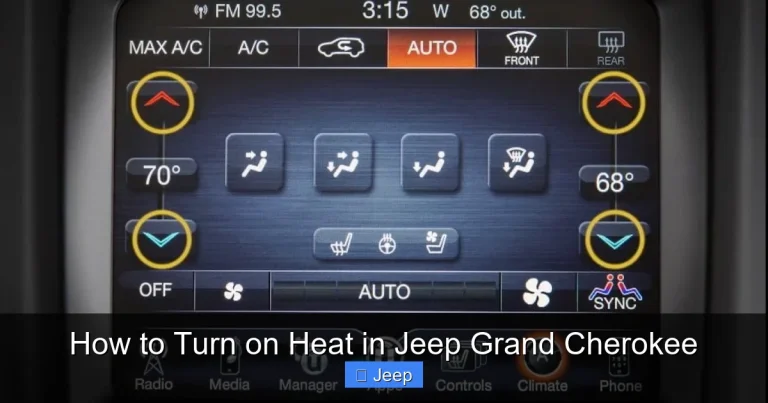
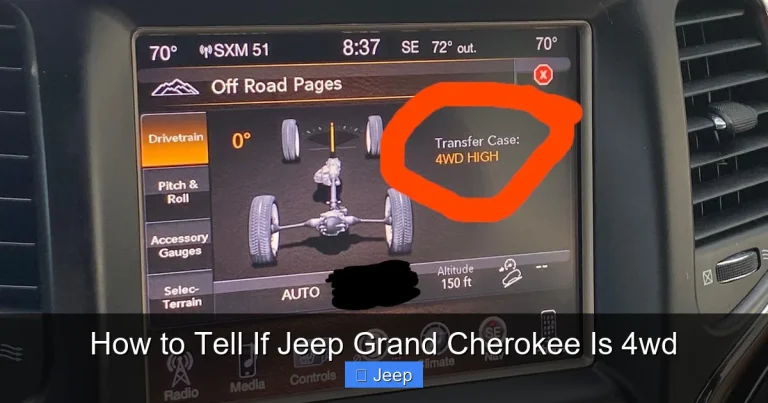
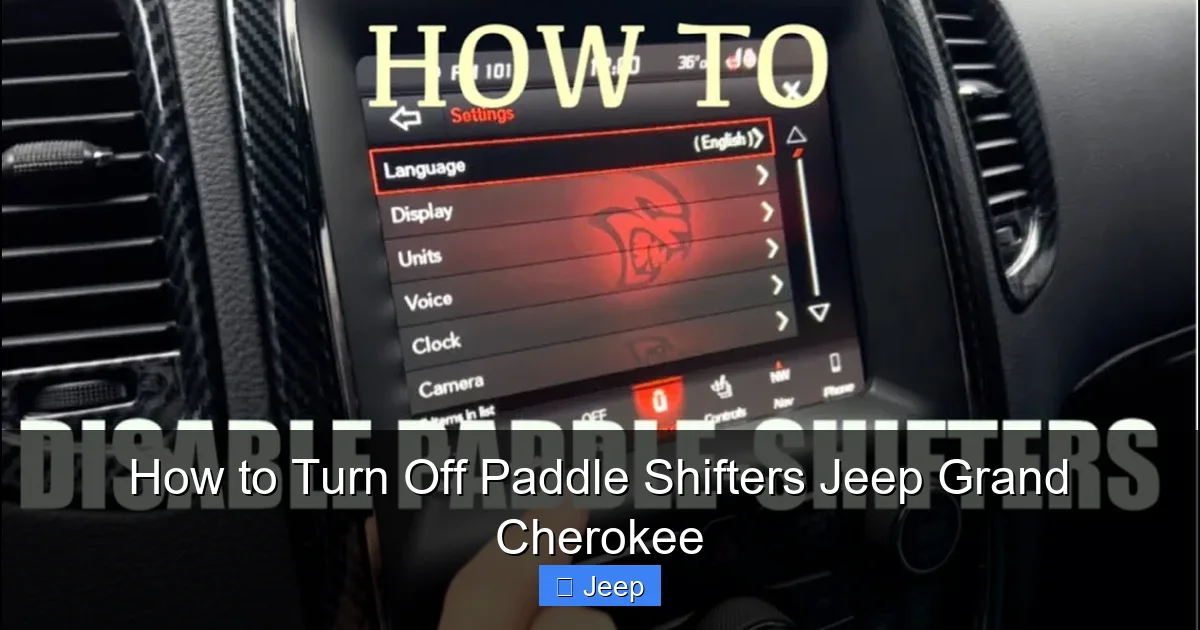
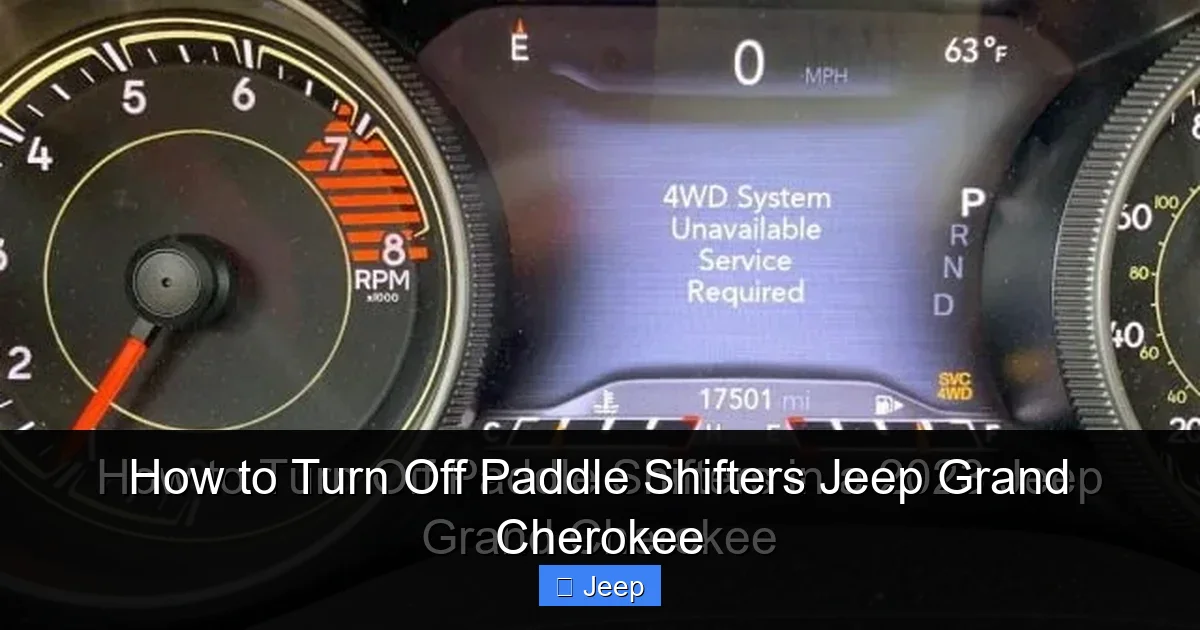
The most common way to turn off paddle shifters is through the Uconnect screen. Start by pressing the Settings button on your infotainment system. Scroll through the menus until you find Vehicle Settings. Look for an option called Transmission Mode or Shift Mode.
Visual guide about How to Turn Off Paddle Shifters Jeep Grand Cherokee
Image source: aautomotives.com
In some models, you will see options like Automatic, Manual, and Sport. Select Automatic to disable the paddle shifters. The system will confirm your choice and return to normal automatic operation. You should notice that the paddle shifters no longer respond when you pull them.
The Uconnect system varies by model year. Newer models have touchscreen interfaces that are more intuitive. Older models might have rotary knobs and smaller screens. Regardless of the interface, the path to transmission settings is similar. Look for a gear icon or a transmission symbol in the settings menu.
If you cannot find the option, try searching the Uconnect help menu. Type transmission or shift mode in the search bar. The system will guide you to the correct setting. You can also consult the owner manual for specific menu paths. Some models require you to press a sequence of buttons on the steering wheel to access hidden settings.
After selecting Automatic mode, the dashboard display should change. You might see a message saying Manual Mode Off or Automatic Mode Active. The shift indicator will show D instead of M or numbers. This visual confirmation tells you the paddle shifters are disabled. If you do not see this message, try restarting the infotainment system.
Physical Switch Locations
Some Jeep Grand Cherokee models have a physical switch near the gear selector. Look for a button labeled Manual or Auto on the center console. Press this button to toggle between manual and automatic modes. When the light is off, the paddle shifters are disabled.
On certain model years, you might need to press and hold the switch for three seconds. The dashboard display will show a message confirming the change. Always check your owner manual for the exact procedure for your specific year. The location and method can vary between the WK2 and WL generations.
The physical switch is usually located to the left of the gear selector. It might be a small rocker switch or a push button with an LED indicator. When the light is green or white, manual mode is active. When the light is off, the system is in automatic mode. This visual feedback helps you confirm the current state without looking away from the road for long.
If your model has both a Uconnect option and a physical switch, they work together. The physical switch overrides the screen settings in most cases. If the screen says Automatic but the switch light is on, the paddle shifters might still be active. Check both locations to ensure they match. This prevents confusion when you think you have turned them off.
Step-by-Step Instructions
Here is a detailed walkthrough for turning off paddle shifters. First, start your Jeep Grand Cherokee and come to a complete stop. Put the vehicle in Park or Neutral for safety. Next, locate the gear selector and look for a Manual/Auto button. Press the button once to switch to automatic mode.
If your model uses the Uconnect system, tap the screen to access Settings. Navigate to Vehicle Settings and select Transmission Mode. Choose Automatic from the list of options. The screen will display a confirmation message. Take the vehicle for a short test drive to ensure the paddle shifters are inactive.
Remember that turning off paddle shifters does not damage your transmission. The system is designed to allow both manual and automatic operation. You can always turn the paddle shifters back on whenever you want. Just follow the same steps and select Manual or Sport mode instead.
If you are unsure whether the paddle shifters are off, try pulling them gently while driving at low speed. If the transmission does not respond, the paddle shifters are disabled. If the gears change, they are still active. This simple test confirms your setting without any risk. Always test in a safe area away from traffic.
Some owners report that the paddle shifters re-enable after a battery disconnect. If you have had work done on your electrical system, check the transmission mode setting. The system might reset to the factory default, which is often manual mode. Re-adjust the setting after any electrical work to maintain your preference.
Common Problems with Paddle Shifters
Unresponsive Shifters
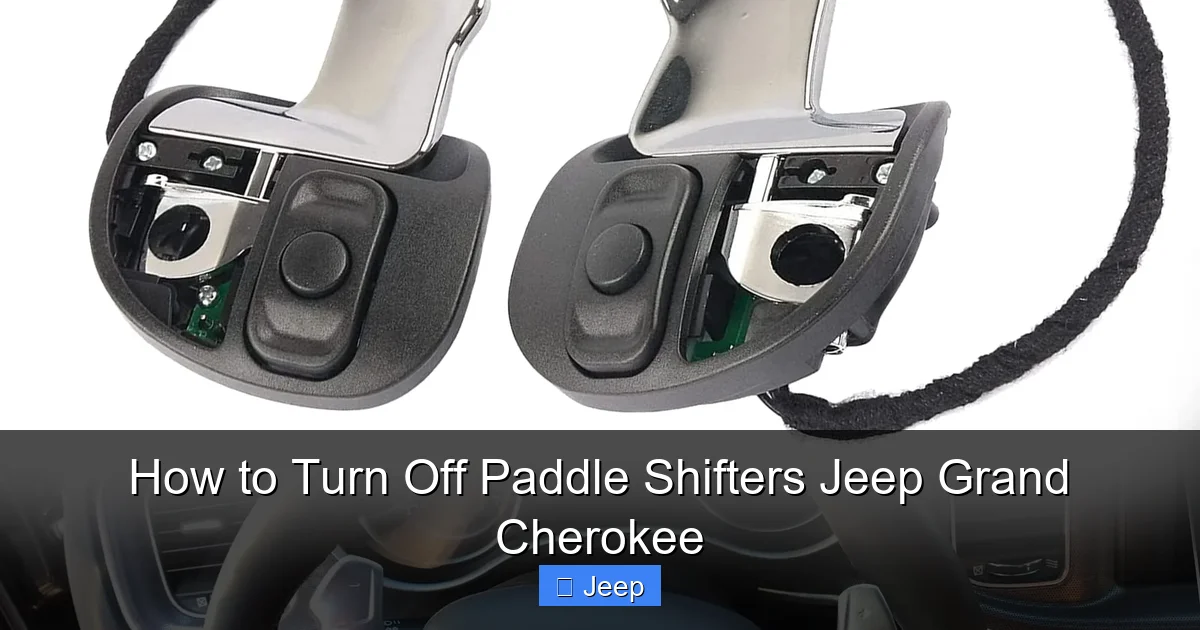
Sometimes the paddle shifters stop working entirely. You might pull the levers but notice no change in gear position. This can happen if the transmission is in automatic mode. Check your dashboard display to see which mode is currently active.
Visual guide about How to Turn Off Paddle Shifters Jeep Grand Cherokee
Image source: m.media-amazon.com
Another cause could be a faulty switch or wiring issue. If the shifters work intermittently, you may have a loose connection. In rare cases, the transmission control module needs a software update. If basic troubleshooting does not help, visit a certified Jeep mechanic. They can scan the system for error codes and fix the problem.
Water damage is another common cause of unresponsive paddle shifters. If you have been driving through deep water or heavy rain, moisture might have gotten into the steering column. Let the steering wheel dry completely and try again. If the problem persists, a mechanic can inspect the wiring harness behind the steering wheel.
Warning Lights on the Dash
When paddle shifters malfunction, warning lights often appear on the dashboard. You might see a transmission temperature light or a check engine light. These warnings indicate that the system has detected an issue.
Do not ignore these lights. Continued use of faulty paddle shifters can cause further damage. Turn off the paddle shifters and drive to a service center immediately. The technician will check the transmission fluid level and inspect the electronic components. Early diagnosis can save you from expensive repairs later.
The check engine light can also appear if the transmission control module detects incorrect shifting patterns. This might happen if you are manually shifting at inappropriate RPM levels. The system protects itself by limiting gear changes and triggering warning lights. Resetting the system after turning off the paddle shifters often clears these warnings.
When to Use Paddle Shifters vs Automatic Mode
Towing and Hilly Terrain
Paddle shifters shine when you are towing a trailer or climbing steep hills. Manual control lets you hold a lower gear for more engine braking. This prevents the transmission from constantly shifting up and down. You get better control and less wear on the brake system.
When descending a long mountain pass, use the paddle shifters to stay in a lower gear. This uses engine compression to slow the vehicle down. You will not need to ride the brakes as heavily. However, if you feel uncomfortable with manual shifting, stick to automatic mode. Safety always comes first.
Towing requires careful gear management. A loaded Jeep Grand Cherokee needs more power to accelerate. Using paddle shifters to hold a lower gear gives you better torque for merging and climbing. On flat highways, automatic mode is usually sufficient. The transmission will find the most efficient gear for cruising speed.
Engine braking is crucial when towing downhill. Without paddle shifters, the transmission might upshift and let the vehicle speed up. This puts extra stress on the brake pads and rotors. By manually holding a lower gear, you use engine compression to control speed. This saves your brakes and gives you more confidence on steep declines.
Everyday Commuting
For daily driving around town, automatic mode is usually the best choice. The transmission will shift at optimal points for fuel economy and smoothness. You do not need to think about gears when merging onto highways or navigating city streets.
Some drivers prefer to keep paddle shifters enabled but rarely use them. This gives you the option to manually shift when needed without changing settings. If you find yourself accidentally bumping the levers, though, turning them off is the smarter choice. A clutter-free driving experience reduces distraction and improves safety.
Automatic mode is also better for fuel efficiency in most cases. The transmission computer optimizes shift points for maximum miles per gallon. Manual shifting often results in higher RPMs and more fuel consumption. Unless you are driving aggressively or need engine braking, let the automatic mode handle the work.
Highway cruising is another situation where automatic mode excels. The transmission locks the torque converter at steady speeds. This reduces RPMs and improves fuel economy. Manual mode often keeps the converter unlocked, which increases engine speed. For long road trips, automatic mode is more relaxing and efficient.
Maintaining Your Jeep Grand Cherokee
Transmission Fluid Checks
Regular maintenance keeps your transmission running smoothly. Check the transmission fluid level every few months. Look for dark color or burnt smell, which indicates the fluid needs changing. Fresh fluid ensures smooth shifts whether you use paddle shifters or automatic mode.
You should also inspect the transmission filter during oil changes. A clogged filter can cause rough shifting and delayed responses. If you notice any issues after turning off the paddle shifters, check the fluid first. Simple maintenance can prevent many common transmission problems.
Transmission fluid degrades over time from heat and friction. Most manufacturers recommend changing the fluid every 30,000 to 60,000 miles. Check your owner manual for the exact interval for your model. Using the correct fluid type is also important. Wrong fluid can cause slipping and poor shifting performance.
Check the fluid when the engine is warm and the vehicle is level. Pull the dipstick and wipe it clean. Reinsert it fully and pull it out again to check the level. The fluid should be pinkish-red and clear. If it is brown or smells burnt, schedule a fluid change immediately. Fresh fluid keeps the transmission cool and responsive.
Protecting Your Interior
Your Jeep Grand Cherokee interior takes a beating from daily use. Consider investing in quality seat covers to protect the original upholstery. This is especially important if you have leather seats that scratch easily. Proper protection keeps your interior looking new for years. If you want to protect your seats while driving, check out the best seat covers for Jeep Grand Cherokee.
You might also want to know how much your Jeep Grand Cherokee weighs for towing or performance mods. The weight affects braking distance and fuel economy. Check the placard on the driver door jamb for the exact payload capacity. Staying within limits prevents unnecessary strain on the transmission and other components. You can learn more about your vehicle’s weight at how much does a Jeep Grand Cherokee weigh.
Maintaining your powertrain is important, so consider the best fuel pumps for Jeep Grand Cherokee. A reliable fuel pump ensures consistent pressure to the engine. This reduces stress on the transmission and improves overall performance. Regular maintenance of all systems keeps your Grand Cherokee running strong.
Final Thoughts
Turning off paddle shifters on your Jeep Grand Cherokee is a simple process that anyone can do. Whether you use the Uconnect screen or a physical switch, the steps are clear and straightforward. You now know how to disable manual shifting and return to automatic mode whenever you want.
Remember that paddle shifters are a useful feature when used correctly. They give you extra control during towing or spirited driving. But for everyday commuting, automatic mode is often the better choice. Listen to your driving habits and adjust the settings accordingly.
If you run into any issues, consult your owner manual or visit a trusted mechanic. Regular maintenance keeps your Jeep Grand Cherokee in top condition. Enjoy your drives and stay safe on the road.
Frequently Asked Questions
Can I turn off paddle shifters while driving?
Yes, you can turn off paddle shifters while driving in most Jeep Grand Cherokee models. Simply press the Manual/Auto button or change the setting in Uconnect. The transmission will smoothly transition to automatic mode.
Will turning off paddle shifters save fuel?
It might help slightly. Automatic mode optimizes shift points for fuel economy. Manual shifting often keeps RPMs higher, which uses more gas. For best mileage, use automatic mode during highway cruising.
Do all Jeep Grand Cherokee trims have paddle shifters?
No, not all trims include this feature. Higher trims like Limited, Overland, and Summit usually have them. Base and Laredo models often lack paddle shifters. Check your steering wheel or owner manual to confirm.
What happens if paddle shifters stop working?
The transmission defaults to automatic mode. Your Jeep Grand Cherokee will still drive normally. Check the dashboard for warning lights. If problems persist, visit a certified mechanic for diagnosis.
Can I reinstall paddle shifters after removing them?
Yes, you can re-enable them anytime. Just follow the same steps to access the transmission settings. Select Manual or Sport mode to activate the paddle shifters again. The process is quick and reversible.
Is it safe to drive without paddle shifters?
Absolutely. Automatic mode is the default and safest setting for daily driving. You retain full control of the vehicle. The transmission shifts smoothly without any manual input. Focus on the road and enjoy the ride.