How to Reset Windshield Wiper Fluid Sensor
If your windshield wiper fluid sensor light is on, don’t panic! Start by checking the fluid reservoir level and ensuring it’s properly filled. If the issue persists, reset the sensor by cycling the wiper controls or following your vehicle’s specific instructions. A few simple steps can resolve this common annoyance.
Key Takeaways
- Check the reservoir: Low fluid is the most common cause of sensor warnings.
- Reset procedure: Turn on the ignition and cycle the wiper controls to reset the system.
- Manufacturer instructions: Always consult your owner’s manual for model-specific steps.
- Test the system: Verify the reset by running the wipers and observing the fluid spray.
- Troubleshoot further: If issues persist, inspect the sensor’s location or wiring.
- Professional help: Seek expert assistance for complex electrical or pump-related problems.
📑 Table of Contents
Understanding the Windshield Wiper Fluid Sensor
The windshield wiper fluid sensor is a small but vital component of your vehicle’s safety systems. It alerts you when the washer fluid reservoir is low, ensuring you always have enough fluid to clean your windshield during rain, snow, or dusty conditions. When the sensor detects low fluid, a warning light illuminates on your dashboard. While this might seem like a minor inconvenience, ignoring it can lead to reduced visibility and increased driving hazards.
What Triggers the Sensor Warning?
The sensor works by monitoring the fluid level in the reservoir. If the fluid drops below a certain point, the sensor sends a signal to your car’s computer, which then activates the warning light. However, the sensor itself can also malfunction, causing false alerts. Common triggers include:
- Low fluid levels: The most frequent cause. Simply filling the reservoir may resolve the issue.
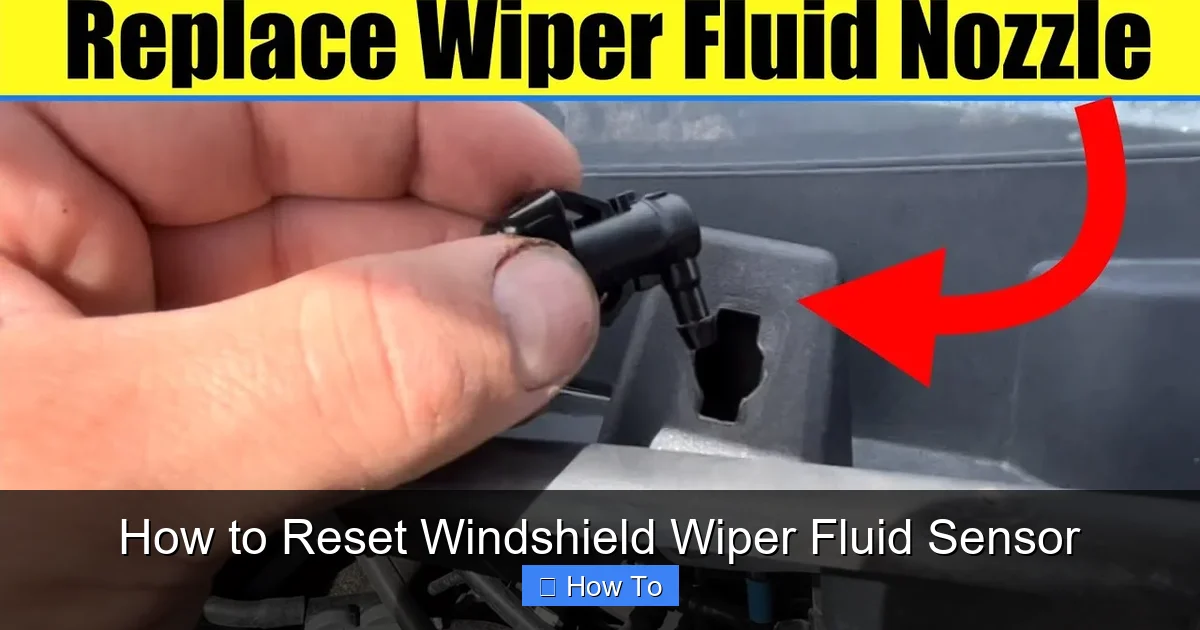
- Clogged nozzles: Dirt or debris blocking the spray nozzles can prevent fluid from reaching the windshield.
- Faulty sensor: The sensor may need cleaning or replacement if it’s not functioning properly.
- Electrical issues: Problems with the wiring or control module can disrupt sensor communication.
Before attempting to reset the sensor, it’s crucial to diagnose the root cause. This ensures you’re not wasting time on a fix that won’t address the underlying problem.
Step-by-Step Guide to Resetting the Sensor
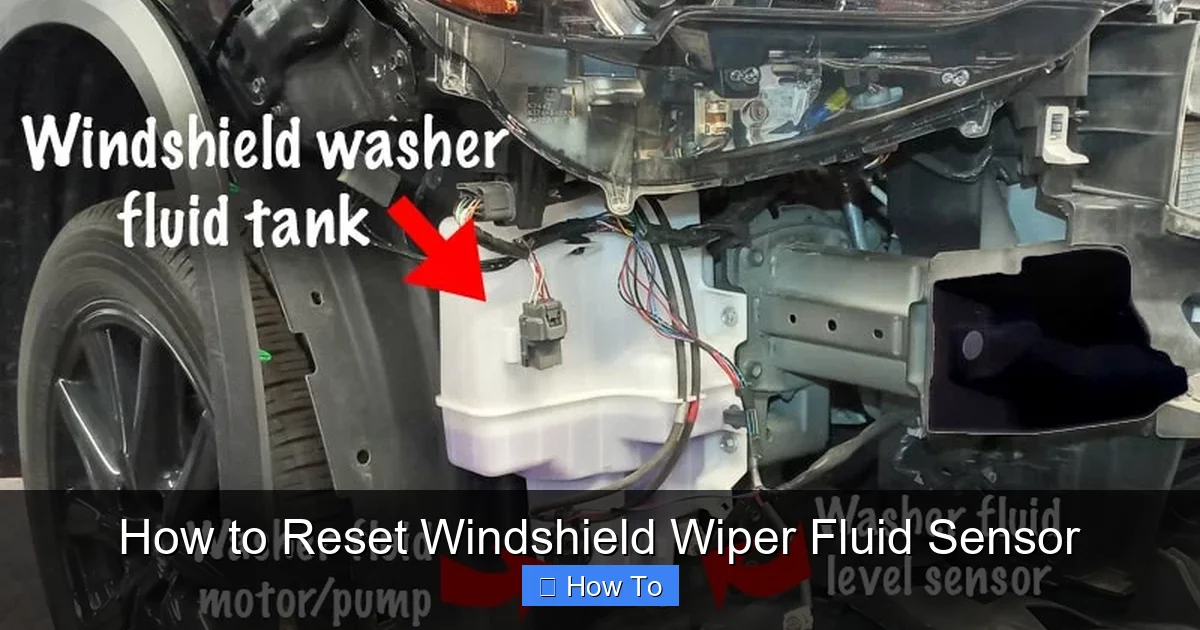
Visual guide about How to Reset Windshield Wiper Fluid Sensor
Image source: samarins.com
If the sensor light is on but the fluid level is adequate, a reset might be necessary. Here’s how to do it safely and effectively:
Step 1: Check the Fluid Reservoir
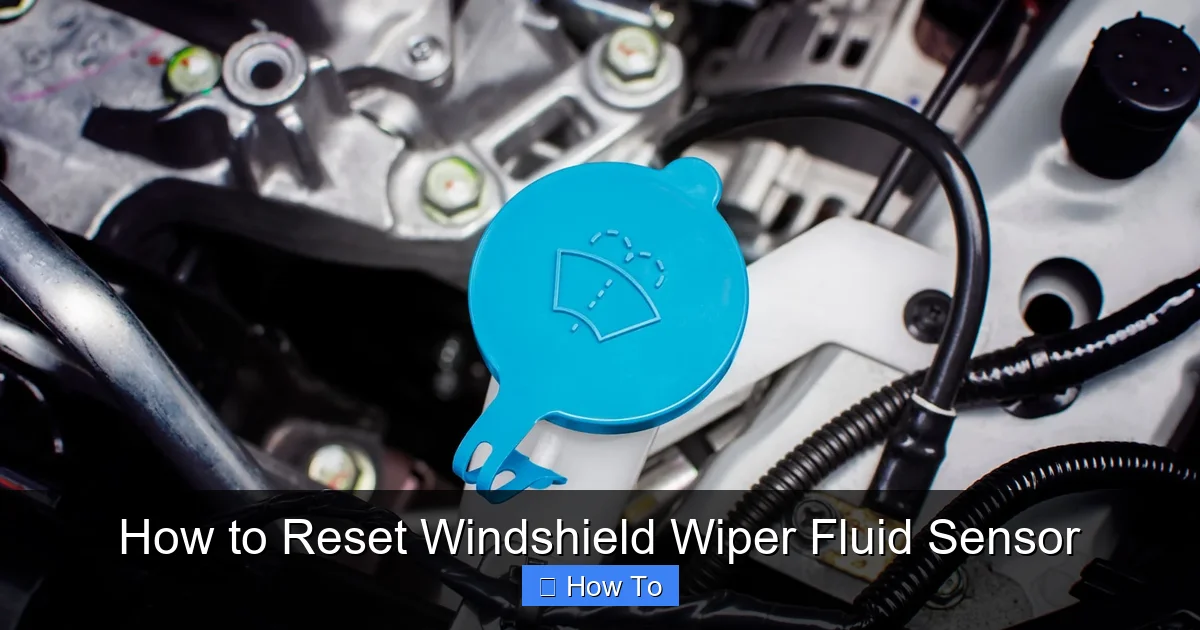
Start by locating your vehicle’s washer fluid reservoir. It’s typically marked with a windshield wiper symbol and is usually transparent, allowing you to see the fluid level. If the reservoir is low, add fluid until it reaches the “MAX” line. Use a 50/50 mix of washer fluid and water for optimal performance in most climates. Avoid using regular water alone, as it can freeze in cold weather or leave residue in hot temperatures.
Step 2: Turn On the Ignition
Next, turn your vehicle’s ignition to the “ON” position without starting the engine. This activates the car’s electrical systems, including the sensor. Some vehicles require the engine to be running for the reset to work, so consult your owner’s manual if you’re unsure.
Step 3: Cycle the Wiper Controls
Now, turn the wiper stalk on and off several times. On most vehicles, this involves moving the stalk to the “ON” position, then back to “OFF” repeatedly. The exact method varies by model, so refer to your manual if needed. After cycling the controls, the warning light should reset automatically.
Step 4: Test the System
To confirm the reset worked, spray some washer fluid onto the windshield. If the fluid sprays correctly and the warning light turns off, you’re done! If the light remains on, proceed to the next steps.
Common Issues and Troubleshooting
Visual guide about How to Reset Windshield Wiper Fluid Sensor
Image source: repairsmith-prod-wordpress.s3.amazonaws.com
Even after resetting the sensor, you might encounter persistent issues. Here’s how to troubleshoot further:
Inspect the Sensor’s Location
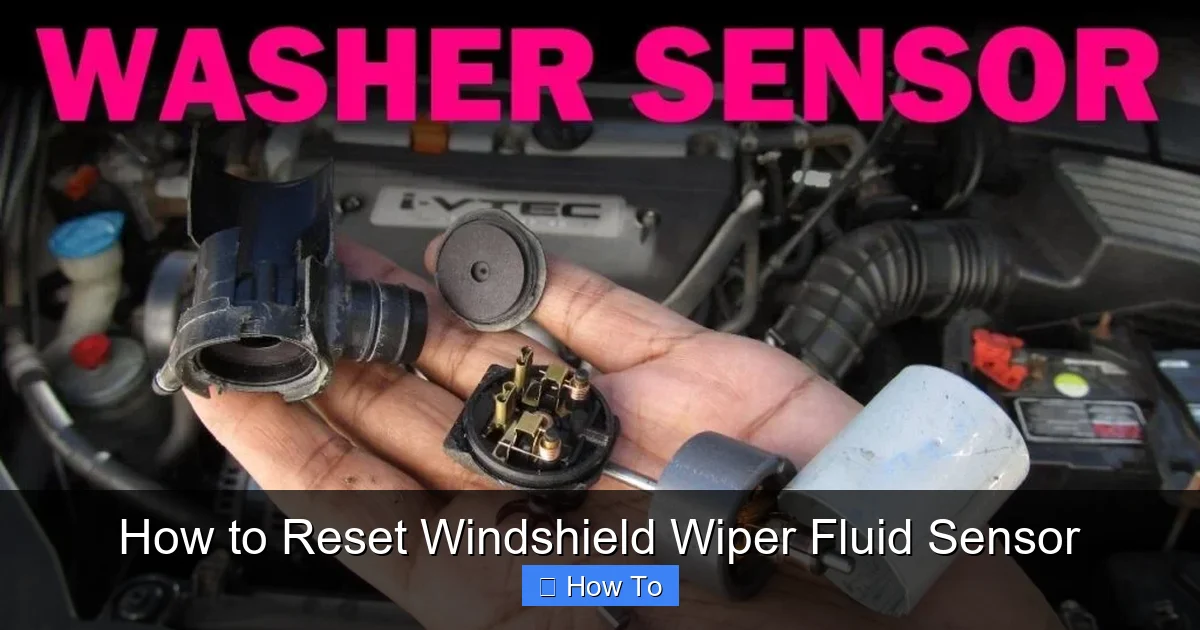
The sensor is usually located at the top of the reservoir or integrated into the float mechanism. Over time, sediment or debris can accumulate around it. Use a soft cloth to gently clean the sensor and its surrounding area. If you’re uncomfortable accessing it, consider visiting a mechanic.
Check the Wiring
Damaged or loose wiring can disrupt the sensor’s signal. Inspect the wiring harness connected to the reservoir for frayed wires or corrosion. If you find any issues, repair or replace the wiring as needed.
Replace the Sensor
If cleaning and wiring checks don’t resolve the problem, the sensor itself may be faulty. Replacing it requires basic tools and some mechanical know-how. First, disconnect the battery to avoid electrical shocks. Then, remove the reservoir (consult your manual for steps), replace the sensor, and reassemble. After installation, reset the system again and test it.
When to Seek Professional Help
Visual guide about How to Reset Windshield Wiper Fluid Sensor
Image source: i.ytimg.com
While many sensor issues can be resolved DIY, some situations require expert assistance. Consider visiting a mechanic if:
- The warning light persists after multiple reset attempts.
- You notice leaks around the reservoir or pump.
- The washer pump isn’t activating even when the system is functional.
- Your vehicle displays additional error codes or symptoms.
A professional can diagnose deeper electrical problems or replace components like the pump or control module. For instance, if your Toyota’s maintenance light is also on, it might indicate a broader system issue. In such cases, following a guide like How To Reset A Toyota Maintenance Light could help address multiple warnings at once.
Preventive Maintenance Tips
To avoid future sensor issues, adopt these maintenance habits:
- Regularly check fluid levels: Top off the reservoir monthly or before long trips.
- Use quality fluid: Invest in a reliable brand to prevent sediment buildup.
- Clean nozzles periodically: Use a pin or small tool to clear blockages.
- Run the system seasonally: Spray fluid on the windshield every few weeks to keep components operational.
By staying proactive, you can extend your sensor’s lifespan and ensure optimal performance.
Conclusion
Resetting your windshield wiper fluid sensor is a straightforward process that can save you time and frustration. By following the steps outlined in this guide, you’ll address common issues quickly and efficiently. However, if problems persist, don’t hesitate to seek professional help. Proper maintenance and timely repairs are key to keeping your vehicle safe and reliable on the road.
Frequently Asked Questions
Why is my windshield wiper fluid sensor light on?
The light usually indicates low fluid levels in the reservoir. However, it can also signal a faulty sensor, clogged nozzles, or electrical issues. Always check the fluid level first before diagnosing further.
Can I reset the sensor myself?
Yes, most vehicles allow DIY resets by cycling the wiper controls after filling the reservoir. Refer to your owner’s manual for model-specific instructions to avoid errors.
What if the sensor doesn’t reset?
If the reset fails, inspect the sensor’s location for debris or damage. Check wiring connections and consider replacing the sensor or pump. Persistent issues may require a mechanic’s expertise.
How do I locate the sensor?
The sensor is typically mounted on the washer fluid reservoir or integrated into the float mechanism. Consult your manual for its exact location, as it varies by vehicle model.
Is it safe to drive with the sensor light on?
While not immediately dangerous, driving with the light on reduces visibility in adverse weather. Address the issue promptly to maintain safety and ensure proper windshield cleaning.
Can I use regular water instead of washer fluid?
Avoid using plain water, especially in cold climates, as it can freeze. Use a 50/50 mix of washer fluid and water for optimal performance and freeze protection.
=== INTERNAL LINKS ===
- Adjusting wiper positions can improve performance after resetting the sensor. Check out How To Adjust Windshield Wiper Position for tips.
- If your sensor issues are part of broader maintenance concerns, learn how to reset related systems like the oil or maintenance light on Toyota models.
- Replacing wiper blades might be necessary if nozzles are damaged. See How To Replace Windshield Wipers On A Car for guidance.
- For Toyota owners, resetting the maintenance light can complement sensor troubleshooting. Refer to How To Reset The Maintenance Light On A Toyota Highlander.
- Cleaning or replacing the sensor may align with general maintenance steps. Explore How To Reset The Maintenance Required Light On Toyota for similar procedures.