How to Reset Anti Theft System Ford Focus 2008
Resetting the anti-theft system on a 2008 Ford Focus requires understanding the PATS system and following specific key cycling procedures. Whether the security light is flashing or the engine won’t start, these methods will help you regain access to your vehicle safely and effectively.
There is nothing more frustrating than stepping outside on a cold morning, ready to start your day, only to find your 2008 Ford Focus refusing to cooperate. The security light blinks angrily on the dashboard, and the engine either cranks weakly or refuses to turn over entirely. This is the anti-theft system doing its job, but sometimes it gets confused and locks you out instead of protecting you.
Learning how to reset anti theft system Ford Focus 2008 is a valuable skill that can save you time and money. The Passive Anti-Theft System, or PATS, is designed to prevent unauthorized starting, but it can activate falsely due to dead batteries, signal interference, or electrical gremlins. This comprehensive guide will walk you through every method to reset the system, from simple key cycling to advanced diagnostic procedures.
Before you begin, understand that the 2008 Ford Focus uses a transponder key system. The key contains a chip that communicates with the ignition cylinder. When this communication fails, the car thinks someone is trying to steal it and shuts down fuel delivery. Resetting the system means re-establishing this trust between the key and the car’s computer. Whether you are dealing with a flashing security light or a completely dead dashboard, the following steps will help you diagnose and fix the problem.
The PATS system in the 2008 Focus operates at 125 kHz, transmitting a unique identification code from the key to the antenna ring surrounding the ignition cylinder. This ring picks up the signal and sends it to the PATS module, which verifies the code against stored values in the PCM. If the codes match, the PCM enables fuel injection and ignition timing. If they do not match, the PCM disables the fuel pump and starter relay, preventing the engine from running. Understanding this flow helps you pinpoint where the communication breaks down during a reset attempt.
Key Takeaways
- Identify the problem: Recognize whether the issue is a dead key fob battery, faulty immobilizer, or system glitch.
- Try the key cycle method: Turn the ignition on and off multiple times to re-establish communication with the transponder.
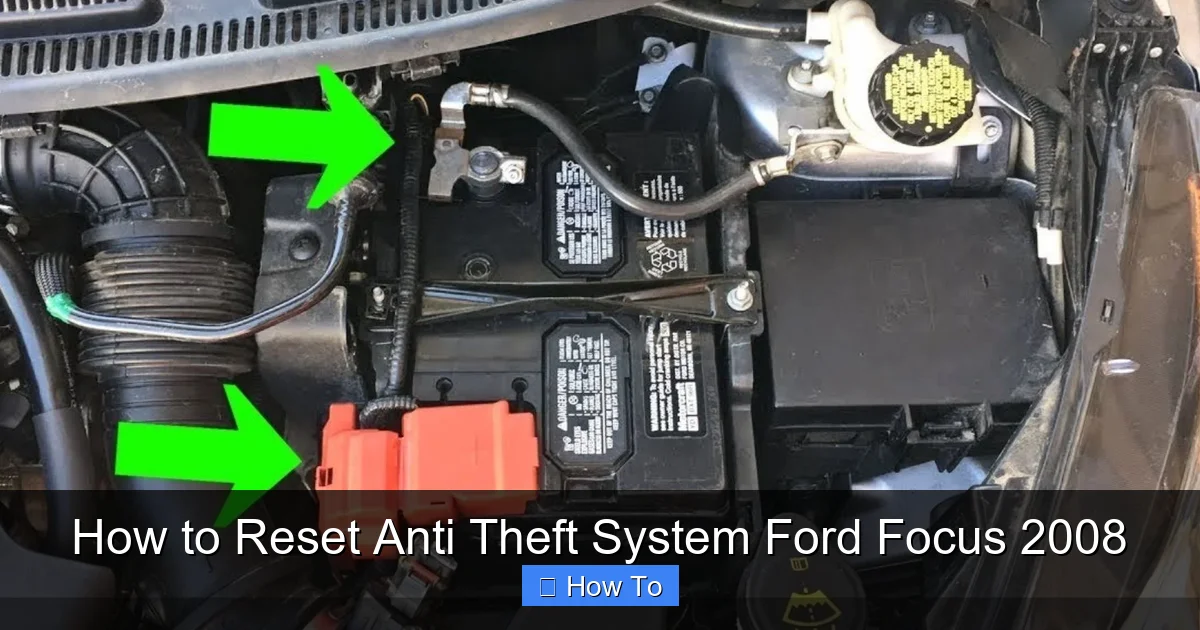
- Disconnect the battery: A full battery disconnect can reset the electrical systems and clear error codes.
- Use an OBD2 scanner: Advanced users can employ diagnostic tools to reset the system electronically.
- Program new keys if needed: Lost or damaged keys may require professional programming at a dealership.
- Check fuses and wiring: Blown fuses often mimic anti-theft system failures.
- Seek professional help: Persistent issues may indicate deeper electrical problems requiring expert diagnosis.
📑 Table of Contents
- Understanding the Anti-Theft System in Your Ford Focus
- Common Symptoms of Anti-Theft System Activation
- Preparation Before Resetting the System
- Step-by-Step Reset Procedures
- Programming New Keys After Reset
- Troubleshooting Persistent Anti-Theft Issues
- Preventing Future Anti-Theft Activation
- Conclusion
Understanding the Anti-Theft System in Your Ford Focus
The 2008 Ford Focus employs a sophisticated security network that goes beyond a simple alarm. The PATS system integrates with the engine control module, or ECM, to monitor ignition attempts. When you insert the key and turn it, the transponder sends a unique code to the car’s computer. If the code matches the programmed key, the engine starts. If not, the system disables the fuel pump and starter.
This system is highly effective against theft but can be sensitive to electrical issues. A weak key fob battery, corroded ignition contacts, or a faulty antenna ring around the ignition cylinder can all trigger false alarms. Understanding how the system works helps you troubleshoot effectively. The security light on the dashboard should illuminate briefly when you start the car and then turn off. If it stays on or flashes continuously, the system has detected a problem.
Many owners ask how to reset anti theft system Ford Focus 2008 without visiting a dealership. The good news is that most resets can be done at home with basic tools and patience. The key is to follow the exact sequence of operations the computer expects. Rushing through the steps or missing a timing detail will cause the procedure to fail, leaving you staring at that blinking security light. The PATS module is located under the dashboard on the driver side, connected to the wiring harness that runs through the steering column. Accessing this module requires removing the lower dashboard panel, which involves removing several screws and clips. Once exposed, you can inspect the wiring for corrosion or loose connections that might interrupt the signal between the key and the computer.
The antenna ring is a crucial component often overlooked during troubleshooting. This copper wire coil surrounds the ignition lock cylinder and creates an electromagnetic field that powers the transponder chip in the key. Without this field, the key cannot transmit its code. Over time, the ring can develop breaks or shorts, especially if someone has attempted DIY ignition repairs. Testing the antenna ring requires a multimeter set to measure resistance. The specification is typically between 100 and 200 ohms, but consult your service manual for the exact value. If the resistance is infinite or zero, the ring is damaged and must be replaced before the reset will succeed.
Common Symptoms of Anti-Theft System Activation
Recognizing the signs of anti-theft activation is crucial for timely intervention. The most obvious symptom is the security light on the dashboard. This light normally glows briefly during startup and then extinguishes. If it remains illuminated or blinks rapidly, the system has locked down.

Visual guide about How to Reset Anti Theft System Ford Focus 2008
Image source: i.ytimg.com
Another common symptom is the engine cranking without starting. You hear the starter motor engage, but the engine never fires. This happens because the fuel injectors are disabled by the anti-theft system. The car thinks it is being stolen, so it cuts off fuel delivery to prevent the engine from running. You might notice the fuel pump humming for two seconds then stopping, which indicates the PCM has inhibited the pump circuit.
Some owners report that the car starts intermittently, working fine one day and refusing to start the next. This inconsistency often points to a failing transponder chip in the key or a loose connection in the ignition cylinder. Temperature changes can affect these components, making the problem seem random. Cold mornings are particularly problematic because the transponder chip becomes less efficient in low temperatures, and the battery voltage drops, affecting the antenna ring’s field strength.
If you notice the key fob battery dying frequently, this might indicate that the transponder is drawing excessive power as it struggles to communicate. Replacing the battery in the key fob is a simple first step before attempting more complex resets. However, if the problem persists after battery replacement, you need to proceed with the full reset procedure. Also check the condition of the key blade; worn teeth can prevent the mechanical lock from turning smoothly, which interrupts the electrical contact needed for the transponder to power up.
Preparation Before Resetting the System
Proper preparation prevents wasted time and frustration. Gather all your keys before starting. You need at least one working key, though the reset procedure often works with a non-transponder key temporarily. Have a flashlight ready to inspect the ignition cylinder for damage or corrosion. A multimeter is useful for checking battery voltage and continuity of wiring.
Disconnect the negative battery cable if you plan to use the battery disconnect method. Use a wrench to loosen the clamp and remove the cable. Wait fifteen minutes to allow the capacitors to fully discharge. This step clears short-term memory in the car’s computers and resets the anti-theft module to its default state. Place the cable aside where it cannot touch the terminal, preventing accidental short circuits.
For the OBD2 scanner method, ensure you have a compatible diagnostic tool. Not all scanners support Ford anti-theft resets. The tool must be capable of communicating with the PCM, or Powertrain Control Module. If you are unsure about your scanner’s capabilities, consult the manual or visit an auto parts store for advice. Some advanced scanners can read live data from the PATS module, showing whether the transponder signal is being received correctly.
Safety first. Work in a well-ventilated area away from open flames. The reset procedure involves manipulating electrical systems, and sparks can occur if you mishandle connections. Wear safety glasses and gloves to protect against battery acid or sharp edges under the dashboard. Have your owner’s manual accessible for fuse box diagrams and wiring color codes. Keep a notebook handy to record any fault codes displayed during the reset process, as these codes can help diagnose persistent issues.
Step-by-Step Reset Procedures
Method One: The Key Cycle Reset
The key cycle method is the most common way to reset the anti-theft system. Start by inserting the key into the ignition. Turn it to the Run position, which is one click before starting. Wait exactly ten seconds. During this time, the security light should turn off if the key is recognized. If the light stays on, the key is not being read, and you may need to try a different key or check the battery in the key fob.
Visual guide about How to Reset Anti Theft System Ford Focus 2008
Image source: bradscartunes.com
Turn the key back to the Off position and wait five seconds. Repeat this cycle two more times, for a total of three cycles. On the fourth attempt, turn the key to Start and hold it for ten seconds. The engine should crank and eventually start. If the security light goes out and the engine runs normally, the reset was successful. The key cycle method forces the computer to relearn the key’s transponder code by exposing it to the signal multiple times. The ten-second waits are critical because the system needs time to verify the signal and store the new code in memory.
If the engine starts but the security light remains on, do not panic. This indicates the system has not fully relearned the key. Repeat the entire cycle two more times. On the third attempt, the light should extinguish after startup. Some owners find that jiggling the key slightly while in the Run position helps establish contact with the antenna ring. The transponder chip is sensitive to alignment, and even a few millimeters of movement can improve signal strength.
Method Two: Battery Disconnect Reset
The battery disconnect method clears all electrical memory, including error codes stored in the anti-theft system. Open the hood and locate the battery. Using a wrench, loosen the negative terminal first and remove the cable. Wait fifteen minutes to allow the capacitors to fully discharge. This waiting period is essential because the PATS module retains memory in capacitors even when the battery is disconnected. Skipping this step may result in an incomplete reset.
After waiting, reconnect the negative cable and tighten it securely. Turn the ignition to Run and wait for the dash lights to illuminate. The security light should glow for two seconds then turn off. Attempt to start the engine. The computer will reinitialize all systems, including the PATS module. This method is effective when the system has entered a fault state due to electrical noise or voltage spikes. It is also useful after installing a new battery or jump-starting the vehicle, as these events can confuse the anti-theft module.
Note that disconnecting the battery may reset other settings like radio presets and clock time. Have these ready to reconfigure after the reset. Some Ford models require a radio code after battery disconnection, so check your owner’s manual before proceeding. If the radio displays a code entry screen, you will need the four-digit code printed on the radio label or obtained from the dealership using your VIN.
Method Three: OBD2 Scanner Reset
For owners with diagnostic tools, the OBD2 scanner method offers the most precise control. Plug the scanner into the DLC port under the dashboard. The DLC port is located below the steering column, behind a plastic cover that pops off with gentle prying. Turn the ignition to Run without starting the engine.
Navigate to the anti-theft or immobilizer section in the scanner menu. Select the reset option and follow the on-screen prompts. The scanner will communicate directly with the PCM to clear fault codes and reinitialize the security system. Some advanced scanners can even program new keys if you have replacements cut. This method is particularly useful when the security light is flashing rapidly, indicating a stored fault code that prevents startup.
If you are working on a Toyota vehicle instead, you can find specific instructions on how to disable anti-theft system on a Toyota Corolla, as the diagnostic principles share similarities. However, always verify procedures for your specific Ford model, as protocols differ between manufacturers. The scanner may display codes such as P1626 or U1000, which indicate communication failures between the PATS module and the PCM. Clearing these codes and performing the reset procedure should restore normal operation.
Programming New Keys After Reset
Sometimes the reset procedure reveals that your key transponder is failing. If you have lost keys or the existing ones are damaged, you will need to program new keys after resetting the system. The 2008 Ford Focus requires a specific programming sequence that differs from earlier models. The process teaches the PATS module to recognize new transponder codes and add them to the authorized list stored in the PCM.
Start with the ignition off. Insert the first programmed key and turn it to Run for three seconds, then back to Off. Remove this key and immediately insert the second key. Turn it to Run for three seconds and back to Off. The security light should illuminate and then turn off, indicating the computer is learning the new key codes. Timing is critical here; you have a ten-second window between key changes to keep the programming mode active.
If you have a third key, repeat the process within ten seconds of removing the second key. Once all keys are programmed, turn the ignition to Start with any of the new keys. The engine should start normally. If the security light flashes rapidly, the programming failed and you must repeat the sequence from the beginning. Having a helper to hand you the keys at the right moment can make this process smoother and reduce the risk of timing errors.
For Toyota owners dealing with similar key programming issues, understanding how to reset the airbag light on a Toyota Camry involves different procedures but shares the same attention to timing and sequence. Always consult your specific vehicle manual for exact programming steps. The cost of replacement keys for the 2008 Focus ranges from fifty to two hundred dollars depending on whether you choose a dealer or aftermarket locksmith. Aftermarket keys must be programmed to your specific vehicle, so factor in programming fees when budgeting for spare keys.
Troubleshooting Persistent Anti-Theft Issues
If the reset procedure fails and the security light continues to flash, deeper problems may exist. Check the ignition cylinder antenna ring first. This ring surrounds the lock cylinder and reads the transponder chip. Corrosion or damage to this ring prevents communication with the key. Inspect the ring for visible damage or loose connections at the wiring harness. The antenna ring connector is a small rectangular plug behind the ignition cylinder that can work loose over time.
Inspect the fuse box under the dashboard. Look for the PATS fuse, which is usually labeled in the fuse box diagram. A blown fuse cuts power to the anti-theft module, causing false alarms. Replace the fuse with an identical amperage rating and attempt the reset again. If the new fuse blows immediately, you have a short circuit in the PATS wiring that requires professional diagnosis. Check the fuse box diagram in your owner’s manual for the exact location of the PATS fuse, which is typically in the under-dash fuse block.
Wiring harness issues can also cause persistent problems. Check the harness behind the ignition cylinder for frayed wires or loose connectors. The vibration from driving can loosen connections over time, especially in older vehicles like the 2008 Focus. Secure any loose connections with dielectric grease to prevent future corrosion. The steering column harness is particularly vulnerable because it flexes every time you turn the wheel. Look for chafed insulation or exposed copper, which can cause intermittent shorts that trigger the anti-theft system.
When to seek professional help. If you have tried all reset methods and the anti-theft system remains active, it is time to visit a locksmith or dealership. They have specialized equipment to bypass the system or reprogram the PCM. Attempting forced bypasses can damage the electrical system and cost more in repairs. A professional locksmith with Ford-specific training can often program keys and reset the system for less than a dealership charge. They can also test the antenna ring and ignition cylinder for proper operation, identifying wear before it leaves you stranded.
For diagnostic procedures involving electrical systems, you might also need to understand how to jumper OBD2 on a Toyota for similar troubleshooting on different platforms. However, for the Ford Focus, always use Ford-specific diagnostic tools when possible to avoid compatibility issues. The Ford IDS, or Integrated Diagnostic System, provides the most comprehensive access to PATS functions and can perform key programming that generic scanners cannot. If you do not own an IDS tool, many auto parts stores offer diagnostic services that include PATS resets for a fraction of the dealership price.
Preventing Future Anti-Theft Activation
Prevention is always better than cure when it comes to anti-theft systems. Keep your key fob battery fresh by replacing it every two years, even if it seems to work fine. A weak battery causes intermittent signal loss that triggers the security system. Use a multimeter to check the battery voltage; it should read above 2.5 volts for reliable operation. Replace the battery proactively before it dies completely, as a dead battery can cause the transponder to stop transmitting entirely.
Avoid placing your key near strong electromagnetic fields. Large speakers, MRI machines, and industrial equipment can interfere with the transponder signal. If you work in an environment with heavy electrical equipment, keep your key in a shielded pouch when not in use. The transponder chip operates at a specific frequency, and strong electromagnetic fields can disrupt this frequency, causing the system to fail to recognize the key.
Regular maintenance of the ignition cylinder helps prevent false activations. Use electrical contact cleaner on the keyhole annually to remove carbon buildup. This ensures smooth key insertion and proper contact with the antenna ring. Spray a small amount of cleaner into the keyhole, insert and remove the key several times to distribute the cleaner, then wipe away any residue. This simple maintenance step can prevent the intermittent contact issues that cause false anti-theft triggers.
Finally, keep a spare key programmed to your vehicle. Having a backup prevents lockouts if your primary key fails. Store the spare in a safe location outside the vehicle, such as a lockbox at home or with a trusted family member. A spare key also allows you to test whether the problem is with the key or the vehicle, helping you diagnose issues more quickly. Consider having two spare keys cut and programmed, keeping one at home and one with a trusted person, so you always have access to your vehicle even if both primary keys fail simultaneously.
Conclusion
Resetting the anti-theft system on a 2008 Ford Focus is achievable with patience and the right approach. Whether you use the key cycle method, battery disconnect, or OBD2 scanner, following the correct sequence is essential for success. Always start with the simplest method before moving to advanced procedures. Document each attempt, noting what happened and what did not, so you can identify patterns that point to the root cause.
If the system continues to malfunction after multiple reset attempts, professional diagnosis is warranted. Electrical problems in older vehicles can be complex, and forcing a reset may cause additional damage. Keep your diagnostic records and share them with any technician you visit. A good technician will appreciate your documentation and can use it to pinpoint the issue faster.
By understanding how your anti-theft system works and maintaining it properly, you can avoid unexpected lockouts and keep your Ford Focus secure. Remember that the security system is there to protect you, and with these reset techniques, you can keep it working correctly for years to come. Regular maintenance and prompt attention to warning signs will ensure your Focus remains reliable and secure on every journey.
Frequently Asked Questions
How long does it take to reset the anti-theft system on a Ford Focus 2008?
The reset process typically takes between fifteen and thirty minutes depending on the method used. The key cycle method is fastest, while battery disconnect requires waiting time for capacitors to discharge. OBD2 scanner resets are usually quickest if you have the right equipment.
Can I reset the anti-theft system myself without professional help?
Yes, most reset procedures are DIY-friendly and require only basic tools like a wrench and your ignition key. However, if you lack confidence with electrical systems or the reset fails after multiple attempts, consulting a professional locksmith or mechanic is recommended to avoid damaging components.
What should I do if the security light keeps flashing after resetting?
If the light persists, check the key fob battery first, as a weak battery often causes false triggers. Next, inspect the ignition cylinder for damage or corrosion. If these checks pass, the problem may lie in the antenna ring or wiring harness, requiring professional diagnosis with specialized Ford diagnostic tools.
How much does it cost to professionally reset the Ford Focus anti-theft system?
Costs vary widely depending on the root cause. Simple resets at a locksmith may cost fifty to one hundred dollars, while dealership programming for new keys can range from two hundred to five hundred dollars. Battery disconnect resets are free if you perform them yourself.
Is it safe to drive with the anti-theft light on?
Driving with the light on is risky because the system may disable fuel delivery unexpectedly, causing the engine to stall. If the light flashes while driving, pull over safely and attempt a reset. Persistent illumination indicates a fault that could leave you stranded, so address it promptly.
How can I prevent the anti-theft system from activating falsely?
Prevent false activations by replacing the key fob battery every two years, keeping the ignition cylinder clean, and avoiding exposure to strong electromagnetic fields. Regular inspection of the antenna ring and wiring harness also helps maintain reliable communication between the key and the car’s computer.