How Hot Does Power Steering Fluid Get
Power steering fluid usually operates between 150°F and 200°F, but it can spike higher under heavy load. Understanding why it heats up helps you prevent damage and maintain smooth steering. This guide explains the temperature limits, signs of overheating, and simple cooling tricks.
When you turn the wheel, you expect smooth assistance, but have you ever wondered how hot does power steering fluid get? The temperature of this hydraulic fluid plays a big role in steering feel, component life, and overall safety. In this article we will explore the typical heat range, what pushes it higher, and how you can keep it within a safe zone.
The answer isn’t a single number, because driving conditions, vehicle load, and even the weather influence the heat. By understanding the factors at play, you can take simple steps to prevent overheating and avoid costly repairs. Let’s dive into the details.
Another reason to care about temperature is that excessive heat can break down the fluid’s additives, leading to poor lubrication and increased wear on the pump and rack. When the fluid gets too hot, it can also cause seals to harden and leak, which would lead to loss of steering assistance. Keeping an eye on the temperature helps you maintain reliable steering performance.
Understanding the temperature range also helps you choose the right fluid for your driving style.
Key Takeaways
- Typical operating temperature: Power steering fluid generally stays between 150°F and 200°F during normal driving.
- Maximum safe limit: Most systems can tolerate up to 250°F, but prolonged exposure above this can degrade the fluid.
- Common heat sources: Engine heat, high steering loads, and blocked cooling passages raise fluid temperature.
- Warning signs: Whining noise, stiff steering, or dark, burnt-smelling fluid indicate overheating.
- Cooling methods: Allow the system to rest, check fluid level, and use a cooler or heat shield if needed.
- Maintenance tip: Replace power steering fluid every 30,000 to 50,000 miles to keep temperatures low.
📑 Table of Contents
Understanding Power Steering Fluid Basics
Power steering fluid is a specialized hydraulic oil designed to transfer pressure from the steering pump to the rack and pinion. It lubricates moving parts, protects against corrosion, and helps dissipate heat generated during operation. The fluid’s viscosity and thermal stability determine how well it can handle temperature changes.
Most vehicles use a petroleum‑based or synthetic fluid that meets specific viscosity grades, such as ISO 32 or ISO 46. These grades influence how easily the fluid flows at different temperatures, which in turn affects how much heat builds up during steering maneuvers.
The fluid also acts as a hydraulic medium, transmitting force from the pump to the steering gear.
What Makes It Heat Up
Every time you turn the wheel, the pump creates resistance, and that resistance generates friction. The friction converts mechanical energy into heat, which the fluid must absorb. In addition, the engine bay itself can reach high temperatures, especially in stop‑and‑go traffic, further warming the fluid.
The pump also works harder when the steering is turned to its full lock, so repeated tight turns can cause a rapid rise in temperature. Even the type of vehicle matters; larger SUVs and trucks have heavier steering components that create more resistance, adding extra heat to the fluid.
Fluid Compatibility
Using a fluid that matches the manufacturer’s specification is essential. Some vehicles require a specific friction modifier, while others need a certain viscosity grade. Mixing fluids can lead to reduced performance and higher operating temperatures.
Typical Operating Temperature Range
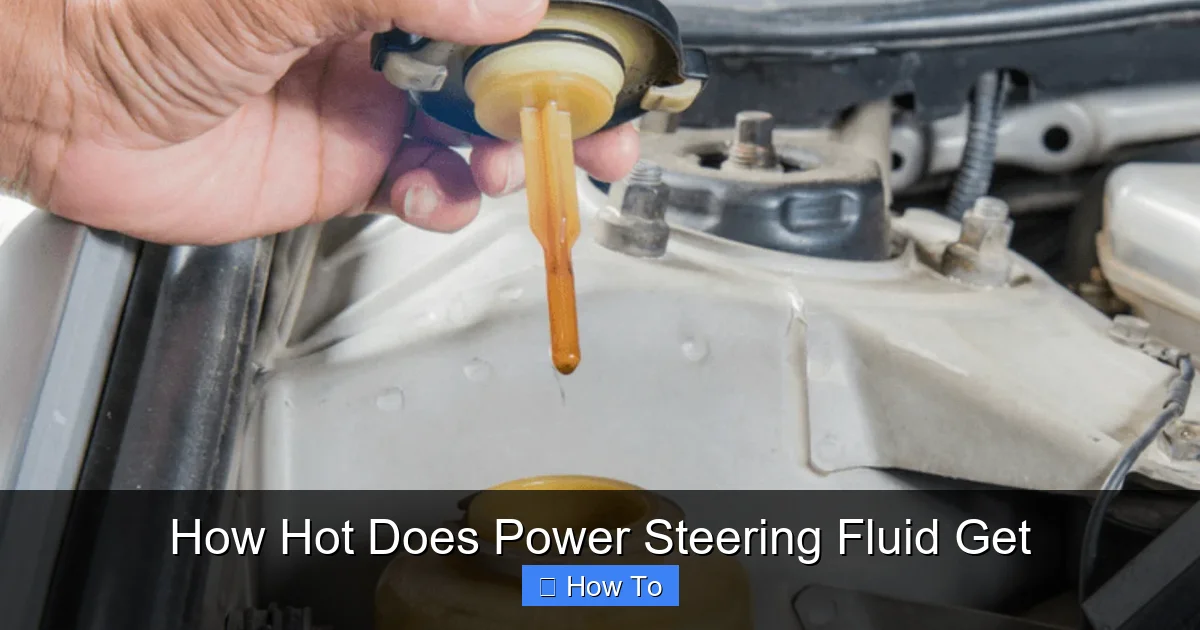
Under normal driving conditions, power steering fluid usually settles between 150°F and 200°F. This range is comfortable for the fluid’s additives and seals. Many manufacturers design their systems to stay within this band, ensuring smooth steering without excessive wear.
Visual guide about How Hot Does Power Steering Fluid Get
Image source: goldeagle.com
When the fluid stays in this window, the pump works efficiently and the steering feels light. If the temperature drops below 150°F, the fluid may become too thick, making steering feel heavy. Conversely, if it rises above 200°F, the risk of breakdown increases.
If you notice the fluid is consistently above 200°F, it may be a sign of an underlying issue.
Why 150°F to 200°F Is Ideal
At these temperatures, the fluid maintains a balance between viscosity and flow. It remains thin enough to circulate easily, yet thick enough to protect metal surfaces. When the fluid stays in this window, the pump works efficiently and the steering feels light.
Manufacturers often specify a maximum operating temperature of around 250°F, but staying below 200°F extends the fluid’s useful life and reduces the chance of seal damage.
Measuring Temperature
You can check the fluid temperature with a digital thermometer or an infrared gun. Insert the probe into the reservoir when the engine is warm, but be careful not to touch hot components.
Factors That Increase Temperature
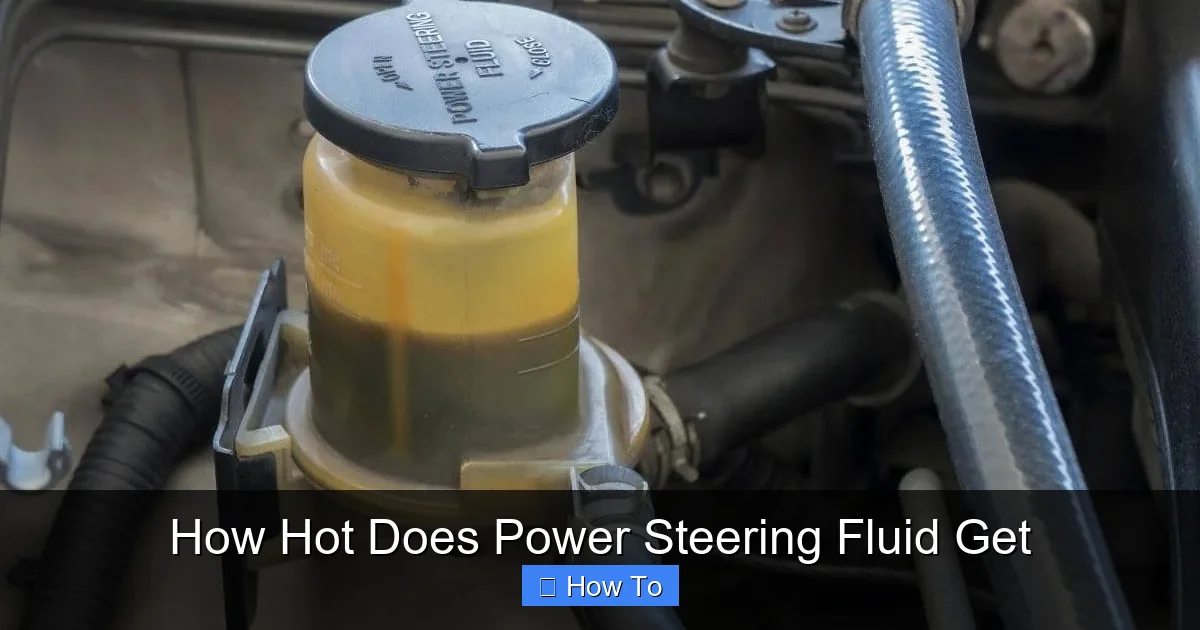
Several conditions can push the temperature higher than the typical range. Recognizing these triggers helps you anticipate when the fluid might overheat.
Visual guide about How Hot Does Power Steering Fluid Get
Image source: diymelon.com
- Heavy steering loads: Parking, turning a large vehicle, or navigating tight corners forces the pump to work harder, creating more heat.
- High engine RPM: When the engine runs at high speed, the accessory belt drives the pump faster, increasing friction.
- Blocked cooling passages: Debris or sludge can restrict fluid flow, reducing the system’s ability to dissipate heat.
- Ambient temperature: Hot weather or a lack of shade can raise the baseline temperature of the engine bay.
- Frequent low‑speed turns: Repeatedly turning the wheel at low speeds, such as when parallel parking, keeps the pump active for longer periods.
Regularly checking the fluid condition can catch problems early.
Real‑World Example
Imagine driving a compact car on a sweltering 95°F day. You repeatedly turn the wheel while parked in a driveway. The pump cycles rapidly, the engine heat radiates outward, and the fluid temperature can climb to 230°F within minutes. This scenario illustrates how combined factors accelerate heating.
In a similar situation, a pickup truck towing a heavy trailer on a mountain road may see the power steering fluid temperature exceed 250°F, especially if the driver constantly adjusts the wheel to maintain lane position.
Vehicle Load
Heavier loads such as trailers, boats, or large cargo increase the resistance the pump must overcome. The extra effort raises the fluid temperature, especially during prolonged steering adjustments.
Signs of Overheated Power Steering Fluid
When the fluid exceeds safe limits, the vehicle often gives warning signals. Pay attention to these clues to avoid damage.
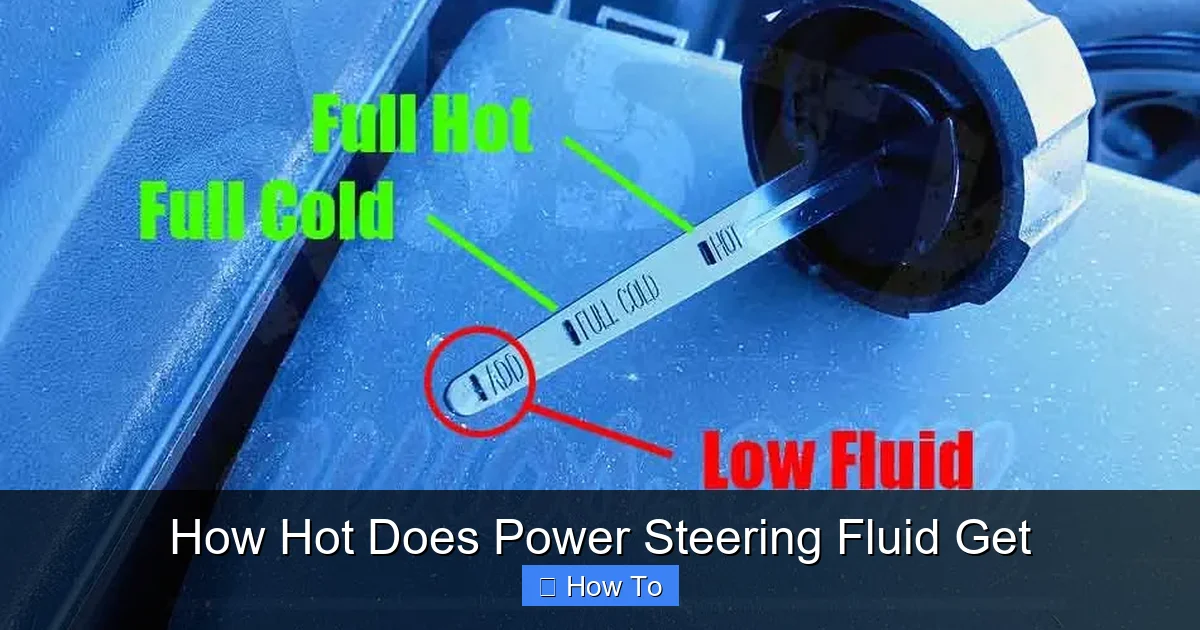
Visual guide about How Hot Does Power Steering Fluid Get
Image source: rustyautos.com
- Whining or humming noise: A high‑pitched sound from the pump indicates cavitation caused by overly hot fluid.
- Stiff steering: Increased resistance makes turning the wheel feel heavy, especially at low speeds.
- Burnt smell or dark color: Fluid that looks dark brown or smells burnt has broken down and lost its protective properties.
- Fluid leaks: Overheating can degrade seals, leading to drips under the car.
Ignoring these signs can lead to a loss of steering assistance.
What to Do If You Notice These Signs
First, pull over safely and let the system cool for several minutes. Check the fluid level using the dipstick; if it’s low, top it off with the recommended type. If the smell or color persists, it’s time for a professional inspection.
Additionally, avoid making sharp turns until the fluid has cooled, as this can further stress the pump and increase the risk of damage.
Diagnostic Tools
Some mechanics use a fluid analysis kit to check for metal shavings, which indicate excessive wear. If the fluid contains particles, it may be a sign that the system is overheating and components are deteriorating.
A simple pressure gauge can reveal if the pump is delivering the correct pressure. If the reading is low, it may indicate worn internals that cause excess heat.
How to Cool Down Power Steering Fluid
There are several practical steps you can take to lower the temperature and protect the system.
- Allow the system to rest: After heavy use, turn the engine off and let the fluid sit for 10‑15 minutes.
- Check fluid level: Ensure the reservoir is filled to the proper mark; low fluid reduces cooling capacity.
- Use a cooler or heat shield: Aftermarket accessories can help dissipate heat in extreme conditions.
- Upgrade to high‑temperature fluid: Some synthetic fluids are formulated to withstand higher temperatures without breaking down.
In some cases, replacing the fluid with a high-temperature synthetic can provide better thermal stability.
Quick Tip
If you frequently drive in hot climates or tow heavy loads, consider installing a small fan directed at the power steering reservoir. It can lower temperatures by 10‑15°F during prolonged use.
Another simple trick is to park in the shade whenever possible, which helps keep the engine bay cooler and reduces the baseline temperature of the fluid.
Aftermarket Solutions
Some drivers install a small electric fan or a heat sink on the reservoir. These accessories help dissipate heat during extended drives or when the vehicle is used for towing.
Maintenance Tips to Keep Temperature in Check
Regular care is the best way to keep power steering fluid within a safe temperature range. Follow these recommendations to extend the life of your system.
- Replace fluid every 30,000 to 50,000 miles: Fresh fluid contains additives that resist oxidation and maintain viscosity.
- Inspect the belt and pump: A slipping belt can cause the pump to work harder, raising temperature.
- Flush the system: A professional flush removes old fluid and contaminants that can cause overheating.
- Monitor for leaks: Even small drips can reduce fluid volume and increase operating temperature.
Keeping the reservoir cap sealed prevents contamination.
When to Seek Professional Help
If you notice persistent high temperatures, unusual noises, or fluid discoloration, have a mechanic inspect the pump, hoses, and reservoir. Early intervention can prevent a complete failure.
Regular service also includes checking the power steering fluid condition during oil changes, which can catch issues before they become serious.
Service Intervals
Follow the recommended service schedule, which often includes flushing the power steering system. Regular flushing removes contaminants that can cause overheating and extends the fluid’s life.
In summary, how hot does power steering fluid get depends on driving conditions, but staying within the 150°F to 200°F range is key. By watching for warning signs, cooling the system when needed, and following a regular maintenance schedule, you can keep your steering smooth and protect your vehicle’s components.
By staying informed, you can enjoy safer steering for many miles.
Remember, a cool fluid means a happy steering system.
If you ever feel unsure, consult your vehicle’s service manual for specific temperature guidelines.
A well‑maintained system will reward you with smooth, responsive steering.
If you notice a loose belt, you might need to adjust the power steering belt to ensure proper pump operation.
When checking transmission fluid levels, remember that a Toyota Rav4 typically requires a specific number of quarts, which can give you insight into overall fluid health.
Toyota recommends a specific type of brake fluid for optimal performance, illustrating how important correct fluid specifications are across systems.
Frequently Asked Questions
What is the normal operating temperature of power steering fluid?
Most power steering fluid operates between 150°F and 200°F under typical driving conditions, providing a balance between flow and protection.
Can power steering fluid overheat?
Yes, when the pump works hard, the engine bay is hot, or cooling passages are blocked, the fluid can rise above 250°F and begin to break down.
What are the signs of overheated power steering fluid?
Common indicators include a whining noise, stiff steering, dark or burnt‑smelling fluid, and visible leaks around the reservoir or hoses.
How can I cool down power steering fluid?
Allow the system to rest, check and top off the fluid, use a cooler or heat shield, or switch to a high‑temperature synthetic fluid for better heat resistance.
How often should I replace power steering fluid?
It is generally recommended to replace the fluid every 30,000 to 50,000 miles to maintain proper viscosity and protect against overheating.
When should I seek professional help for power steering issues?
If you experience persistent high temperatures, unusual noises, or fluid leaks, have a mechanic inspect the pump, hoses, and reservoir to prevent further damage.