How to Reset Blend Door Actuator
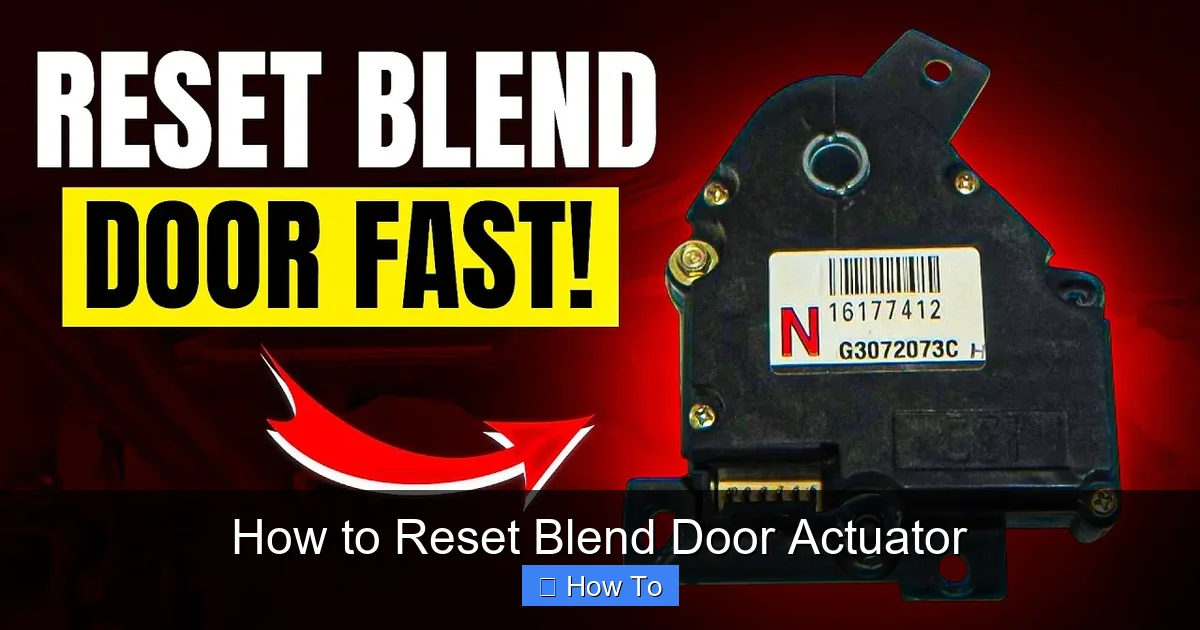
Resetting a blend door actuator is easier than you think! This small motor controls your car’s temperature by moving a door that mixes hot and cold air. When it fails, you might get only hot or cold air no matter what you set. The reset process takes about 15 minutes and involves disconnecting your car battery, locating the actuator, and reconnecting everything in the right order.
Key Takeaways
- Safety first: Always disconnect the negative battery terminal before working on any HVAC component to prevent electrical shorts and airbag deployment.
- Identify symptoms: If you hear clicking noises from the dashboard or temperature stays stuck on hot or cold, your blend door actuator likely needs attention.
- Locate correctly: Most blend door actuators hide behind the glove box or under the dashboard on the passenger side.
- Manual reset works: Disconnecting the battery for 5-10 minutes often resets the actuator’s computer and resolves minor glitches.
- Replacement may be needed: If resetting doesn’t work, the actuator motor itself might be burned out and require replacement.
- Test after reset: Always test all temperature settings after reconnecting the battery to ensure proper operation.
- Consider professional help: If the problem persists after reset, visit a mechanic to avoid further damage to your HVAC system.
📑 Table of Contents
Understanding Your Blend Door Actuator
Your car’s heating and cooling system is pretty clever. At its heart sits a tiny but important part called the blend door actuator. This small electric motor does one essential job. It moves a door inside your HVAC system that controls how much hot and cold air mixes together. When you turn your temperature dial, the blend door actuator springs into action. It opens or closes a door to let the right amount of hot air from your heater core blend with cold air from your AC evaporator.
How the Actuator Works
Think of it like a gatekeeper for your car temperature. When you set the thermostat to 72 degrees, the actuator receives a signal from your car’s computer. It then rotates to a specific position that moves the blend door just right. This door controls the airflow path. Cool air passes through one channel. Hot air passes through another. The door sits between them. By moving slightly, it lets the perfect mix flow through your vents.
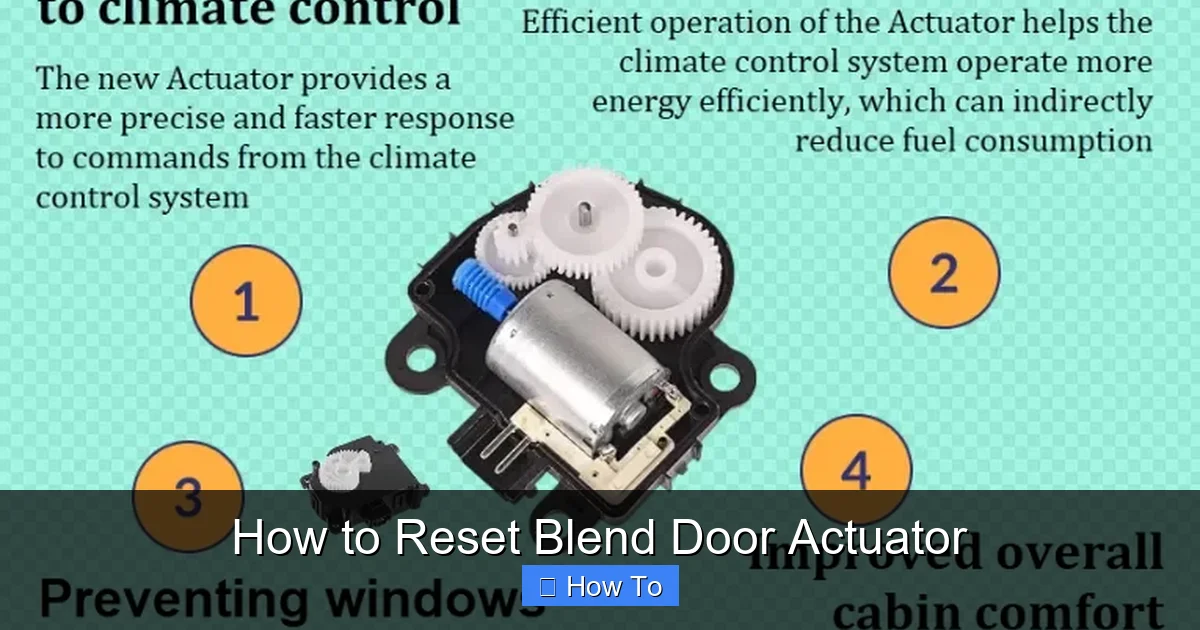
The actuator has tiny gears inside. These gears can wear out over time. The motor can also burn out. When this happens, you lose control of your temperature. You might only get full hot or full cold. No matter what setting you choose, nothing changes.
Signs of a Failing Actuator
Your car will tell you when something is wrong. Listen for clicking or grinding noises from behind your dashboard. This often means the actuator motor is straining but can’t move the door. You might also notice that your temperature stays stuck. No matter where you set the dial, you get the same temperature. Some cars show this as the driver’s side being hot while the passenger side stays cold. These are classic signs that your blend door actuator needs attention.
Preparing for the Reset Process
Before you touch anything, you need to prepare properly. Working on your car’s HVAC system involves electrical components. You must follow safety steps to protect yourself and your vehicle.
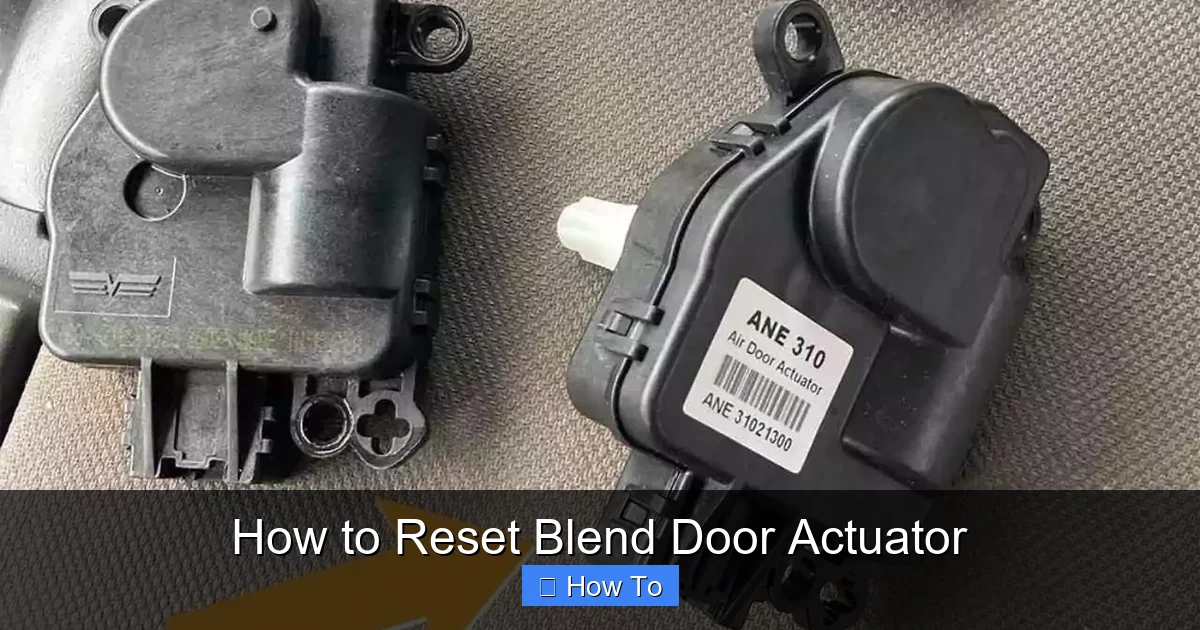
Visual guide about How to Reset Blend Door Actuator
Image source: partsofacarengine.com
Gather Your Tools
The good news is you don’t need many tools for this job. Most resets only require basic items. Grab a socket wrench set. You’ll need this to remove the battery terminal. A flashlight helps you see into dark spaces under your dashboard. Some people find work gloves useful for protecting their hands. That’s really all you need for a simple reset.
Safety First
Safety matters most here. Start by turning off your car completely. Let it sit for a few minutes so all systems power down. Then open your hood and locate your car battery. You need to disconnect the negative terminal first. This is usually marked with a minus sign or the letters “NEG.” Use your socket wrench to loosen the bolt on this terminal. Once loose, pull the cable off and set it aside where it cannot touch the terminal.
Why this matters? Removing the negative terminal breaks the electrical circuit. Your car’s computer loses power. This allows all electrical systems to reset completely. It also prevents any risk of short-circuiting while you work. Some modern cars have sensitive electronics. Disconnecting the battery prevents accidental deployment of airbags if you bump any sensors.
The Step-by-Step Reset Process
Now comes the actual reset. There are two main approaches. Try the simple battery disconnect method first. This resolves many blend door actuator issues without any further work.
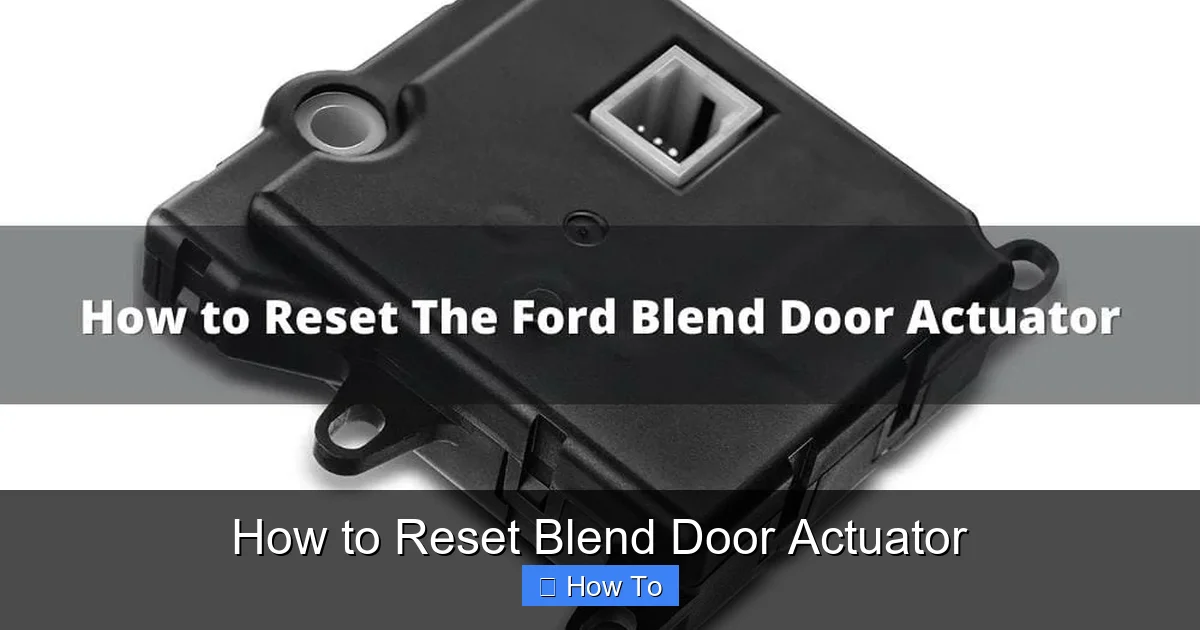
Visual guide about How to Reset Blend Door Actuator
Image source: vehiclefreak.com
Method One: Battery Disconnect Reset
After disconnecting the negative battery terminal, wait. The recommended wait time is at least five to ten minutes. Some mechanics suggest leaving it for fifteen minutes to be safe. This pause allows any stored electricity in the system to discharge completely. It gives your car’s computer time to clear any error codes related to the actuator.
During this wait, you can check on the actuator location if you want. The blend door actuator usually sits behind the glove box on the passenger side. Sometimes it’s under the dashboard near the center console. Its position varies by car make and model. If you want to inspect it, remove the glove box by squeezing the sides and lowering it. You’ll see a small rectangular motor mounted near the HVAC box.
After waiting, reconnect the negative battery terminal. Tighten the bolt securely but don’t over-tighten it. Close your hood and get into your car. Start the engine and let it idle for a minute. Now test your temperature controls. Set it to full cold first. Listen for the actuator motor to run. Then switch to full hot. The actuator should move smoothly between positions.
Method Two: Actuator Calibration Reset
Some vehicles need a different approach. The battery disconnect might not work for cars with sophisticated HVAC systems. In this case, you may need to recalibrate the actuator through your car’s computer system.
To do this, turn your ignition to the “ON” position without starting the engine. Make sure your climate controls are set to automatic mode. Set your temperature to the middle position. Most cars use 72 degrees as a default middle point. Now press and hold the recirculation button and the defrost button at the same time. Hold them for about five seconds. Your dashboard might flash or beep. This indicates the system is entering calibration mode.
Wait for the climate control display to show a completion message. This usually takes about thirty seconds. Turn off the ignition. Wait another minute. Restart your car and test the temperature controls. The actuator should now respond properly to all temperature settings.
Method Three: Manual Actuator Reset
If neither of the above methods work, you might need to manually test and reset the actuator itself. First, locate the actuator behind your dashboard. It typically connects to the blend door with a small plastic gear or arm. Disconnect the electrical connector from the actuator. This is usually a two-wire or four-wire connector depending on your vehicle.
Inspect the gear for any damage. Stripped gears are a common reason actuators fail. If the gear looks fine, you can test the motor using a 9-volt battery. Connect the battery leads to the actuator’s power terminals briefly. The actuator should move in one direction. Reverse the polarity and it should move the other direction. If it doesn’t move at all, the motor is burned out and needs replacement.
If the motor does move, reconnect the actuator to your car’s wiring. Manually move the blend door by hand if possible to ensure it moves freely. Sometimes doors get stuck due to debris or broken hinges. Clear any obstructions you find. Reconnect the battery and test again.
Common Issues and Troubleshooting
Sometimes the reset process doesn’t solve the problem. Don’t get discouraged. There are other things that can cause similar symptoms.
Visual guide about How to Reset Blend Door Actuator
Image source: autotechiq.com
Fuses and Electrical Problems
Before assuming your actuator is dead, check the simple things first. Your car’s fuse box contains fuses for the HVAC system. Find your owner’s manual to locate these fuses. Pull out each fuse related to climate control and inspect it. A blown fuse looks different from a good fuse. The metal strip inside will be broken or burned. Replace any blown fuses with the correct amperage rating.
Wiring problems also cause actuator failures. Check the wiring harness near the actuator. Look for any damaged wires, loose connections, or corroded terminals. If you find corrosion, clean it with electrical contact cleaner. Fix any damaged wires by splicing in new sections or replacing connectors entirely.
Control Panel Issues
Your temperature control panel might be the culprit instead of the actuator. If the display shows incorrect temperatures or buttons don’t respond, the control head itself might be faulty. You can test this by checking for voltage at the actuator while adjusting the temperature dial. If voltage changes as you turn the dial but the actuator doesn’t move, the actuator motor is bad. If no voltage reaches the actuator, the control panel needs replacement.
Some newer cars have separate control modules for the HVAC system. These can fail independently. If your car has dual-zone climate control and only one zone is affected, you likely have a single actuator problem. If both zones fail simultaneously, the control module or main computer might be the issue.
When Replacement Becomes Necessary
Actuators have limited lifespans. Most last about 60,000 to 100,000 miles depending on usage and quality. If your actuator makes grinding noises constantly, won’t move at all, or has physically broken gears, replacement is your only option. You can find replacement actuators online or at auto parts stores for most vehicle models.
Replacement typically costs between $50 and $300 for parts alone. Labor if you hire a mechanic adds another $100 to $200. The job usually takes one to two hours. If you’re comfortable working under your dashboard, you can save money by installing it yourself.
Preventive Maintenance Tips
You can extend the life of your blend door actuator with some simple habits. Your HVAC system works harder in extreme temperatures. Try to precondition your car while it’s still running. Use the remote start feature if your car has one. This brings the cabin to comfortable temperatures gradually rather than making the system work hard all at once.
Regular System Checks
Every few months, test all your temperature settings. Run through full cold, full hot, and several points in between. Listen for smooth motor operation. Any grinding, clicking, or hesitation indicates a developing problem. Catching issues early often means a simple repair instead of full replacement.
Keep your cabin air filter clean as well. A clogged filter restricts airflow. This makes the actuator work harder to achieve desired temperatures. Check your owner’s manual for the recommended filter replacement interval. Most cars need cabin air filter changes every 15,000 to 30,000 miles depending on driving conditions.
Environmental Considerations
Where you drive affects HVAC component lifespan. Dusty roads, high humidity, and salt air all accelerate wear on mechanical and electrical parts. If you drive in harsh conditions frequently, inspect your HVAC system more often. Consider having a mechanic check the actuator and blend door during routine maintenance visits.
Keeping your car parked in a garage when possible protects all components from extreme weather. Temperature swings cause condensation inside electronic components. This condensation leads to corrosion and premature failure over time.
When to Seek Professional Help
Not everyone is comfortable working on their own vehicle. That’s perfectly okay. Some situations definitely call for a professional mechanic.
Complex HVAC Systems
Modern cars have increasingly complex climate control systems. Some use multiple actuators for different zones. Others integrate with the main computer in ways that make DIY diagnosis difficult. If your reset attempts don’t work, or if you lack confidence in your mechanical skills, schedule a service appointment. The cost of professional diagnosis is usually reasonable and well worth the peace of mind.
A certified mechanic can use professional diagnostic tools to pinpoint exactly what’s wrong. They can tell you with certainty whether you need an actuator replacement, a control module repair, or something else entirely. This accuracy saves money by avoiding unnecessary parts purchases.
Warranty Considerations
If your car is still under warranty, attempting repairs yourself might void coverage. Check your warranty documentation before doing any work. Many warranties cover HVAC components for several years or many thousands of miles. Professional installation through an authorized dealer ensures your warranty stays valid.
Even out of warranty, some repair shops offer guarantees on their work. This protection gives you recourse if something goes wrong later. DIY repairs typically have no such guarantee unless you purchase separate protection plans.
Conclusion
Resetting a blend door actuator is often simpler than most people expect. The battery disconnect method solves many common problems in under twenty minutes. Even if that doesn’t work, you have several other approaches to try before concluding the actuator needs replacement.
Remember to prioritize safety first. Disconnect your battery before touching any HVAC components. Give yourself adequate time to complete the reset properly. Rushing leads to mistakes and potentially expensive damage.
If you try these methods and still experience temperature control issues, don’t ignore the problem. An improperly functioning HVAC system affects comfort and can indicate more serious underlying issues. Visit a qualified mechanic to diagnose and repair the problem before it worsens.
Taking care of your blend door actuator ensures you stay comfortable no matter what the weather outside throws at you. A little maintenance goes a long way toward keeping your car comfortable for years to come.
Frequently Asked Questions
How do I know if my blend door actuator is bad?
Common signs include clicking or grinding noises from your dashboard, temperature stuck on hot or cold regardless of settings, and inconsistent airflow between zones. If you notice these symptoms, your actuator likely needs attention.
Can I reset the blend door actuator without any tools?
Yes, the battery disconnect method requires only a socket wrench to loosen the negative terminal. No special tools are needed for this simple reset procedure.
How long does it take to reset a blend door actuator?
The actual reset takes only a few minutes. The critical part is waiting 5-15 minutes with the battery disconnected. Plan for about 20 minutes total including testing afterward.
Will disconnecting my car battery reset other settings?
Yes, disconnecting the battery will reset your clock, radio presets, seat memory positions, and other stored settings. You’ll need to reprogram these after reconnecting the battery.
How much does it cost to replace a blend door actuator?
Parts typically cost between $50 and $300 depending on your vehicle make and model. Professional installation adds $100 to $200 in labor costs.
Can I drive my car with a broken blend door actuator?
You can drive it, but your comfort will suffer. You’ll have no control over cabin temperature until it’s repaired. In extreme weather, this can become uncomfortable or even dangerous.