How to Get Out of Ally Lease Early
Getting out of an Ally lease early is possible through several proven methods, including early termination, lease transfers, buyouts, and voluntary repossession. Each option comes with different costs, fees, and financial impacts you should understand before deciding. This guide breaks down every option in simple terms so you can choose the best path for your situation and avoid costly surprises.
Key Takeaways
- Read Your Lease Contract First: Understanding your Ally lease agreement is the most important step before taking action.
- Early Termination Is Costly: Breaking your lease early usually involves steep fees, so know the numbers upfront.
- Lease Transfer Can Save Money: Swapping your lease with someone else can reduce or eliminate early exit costs.
- Buyout Is an Option: You can purchase the vehicle outright at any time, even before your lease ends.
- Voluntary Repossession Has Risks: Returning the car to Ally may seem easy, but it badly damages your credit.
- Negotiation Works: Many lessees successfully negotiate lower fees by talking directly with Ally.
- Act Early for Better Results: The sooner you start the process, the more options and savings you may have.
📑 Table of Contents
- Why People Want to Get Out of an Ally Lease Early
- Step One: Read and Understand Your Ally Lease Contract
- Option One: Early Lease Termination
- Option Two: Lease Transfer or Lease Swap
- Option Three: Lease Buyout
- Option Four: Voluntary Repossession
- Option Five: Negotiate with Ally Directly
- Common Mistakes to Avoid When Ending an Ally Lease Early
- Step-by-Step Action Plan to Get Out of Your Ally Lease
- Final Thoughts on Getting Out of an Ally Lease Early
Why People Want to Get Out of an Ally Lease Early
Life changes fast. One day you are driving your leased car and loving it. The next day, you might need a bigger vehicle, a smaller payment, or no car at all. Maybe you got a new job across the country. Maybe your family grew. Or maybe the monthly payment just does not fit your budget anymore.
Whatever the reason, you are not alone. Thousands of people search for ways to get out of a car lease early every single day. And if your lease is with Ally Financial, you might be wondering what your options really are. Good news. You have more options than you think.
Ally is one of the largest lease providers in the United States. They work with many dealerships and offer leases on all kinds of vehicles. But their lease contracts are strict. Once you sign, you owe the full value of the contract. That is why it helps to know all your options before you make any big moves.
Step One: Read and Understand Your Ally Lease Contract
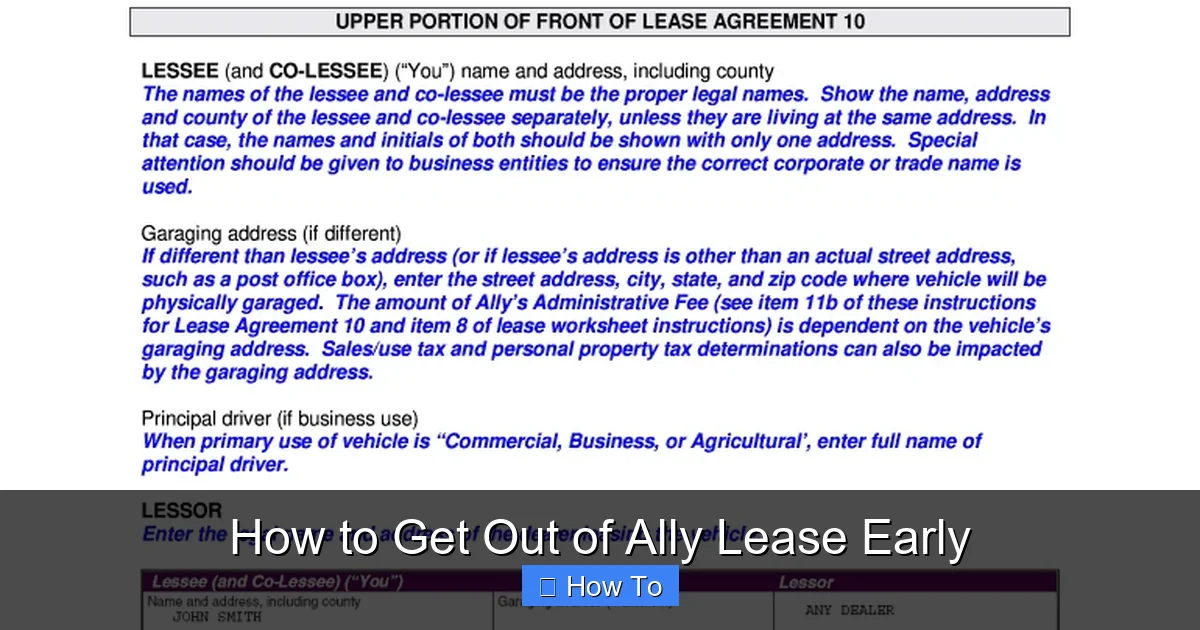
Before you do anything else, pull out your lease contract and read it carefully. I know. Lease contracts are long and full of confusing words. But this document holds the answers to almost every question you have.
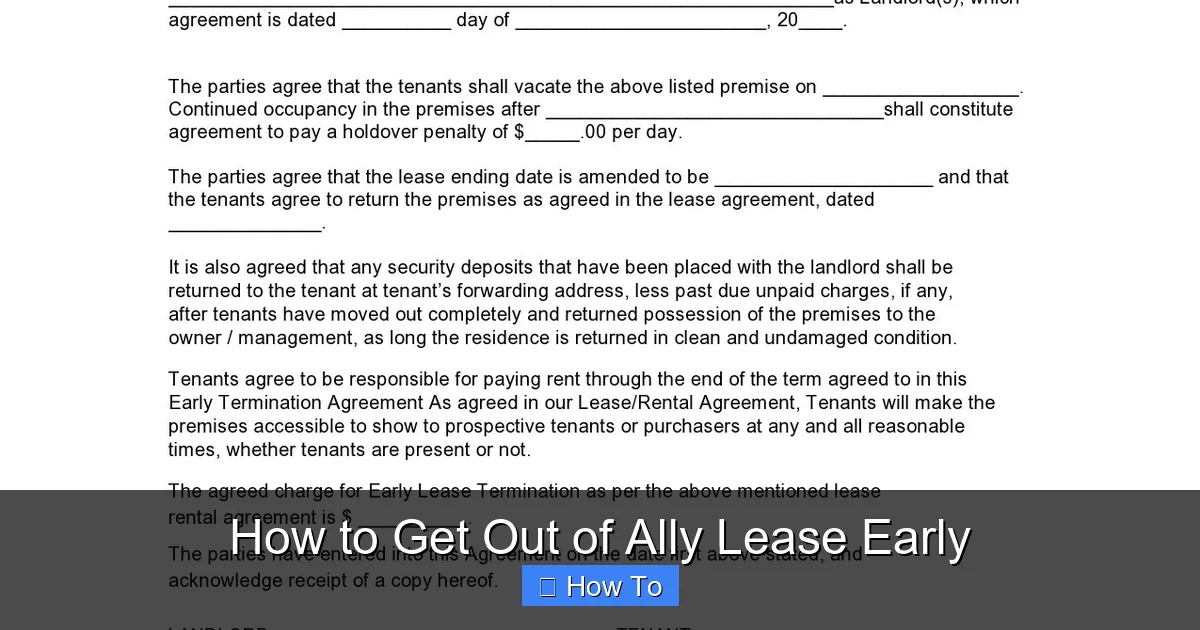
Visual guide about How to Get Out of Ally Lease Early
Image source: templatelab.com
What to Look For in Your Contract
Your Ally lease contract should spell out the early termination process. Look for these key things:
- Early termination fee: This is the amount you owe if you break the lease early.
- Remaining payments: You usually have to pay the rest of your monthly payments.
- Excess wear and tear charges: Damage beyond normal use adds to your bill.
- Mileage overage fees: If you went over your mileage limit, you owe extra per mile.
- Disposition fee: This is a charge Ally adds at the end of any lease.
Once you know these numbers, you can figure out your real cost to exit the lease. Sometimes the total shock value helps you decide whether to keep the car or let it go.
Why the Contract Matters So Much
Your contract is your legal roadmap. Every clause matters. Some contracts are stricter than others. Some allow early buyouts with no penalty. Others lock you in until the very end. Knowing this helps you plan your next move.
Option One: Early Lease Termination
Early termination means you tell Ally you want to end the lease before the scheduled date. You simply return the car and pay the fees. This is the most direct way to get out of a lease, but it is also often the most expensive.
Visual guide about How to Get Out of Ally Lease Early
Image source: signnow.com
How Much Does Early Termination Cost?
On average, early termination costs add up to several thousand dollars. You may need to pay:
- The remaining lease payments
- An early termination fee (often $300 to $500)
- Excess mileage charges
- Wear and tear repairs
- A disposition fee
For example, if you have 12 months left on your lease at $300 per month, that is $3,600 just in payments. Add a $400 termination fee plus $500 in wear charges, and your total could hit $4,500.
When Early Termination Makes Sense
Early termination is best when you need to exit fast and you have the cash to cover the fees. It is also a good choice when the car is worth less than what you owe, because there is no equity to lose.
Option Two: Lease Transfer or Lease Swap
A lease transfer is when someone else takes over your lease. You basically hand the keys to another driver. They make the payments, and you walk away. This is one of the most popular ways to get out of a lease early.
Visual guide about How to Get Out of Ally Lease Early
Image source: leaseagreements.com
How a Lease Transfer Works
The process is simple. You find someone who wants to take over your lease. They apply and get approved by Ally. Once approved, the contract transfers to their name. You are officially free of the lease.
Where to Find Someone to Take Your Lease
You can find lease transfer partners in several places:
- Lease swap websites: Sites like SwapALease and LeaseTrader connect you with people looking to take over leases.
- Social media groups: Facebook has many lease transfer groups where people post their cars.
- Your own contacts: Sometimes a friend, family member, or coworker needs a car.
Costs of a Lease Transfer
Ally may charge a transfer fee. This fee can range from $75 to $300 depending on your contract. Some leases also allow you to collect a payment from the person taking over your lease. This payment is called a lease assumption fee. It helps you recover some of your costs.
Benefits of a Lease Transfer
This option lets you exit without paying huge early termination fees. You also avoid damage to your credit. And the new driver gets a shorter lease term, which can be appealing.
Option Three: Lease Buyout
Another option is to buy the car yourself. Ally lets you purchase the vehicle at any point during your lease. The buyout price is set in your contract and is called the residual value.
How the Buyout Works
You pay Ally the residual value listed in your contract. If your contract says the residual is $18,000, you pay that amount. Then the car is yours. You can keep it, sell it, or trade it in.
When a Buyout Makes Sense
A buyout is smart when the car is worth more than the residual value. This is called positive equity. For example, if your buyout price is $18,000 but the car is worth $21,000 in the market, you gain $3,000 in equity. You can sell the car and pocket the profit.
It also makes sense if you love the car and want to keep driving it. Just remember to check the title transfer process so everything is handled properly.
What If the Car Is Worth Less Than the Buyout?
This is called negative equity. You still can buy the car, but you would owe more than it is worth. This is usually not a good idea unless you plan to keep the car for a long time.
Option Four: Voluntary Repossession
Voluntary repossession means you return the car to Ally and stop making payments. It is one of the last options people consider. And for good reason. It comes with serious consequences.
How Voluntary Repossession Works
You call Ally and tell them you want to give the car back. They arrange a time and place for the return. You turn in the vehicle and walk away. Sounds simple, right? It is not that simple.
The Real Consequences
Voluntary repossession has major downsides:
- Credit score damage: Your credit score can drop by 100 points or more.
- Outstanding balance: Ally can still come after you for the remaining lease balance after selling the car.
- Collection accounts: The debt may be sent to collections, which adds more credit damage.
- Future loan trouble: Lenders may refuse you for years after a repossession.
When This Option Makes Sense
Voluntary repossession only makes sense if you cannot afford the payments and have no other choice. It should always be the last resort. Always try lease transfer or negotiation first.
Option Five: Negotiate with Ally Directly
One of the smartest things you can do is pick up the phone and call Ally. Many lessees do not realize they can negotiate. Ally wants to keep customers happy. They may work with you to find a solution.
What to Ask Ally
When you call, ask these questions:
- Can they reduce my early termination fee?
- Can they waive the disposition fee?
- Can they extend my lease to lower monthly payments?
- Are there any hardship programs available?
For example, if you lost your job, Ally may offer a payment deferral. If your car has high mileage, they may reduce the overage charges. You never know until you ask.
Tips for Successful Negotiation
Here are some simple ways to improve your odds:
- Be polite and patient.
- Have your contract ready to reference.
- Explain your situation clearly.
- Ask for a supervisor if the first person cannot help.
- Get any agreement in writing.
You can also learn more about managing car issues like resetting lights or handling lease extensions through our related guides. For instance, if you want to know how to reset a Toyota maintenance light, we have step-by-step help.
Common Mistakes to Avoid When Ending an Ally Lease Early
Getting out of a lease early can be stressful. But avoiding common mistakes can save you hundreds or even thousands of dollars.
Mistake One: Just Stopping Payments
Never just stop making payments and hope for the best. This leads to repossession and collections. It damages your credit for years. Always contact Ally first.
Mistake Two: Ignoring the Mileage and Wear Rules
Many lessees forget about mileage overages and wear charges. These costs add up fast. Before you return the car, check your mileage and inspect for any issues. Fix small things yourself to save money.
Mistake Three: Waiting Too Long to Act
The longer you wait, the fewer options you have. If you know you want out, start the process right away. You have more choices early in the contract.
Mistake Four: Not Reading the Fine Print
Always read your contract before signing anything new. Some lease transfers and buyouts have hidden fees. Make sure you understand every charge before agreeing.
Step-by-Step Action Plan to Get Out of Your Ally Lease
Now that you know your options, here is a simple action plan to follow:
Step 1: Review Your Contract
Pull out your lease and read every page. Note the residual value, mileage limits, and fees.
Step 2: Calculate Your Total Cost
Add up remaining payments, termination fees, and any expected charges. Know your real cost.
Step 3: Compare Your Options
Look at early termination, lease transfer, buyout, and negotiation. Pick the one that saves you the most money.
Step 4: Take Action
If you choose lease transfer, post your car on swap sites. If you choose buyout, check your car’s market value. If you choose negotiation, call Ally.
Step 5: Document Everything
Keep records of all calls, emails, and payments. This protects you if any issues come up later.
Final Thoughts on Getting Out of an Ally Lease Early
Getting out of an Ally lease early might feel overwhelming. But with the right knowledge, you can do it without losing your shirt. The key is to take action early, know your contract, and explore every option.
Whether you choose a lease transfer, buyout, or negotiation, the important thing is to make an informed choice. Do not let fear of fees stop you from finding a better path. Thousands of people end leases early every year, and most do it without major financial damage.
Take a deep breath, review your numbers, and pick the option that fits your life best. You will be lease-free before you know it.
For more tips on managing your vehicle and lease questions, check out our guide on extending your Toyota lease if you are thinking about keeping your car a bit longer instead.
Frequently Asked Questions
Can I return my Ally leased car early without penalty?
Yes, but it is rarely free. Ally charges an early termination fee plus remaining payments. You can lower costs with a lease transfer or negotiation.
How much does it cost to break an Ally lease early?
Costs vary but usually include remaining payments, a termination fee, excess mileage, wear charges, and a disposition fee. Total costs often range from $2,000 to $5,000.
Does Ally allow lease transfers?
Yes, Ally allows lease transfers. You can transfer your lease to another approved driver. A small transfer fee may apply.
What happens if I just stop paying my Ally lease?
Stopping payments leads to repossession and possible collections. This severely damages your credit score and does not erase your debt.
Can I buy my leased car from Ally before the lease ends?
Yes, you can buy your leased car at any time. The price is the residual value stated in your contract.
Will breaking my Ally lease hurt my credit?
Early termination through proper channels does not damage your credit. However, voluntary repossession or missed payments do cause serious credit harm.