How Long Can I Extend My Toyota Lease?
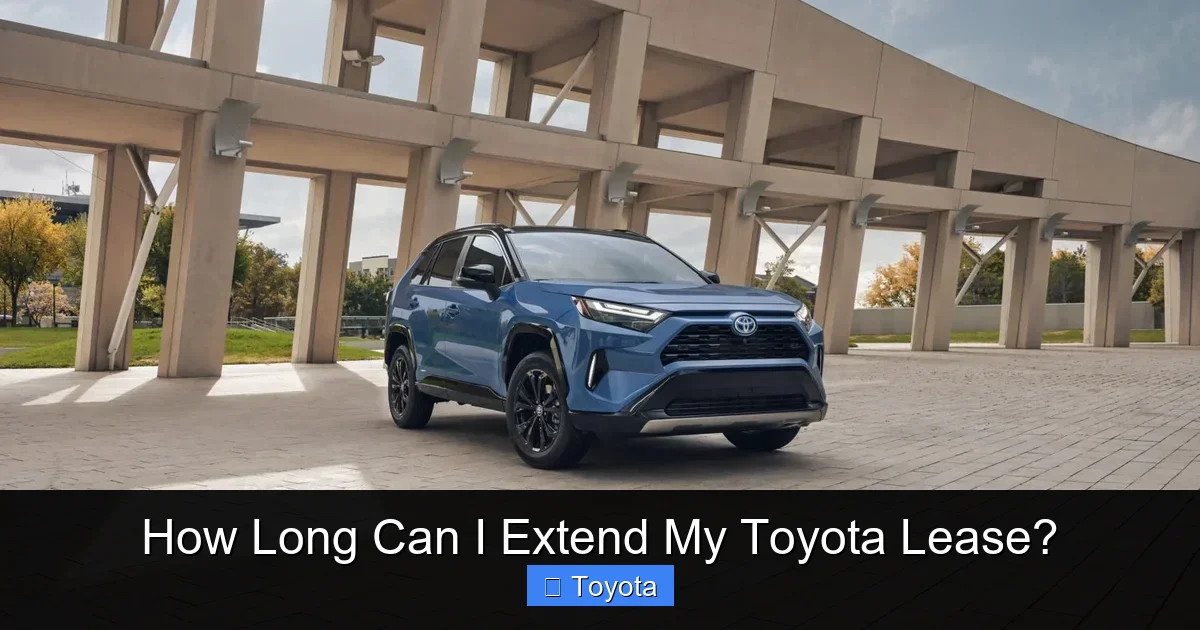
If you’re driving a Toyota and wondering how long you can extend your lease, the answer often depends on the lease agreement, mileage limits, and any extension fees. Most Toyota leases allow a one‑time extension of 12‑24 months, but you must act before the term ends and meet all conditions. Knowing your vehicle’s value and understanding the financial impact can help you decide whether extending is the right move.
When you first drove off the lot in a new Toyota, you probably loved the mix of reliability, low maintenance, and that familiar brand feel. After a few years, you might find yourself attached to the keys, the mileage, and the comfort of your daily driver. At that point, a common question pops up: “How Long Can I Extend My Toyota Lease?” Whether you’re looking to keep the same monthly payment, avoid the hassle of a new financing application, or simply want to hold onto a vehicle you know well, understanding the extension process is essential.
In this guide, we’ll break down everything you need to know about extending a Toyota lease. We’ll look at the legal rules, the financial side, step‑by‑step instructions, and even when it might be smarter to explore other options. By the end, you’ll have a clear roadmap to decide if extending your lease is the right move—or if it’s time to consider buying, trading, or leasing a new Toyota.
Key Takeaways
- Know Your Lease Terms: Review the original lease for extension windows, mileage caps, and any penalties.
- Extension Length Options: Most Toyota leases can be extended by 12‑24 months, but some manufacturers offer shorter periods.
- Cost Impacts: Extension fees, higher monthly payments, and potential depreciation affect total cost.
- Timing Is Critical: You typically must request an extension 30‑60 days before lease end to secure the best rates.
- Alternative Solutions: If extension isn’t cheap, consider buying the car, trading it in, or finding a new lessee.
- Use Online Tools: A car value calculator can help you gauge your Toyota’s current market worth.
- Check Trade‑In Value: Understanding trade‑in options gives you a realistic picture of what you could walk away with.
📑 Table of Contents
Understanding Toyota Lease Extensions
Before you dive into the extension process, you need to know what a lease extension actually is. In simple terms, a lease extension is an agreement with the leasing company to continue using the vehicle for an additional period after the original lease term ends. This is different from a lease renewal, which often involves a brand‑new lease with a different vehicle.
What the Lease Agreement Says
Your original Toyota lease contract is the rulebook. Most Toyota leases contain a clause that allows a one‑time extension, usually for 12‑24 months. Some leases are more restrictive, allowing only a 6‑month extension or none at all. The contract will also outline:
- Extension windows – often 30‑60 days before the lease ends.
- Maximum mileage allowed during the extension.
- Any extension fees or higher monthly payments.
- Conditions for early termination of the extension.
Always read the “Extension” or “Continuation” section of your lease. If you can’t find it, call Toyota Financial Services and ask for the extension policy for your specific lease.
Typical Extension Lengths
Most Toyota lease extensions fall into a few common patterns:
- 12‑Month Extension: The most common option. You keep the same vehicle for another year, often at a modest increase in monthly payment.
- 24‑Month Extension: Available on longer leases or newer models. This gives you two more years behind the wheel.
- 6‑Month Extension: Less frequent but can be useful if you need a short bridge while sorting financing.
Extension lengths can vary based on the lease’s remaining term. For example, if you have only 6 months left, the lease company may only offer a 6‑month extension.
Legal and Financial Considerations
Extending a Toyota lease isn’t just a paperwork shuffle; it has legal and financial implications you should weigh carefully. Ignoring these can lead to surprise fees, higher costs, or even breach of contract.
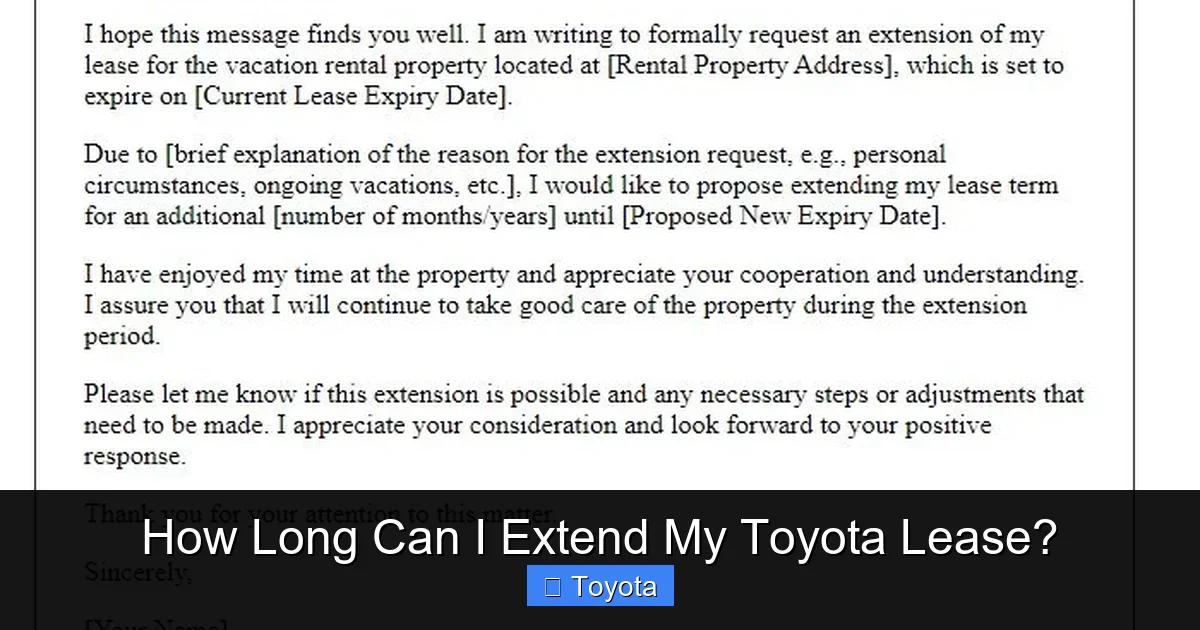
Visual guide about How Long Can I Extend My Toyota Lease?
Image source: aautomotives.com
Legal Obligations
When you sign an extension, you’re entering a new binding agreement. The lease company will typically require:
- A signed extension agreement.
- Payment of any extension fees up front.
- Compliance with mileage and condition requirements.
If you fail to meet the terms of the extension, you could be liable for the remaining balance of the lease, which can be steep.
Financial Impacts
Extending a lease means you’ll likely see changes in your payment structure:
- Higher Monthly Payments: Lenders often increase the monthly amount to account for the added risk of keeping the vehicle longer.
- Extension Fees: These can range from $200 to $500, depending on the lease and Toyota Financial.
- Depreciation: The longer you keep the car, the more it loses value. This can affect your ability to purchase the vehicle later.
- Insurance: Some insurers may raise rates if you extend a lease, especially if the vehicle is older.
It’s wise to run the numbers before signing. You can use a Toyota lease calculator or simply add up the new monthly payment plus any fees to see if the extension makes financial sense.
Step‑by‑Step Extension Process
Extending a Toyota lease might sound intimidating, but the process is straightforward if you follow the right steps. Keep your lease documents handy and be ready to provide some basic information.

Visual guide about How Long Can I Extend My Toyota Lease?
Image source: aautomotives.com
1. Review Your Lease
First, locate the section that covers extensions. Look for keywords like “Continuation,” “Extension,” or “Additional Term.” Make sure you understand the deadlines and any conditions.
2. Contact Toyota Financial Services
Call or email Toyota Financial Services at least 30‑60 days before your lease ends. Ask for the extension agreement and any required forms. Mention the mileage you expect to drive during the extension.
3. Get a Quote
Request a written quote for the extension. This will show you the new monthly payment, any fees, and the total cost for the additional term. Compare this quote to your current lease to gauge affordability.
4. Negotiate If Possible
While Toyota’s lease terms are often set, you can sometimes negotiate lower extension fees, especially if you have a spotless payment history. Mention any loyalty programs you belong to.
5. Sign the Extension Agreement
Once you’re satisfied with the terms, sign the extension agreement. Keep copies of all documents for your records. You’ll also need to set up payment for the new term, often via automatic bank draft.
6. Return the Vehicle (If Extending Past Purchase Option)
If your lease includes a purchase option at the end of the extension, you may need to decide whether to buy the car. Use tools like the Toyota car value calculator to estimate the buyout price.
Cost Implications and Money‑Saving Tips
Understanding the costs is half the battle. Here are some practical tips to keep your extension affordable and avoid hidden surprises.

Visual guide about How Long Can I Extend My Toyota Lease?
Image source: aautomotives.com
Calculate Total Cost
Instead of focusing only on the monthly payment, calculate the total cost of the extension. Add up:
- Monthly payments for the new term.
- Any extension or processing fees.
- Potential increases in insurance premiums.
Compare this total to the cost of other options, such as buying the car outright or leasing a new Toyota.
Keep Mileage in Check
Most Toyota lease extensions have mileage caps (often 12,000–15,000 miles per year). Exceeding these limits can trigger hefty overage charges. Plan your routes, combine errands, and keep a log of miles if necessary.
Maintain Good Condition
The lease company will inspect the vehicle at the end of the extension. Keep up with regular maintenance, replace worn tires, and clean interior surfaces. A well‑maintained car can also help you negotiate a lower buyout price.
Consider a Pre‑Payment Discount
Some lessors offer a discount if you pre‑pay the entire extension period. Ask Toyota Financial if they provide such an option; it can save you a few hundred dollars.
Explore Trade‑In Options
If the extension costs more than you expected, you might be better off trading in your Toyota now. Knowing your trade‑in value ahead of time helps you negotiate a fair deal. The Toyota trade‑in guide provides insight into typical trade‑in amounts.
Check Insurance Payout Potential
Before committing to an extension, review your current insurance policy. Some policies allow you to keep the same coverage without extra cost. If you need to increase coverage, compare rates from multiple insurers to find the best deal.
When to Consider Other Options
Even with a smooth extension process, extending a Toyota lease isn’t always the best choice. Here are scenarios where you might want to explore alternatives.
If Extension Fees Are Too High
Suppose the extension fee exceeds $500 or the new monthly payment is more than 20% higher than your current payment. In that case, consider buying the vehicle or finding a new lessee.
If the Vehicle Needs Major Repairs
Unexpected mechanical issues can make keeping the car costly. If you face a repair bill that exceeds a few hundred dollars, it might be smarter to lease a new Toyota or purchase a different used car.
If You’ve Outgrown the Vehicle
Changing family size, cargo needs, or driving preferences can make the current Toyota feel too small or outdated. A new lease or purchase might better match your lifestyle.
If You Want a Different Model
Sometimes the desire to upgrade to a newer Toyota model, like the latest RAV4 or a hybrid Prius, outweighs the convenience of extending the current lease.
Final Thoughts
Deciding how long you can extend your Toyota lease isn’t just about reading the fine print—it’s about weighing the legal obligations, financial impacts, and personal needs. By reviewing your lease agreement, contacting Toyota Financial Services early, and calculating the true cost of extension, you’ll be equipped to make an informed decision.
Remember to keep mileage in check, maintain the vehicle, and explore alternatives if the extension seems costly. Tools like the car value calculator and trade‑in guides can help you compare options side by side.
Ultimately, whether you extend your lease or choose a different path, the goal is to keep driving with confidence. A well‑planned extension can give you extra years with a reliable Toyota, while a well‑timed trade‑in or purchase can set you up for the next chapter of your automotive adventure.
Frequently Asked Questions
How long can I normally extend a Toyota lease?
Most Toyota leases allow a one‑time extension of 12‑24 months, though some may offer shorter periods. The exact length depends on your lease agreement and the remaining term.
What fees are involved in extending a Toyota lease?
Typical extension fees include processing charges (often $200‑$500) and higher monthly payments. Additional costs may arise from mileage overages or increased insurance premiums.
When should I request an extension?
You should contact Toyota Financial Services 30‑60 days before your lease ends. Requesting early gives you time to review quotes and negotiate better terms.
Can I extend a Toyota lease if I have exceeded the mileage limit?
Most lease extensions require you to stay within the mileage cap. Exceeding it can result in hefty overage fees, so it’s best to keep an eye on your annual mileage.
What happens if I decide not to extend the lease?
If you don’t extend, you can return the vehicle, purchase it at the residual value, or explore trade‑in options. Knowing your trade‑in value ahead of time helps you make the best choice.
Do I need to maintain the vehicle during the extension?
Yes, you’re responsible for regular maintenance and keeping the car in good condition. Proper upkeep can help you avoid penalties and may lower the purchase price if you later decide to buy.