How to Bypass Service Suspension System
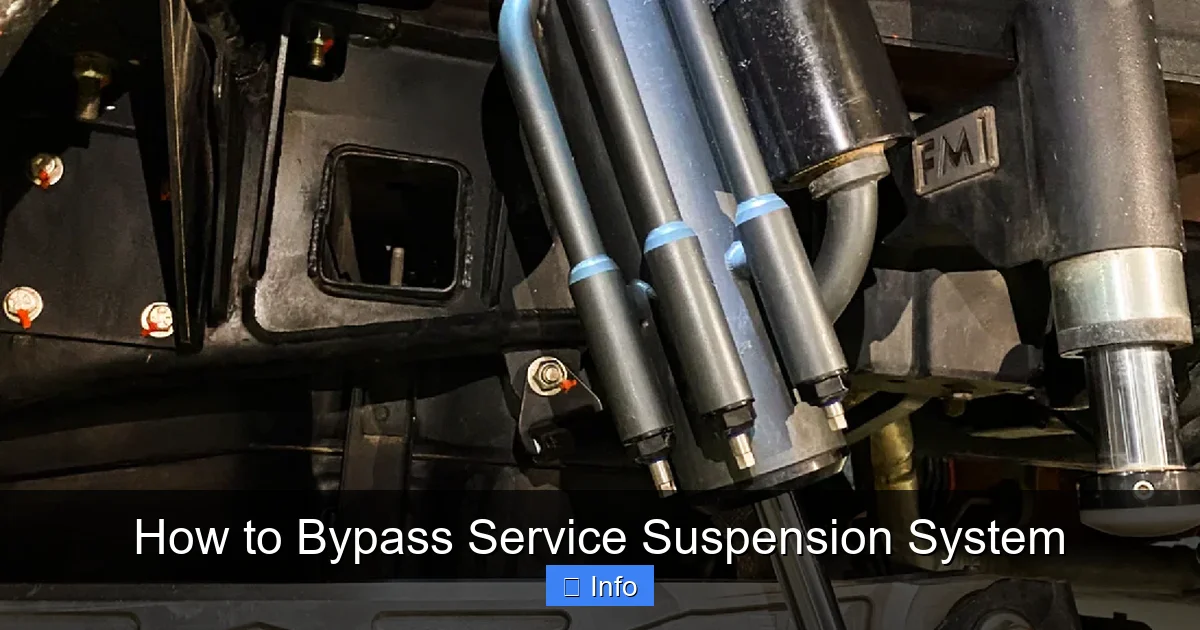
Bypassing a service suspension system can restore performance and save money. This guide shows safe steps, tools, and tips to do it right.
Key Takeaways
- Point 1: Identify why you want to bypass service suspension system before starting.
- Point 2: Gather the right tools before you begin.
- Point 3: Follow each step slowly and double‑check connections.
- Point 4: Test the system after you bypass service suspension system.
- Point 5: Keep records of any changes you make.
- Point 6: Refer to related guides like how to adjust coilovers for fine‑tuning.
📑 Table of Contents
What Is a Service Suspension System?
A service suspension system monitors ride height and dampening. It uses sensors and a control module. When it fails the car may ride rough. Many owners want to bypass service suspension system to avoid costly repairs.
Why It Matters
The system keeps the car level. It helps with handling and tire wear. If it stops working the car can feel unstable. Bypassing it can restore a simpler ride.
Reasons to Bypass Service Suspension System
There are several reasons people choose to bypass service suspension system.
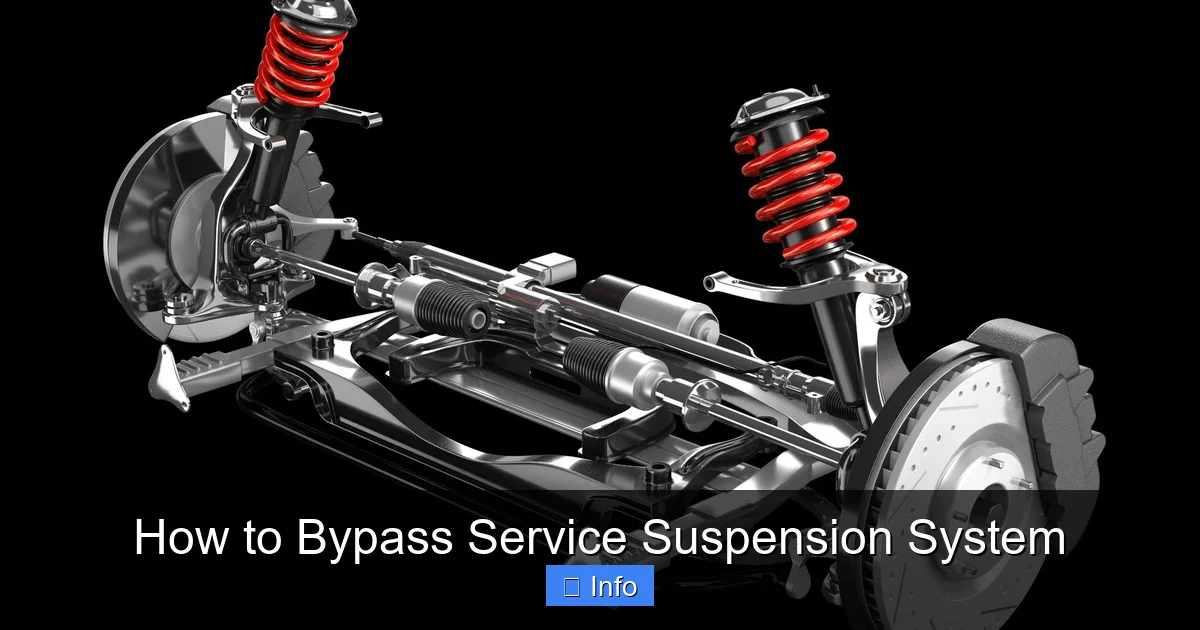
Visual guide about How to Bypass Service Suspension System
Image source: assets-global.website-files.com
Cost Savings
Repairing a faulty sensor can cost hundreds of dollars. Bypassing the system can save that money.
Performance Gains
Some drivers feel the car is more responsive without the electronic limits. They report smoother acceleration.
Customization
Bypassing opens the door to aftermarket upgrades. You can fine‑tune ride height yourself.
Tools You Will Need
Having the right tools makes the job easier. You will need a basic socket set. A multimeter helps check voltage. A wiring diagram is essential. You may also need a screwdriver set.
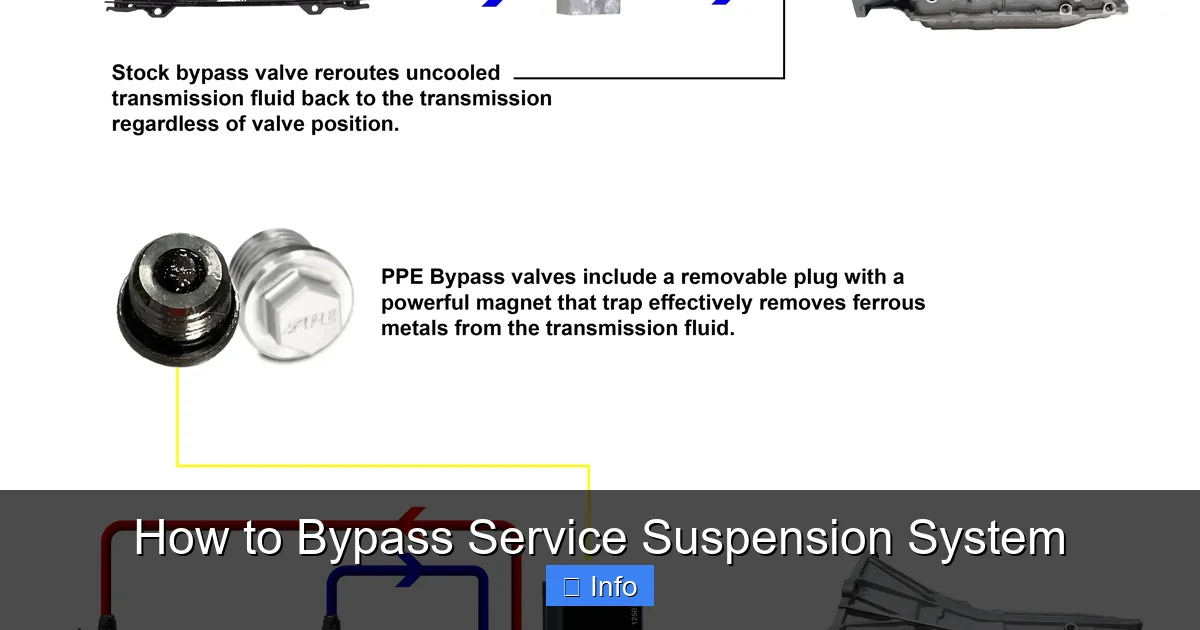
Visual guide about How to Bypass Service Suspension System
Image source: ppepower.com
Recommended Tools
Consider using a torque wrench for tight bolts. A heat gun can help with stuck connectors. A flashlight improves visibility.
For detailed instructions on adjusting suspension components see how to adjust drag link.
Step‑by‑Step Guide to Bypass Service Suspension System
Follow these steps carefully. Each step builds on the previous one.
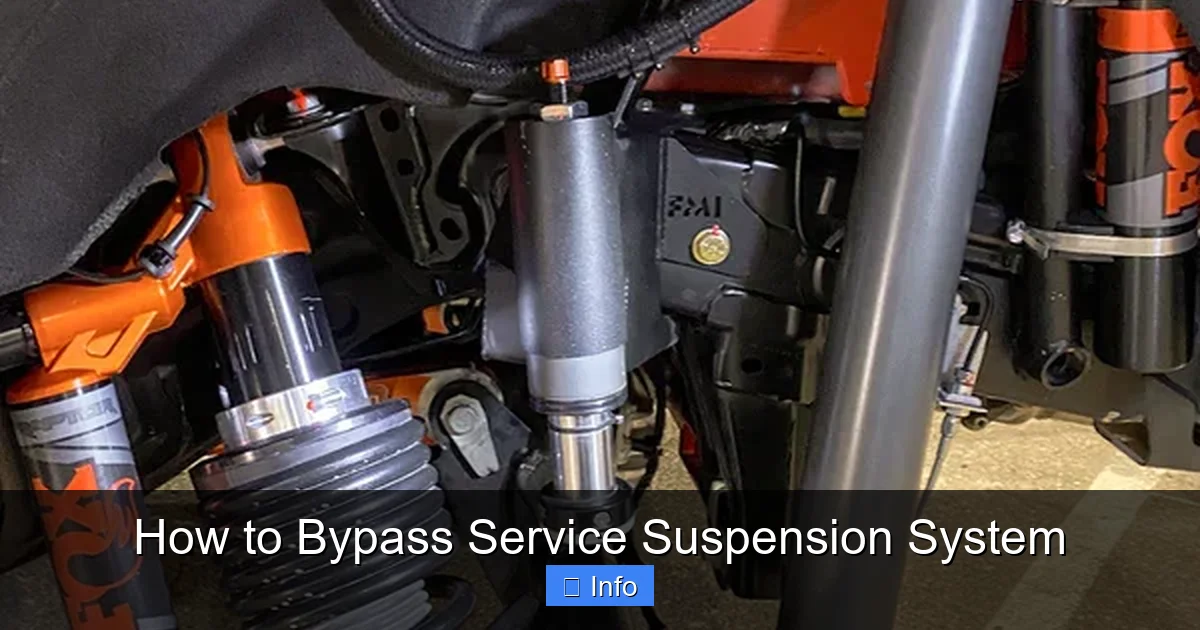
Visual guide about How to Bypass Service Suspension System
Image source: foutzmotorsports.com
Step 1: Disconnect Battery
Turn off the car. Remove the negative battery cable. Wait a few minutes. This prevents any electrical spikes.
Step 2: Locate the Control Module
The module is usually under the passenger seat. It may be behind a plastic cover. Use a screwdriver to remove the cover.
Step 3: Identify the Sensor Wires
Find the wires that feed the sensor. They are often color‑coded. Refer to the vehicle’s wiring diagram for exact colors.
Step 4: Cut and Splice the Wires
Cut the sensor wire near the connector. Strip about half an inch of insulation. Twist the stripped ends together. Use a wire nut to secure them.
Step 5: Insulate the Connection
Wrap the splice with electrical tape. Make sure no bare wire is exposed. This prevents short circuits.
Step 6: Reconnect Battery
Reattach the negative battery cable. Turn the key to the on position. Check if any warning lights appear.
Step 7: Test the System
Drive the car slowly. Feel for any abnormal vibrations. If everything feels normal you have successfully bypassed service suspension system.
For more on adjusting coilovers see how to adjust coilovers.
Safety Tips and Common Mistakes
Working with electrical systems can be dangerous. Follow these safety tips.
Tip 1: Wear Insulated Gloves
They protect you from accidental shocks.
Tip 2: Double‑Check Connections
Loose wires can cause intermittent problems.
Mistake 1: Skipping the Battery Disconnect
Skipping this step can fry the vehicle’s ECU.
Mistake 2: Using the Wrong Wire Gauge
Thin wires may overheat. Always use the gauge specified in the diagram.
Maintaining Your Setup After Bypass
After you bypass service suspension system you should still monitor the car. Check the ride height regularly. Listen for unusual noises. If you notice a change in handling adjust the coilovers.
Regular Checks
Inspect the spliced wires every few months. Look for signs of wear.
Adjusting After Bypass
If the car sits too low you can raise it by turning the coilover adjuster. Use a wrench to turn clockwise.
Refer to how to adjust coilovers for detailed steps.
Frequently Asked Questions
Can I revert the bypass later?
Yes you can reconnect the sensor wires and restore the original settings. Keep the original wiring diagram handy.
Will bypassing affect my warranty?
Most manufacturers consider bypassing a modification. It may void parts of the warranty.
Do I need a professional mechanic?
If you are uncomfortable with electrical work you should seek a professional. A mechanic can verify the bypass is safe.
Will the car pass emissions testing?
The suspension system does not affect emissions. You should still pass emissions tests.
How long does the bypass last?
The bypass is permanent unless you choose to restore the original system. It can last the life of the vehicle.
Is there a risk of error codes?
If the sensor wires are not properly spliced you may get error codes. Double‑check all connections before driving.
Can I use this method on other vehicles?
Yes the same basic steps apply to many makes and models. Always consult the specific wiring diagram for your vehicle.
Frequently Asked Questions
What is How To Bypass Service Suspension System?
How To Bypass Service Suspension System is an important topic with many practical applications.