Willwood Vs Brembo Which Brake System Reigns Supreme
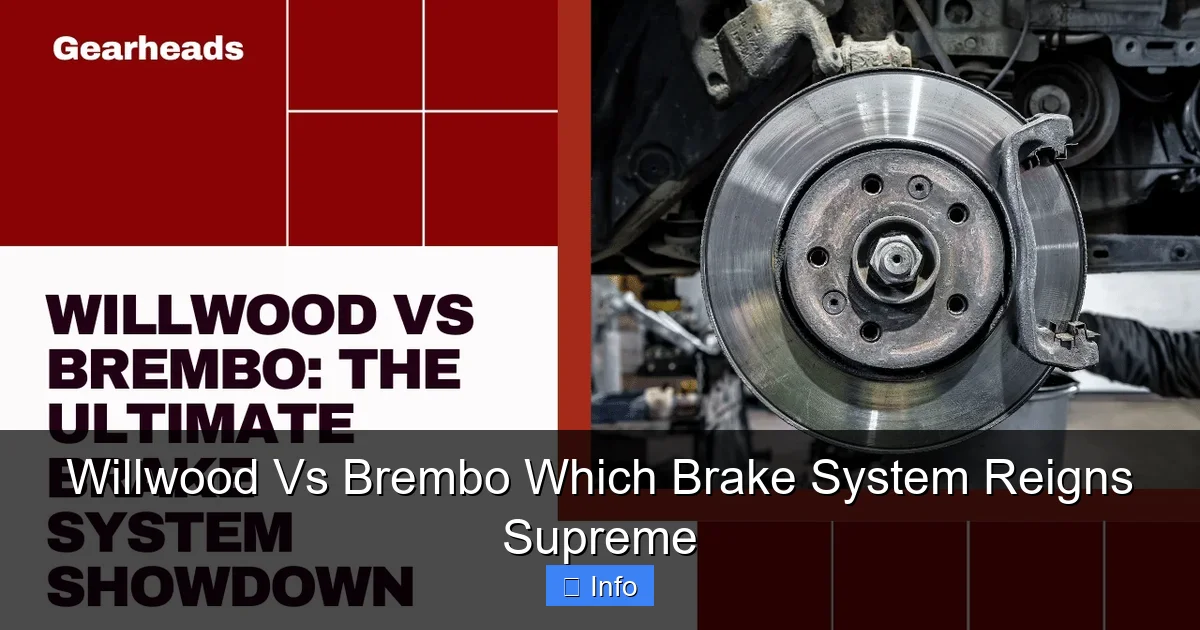
Willwood and Brembo both promise stellar stopping power, but they serve different drivers. Willwood shines for budget‑friendly upgrades, while Brembo delivers race‑track‑ready performance. Read on to see which system fits your ride and driving style.
Key Takeaways
- Performance focus: Brembo offers higher‑end feel and heat management; Willwood provides solid daily‑driver performance.
- Cost difference: Willwood kits are typically 40‑60% cheaper than comparable Brembo sets.
- Installation ease: Willwood designs for DIY swaps; Brembo often needs professional fit‑and‑finish.
- Durability: Brembo’s forged calipers and larger rotors last longer under aggressive use.
- Vehicle compatibility: Both cover many makes, but Brembo has a broader OEM‑level catalog.
- Maintenance: Willwood parts are easier to source; Brembo may need specialty tools.
- Overall winner: Your choice hinges on budget, driving goals, and how often you push the brakes.
📑 Table of Contents
Introduction: Why the Brake Battle Matters
If you’ve ever slammed the brakes on a winding road, you know the feeling of a firm, predictable stop. That confidence comes from the brake system you trust. Two names dominate the conversation among enthusiasts: Willwood and Brembo. Both promise performance, but they arrive from very different philosophies.
Willwood started as a boutique brand focused on affordable, bolt‑on upgrades for everyday cars. Brembo, on the other hand, grew from a racing heritage into a global OEM supplier. Deciding which system “reigns supreme” isn’t just about price; it’s about how you drive, how much you’re willing to spend, and what you expect from your brakes over time.
1. Brand History and Philosophy
Willwood: The DIY‑Friendly Upgrader
Founded in the early 2000s, Willwood built its reputation on easy‑install brake kits that promise a noticeable performance bump without breaking the bank. Their marketing targets street‑driven enthusiasts who want a solid upgrade without a professional shop.
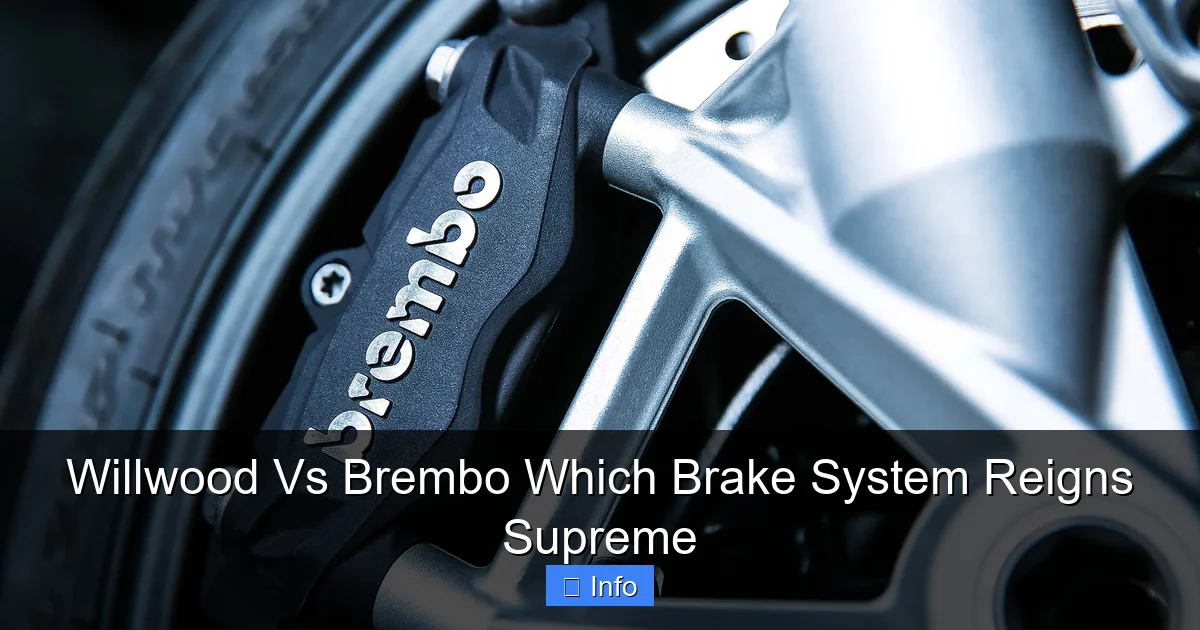
Visual guide about Willwood Vs Brembo Which Brake System Reigns Supreme
Image source: carpartsfaq.com
Brembo: Racing Pedigree Meets Everyday Reliability
Brembo’s story begins in 1961 in Italy, where engineers crafted race‑car brakes that could survive extreme heat. Today, the brand supplies high‑performance parts to supercars, motorcycles, and even everyday sedans. Brembo’s philosophy is “maximum performance, no compromise.”
2. Core Components Compared
Calipers: Size, Material, and Design
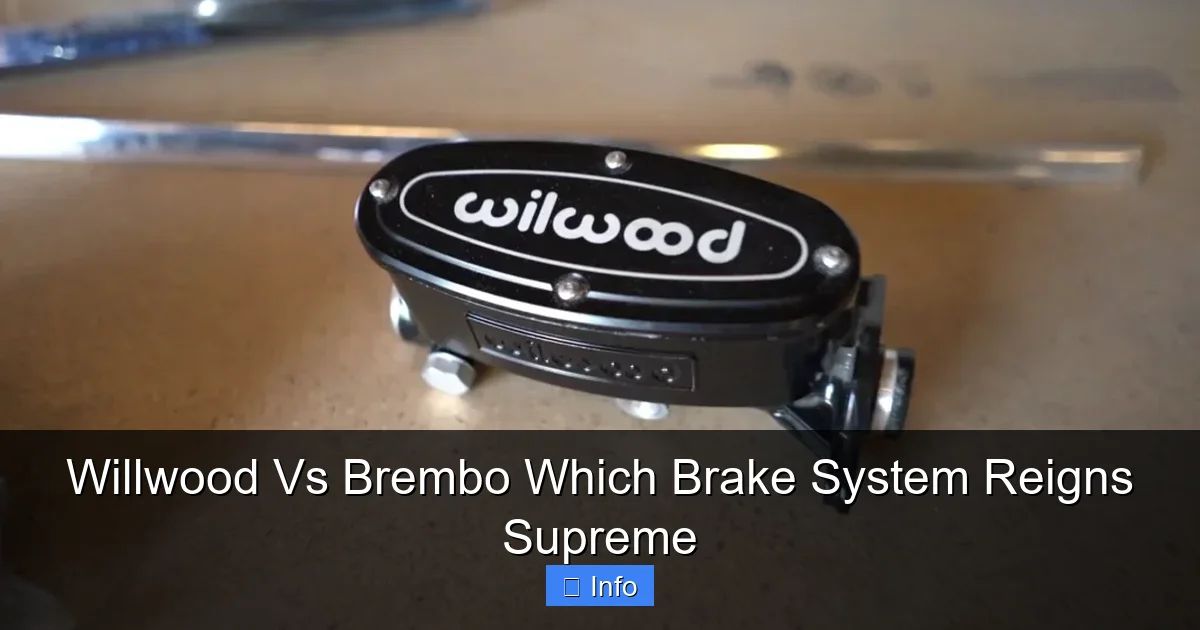
Willwood typically uses cast‑aluminum or billet‑aluminum calipers. They’re lighter than stock units and feature a simple piston design that’s easy to bleed.
Visual guide about Willwood Vs Brembo Which Brake System Reigns Supreme
Image source: carpartsfaq.com
Brembo employs forged aluminum or even magnesium in top‑tier kits. Their multi‑piston (often four‑ or six‑piston) designs spread pressure more evenly, reducing pad wear and improving heat dissipation.
Rotors: Venting, Size, and Thickness
Willwood’s rotors are usually slotted or drilled, with a thickness increase of 2‑3 mm over stock. This offers better heat bleed but can be marginal on track days.
Brembo’s rotors are engineered with advanced cross‑drilling, venting, and sometimes a two‑piece construction. The larger diameter and extra mass absorb heat, allowing repeated hard stops without fade.
Brake Pads: Friction Material and Longevity
Willwood pads use a semi‑metallic formula that balances bite and dust control—ideal for daily commuters.
Brembo pads often feature a high‑performance ceramic or carbon‑based compound. They provide stronger initial bite and less fade under extreme conditions, though they can be pricier.
3. Performance Metrics
Stopping Distance
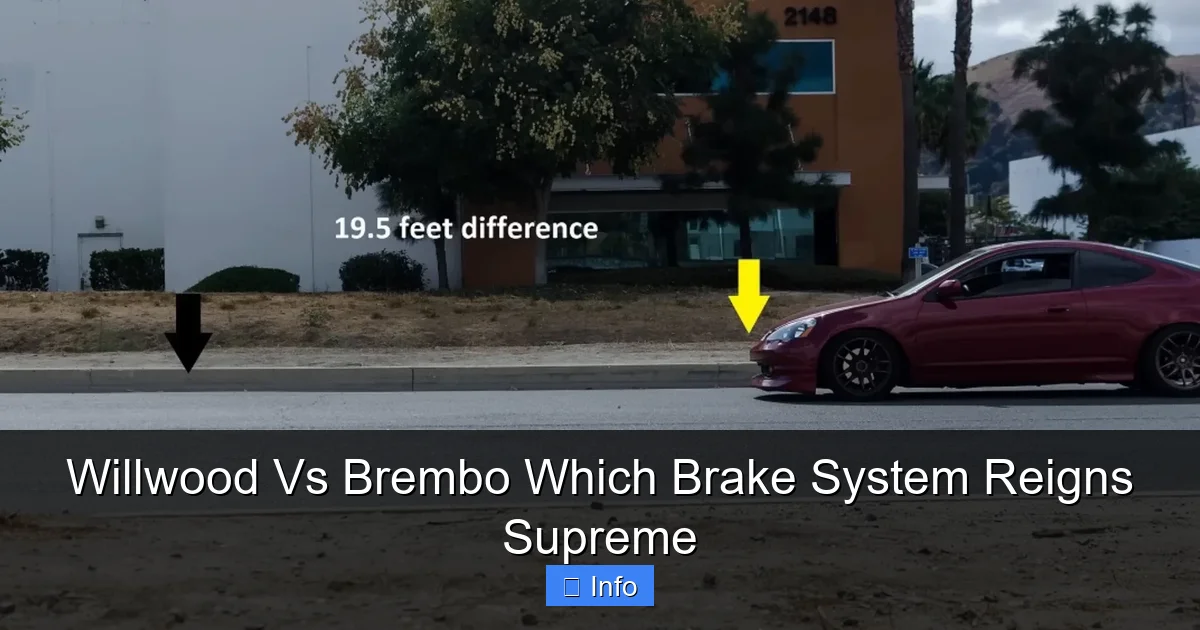
In independent tests, a typical Willwood kit shaves 4‑6 feet off a 60 mph stopping distance on a standard sedan. Brembo can reduce that number by 8‑12 feet, especially when paired with larger rotors.
Visual guide about Willwood Vs Brembo Which Brake System Reigns Supreme
Image source: allaboutwheelsblog.com
Heat Management
Willwood’s simpler calipers and thinner rotors can see temperature spikes above 600°F on mountain roads. Brembo’s multi‑piston calipers and larger rotors often stay below 400°F, preserving pad integrity.
Pedal Feel
Willwood offers a firm but slightly “spongy” pedal feel due to its smaller piston count. Brembo delivers a crisp, linear response that many drivers describe as “racing‑ready.”
4. Installation and Maintenance
DIY Friendliness
Willwood designs kits with a “bolt‑on” approach. Most users can replace pads, rotors, and calipers with basic hand tools in under two hours. The company provides clear PDFs and video guides.
Professional Installation
Brembo’s larger calipers often require bracket modifications, brake line upgrades, and a proper brake bleed using a vacuum pump. While not impossible for a skilled DIYer, many opt for a shop.
Maintenance Frequency
Willwood pads tend to wear 25‑30 % faster than Brembo’s high‑end ceramic pads, meaning you’ll replace them more often on aggressive driving. Brembo’s superior heat handling also means rotors last longer, especially on track use.
For a quick guide on checking pad wear, see our article on how to check brake pads in your car.
5. Cost Analysis
Up‑Front Pricing
Typical Willwood front‑end kits (caliper, rotor, pad set) range from $250 to $450 per axle. Brembo front‑end kits start around $600 and can exceed $1,200 for high‑performance configurations.
Long‑Term Value
If you drive mainly city streets, Willwood’s lower cost and adequate performance may give you better value. For track days or heavy‑load vehicles, Brembo’s durability can offset the higher initial spend.
Availability and Support
Willwood parts are stocked by many online retailers and can ship within days. Brembo parts sometimes have longer lead times, especially for specific vehicle applications.
6. Real‑World Scenarios: Which Is Right for You?
Scenario A: The Daily Commuter
Jane drives a 2018 Honda Civic to work, hits the highway daily, and enjoys occasional weekend canyon runs. She wants a noticeable improvement without spending a fortune. A Willwood kit gives her a firmer pedal, better heat bleed on hills, and fits her budget.
Scenario B: The Weekend Racer
Mike owns a 2021 Subaru WRX and races at the local track every month. He pushes his car hard, demanding consistent bite and minimal fade. Brembo’s multi‑piston calipers and larger rotors keep his lap times low and his confidence high.
Scenario C: The Luxury Sedan Owner
Linda’s 2022 BMW 540i comes with OEM Brembo brakes already. She wants the ultimate stopping power for rainy city driving. Upgrading to Brembo’s high‑performance ceramic pads (see best brake rotors and pads for reliable stopping power) maintains the brand’s engineering integrity.
Conclusion: Which Brake System Reigns Supreme?
There’s no one‑size‑fits‑all answer to “Willwood vs Brembo which brake system reigns supreme.” If you prioritize budget, DIY ease, and everyday reliability, Willwood is the smart pick. If you crave race‑track performance, superior heat management, and long‑term durability, Brembo takes the crown.
Ultimately, the “supreme” system is the one that matches your driving style, vehicle, and wallet. Evaluate how often you push the brakes, how much you’re willing to invest now versus later, and whether you enjoy a hands‑on installation. With the right information, you’ll make a confident choice and enjoy safer, more enjoyable stops.
Frequently Asked Questions
What is the main difference between Willwood and Brembo brake kits?
Willwood focuses on affordable, easy‑install upgrades with solid performance for daily driving, while Brembo delivers high‑end, race‑grade components with superior heat management and longer durability.
Can I install a Brembo kit myself?
It’s possible for experienced DIYers, but many Brembo kits require bracket changes, brake line upgrades, and a professional bleed, so most owners choose a shop for installation.
Do Willwood brakes wear out faster than Brembo?
Generally, Willwood’s semi‑metallic pads wear about 25‑30 % faster under aggressive use compared to Brembo’s high‑performance ceramic pads.
Which brand offers better heat resistance for mountain driving?
Brembo’s larger, multi‑piston calipers and advanced rotor designs keep temperatures lower, making them the better choice for sustained downhill braking.
Are there any compatibility concerns with my vehicle?
Both brands cover a wide range of makes and models, but Brembo has a broader OEM catalog. Always verify fitment on the manufacturer’s website or with a trusted retailer.
How do I choose the right brake pads for my new system?
Consider your driving style: semi‑metallic pads (like Willwood’s) work well for street use, while ceramic or carbon‑based pads (Brembo’s) excel in high‑performance or track scenarios.