How to Break Loose Crank Pulley Bolt
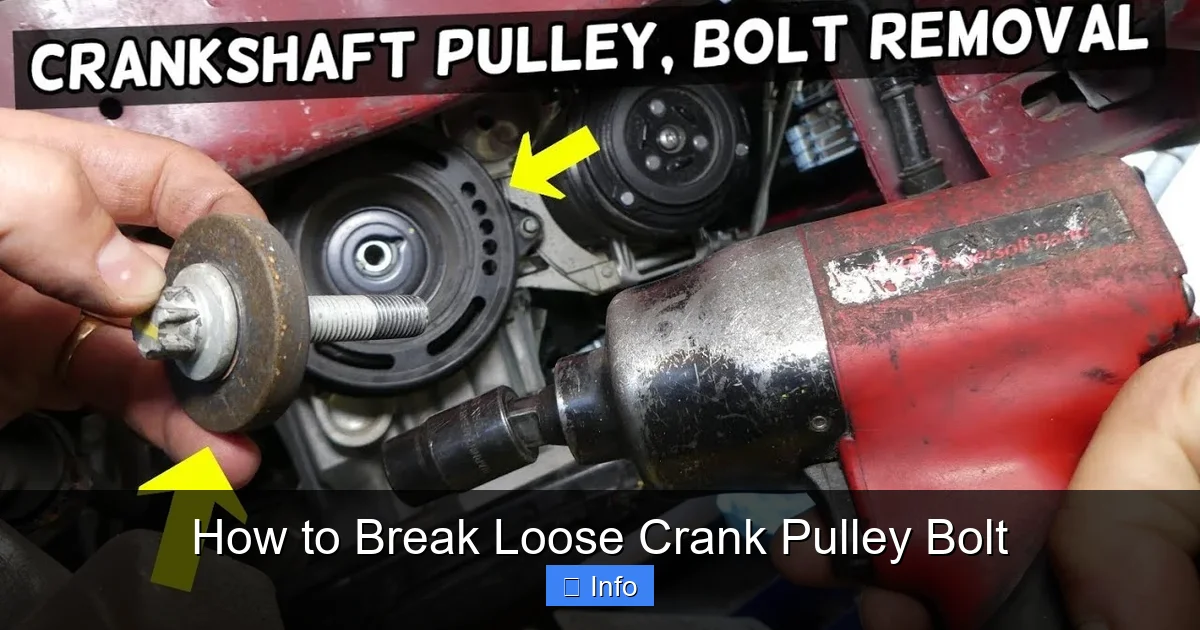
Removing a stuck crank pulley bolt can be one of the most frustrating challenges in automotive repair. This comprehensive guide walks you through proven methods, essential tools, and safety precautions to successfully break loose even the most stubborn crank pulley bolts. From impact wrenches to penetrating oils, we cover everything you need to know.
Key Takeaways
- Safety First: Always disconnect the battery and use proper eye protection when attempting to break loose crank pulley bolts.
- Right Tools Matter: Having the correct socket size, breaker bar, and impact wrench makes the job significantly easier.
- Penetrating Oil Works: Apply quality penetrating oil like PB Blaster or Liquid Wrench and let it soak for maximum effectiveness.
- Engine Lock Required: Use a flywheel holder or jam the starter teeth to prevent engine rotation during removal attempts.
- Heat Can Help: Carefully applying heat to the bolt head can expand the metal and break corrosion bonds.
- Impact Method: An air impact wrench or electric impact driver provides the sudden force needed for stubborn bolts.
- Patience Pays: Don’t rush the process – multiple applications of penetrating oil over time yield better results.
📑 Table of Contents
Understanding the Crank Pulley Bolt Challenge
The crank pulley bolt sits at the heart of your engine’s accessory drive system, connecting the harmonic balancer to the crankshaft. This bolt endures tremendous stress from the engine’s rotation, and over time, it can become virtually welded in place through heat cycling, vibration, and corrosion. Many DIY mechanics have stood staring at this stubborn fastener, wondering how to break loose crank pulley bolt that seems impossible to move.
This bolt typically requires anywhere from 150 to 250 foot-pounds of torque to remove, depending on your vehicle’s specifications. Unlike other bolts that might loosen with steady pressure, the crank pulley bolt often needs a combination of techniques to overcome the years of accumulated resistance. Understanding why this bolt is so difficult to remove is the first step toward conquering it.
Before diving into removal techniques, it’s crucial to understand what you’re dealing with. The harmonic balancer absorbs engine vibration, and its bolt must withstand constant rotational forces. This creates tremendous friction between the bolt threads and the crankshaft, making removal challenging after years of service.
Essential Tools and Preparation
Visual guide about How to Break Loose Crank Pulley Bolt
Image source: fixmyoldride.com
Gathering the Right Equipment
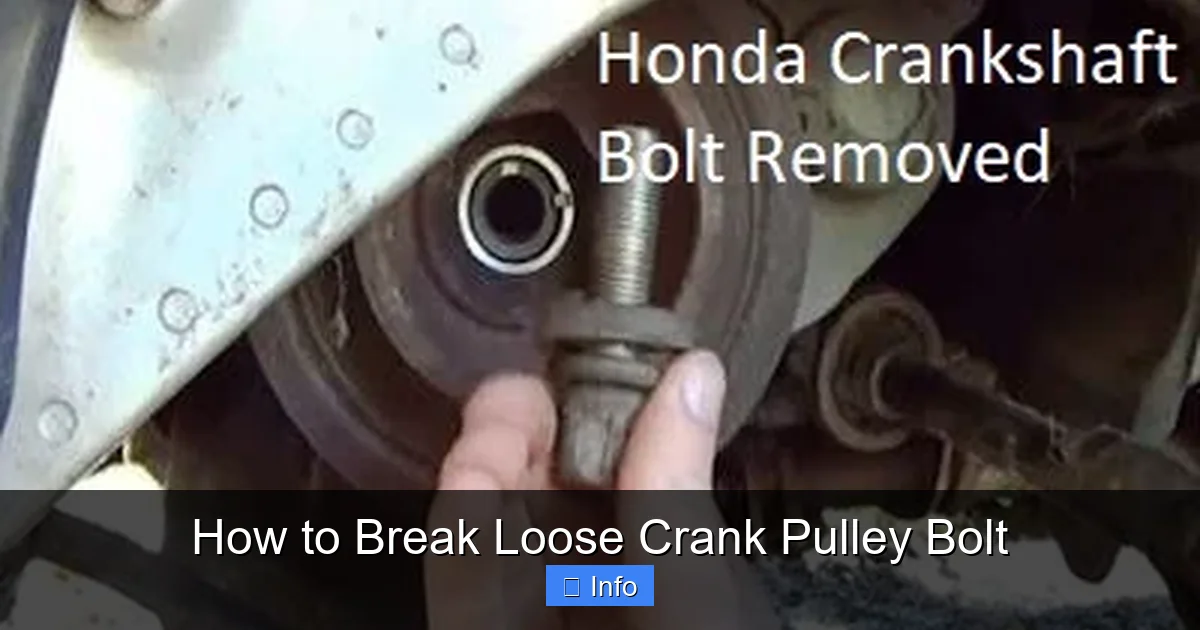
Success in breaking loose crank pulley bolt starts with having the proper tools on hand. You’ll need a socket wrench set with the correct size socket (typically 17mm, 19mm, or 22mm), a sturdy breaker bar at least three feet long, and ideally an impact wrench for maximum effectiveness. A quality penetrating oil like PB Blaster or Kroil should be applied liberally and allowed to soak for several hours.
Other helpful items include a flywheel holder tool or a piece of wood to jam between the starter ring gear and the engine block. Safety glasses are absolutely essential since rust and debris can fly when the bolt finally breaks free. Work gloves protect your hands from cuts and provide better grip on slippery tools.
Having your tools organized and within reach prevents dangerous situations where you’re reaching for equipment while applying force to the bolt. A clean workspace also reduces the risk of dropping tools into the engine bay where they could cause serious damage.
Safety Precautions Before Starting
Never attempt to break loose crank pulley bolt without disconnecting the negative battery terminal first. This prevents accidental starter engagement while you’re working under the hood. The last thing anyone wants is for the engine to suddenly turn while applying maximum force to a socket.
Position your vehicle on level ground with the parking brake engaged. If you need to crawl underneath, use proper jack stands rather than relying on just a hydraulic jack. Keep a fire extinguisher nearby when using heat methods, and ensure good ventilation if working in a garage.
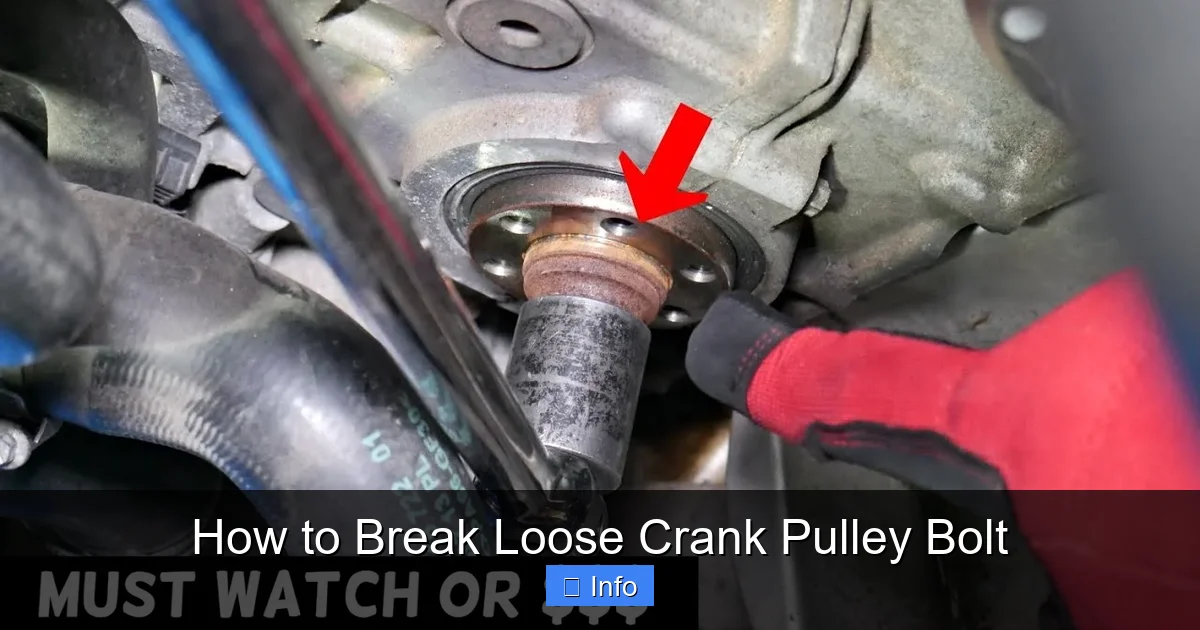
Check that your socket fits properly on the bolt head before applying significant force. A loose-fitting socket can round off the bolt corners, making an already difficult job nearly impossible. Take time to clean dirt and debris from around the bolt head to ensure proper socket engagement.
Step-by-Step Removal Techniques
Visual guide about How to Break Loose Crank Pulley Bolt
Image source: i.ytimg.com
Initial Assessment and Cleaning
Start by thoroughly cleaning the area around the crank pulley bolt. Use a wire brush or sandpaper to remove rust, dirt, and old grease that might interfere with your socket fit. Apply penetrating oil liberally around the bolt head and let it soak for at least 15 minutes before attempting removal.
Many mechanics recommend applying penetrating oil multiple times over several days for extremely stubborn bolts. Each application penetrates deeper into the threads, weakening the corrosion bonds that hold the bolt in place. The key is patience – rushing this step often leads to stripped bolts or broken tools.
After cleaning, inspect the bolt head carefully. Look for cracks, severe corrosion, or damage that might indicate the bolt needs replacement rather than removal. If the bolt looks compromised, consider professional assistance to avoid breaking it off in the crankshaft.
Preventing Engine Rotation
One of the biggest challenges when learning how to break loose crank pulley bolt is preventing the engine from turning. Without proper restraint, your efforts will simply spin the entire crankshaft rather than breaking the bolt loose. This wastes energy and can damage engine components.
Use a flywheel holder tool inserted into the bellhousing to grip the flywheel securely. If you don’t have this specialized tool, you can jam a piece of wood between the starter ring gear teeth and the engine block. The starter motor area provides access to insert blocking material safely.
For some engines, removing the spark plugs and using a socket on the crankshaft bolt provides enough resistance to prevent rotation. However, this method requires careful attention to ensure you’re not damaging the crankshaft threads during the process.
Applying Penetrating Oil and Heat
Quality penetrating oil is your best friend when trying to break loose crank pulley bolt. Products like PB Blaster, Liquid Wrench, or Kroil contain chemicals that dissolve rust and corrosion between the bolt and crankshaft threads. Apply liberally and give it time to work – don’t rush this crucial step.
After allowing the oil to soak, try gently tapping around the bolt head with a hammer. These light impacts help the penetrating oil work deeper into the threads. You can also try turning the bolt slightly in both directions to work the oil through the thread interface.
Heat application can be effective but requires caution. Use a propane torch to carefully heat the bolt head for 30-60 seconds, being careful not to overheat surrounding components. The metal expansion from heating can break the corrosion bonds holding the bolt in place. Never apply heat to aluminum components or near fuel lines.
Advanced Removal Strategies
Visual guide about How to Break Loose Crank Pulley Bolt
Image source: carpartsfaq.com
Impact Wrench Method
When manual methods fail, an impact wrench often provides the solution for breaking loose crank pulley bolt. The sudden, high-torque impulses break static friction more effectively than steady pressure. Air-powered impacts deliver tremendous force, while electric impacts offer more control for precision work.
Position the impact wrench squarely on the bolt head and ensure full socket engagement. Start with low air pressure or speed settings and gradually increase if needed. The goal is controlled impact delivery, not maximum force that might damage surrounding components.
If using an electric impact, make sure it’s rated for the torque requirements of your specific application. Many standard cordless impacts lack sufficient power for crank pulley bolts and may stall under load, potentially damaging the tool.
Breaking Loose Stubborn Bolts
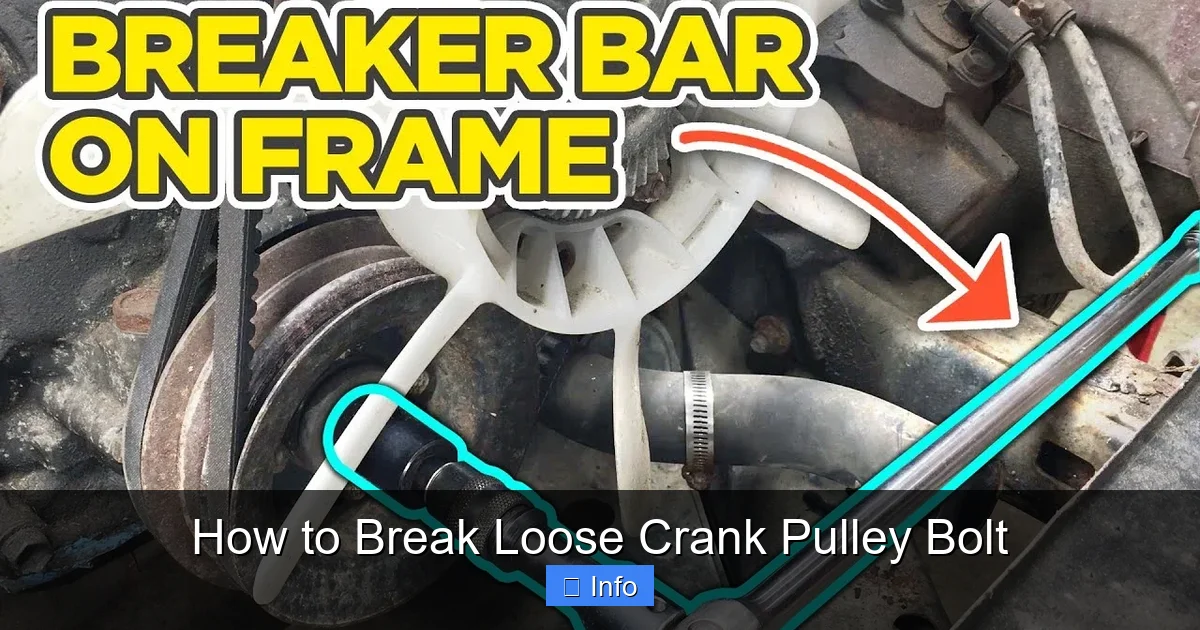
For bolts that refuse to budge, try the “shock and awe” approach. Apply penetrating oil, let it soak, then use a hammer to deliver sharp blows to the breaker bar handle while applying steady pressure. This combination of shock loading and torque often succeeds where either method alone fails.
Some mechanics swear by the “rocking” technique – alternately trying to turn the bolt slightly clockwise and counterclockwise to break corrosion bonds. This back-and-forth motion can gradually work the bolt loose without applying excessive direct force.
If the bolt still won’t move, consider using a specialized bolt-breaking tool or consulting a professional. Breaking off a crank pulley bolt creates a much more expensive and time-consuming repair situation that’s best avoided.
Common Mistakes and Troubleshooting
Avoiding Rounded Bolt Heads
One of the most common mistakes when learning how to break loose crank pulley bolt is using the wrong socket size. A socket that’s even slightly too large will round off the bolt corners instead of turning it. This mistake turns a difficult job into a nightmare requiring bolt extraction tools or replacement.
Always verify socket fit before applying significant force. The socket should slide fully onto the bolt head with minimal play. If you’re unsure of the correct size, start with a smaller socket and work up until you find proper fit.
Using a breaker bar with a cheater pipe extension multiplies your applied force but also increases the risk of rounding bolt heads. Apply steady pressure rather than sudden jerks, and maintain perfect socket alignment throughout the process.
Dealing with Broken Bolts
Sometimes despite best efforts, the crank pulley bolt breaks during removal attempts. This situation requires immediate attention to prevent further complications. Stop applying force immediately and assess the remaining bolt fragment.
Small broken pieces might be extractable using easy-out tools or left-hand drill bits. Larger breaks may require professional intervention or crankshaft replacement in extreme cases. Prevention through proper technique is always preferable to dealing with broken bolt aftermath.
If you must attempt removal yourself, center-punch the broken bolt end and carefully drill a pilot hole. Use appropriately sized extraction tools and apply penetrating oil liberally during the process. Remember that excessive force can damage the crankshaft threads beyond repair.
Post-Removal Considerations
Inspecting Components
Once you’ve successfully broken loose crank pulley bolt, take time to inspect all related components thoroughly. Check the harmonic balancer for cracks, separation, or excessive wear that might require replacement. The rubber damping elements deteriorate over time and may need attention.
Examine the crankshaft threads carefully for damage or debris. Clean the threads with a wire brush and apply fresh thread locker when reinstalling. Damaged threads may require professional repair or crankshaft replacement.
Look for signs of oil leaks around the crankshaft seal that might have been hidden by the pulley assembly. This is an excellent opportunity to address any sealing issues before reassembly.
Proper Reinstallation
Reinstalling the crank pulley requires attention to proper torque specifications. Over-tightening can damage the harmonic balancer or crankshaft, while under-tightening allows dangerous loosening during operation. Consult your vehicle’s service manual for exact specifications.
Apply thread locker to the bolt threads as recommended by the manufacturer. This prevents loosening from vibration while still allowing future removal when necessary. Position the pulley correctly according to timing marks before final tightening.
After installation, rotate the crankshaft by hand to verify smooth operation and proper pulley alignment. Any binding or misalignment should be addressed before starting the engine.
Professional Alternatives and When to Seek Help
Recognizing Professional-Level Repairs
Some situations call for professional assistance when trying to break loose crank pulley bolt. If you lack the proper tools, workspace, or experience, attempting removal can cause more harm than good. Professional shops have specialized equipment designed specifically for this challenging task.
Vehicles with limited access or unusual configurations may require removal techniques beyond typical DIY capabilities. Diesel engines and high-performance applications often have unique requirements that benefit from professional expertise.
Consider the cost of potential mistakes against professional labor rates. A broken bolt requiring crankshaft replacement costs significantly more than preventive professional service. Sometimes paying for expertise saves money in the long run.
Specialized Tool Options
Professional-grade crank pulley holding tools provide secure engine restraint without risking damage to delicate components. These tools grip the pulley securely while allowing full torque application to the bolt.
Hydraulic bolt-breaking tools generate tremendous force through fluid pressure, often succeeding where manual methods fail. While expensive for DIY purchase, rental or professional use makes these tools cost-effective for difficult applications.
Electric impact wrenches with high torque ratings provide consistent performance without requiring air compressor infrastructure. Modern cordless models offer impressive power in portable packages suitable for many automotive applications.
Conclusion
Breaking loose crank pulley bolt represents one of automotive repair’s most challenging tasks, but success comes through proper preparation, quality tools, and patient technique. Remember that rushing this process often creates bigger problems than taking time to do it right. Multiple applications of penetrating oil, proper engine restraint, and controlled force application form the foundation of successful removal.
Whether you’re replacing a worn harmonic balancer or performing major engine work, mastering this skill saves time and money. The key lies in understanding that this bolt requires respect for its strength and the forces that hold it in place. With practice and the right approach, even the most stubborn crank pulley bolts can be conquered safely and effectively.
Before you know it, you’ll have this process down pat and be ready to tackle other challenging automotive tasks with confidence.
Frequently Asked Questions
What size socket do I need for most crank pulley bolts?
Most crank pulley bolts use either 17mm, 19mm, or 22mm sockets, though some applications may vary. Check your vehicle’s specifications or measure carefully to ensure proper fit before applying force.
How long should I let penetrating oil soak before attempting removal?
Allow penetrating oil to soak for at least 15-30 minutes before first attempts. For extremely stubborn bolts, multiple applications over several hours or days often yield better results than single applications.
Can I use a regular ratchet instead of a breaker bar?
While possible, regular ratchets often lack the leverage needed for crank pulley bolt removal. Breaker bars provide better mechanical advantage and reduce the risk of tool failure during high-torque applications.
What should I do if the bolt head rounds off during removal?
Stop immediately and assess the damage. Try specialized bolt-gripping tools or consider professional assistance. Continuing to force a rounded bolt typically worsens the situation and complicates extraction.
Is it safe to apply heat to the crank pulley bolt?
Careful heat application can help, but avoid overheating aluminum components or areas near fuel lines. Heat the bolt briefly to expand metal and break corrosion bonds, but never use excessive heat that could cause damage.
Why does my engine keep spinning when I try to remove the bolt?
You need to properly restrain engine rotation using a flywheel holder or blocking material between the starter ring gear and engine block. Without adequate restraint, your efforts will simply spin the crankshaft instead of breaking the bolt loose.