How Many Gallons in a G Wagon
Curious about the fuel capacity of a G Wagon? This article breaks down the exact gallon count, explains how it affects range, and offers real‑world advice for owners. From fuel economy to maintenance, we cover everything you need to know.
Key Takeaways
- Gallons & Capacity: A standard G Wagon holds 21.5 gallons of fuel.
- Fuel Range: With an average of 13 mpg, you can travel roughly 280 miles on a full tank.
- Fuel Economy Variants: Diesel models use about 7 mpg, giving a longer range.
- Fueling Tips: Fill at the right temperature and avoid topping off to preserve fuel line integrity.
- Maintenance: Regularly check the fuel filter and keep the tank clean to prevent contamination.
- Owner Insights: Understanding your tank size helps plan trips and manage costs.
📑 Table of Contents
Introduction
When you think of the iconic Mercedes‑Benz G Wagon, you imagine a rugged, boxy SUV that can tackle deserts and drive through city streets with equal ease. But beneath that tough exterior lies a system that keeps it moving: the fuel tank. For many owners and enthusiasts, the question “How many gallons in a G Wagon?” is a practical concern that impacts trip planning, fuel budgeting, and overall ownership experience.
This guide dives deep into the fuel capacity of the G Wagon, explores how it affects range and economy, and offers handy tips for keeping your tank in top shape. Whether you’re a new owner, a long‑time fan, or just curious, read on to uncover everything you need to know about the G Wagon’s fuel life.
1. The Basics: Fuel Tank Capacity of the G Wagon
What is the exact gallon count?
All standard Mercedes‑Benz G Wagon models come with a fuel tank that holds 21.5 gallons of gasoline. This capacity is consistent across the 2022‑2024 lineup and is designed to balance performance with practicality.
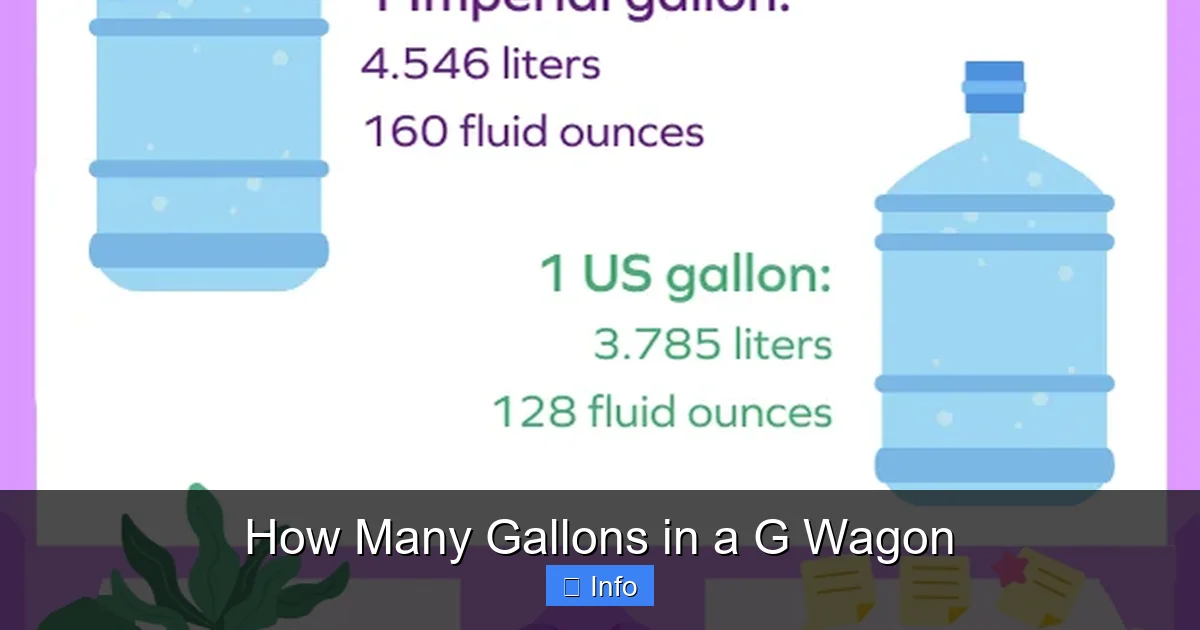
Visual guide about How Many Gallons in a G Wagon
Image source: splashlearn.com
Why 21.5 gallons?
Mercedes‑Benz engineers selected this size to provide a respectable driving range while keeping the vehicle’s weight and overall dimensions in check. The tank is strategically located behind the rear seats to maintain the G Wagon’s low center of gravity and off‑road stability.
How does it compare to other SUVs?
Compared to mainstream SUVs like the Suburban or the Cybertruck, the G Wagon’s tank is smaller. However, the G Wagon’s higher fuel economy often offsets the smaller capacity, giving it a competitive range.
2. Fuel Economy and Range: What to Expect
Average MPG for the G Wagon
The 2024 G Wagon typically averages about 13 miles per gallon (mpg) in combined city and highway driving. Diesel variants can achieve around 7 mpg, which improves the overall range.
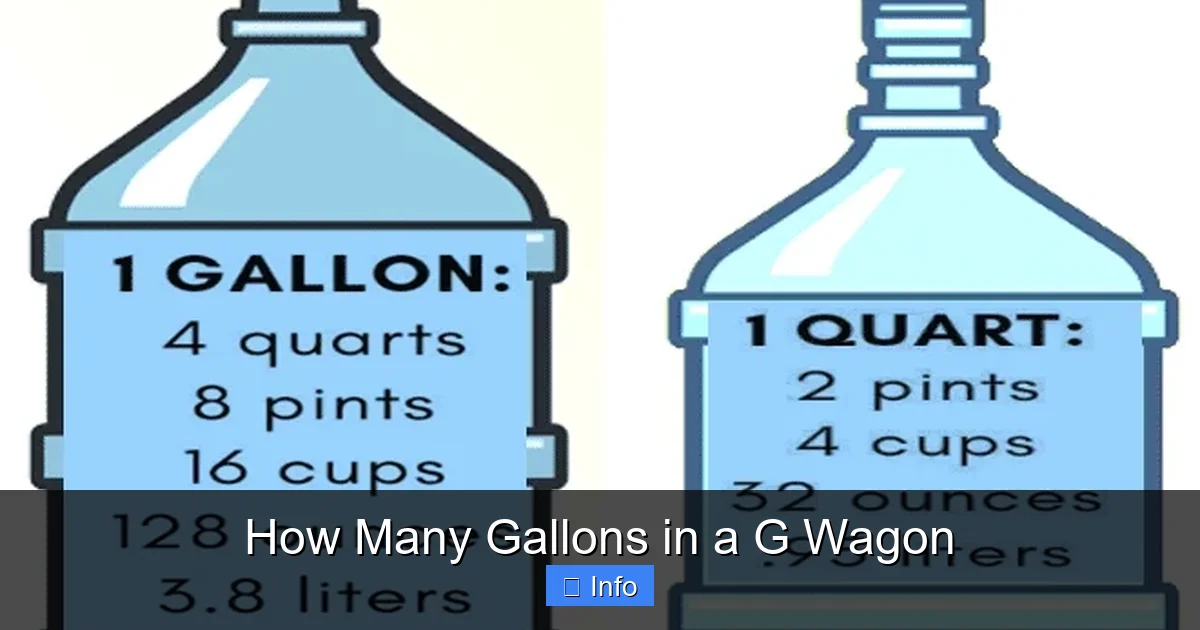
Visual guide about How Many Gallons in a G Wagon
Image source: enthu.com
Calculating Your Range
- Gasoline model: 21.5 gallons × 13 mpg ≈ 280 miles per full tank.
- Diesel model: 21.5 gallons × 7 mpg ≈ 150 miles per full tank.
Keep in mind that real‑world figures can vary based on driving habits, terrain, and load.
Factors That Influence Fuel Economy
- Driving style: Aggressive acceleration reduces mpg.
- Terrain: Off‑road or steep climbs increase fuel consumption.
- Weight: Adding cargo or a passenger reduces range.
- Climate: Extreme temperatures can affect engine efficiency.
3. Practical Fueling Tips for G Wagon Owners
When to Fuel
Always fill the tank when it’s between 1/4 and 1/2 full. Avoid topping off to prevent fuel from splashing onto hot engine components, which can damage the catalytic converter.
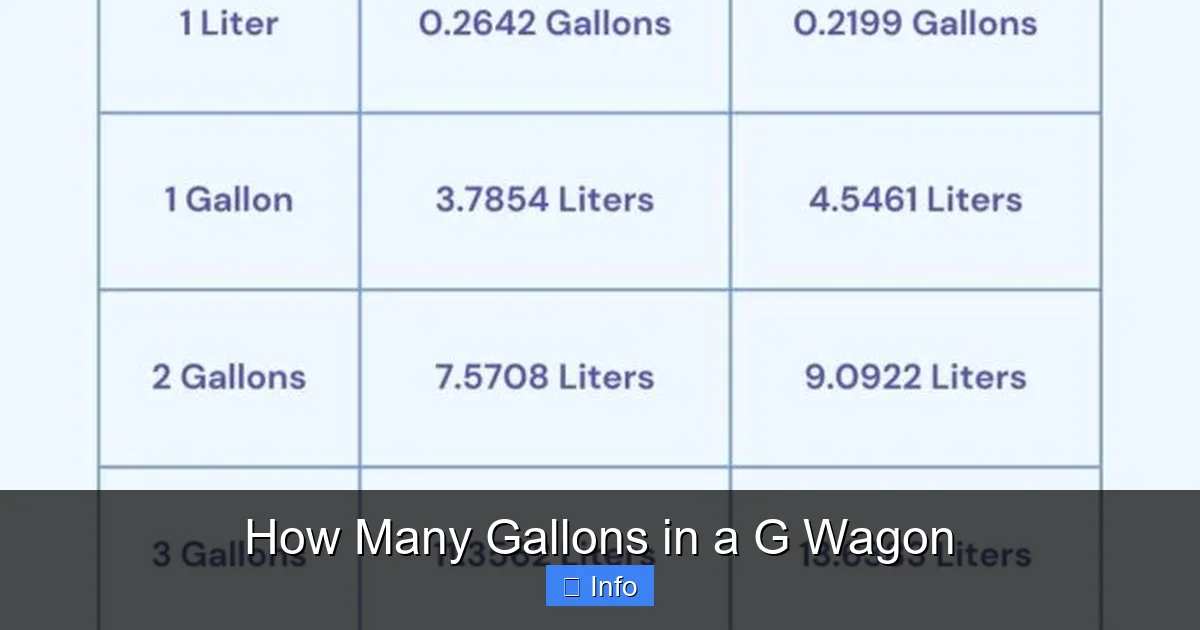
Visual guide about How Many Gallons in a G Wagon
Image source: mykitchen101en.com
Choosing the Right Fuel
Use the recommended octane rating (usually 91 or higher) to keep the engine running smoothly. Refueling with a lower octane can lead to knocking and reduced performance.
Monitoring Fuel Levels
Keep an eye on the fuel gauge and plan refueling stops on longer trips. The G Wagon’s dashboard will alert you when the tank is low, but knowing the exact capacity helps you gauge how many gallons remain.
Keeping the Tank Clean
Maintain the fuel system by changing the fuel filter every 15,000–20,000 miles. A clogged filter can reduce fuel flow and affect engine performance.
4. Maintenance Checklist: Fuel System Care
Fuel Filter Replacement
Replace the fuel filter at the recommended interval to avoid clogging and maintain optimal fuel flow.
Fuel Pump Health
Listen for unusual noises from the fuel pump. A whining or humming sound may indicate wear and could require replacement.
Fuel Line Inspection
Check for cracks or leaks in the fuel lines, especially after heavy-duty use or extreme temperatures.
Fuel Tank Venting
Ensure the vent system is clear to prevent pressure buildup, which can cause fuel spillage.
5. Real‑World Experiences: Owner Stories
Long‑Distance Trips
One owner, who lives in the Midwest, shared that on a cross‑country drive, they filled the tank once and made it to the next major city. The 280‑mile range proved sufficient for most long‑haul trips.
Off‑Road Adventures
A different enthusiast noted that off‑road driving in mountainous terrain reduced the expected range by about 30%. They planned extra fuel stops to avoid running out on a remote trail.
Fueling Efficiency Hacks
Some drivers use a fuel monitoring app that tracks consumption in real time, helping them adjust driving habits for better mileage.
Conclusion
Understanding the fuel capacity of the G Wagon—21.5 gallons—helps owners plan trips, manage fuel costs, and maintain their vehicle. With an average of 13 mpg, the G Wagon offers a solid range that balances the SUV’s luxury and ruggedness. By following the fueling and maintenance tips outlined above, you can keep your G Wagon running smoothly and efficiently for years to come.
Frequently Asked Questions
What is the fuel tank size of a G Wagon?
The standard G Wagon holds 21.5 gallons of gasoline, providing a decent range for both city and highway driving.
How far can I drive before refueling?
With an average of 13 mpg, you can travel about 280 miles on a full tank of gasoline. Diesel models offer a similar range with slightly lower mpg.
Do I need to use a specific type of fuel?
Yes, Mercedes‑Benz recommends using the octane rating specified in your owner’s manual, typically 91 or higher, to maintain engine performance.
How often should I replace the fuel filter?
It’s best to replace the fuel filter every 15,000–20,000 miles to ensure clean fuel flow and prevent engine issues.
Can I overfill my G Wagon’s fuel tank?
No. Overfilling can cause fuel to splash onto hot engine parts and damage the catalytic converter. Fill only when the tank is between 1/4 and 1/2 full.
Is the fuel capacity the same for all G Wagon models?
Yes, all standard G Wagon models share the same 21.5‑gallon tank, though diesel variants may have slightly different consumption rates.