What Is Trac on a Toyota
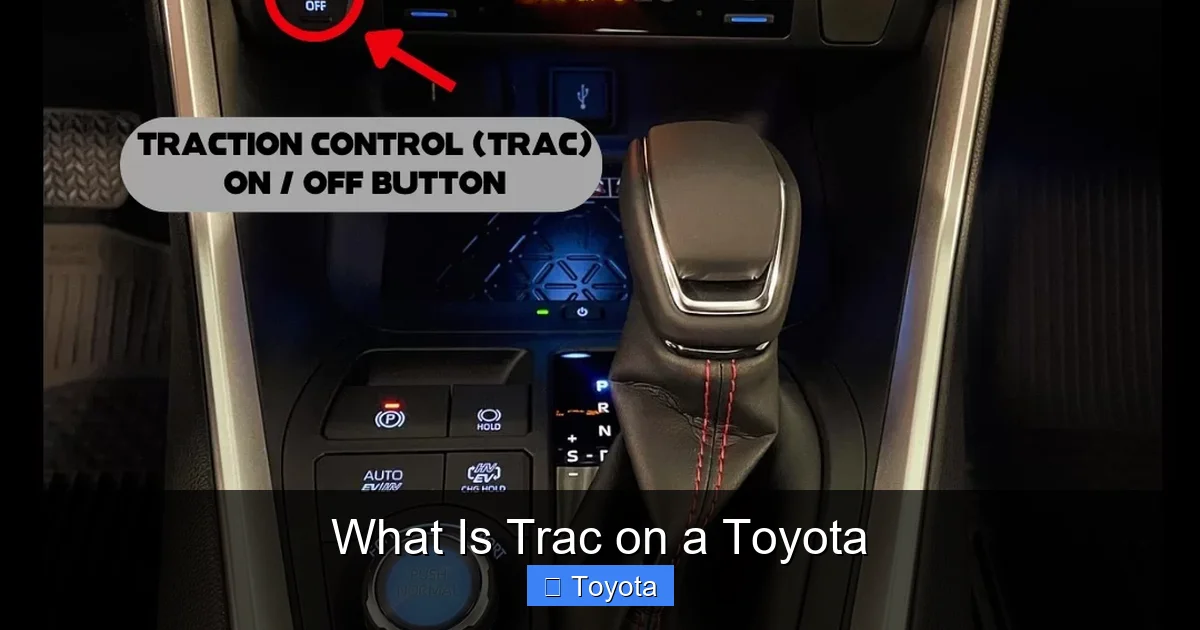
TRAC on a Toyota stands for Traction Control, a safety feature designed to prevent wheel spin during acceleration. It works by reducing engine power or applying brakes to slipping wheels, helping your car maintain grip on slippery or uneven roads. TRAC is a key part of Toyota’s Vehicle Stability Control system and activates automatically when needed, though drivers can disable it in certain situations like getting unstuck from snow or mud.
Key Takeaways
- TRAC Definition: TRAC stands for Traction Control, a system that helps prevent wheel spin during acceleration.
- How It Works: It uses sensors to detect wheel slip and reduces engine power or applies brakes to regain traction.
- Automatic Activation: TRAC turns on by default every time you start your Toyota for maximum safety.
- When to Disable: You may want to turn off TRAC when stuck in deep snow, mud, or sand to allow controlled wheel spin.
- Part of VSC: TRAC works alongside Vehicle Stability Control (VSC) to keep your Toyota stable and safe.
- TRAC Off Button: Most Toyotas have a button to manually disable TRAC when needed.
- Dashboard Indicator: A flashing TRAC light means the system is actively working to control wheel spin.
📑 Table of Contents
- What Is TRAC on a Toyota? A Simple Explanation
- How Does TRAC Work on a Toyota?
- TRAC and Vehicle Stability Control: How They Work Together
- When Should You Use TRAC on a Toyota?
- How to Tell If TRAC Is Working
- Common Myths About TRAC on a Toyota
- TRAC on Different Toyota Models
- Final Thoughts: Why TRAC Matters
What Is TRAC on a Toyota? A Simple Explanation
Have you ever noticed a button in your Toyota labeled “TRAC” or seen a light pop up on your dashboard? If so, you might be wondering what it does. Don’t worry, you’re not alone. Many Toyota drivers don’t fully understand this feature, even though they use it every day.
TRAC stands for Traction Control. It’s a safety system that helps your car maintain grip on the road. Think of it as a smart helper that steps in when your wheels start to spin too fast. Whether you’re driving on a rainy highway, a snowy back road, or a gravel driveway, TRAC works behind the scenes to keep you safe.
In this guide, we’ll break down everything you need to know about TRAC on a Toyota. You’ll learn how it works, when to use it, and why it matters. By the end, you’ll feel confident about this feature and know exactly when to keep it on or turn it off.
How Does TRAC Work on a Toyota?
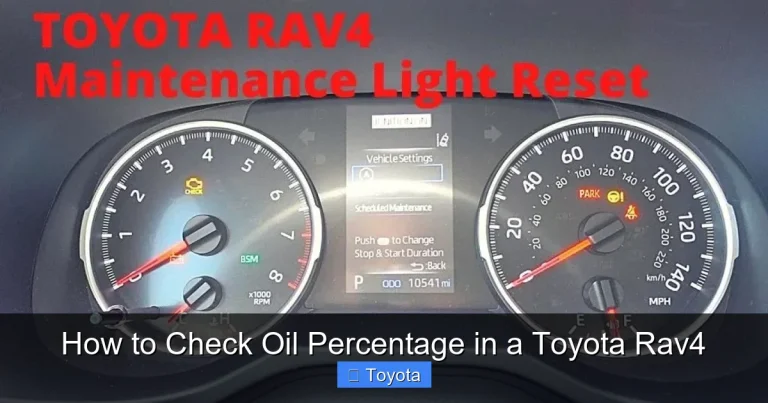
TRAC is pretty smart, but the idea behind it is simple. Your Toyota has wheel speed sensors at each wheel. These sensors tell the car’s computer how fast each wheel is spinning. When you press the gas pedal, all four wheels should spin at roughly the same speed based on how the car is moving.
Visual guide about What Is Trac on a Toyota
Image source: timsquality.com
But sometimes, one or more wheels start spinning faster than the others. This usually happens when there’s not enough grip. For example, if you’re on ice or wet grass, the driving wheels might slip. That’s when TRAC kicks in.
What TRAC Does to Help You
When TRAC detects wheel spin, it takes action in two main ways:
- Reduces engine power: TRAC tells the engine to cut back on power. This slows down the spinning wheels and lets them regain grip.
- Applies the brakes: TRAC can also apply the brake to the wheel that’s slipping. This forces that wheel to slow down and match the speed of the others.
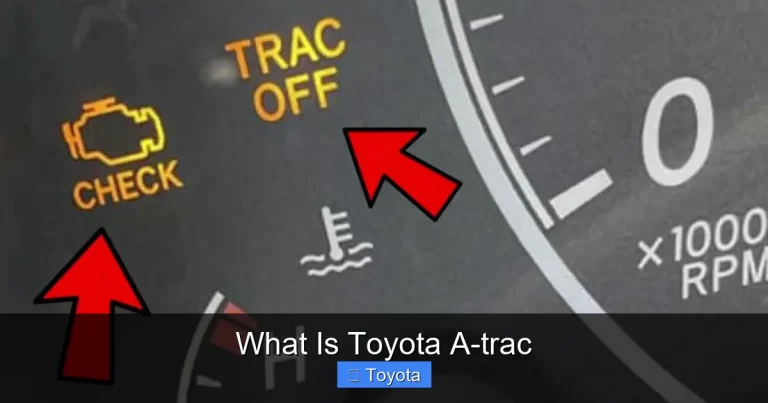
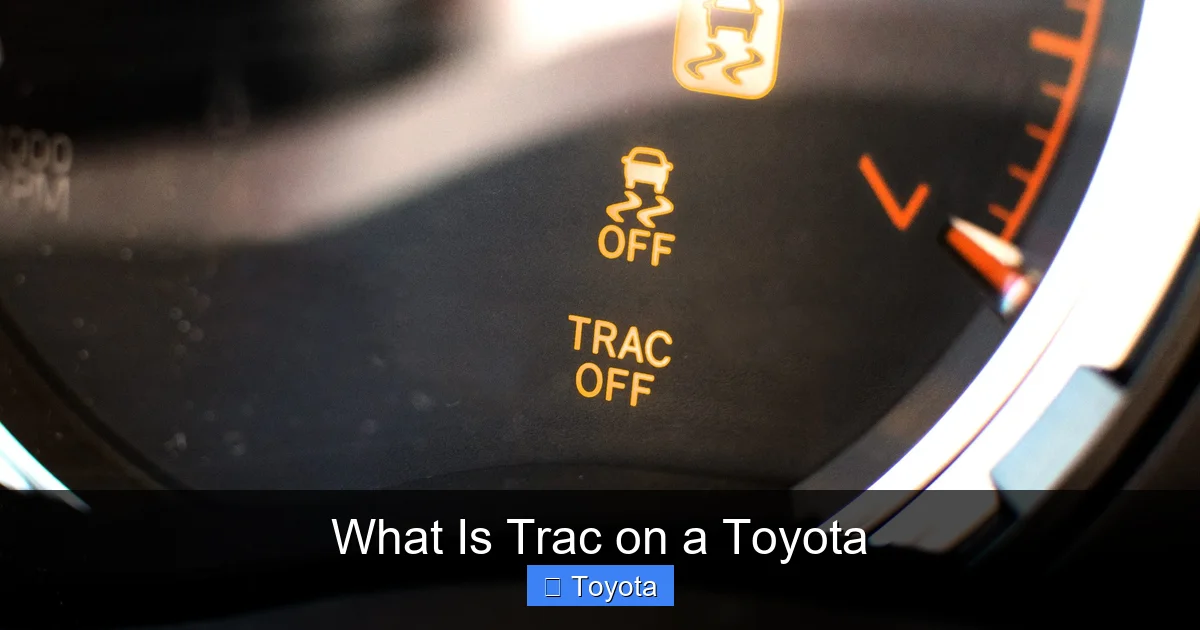
All of this happens in a split second. You might not even feel it working. The only clue that TRAC is active is a flashing TRAC light on your dashboard. This light tells you the system is doing its job.
TRAC and Vehicle Stability Control: How They Work Together
TRAC doesn’t work alone. It’s part of a bigger safety system called Vehicle Stability Control (VSC). Think of VSC as the team leader and TRAC as one of the team members.
Visual guide about What Is Trac on a Toyota
Image source: aautomotives.com
While TRAC focuses on preventing wheel spin during acceleration, VSC looks at the bigger picture. It uses sensors to check things like steering angle, vehicle speed, and the direction the car is heading. If the car starts to skid or slide, VSC steps in. It can apply brakes to individual wheels and adjust engine power to help you stay on your intended path.
Together, TRAC and VSC make your Toyota much safer. They work automatically and don’t need any input from you. Every time you start your car, both systems turn on by default. This means you’re protected from the moment you begin driving.
For more details on how VSC and TRAC work together, you can check out our guide on how to turn off the VSC TRAC light on a Toyota 4Runner.
When Should You Use TRAC on a Toyota?
The good news is that you don’t really need to “use” TRAC. It turns on by itself and does its job without you having to think about it. However, there are some situations where you should leave it on, and a few rare cases where you might want to turn it off.
Visual guide about What Is Trac on a Toyota
Image source: gearpatro.com
Keep TRAC On for Normal Driving
For everyday driving, TRAC should stay on. Whether you’re commuting to work, running errands, or taking a road trip, TRAC helps you stay safe. It works best on:
- Wet roads: Rain makes roads slippery, and TRAC helps prevent hydroplaning.
- Snow and ice: TRAC keeps your wheels from spinning out of control on slick surfaces.
- Gravel or dirt roads: Loose surfaces can cause wheels to slip, and TRAC helps maintain control.
- Cold mornings: When temperatures drop, oil and moisture on the road can reduce grip, and TRAC helps you manage that.
When to Turn TRAC Off
There are a few rare situations where you might want to disable TRAC. These usually involve getting your car unstuck from a tough spot:
- Stuck in deep snow: Sometimes, a little wheel spin is what you need to rock the car free. TRAC can prevent that.
- Stuck in mud: Similar to snow, a bit of wheel spin can help you power out of mud.
- Stuck in sand: Sand requires momentum, and TRAC might cut power too soon.
To turn off TRAC, look for the TRAC off button on your dashboard or center console. Press and hold it for a few seconds. You’ll see a “TRAC OFF” light appear on your dash. To turn it back on, simply press the button again. TRAC will also turn back on automatically the next time you start your car.
If you’re curious about the difference between TRAC and other Toyota systems, our article on what is Auto LSD on a Toyota Tacoma explains another traction feature that works alongside TRAC.
How to Tell If TRAC Is Working
Your Toyota gives you clear signals when TRAC is active. Knowing what to look for can help you understand what’s happening while you drive.
Dashboard Lights to Watch For
- Flashing TRAC light: This means TRAC is actively working to control wheel spin. It’s a normal sign that the system is doing its job.
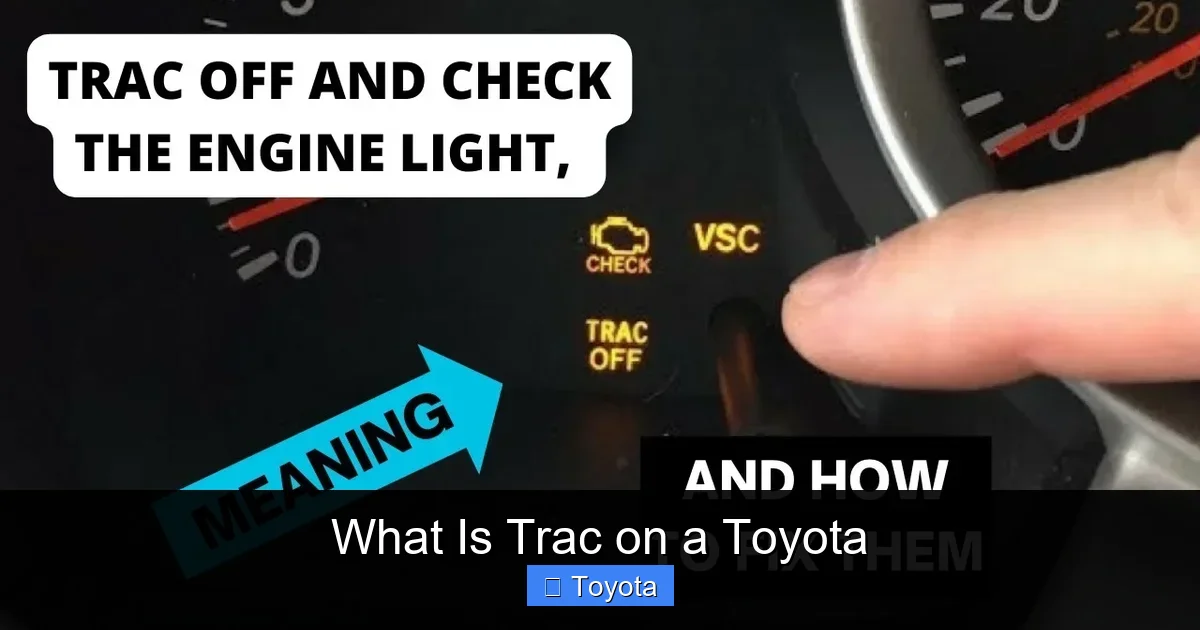
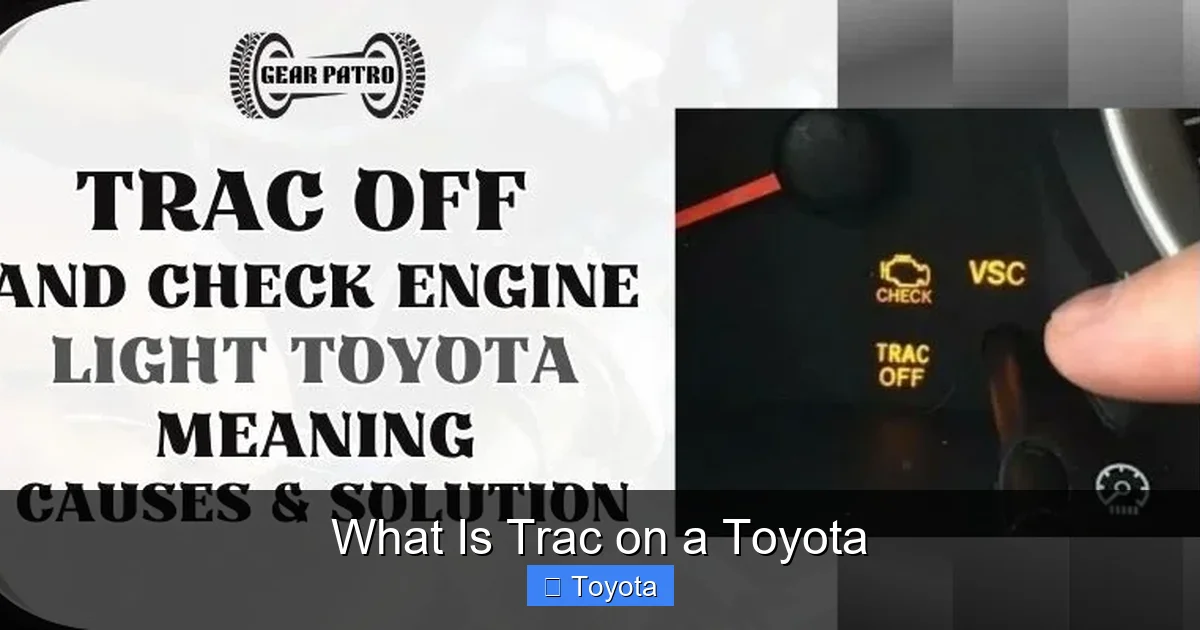
- Solid TRAC OFF light: This means you’ve manually turned off the traction control. It will stay on until you turn TRAC back on or restart the car.
- VSC OFF light: If you see this light, it means both VSC and TRAC have been turned off. This usually happens when you hold the TRAC button for several seconds.
What You Might Feel
When TRAC activates, you might notice a slight pulsing in the gas pedal. This is because the system is quickly adjusting engine power. You might also hear a faint clicking or buzzing sound. These are all normal signs that TRAC is helping you maintain grip.
In some cases, the system that helps you manage slippery situations might also involve DAC on a Toyota 4Runner, which assists with downhill driving. Both systems are designed to keep you safe in different ways.
Common Myths About TRAC on a Toyota
There are some misunderstandings about TRAC that can confuse drivers. Let’s clear up a few of the most common myths.
Myth 1: TRAC Is the Same as Four-Wheel Drive
Many people think TRAC makes their car a four-wheel-drive vehicle. That’s not true. TRAC is a traction control system, not a drivetrain feature. It doesn’t send power to different wheels the way 4WD does. Instead, it just manages the power that’s already going to the wheels.
Myth 2: TRAC Makes Your Car Faster
Some drivers think TRAC helps with performance. In reality, TRAC can slow your car down by reducing engine power. That’s a good thing for safety, but it’s not designed for speed. If you’re looking for performance, TRAC isn’t going to help.
Myth 3: TRAC Should Always Be Off for Better Driving
Some driving enthusiasts believe TRAC gets in the way. But for most drivers, TRAC is a valuable safety tool. It only activates when needed, so it won’t bother you during normal driving. Keeping it on gives you an extra layer of protection.
Myth 4: TRAC Can Replace Good Tires
No electronic system can make up for bald or worn-out tires. TRAC works best when your tires have good tread. If your tires are old or damaged, TRAC can’t perform miracles. Always keep your tires in good shape for the best results.
TRAC on Different Toyota Models
TRAC is a standard feature on most modern Toyotas, but the way it’s controlled can vary. Let’s look at how TRAC works on a few popular models.
TRAC on the Toyota Camry
The Camry is one of Toyota’s best-selling sedans, and it comes with TRAC as standard. The TRAC off button is usually located near the steering wheel or on the center console. For Camry drivers, TRAC provides extra confidence during wet or icy commutes.
TRAC on the Toyota RAV4
The RAV4 is a popular SUV, and TRAC is especially helpful given its higher center of gravity. When combined with VSC, TRAC helps the RAV4 stay stable on curvy roads or slippery surfaces. If you want to learn more about features that affect RAV4 performance, check out our guide on what Hold means on a Toyota RAV4.
TRAC on the Toyota Tacoma and 4Runner
For truck and SUV owners like Tacoma and 4Runner drivers, TRAC is a key off-road feature. It works with other systems like Auto LSD to give you better control on rough terrain. Off-road enthusiasts often turn TRAC off when crawling over rocks or driving through deep mud, where controlled wheel spin is helpful.
For a deeper look at how TRAC compares to other Toyota traction systems, our guide on what is RSCA on a Toyota Tacoma breaks down another important safety feature.
Final Thoughts: Why TRAC Matters
TRAC is one of those features that doesn’t get a lot of attention, but it plays a huge role in keeping you safe. Every time you drive your Toyota, TRAC is working in the background to prevent wheel spin and maintain traction. It’s a quiet hero that steps in when you need it most.
The best part is that you don’t have to do anything to enjoy the benefits of TRAC. It turns on automatically and stays out of your way during normal driving. Just leave it on, and let it do its job. If you ever find yourself stuck in snow or mud, you’ll know how to turn it off. And when conditions improve, you can turn it back on with the push of a button.
Now that you understand what TRAC is and how it works, you can drive with more confidence. Whether you’re navigating a rain-soaked highway or a snowy mountain pass, TRAC has your back. So the next time you see that little TRAC light on your dashboard, you’ll know exactly what’s happening and why it matters.
Stay safe out there, and enjoy the peace of mind that comes with understanding your Toyota a little better.
Frequently Asked Questions
What does TRAC mean on a Toyota?
TRAC stands for Traction Control. It’s a safety system that helps prevent wheel spin during acceleration by reducing engine power or applying brakes to slipping wheels.
When should I turn off TRAC on my Toyota?
You should only turn off TRAC in rare situations, like when your car is stuck in deep snow, mud, or sand. In these cases, a little wheel spin can help you get unstuck.
Does TRAC turn on automatically?
Yes, TRAC turns on by default every time you start your Toyota. You don’t need to do anything to activate it for normal driving.
What does a flashing TRAC light mean?
A flashing TRAC light means the system is actively working to control wheel spin. It’s a normal sign that TRAC is helping you maintain grip on a slippery surface.
Is TRAC the same as four-wheel drive?
No, TRAC is a traction control system, not a drivetrain feature. It manages the power going to your wheels but doesn’t send power to different axles like 4WD does.
Can TRAC help me drive in the snow?
Yes, TRAC is very helpful in snowy conditions. It prevents your wheels from spinning out of control, giving you better stability and control on slick roads.