What Does Et Mean on Toyota Vehicles?
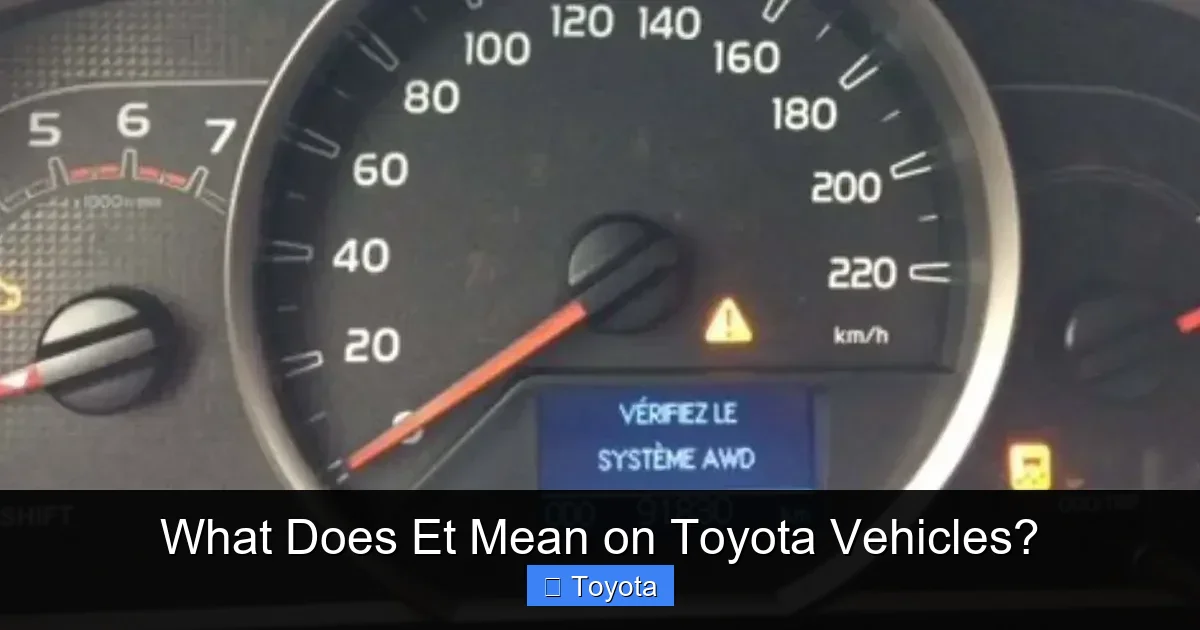
ET on Toyota dashboards signals a specific engine or transmission alert. This guide explains what it means, why it appears, and how to respond to keep your vehicle healthy.
Ever seen a strange ET light on your Toyota’s dash and wondered what it means? You are not alone. Many drivers feel confused when this little warning pops up. This article will answer the question: What Does ET Mean on Toyota Vehicles? We will break down the meaning in plain language. You will learn why ET appears, what it signals, and how to fix it. We will also share practical tips to keep your car running smooth. Let’s dive in.
Key Takeaways
- Point 1: ET usually stands for Engine Temperature or a related system warning.
- Point 2: The light can be triggered by low coolant, overheating, or sensor issues.
- Point 3: Ignoring ET can lead to serious engine damage.
- Point 4: Simple checks like coolant level and radiator condition often resolve the alert.
- Point 5: Using quality oil such as the best 5W-30 synthetic oil for high-mileage vehicles helps maintain proper temperature.
- Point 6: Following the break-in procedure for a new Toyota protects your engine during early miles.
- Point 7: Regular maintenance prevents ET from returning.
📑 Table of Contents
What ET Actually Stands For
First, let’s clear up the mystery. In most Toyota models, ET stands for Engine Temperature. Some newer models may use it for an Electronic Throttle sensor fault, but the most common meaning is Engine Temperature. The system monitors the coolant temperature inside the engine. If the temperature rises above safe levels, the ET indicator lights up. This warning is Toyota’s way of telling you the engine is getting too hot.
Why “Engine Temperature” Matters
Engine temperature is critical for performance. If the engine runs too hot, metal parts can warp. Oil can break down faster. Fuel efficiency drops. In extreme cases, the engine may shut down completely. That is why Toyota includes an ET warning. It is a built‑in safety net.
How ET Appears on Your Dashboard
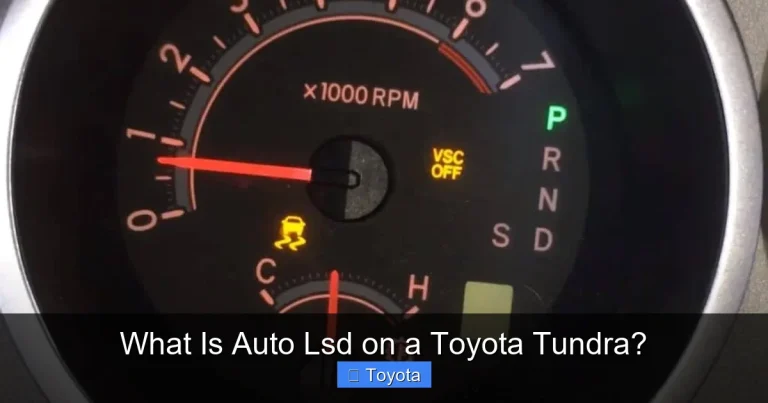
The ET light is usually a small amber or orange symbol. It looks like the letters “ET” inside a bracket or a warning triangle. When you start the car, the light may flash briefly as a self‑check. If it stays on, there is a problem. Some models also show a numeric temperature gauge alongside the warning. The exact appearance can vary by model year, but the meaning stays the same.
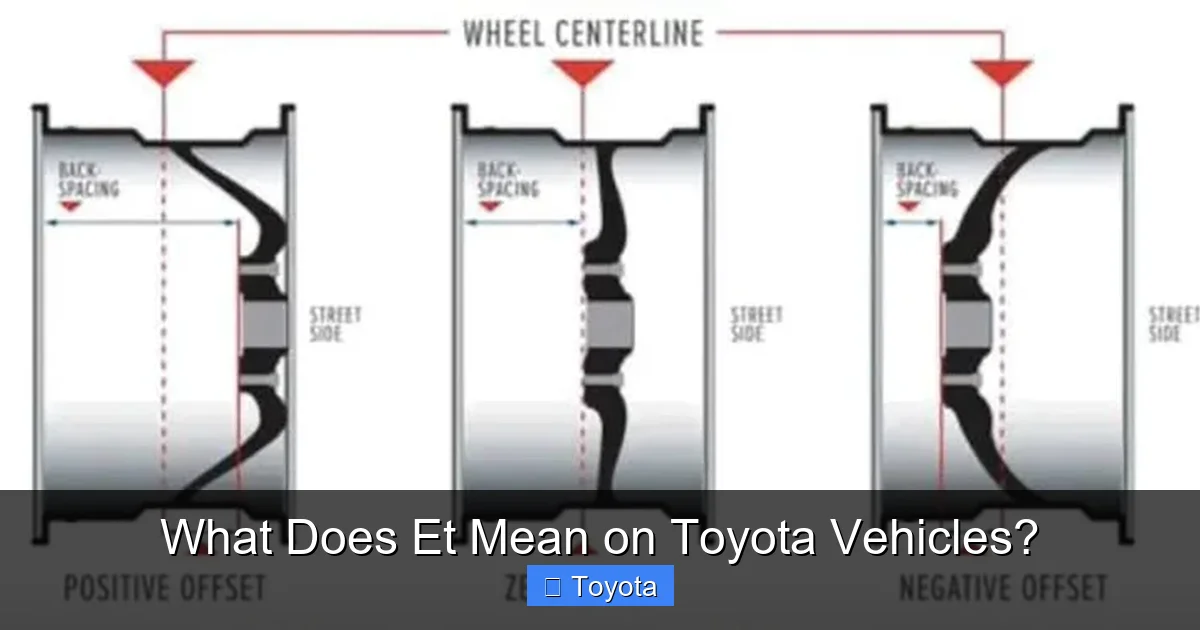
Visual guide about What Does Et Mean on Toyota Vehicles?
Image source: bryansgarage.com
Visual Cues to Watch
Here are the typical visual cues:
- The letters “ET” illuminate in amber.
- Sometimes a small thermometer icon appears.
- The light may blink if the temperature is rising quickly.
- In some models, a message appears in the multi‑info display.
Knowing these cues helps you react fast.
Common Triggers Behind the ET Code
Now that we know what ET means, let’s explore why it shows up. The most frequent causes are related to the cooling system. Below are the usual suspects.
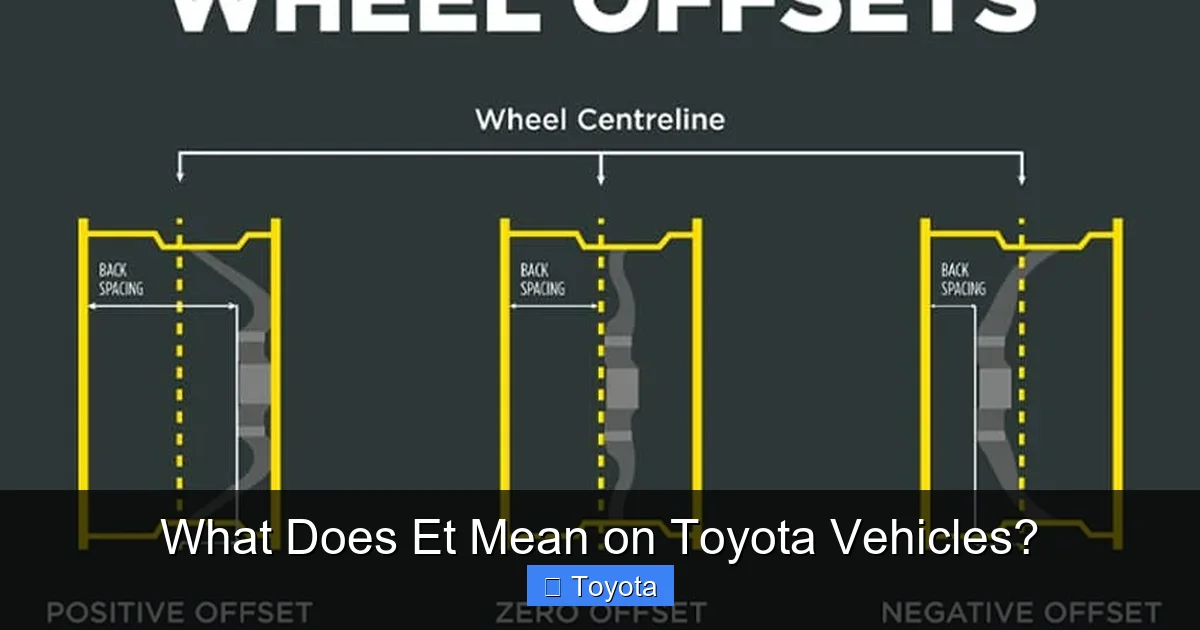
Visual guide about What Does Et Mean on Toyota Vehicles?
Image source: gearbox.s3.amazonaws.com
Low Coolant Level
Coolant, also called antifreeze, carries heat away from the engine. If the level is low, the engine can overheat. Check the coolant reservoir regularly. If it is below the “min” mark, add the correct type of coolant.
Faulty Thermostat
The thermostat regulates coolant flow. If it sticks closed, coolant cannot circulate. This causes the engine to heat up quickly. A stuck thermostat often triggers the ET light.
Radiator Blockage or Leak
A clogged radiator cannot dissipate heat. Dirt, debris, or a leak can reduce cooling efficiency. Inspect the radiator for any signs of corrosion or puddles under the car.
Water Pump Failure
The water pump pushes coolant through the engine and radiator. If the pump fails, coolant flow stops. This leads to rapid temperature rise and ET activation.
Cooling Fan Issues
Electric fans help pull air through the radiator. If a fan stops working, the engine may overheat at low speeds. Check the fan operation when the car is idling.
Sensor Malfunction
Temperature sensors send data to the car’s computer. A faulty sensor may report false high temperatures, causing the ET light to stay on even when the engine is fine.
How to Respond When ET Lights Up
Seeing the ET light can be alarming, but you can take simple steps to protect your vehicle. Follow this quick checklist.

Visual guide about What Does Et Mean on Toyota Vehicles?
Image source: aautomotives.com
Step 1: Stay Calm and Reduce Load
Turn off the air‑conditioning and any extra electrical accessories. This reduces engine load and helps it cool faster.
Step 2: Pull Over Safely
Find a safe spot to stop. Continuing to drive with the ET light on can cause damage.
Step 3: Check Coolant Level
Open the hood and locate the coolant reservoir. If the level is low, add the recommended coolant. Do not open the radiator cap when the engine is hot.
Step 4: Let the Engine Cool
Wait at least 15 minutes before inspecting anything under the hood. This prevents burns.
Step 5: Inspect for Leaks
Look for any puddles or wet spots around the radiator, hoses, and water pump. If you see coolant, note the location.
Step 6: Restart the Car
After the engine has cooled, start it again. If the ET light goes off, you may have fixed the issue. If it stays on, further diagnosis is needed.
Fixing the Underlying Issue
Sometimes the ET light is a symptom of a deeper problem. Let’s explore the most common fixes.
Replacing the Thermostat
A bad thermostat is inexpensive and easy to replace. If you are comfortable with basic car work, you can do it yourself. Otherwise, a mechanic can swap it out quickly.
Flushing the Radiator
Old coolant can become contaminated. Flushing the radiator removes debris and restores proper flow. This service is typically done every 30,000 to 50,000 miles.
Repairing Radiator Leaks
Small leaks can be sealed with a radiator repair kit. Larger cracks often require a radiator replacement.
Water Pump Replacement
If the pump is failing, replace it. This is a more involved repair but essential for preventing overheating.
Cooling Fan Repair or Replacement
Faulty fans can be tested with a multimeter. Replace the fan if it does not spin when the engine is hot.
Sensor Replacement
Faulty temperature sensors are cheap and easy to replace. A professional can diagnose the exact sensor causing the ET alert.
Preventive Steps to Keep ET Away
Prevention is the best strategy. Follow these routine maintenance habits to avoid ET warnings.
Regular Coolant Checks
Check coolant levels monthly. Top off as needed with the correct coolant type for your Toyota model.
Coolant Replacement Schedule
Replace coolant every 30,000 to 50,000 miles, or as recommended in your owner’s manual.
Radiator Cleaning
Have the radiator inspected for blockages during oil changes. A clean radiator maintains optimal cooling.
Use Quality Oil
Engine oil helps dissipate heat. Choose a high‑quality oil that matches your vehicle’s specifications. For high‑mileage engines, consider using synthetic blend oil for high-mileage 5W‑30 engines to improve heat resistance.
Follow the Break‑In Procedure
When you buy a new Toyota, follow the proper break‑in routine. This helps the engine settle in and reduces early overheating risks. Learn more about the break-in procedure for a new Toyota in our dedicated guide.
Monitor Temperature Gauge
Keep an eye on the temperature gauge while driving. If it climbs into the red zone, pull over and investigate.
Schedule Routine Service
Regular service appointments catch small issues before they become big problems. During service, ask the technician to inspect the cooling system.
Frequently Asked Questions
What Does ET Mean on Toyota Vehicles?
ET usually stands for Engine Temperature, indicating that the engine is overheating or that a temperature sensor is detecting high heat.
Can I Drive My Toyota With the ET Light On?
It is not recommended. Driving with the ET light on can cause engine damage. Stop the vehicle and investigate the cause as soon as possible.
Is ET the Same as Check Engine Light?
No. The Check Engine Light (CEL) signals a broader range of engine issues, while ET specifically relates to temperature or cooling system concerns.
How Much Does It Cost to Fix an ET Issue?
Costs vary widely. Simple coolant top‑off may cost under $20. Replacing a thermostat can be $100‑$200. Major repairs like a water pump replacement can exceed $500.
Does ET Affect Fuel Efficiency?
Yes. When the engine runs hot, it may adjust performance to cool down, which can reduce fuel efficiency.
Can I Reset the ET Light Myself?
Sometimes, disconnecting the battery for a few minutes resets the system. However, if the underlying issue remains, the light will return.
Does ET Appear on Hybrid Toyota Models?
Hybrid models have a similar temperature monitoring system, but the ET code may be linked to the hybrid battery cooling system as well.
Final Thoughts
Understanding what ET means on Toyota vehicles empowers you to act quickly. The ET light is a warning that your engine temperature is too high or that a related sensor is flagging a problem. By checking coolant levels, inspecting the radiator, and using quality oil, you can often resolve the issue without a trip to the shop. Regular maintenance and timely repairs keep your Toyota healthy and prevent costly damage. Remember, the next time you see ET light up, you now know exactly what to do.
Related Articles You Might Find Helpful
If you are interested in caring for your Toyota, check out these guides:
- How Much Does A Toyota Camry Weigh
- How Much Does A Toyota Tundra Weight
- How Much Does A Toyota Cost
- How Much Does It Cost To Clay Bar A Car
- How Much Does Car Paint Correction Cost
These articles cover topics from vehicle weight to maintenance costs, helping you make informed decisions about your car.
Frequently Asked Questions
What Does ET Mean on Toyota Vehicles?
ET usually stands for Engine Temperature, indicating that the engine is overheating or that a temperature sensor is detecting high heat.
Can I Drive My Toyota With the ET Light On?
It is not recommended. Driving with the ET light on can cause engine damage. Stop the vehicle and investigate the cause as soon as possible.
Is ET the Same as Check Engine Light?
No. The Check Engine Light (CEL) signals a broader range of engine issues, while ET specifically relates to temperature or cooling system concerns.
How Much Does It Cost to Fix an ET Issue?
Costs vary widely. Simple coolant top‑off may cost under $20. Replacing a thermostat can be $100‑$200. Major repairs like a water pump replacement can exceed $500.
Does ET Affect Fuel Efficiency?
Yes. When the engine runs hot, it may adjust performance to cool down, which can reduce fuel efficiency.
Can I Reset the ET Light Myself?
Sometimes, disconnecting the battery for a few minutes resets the system. However, if the underlying issue remains, the light will return.