How Much Does Car Paint Correction Cost
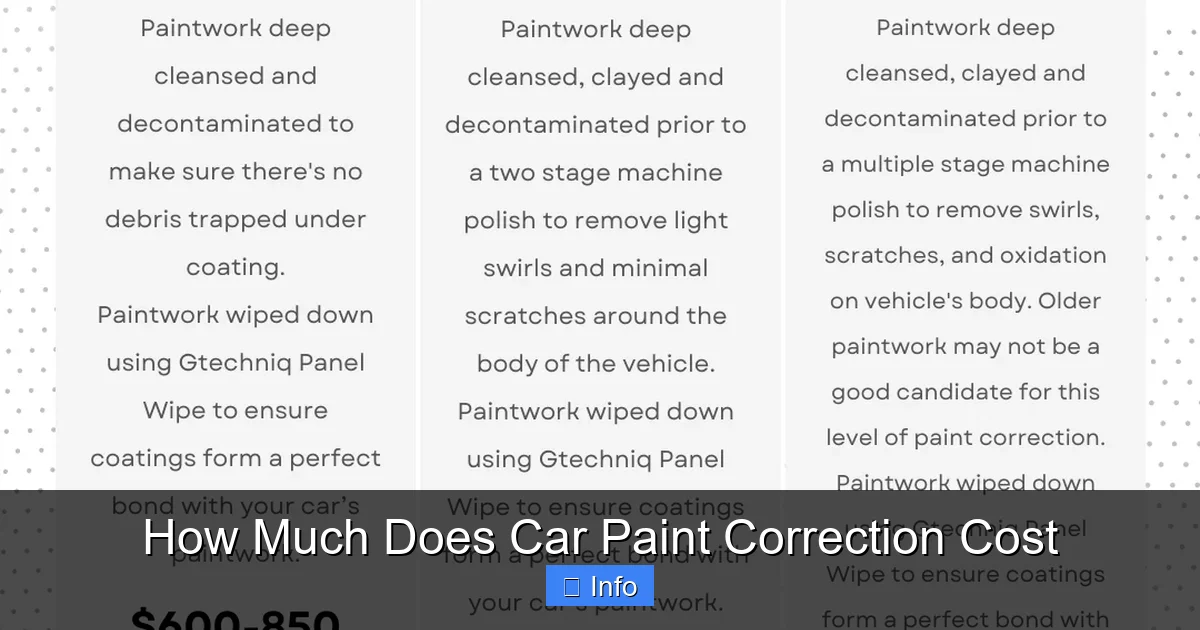
Car paint correction restores shine and removes imperfections, but prices vary widely. On average, expect to pay between $150 and $1,500 depending on the service level and vehicle size. Knowing the factors that affect cost helps you budget wisely.
When you notice dull spots, light scratches, or a hazy finish on your car, paint correction might be the answer. This process goes beyond a simple wash and wax; it smooths the clear coat to reveal a deep, glossy shine. Many owners ask, how much does car paint correction cost before booking an appointment. Understanding the price range helps you set realistic expectations and avoid surprise bills.
The cost of paint correction is not a one‑size‑fits‑all number. It depends on the vehicle’s size, the severity of paint defects, the number of correction stages, and where you live. A compact sedan with minor swirls will cost far less than a large SUV with deep scratches. By learning the factors that drive pricing, you can choose the right service for your budget and goals.
Before we dive deeper, it’s worth noting that car ownership brings many other expenses. If you own a luxury vehicle, you might also be curious about how much does a Bentley car cost. Understanding ownership expenses also includes knowing how much does a title cost for a car. Another common question is how much does it cost to refinance a car, especially if you’re financing upgrades. Keeping these costs in mind helps you see where paint correction fits into your overall car care budget.
Key Takeaways
- Define the service: Paint correction removes swirl marks, scratches, and oxidation to revive the car’s clear coat.
- Cost drivers: Vehicle size, paint condition, correction stage, and shop location all influence the final price.
- Price ranges: Basic single‑stage correction starts around $150; multi‑stage premium work can exceed $1,500.
- DIY vs pro: DIY kits are cheaper but risk uneven results; professionals deliver consistent, lasting finishes.
- Choose wisely: Look for certified detailers, review portfolios, and ask about the products and techniques they use.
- Aftercare matters: Proper washing, waxing, and avoiding harsh chemicals keep the corrected finish looking fresh.
📑 Table of Contents
What Is Car Paint Correction?
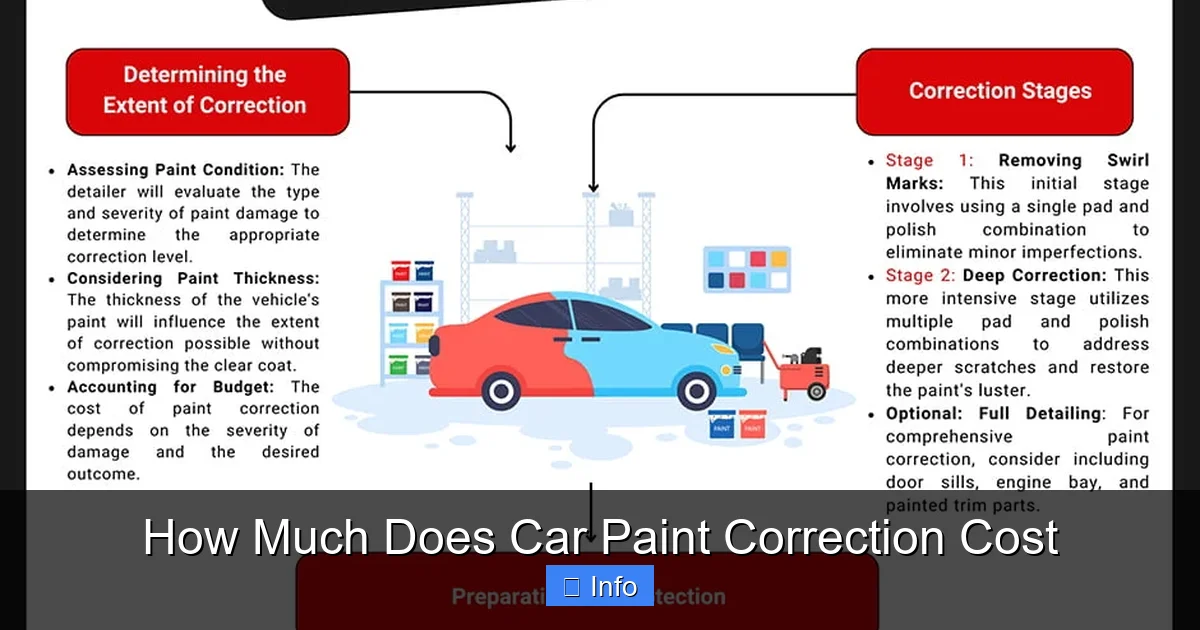
Paint correction is a detailing technique that removes surface imperfections from a car’s clear coat. The clear coat is the transparent layer that protects the colored base coat. Over time, it can collect swirl marks, light scratches, water spots, and oxidation. Correction uses abrasive polishes and pads to level the surface, restoring clarity and gloss.
Stages of Correction
Most detailers describe the work in stages:
- Single‑stage (or one‑step) correction: Uses a moderate abrasive polish to remove light defects. It’s quick and affordable.
- Two‑stage correction: Starts with a more aggressive compound to tackle deeper marks, followed by a finer polish for shine.
- Three‑stage or multi‑stage correction: Involves heavy compounding, intermediate polishing, and a final finishing polish for show‑room quality.
The more stages required, the higher the labor time and material cost, which directly impacts how much does car paint correction cost.
What the Process Looks Like
First, the car is washed and decontaminated to remove dirt, tar, and brake dust. Next, the detailer masks off trim and rubber to protect them. Then, using a machine polisher and appropriate pads, they work the abrasive product across the paint. After each stage, they inspect the surface with special lighting to ensure defects are gone. Finally, a protective sealant or wax is applied to lock in the results.
Main Factors That Affect the Price
Several variables determine the final quote for paint correction. Knowing them helps you understand why two seemingly similar jobs can have different prices.
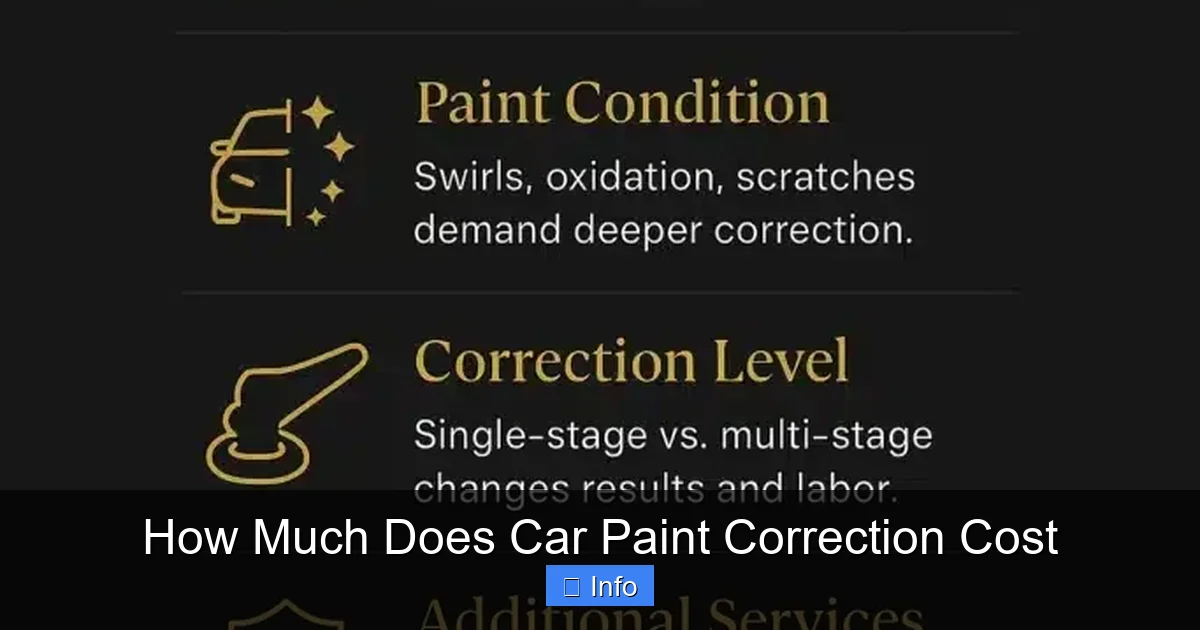
Visual guide about How Much Does Car Paint Correction Cost
Image source: carzwerk.com
Vehicle Size and Type
Larger vehicles have more surface area. A compact coupe might need 2‑3 hours of work, while a full‑size truck could take 6‑8 hours or more. Labor is usually the biggest cost component, so size directly raises the price.
Current Paint Condition
If the clear coat is only mildly hazy, a single‑stage correction may suffice. Heavy oxidation, deep scratches, or etching from bird droppings demand more aggressive compounding and extra steps. The worse the condition, the higher the cost.
Number of Correction Stages
As described earlier, each additional stage adds time, consumables, and expertise. A single‑stage job might cost $150‑$300, while a three‑stage premium correction can run $800‑$1,500+. The shop’s pricing model often reflects the stage count.
Geographic Location
Detailing rates vary by city and state. Urban areas with higher living costs tend to charge more than rural shops. It’s wise to get quotes from a few local providers to see the market rate.
Shop Reputation and Expertise
Established detailers with certifications, positive reviews, and a portfolio of high‑end work may charge a premium. Their expertise reduces the risk of over‑polishing or damaging the paint, which can save money in the long run.
Products Used
High‑quality abrasives, pads, and sealants cost more but often deliver better results and longer durability. Some shops include a ceramic coating in the package, which raises the price but adds protection.
Typical Price Ranges for Different Services
While exact numbers vary, the following brackets give a realistic idea of what you might pay for how much does car paint correction cost in the United States.
Visual guide about How Much Does Car Paint Correction Cost
Image source: waxmanoftristate.com
Basic Single‑Stage Correction
Best for cars with light swirl marks and minor scratches. Expect to pay:
- Compact car or sedan: $150‑$250
- Mid‑size SUV or coupe: $200‑$350
- Full‑size truck or luxury sedan: $300‑$500
Two‑Stage Correction
Suited for moderate defects and owners who want a noticeable gloss boost. Typical costs:
- Compact car: $250‑$400
- Mid‑size SUV: $350‑$550
- Full‑size truck: $500‑$800
Three‑Stage or Premium Correction
Ideal for show‑room finish, deep scratches, or preparing a car for sale or show. Price ranges:
- Compact car: $400‑$700
- Mid‑size SUV: $600‑$900
- Full‑size truck or luxury vehicle: $800‑$1,500+
Some high‑end detailing studios offer packages that include paint correction plus a ceramic coating or paint protection film. Those bundles can start at $1,200 and go beyond $2,500 for large vehicles.
DIY Paint Correction vs Professional Detailing
Many car enthusiasts wonder whether they can save money by doing paint correction themselves. Let’s compare the two approaches.
Visual guide about How Much Does Car Paint Correction Cost
Image source: lirp.cdn-website.com
DIY Kits
Available online or at auto parts stores, DIY correction kits include a polisher (often a dual‑action machine), abrasive compounds, pads, and microfiber towels. Prices range from $50‑$150 for the kit alone.
Pros:
- Lower upfront cost.
- Convenient for small touch‑ups.
- You learn a valuable skill.
Cons:
- Risk of over‑polishing, which can thin the clear coat.
- Results may be uneven without proper technique.
- Time‑consuming for beginners.
- No warranty if something goes wrong.
Professional Service
Hiring a certified detailer brings expertise, professional‑grade equipment, and often a satisfaction guarantee.
Pros:
- Consistent, high‑quality finish.
- Faster completion (often same‑day).
- Access to premium products and techniques.
- Reduced risk of paint damage.
Cons:
- Higher price tag.
- Need to schedule and possibly leave the car for a few hours.
If your car has only light imperfections and you’re comfortable with a machine polisher, a DIY attempt might be worthwhile. For moderate to severe defects, or if you want a lasting, show‑room shine, paying for professional correction usually gives better value.
How to Choose the Right Paint Correction Specialist
Selecting a qualified detailer ensures you get the results you pay for. Here’s a step‑by‑step guide.
Check Credentials and Reviews
Look for detailers with certifications from organizations like the International Detailing Association (IDA) or specific product brands (e.g., Meguiar’s, Chemical Guys). Read online reviews on Google, Yelp, and detailing forums. Pay attention to comments about communication, timeliness, and final appearance.
Ask About Their Process
A reputable shop will gladly explain the stages they recommend, the products they use, and the expected time frame. If they vague or push a single‑stage fix on a clearly damaged car, consider another option.
Request a Portfolio
Ask to see before‑and‑after photos of vehicles similar to yours. This shows their capability and helps you gauge the level of correction you can expect.
Get a Written Estimate
Before any work begins, obtain a detailed quote that lists labor, materials, and any optional add‑ons (like ceramic coating). This prevents surprise charges later.
Consider Guarantees
Some detailers offer a warranty on their correction work, promising to fix any issues that appear within a certain period (e.g., 30‑90 days). This reflects confidence in their craftsmanship.
Tips to Maintain Your Car’s Finish After Correction
Investing in paint correction is only half the battle. Proper aftercare keeps the glossy look lasting longer.
Wash Properly
Use a pH‑neutral car shampoo, a soft microfiber wash mitt, and the two‑bucket method (one bucket for soapy water, one for rinsing). Avoid automatic brush washes, which can reintroduce swirls.
Dry with Care
Blow dry with a leaf blower or use a clean, plush microfiber towel. Pat the surface rather than rubbing to prevent marring.
Apply Protective Layers
After correction, apply a quality wax, sealant, or ceramic coating. Wax lasts 1‑2 months, sealants 4‑6 months, and ceramic coatings can protect for 2‑5 years depending on the product and maintenance.
Avoid Harsh Chemicals
Steer clear of acidic cleaners, alkaline degreasers, or petroleum‑based dressings on the paint. These can break down protective layers and dull the finish.
Regular Inspections
Every few weeks, check the paint under good lighting for new swirls or contaminants. Early detection lets you address issues before they require another full correction.
Conclusion
Understanding how much does car paint correction cost empowers you to make informed decisions about your vehicle’s appearance. Prices fluctuate based on size, condition, correction stage, location, and shop expertise, ranging from roughly $150 for a light refresh to over $1,500 for a multi‑stage premium job. While DIY kits offer a low‑cost entry point, professional detailers deliver consistent, safe results that often justify the higher price. By choosing a reputable specialist, asking the right questions, and following proper aftercare, you can enjoy a deep, glossy finish that turns heads and protects your investment for years to come.
Frequently Asked Questions
What is the difference between paint correction and a regular polish?
A regular polish mainly enhances gloss and may hide very light imperfections, but it does not remove swirl marks or scratches. Paint correction uses abrasive compounds to level the clear coat, actually eliminating those defects.
Can paint correction remove deep scratches that reach the primer?
No. Paint correction only works on the clear coat layer. If a scratch goes through the clear coat into the colored base or primer, it requires touch‑up paint or professional repair, not correction alone.
How long does a typical paint correction job take?
Time depends on the vehicle size and correction stage. A single‑stage job on a compact car might take 2‑3 hours, while a three‑stage correction on a full‑size SUV could take 6‑8 hours or more.
Is it worth getting paint correction on an older car?
Yes, if the paint is still in decent condition and you want to improve its appearance or preserve its value. Correction can revive faded paint and make an older car look much newer.
Do I need to wax my car after paint correction?
Applying a protective layer such as wax, sealant, or ceramic coating is highly recommended. It locks in the corrected finish, adds shine, and shields the paint from environmental contaminants.
How often should I repeat paint correction?
With proper maintenance, a high‑quality correction can last several years. Most owners only need to repeat the process if they notice new swirls, scratches, or oxidation, which might be every 2‑5 years depending on driving conditions and care.