How Much for a Title on a Car
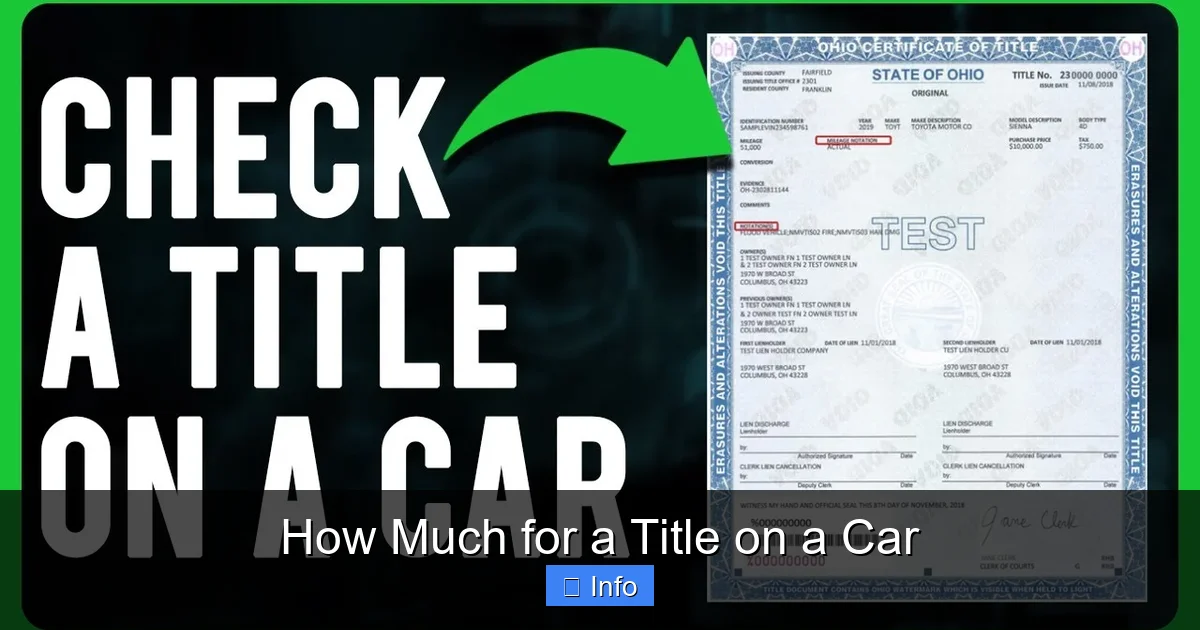
Understanding the cost of a car title is essential for any vehicle owner or buyer. From registration fees to hidden taxes, this guide breaks down every expense you’ll encounter. Learn how to estimate, avoid surprises, and even save money when you file for your title.
Key Takeaways
- Title fees vary by state: Know your local rates to budget accurately.
- Taxes add up: Sales tax, use tax, and title‑specific taxes can increase the cost.
- Paperwork matters: Proper documents prevent delays and extra fees.
- Online filing saves time: Many states allow electronic title applications.
- Keep a copy: Store the title in a safe place—it’s proof of ownership.
- Check for discounts: Some jurisdictions offer reduced fees for certain groups.
- Plan ahead: Timing your title transfer can reduce penalties.
📑 Table of Contents
- Why Knowing the Cost of a Car Title Matters
- How Much Does a Title Cost?
- What Adds to the Title Cost?
- Step‑by‑Step: How to File for a Title
- Tips to Save Money on Your Title
- Common Mistakes That Increase Title Costs
- What Happens if You Don’t Get a Title?
- Real-World Example: Title Costs in California
- How Much Does a Title Cost for a Car? (Link)
- How Much to Get a Title for a Car? (Link)
- How Much Does It Cost to Title a Car? (Link)
- Conclusion
Why Knowing the Cost of a Car Title Matters
When you buy or sell a car, the title is the legal document that proves ownership. It’s not just a piece of paper; it’s a key to registration, insurance, and future sales. If you don’t understand the fees involved, you might end up paying more than expected or, worse, facing a delayed transfer that could cost you in fines or lost time.
What Is a Title?
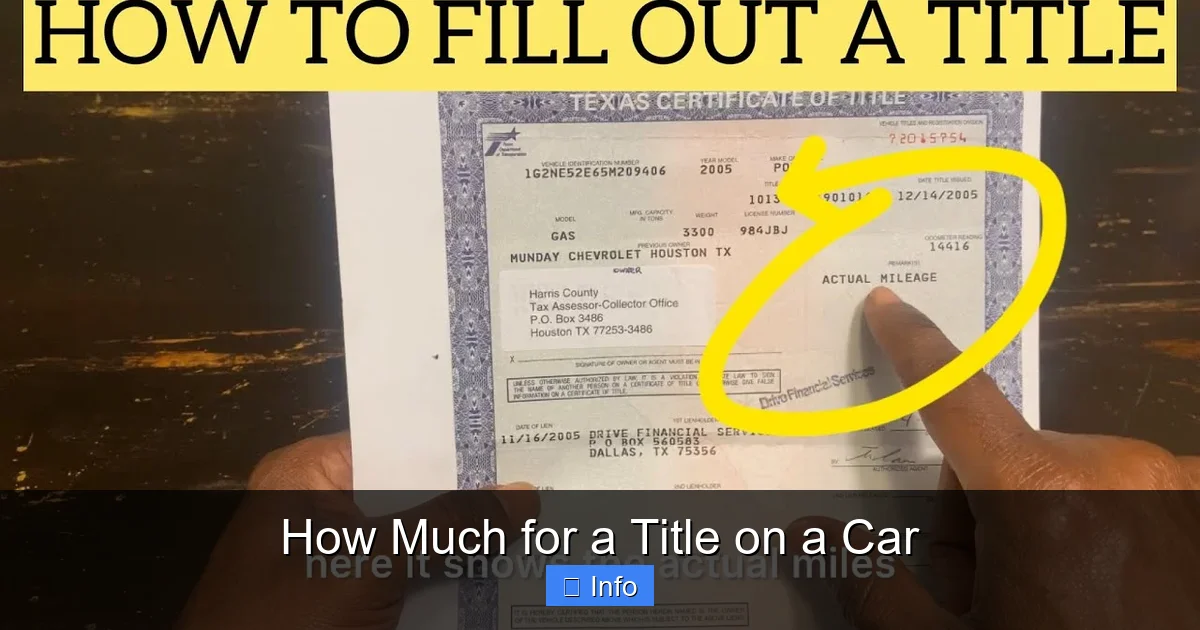
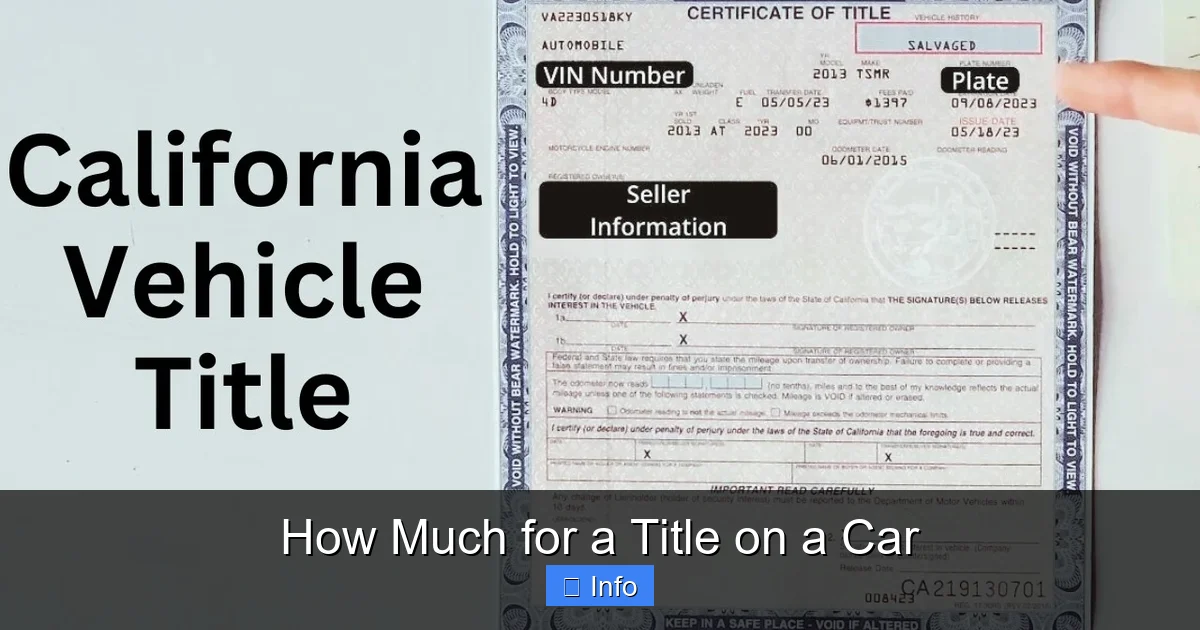
A title is the official record of who owns a vehicle. In the U.S., each state’s Department of Motor Vehicles (DMV) issues titles. The document lists the vehicle’s VIN, make, model, and the owner’s name and address.
When Does the Title Fee Apply?
Every time you transfer ownership—whether buying a used car, inheriting a vehicle, or selling it—you need to file for a new title. The fee covers the DMV’s administrative work, record‑keeping, and the production of the new title.
How Much Does a Title Cost?
The cost of a title varies widely. In some states, the fee is a flat $30‑$50. In others, it’s a percentage of the vehicle’s value or a tiered structure based on weight and age. Let’s break down the typical ranges you’ll see.

Visual guide about How Much for a Title on a Car
Image source: diminishedvalueofgeorgia.com
Flat-Fee States
States like Texas and Florida charge a fixed fee—usually between $20 and $50—regardless of the car’s value. This simplicity makes budgeting easy.
Value-Based Fees
States such as California and New York calculate title fees as a percentage of the vehicle’s sale price. For example, California applies a 1.5% fee on the vehicle’s value, capped at a maximum amount. This means a $20,000 car could cost $300 for its title.
Weight and Age Tiers
Some jurisdictions use a tiered system based on the vehicle’s weight or age. Trucks and heavy-duty vehicles often pay more because they’re considered higher‑impact on road infrastructure.
Special Category Fees
Electric vehicles, hybrids, and classic cars may have unique fee structures. Check your state’s DMV website for any special rates.
What Adds to the Title Cost?
Beyond the base title fee, several additional charges can bump up the total amount you pay.
Visual guide about How Much for a Title on a Car
Image source: i.ytimg.com
Sales Tax and Use Tax
If you’re purchasing a vehicle, sales tax is often calculated on the sale price and added to the title fee. In some places, use tax applies if you bought the car out of state.
Title Transfer Fees
When a vehicle changes hands, the title transfer fee covers the DMV’s paperwork. It’s usually a fixed amount but can be higher if the vehicle has a lien or if you’re using a notary.
Notary and Processing Fees
Not all states require notarization for title documents, but if they do, a small fee—typically $5‑$20—applies. Processing fees may also be added for expedited services.
Late Fees and Penalties
Failing to file for a new title within the required timeframe can trigger late fees. These can range from $25 to $100, depending on how overdue the filing is.
Step‑by‑Step: How to File for a Title
Knowing the process helps you avoid unnecessary costs and delays. Here’s how you can file for a title in most states.
Visual guide about How Much for a Title on a Car
Image source: i.ytimg.com
1. Gather Your Documents
- Current title (signed over to you)
- Bill of sale or purchase agreement
- Proof of insurance
- Valid driver’s license or ID
- Lien release (if applicable)
2. Complete the Application
Visit your state DMV’s website or office to download the title application form. Fill it out accurately—misspellings or incorrect VINs can delay processing.
3. Pay the Fees
Most DMVs accept online payments, credit cards, or money orders. Be sure to keep the receipt for your records.
4. Submit the Paperwork
Submit in person, by mail, or online if your state offers e‑filing. Online filing is the fastest and often comes with a small convenience fee.
5. Wait for the Title
Processing times vary: some states deliver titles within a week, others take up to a month. Track your application status online if available.
Tips to Save Money on Your Title
Shop Around for the Best Rates
Compare your local DMV fees with neighboring states if you’re near a border. Some states offer lower title fees, but you may still need to pay registration in your home state.
Bundle Services
Many DMVs allow you to combine title filing with registration or inspection. Bundling can reduce the total processing fee.
Use Online Filing When Possible
Electronic submissions often eliminate paper handling fees and can be processed faster, saving you time and potential late penalties.
Keep an Eye on Discounts
Some jurisdictions waive title fees for veterans, seniors, or low‑income residents. Check eligibility before paying.
Avoid Duplicate Transfers
Make sure the seller has fully signed over the title. If a previous title transfer is pending, you may face additional fees to clear the title history.
Common Mistakes That Increase Title Costs
Failing to File on Time
Late filings can result in steep penalties. Set a reminder for the deadline to avoid extra costs.
Incorrect VIN or Owner Information
Typos or outdated information can cause the DMV to reject your application, requiring you to redo the paperwork and pay extra fees.
Not Addressing Liens
If a lien is attached to the vehicle and not cleared before title transfer, you may have to pay a lien release fee or face a hold on the title.
Neglecting to Pay Sales Tax First
In some states, you can’t file the title until sales tax is paid. Missing this step can delay the entire process and add a late fee.
What Happens if You Don’t Get a Title?
Operating a vehicle without a title can lead to legal issues, fines, and challenges when selling the car later. In many jurisdictions, the DMV can issue a temporary tag, but that’s only a short‑term solution. Always prioritize obtaining a proper title.
Real-World Example: Title Costs in California
California’s title fee is 1.5% of the vehicle’s sale price, capped at $150. A $25,000 car would cost $375 for the title, but the cap keeps it at $150. Add a $7.5 sales tax and a $20 notary fee, and the total comes to $177. Keep in mind that California also charges for registration and a vehicle‑use tax, which can add another $200‑$300.
How Much Does a Title Cost for a Car? (Link)
For a deeper dive into the specific numbers and how they stack up across states, check out our detailed comparison article: How Much Does A Title Cost For A Car.
How Much to Get a Title for a Car? (Link)
If you’re curious about the entire process from start to finish, read our guide on the steps and costs involved: How Much To Get A Title For A Car.
How Much Does It Cost to Title a Car? (Link)
For a quick reference chart and calculators, visit: How Much Does It Cost To Title A Car.
Conclusion
Getting a title on a car isn’t just a bureaucratic step—it’s a critical part of vehicle ownership that can affect your finances, legal standing, and future resale value. By understanding the fee structure, knowing the paperwork, and following the correct filing process, you can avoid unexpected costs and ensure a smooth transfer. Keep a copy of your title in a safe place, stay on top of deadlines, and use the resources available to you, including online filing and state‑specific guides. Now that you know what to expect, you can tackle the title process with confidence.
Frequently Asked Questions
What documents do I need to file for a car title?
You’ll need the current title signed over to you, a bill of sale, proof of insurance, a valid ID, and a lien release if applicable. Double‑check your state’s DMV requirements for any additional paperwork.
Can I get a title if the seller hasn’t signed the current title?
No, the seller must sign the title over to you. Without a signed title, the DMV cannot issue a new one, and you may face delays or penalties.
How long does it take to receive a title after filing?
Processing times vary by state: some issue titles within a week, while others take up to a month. Online filing is usually faster, often within 5‑10 business days.
Are there any discounts available for title fees?
Some states offer reduced or waived title fees for veterans, seniors, or low‑income residents. Check your local DMV’s website for eligibility criteria and application procedures.
What happens if I file for a title late?
Late filings can incur penalties ranging from $25 to $100, depending on how overdue your application is. It’s best to file within the required timeframe to avoid extra costs.
Can I use a notary to speed up the title process?
Notarizing the title transfer can sometimes expedite the process, but it’s not required in all states. If your state requires it, the notary fee is usually a small additional cost, typically under $20.