Adjust Magnetic Ride Control
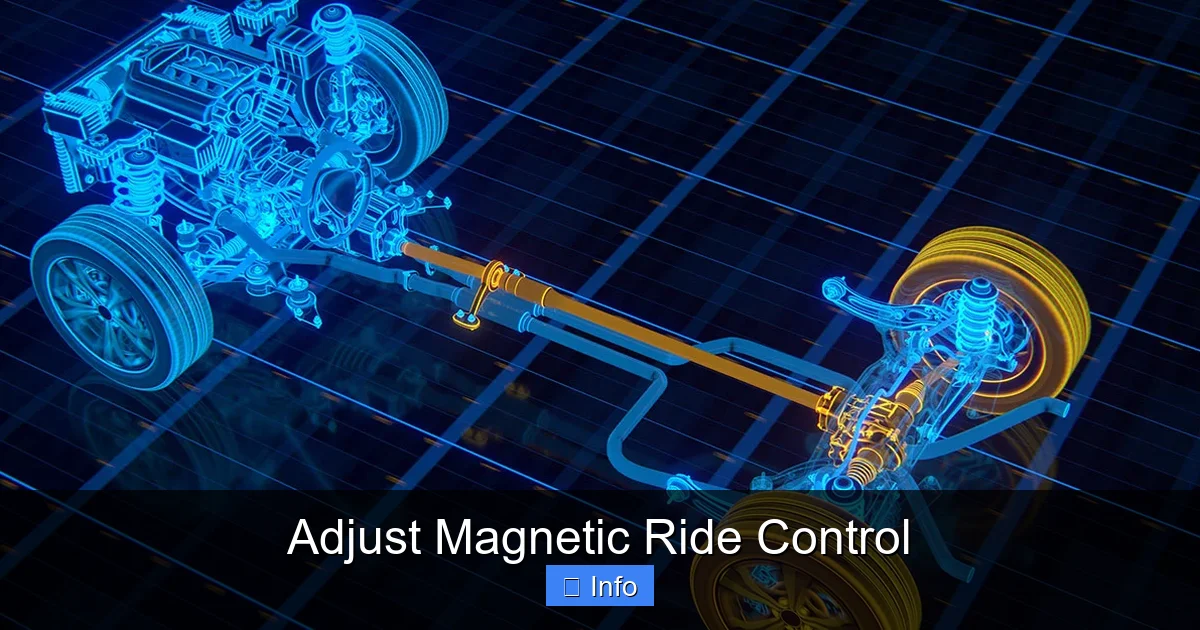
Magnetic Ride Control is a high-tech suspension system that adjusts shock stiffness in real-time for improved comfort and handling. Properly adjusting your Magnetic Ride Control can transform your driving experience, whether you’re cruising on highways or tackling rough roads. Follow these simple steps to customize your settings and maximize performance.
[Featured Image Placeholder]
Key Takeaways
- What Is Magnetic Ride Control?: A suspension system using magnetic fluid to adjust shock absorbers instantly for better ride quality.
- How It Works: Sensors detect road conditions and send data to magnetorheological dampers, altering their firmness in milliseconds.
- Adjustment Steps: Access the control panel, select driving mode (Tour, Sport, etc.), and test settings for optimal comfort.
- Benefits: Improved handling, reduced body roll, and a smoother ride without manual shock adjustments.
- Maintenance Tips: Regularly check fluid levels, calibrate sensors, and consult a pro for error codes.
- Common Issues: Error messages, inconsistent performance, or stuck modes may require diagnostic tools or professional help.
- Pro Tip: Experiment with modes in safe areas to feel the difference—Sport for spirited driving, Tour for daily commutes.
📑 Table of Contents
Understanding Magnetic Ride Control
If you’ve ever wondered how luxury cars seem to glide over bumps while maintaining razor-sharp handling, you’re not alone. Magnetic Ride Control (MRC) is the tech behind this magic. Developed by companies like Delphi and used in vehicles such as Cadillac’s MagneRide system, this innovation replaces traditional hydraulic dampers with magnetorheological fluid-filled shocks. When electrically charged, the fluid’s particles align to thicken or thin, adjusting damping force in real time.
Unlike standard suspensions that rely on springs and fixed-rate shocks, Magnetic Ride Control responds to road conditions instantly. Imagine hitting a pothole—the system detects the impact and stiffens the shock within milliseconds to prevent discomfort. On smooth roads, it softens for a plush ride. This dynamic adjustment happens 1,000 times per second, ensuring your vehicle adapts to every scenario.
Why Adjust Magnetic Ride Control?
While many modern systems auto-adjust, tweaking settings lets you tailor performance to your preferences. Whether you prioritize comfort for daily commuting or sportiness for weekend track days, customization is key. Some vehicles allow manual mode selection via a dashboard control, while others require diagnostic tools. Understanding how to adjust Magnetic Ride Control empowers you to optimize your drive.
How Magnetic Ride Control Works
At its core, Magnetic Ride Control relies on magnetorheological (MR) fluid, packed with microscopic iron particles. Inside each shock absorber, electromagnetic solenoids generate a magnetic field when activated. This field causes the fluid’s particles to align, increasing its viscosity and resistance to movement. The result? Instantly firmer or softer damping without mechanical valves or hydraulic lines.
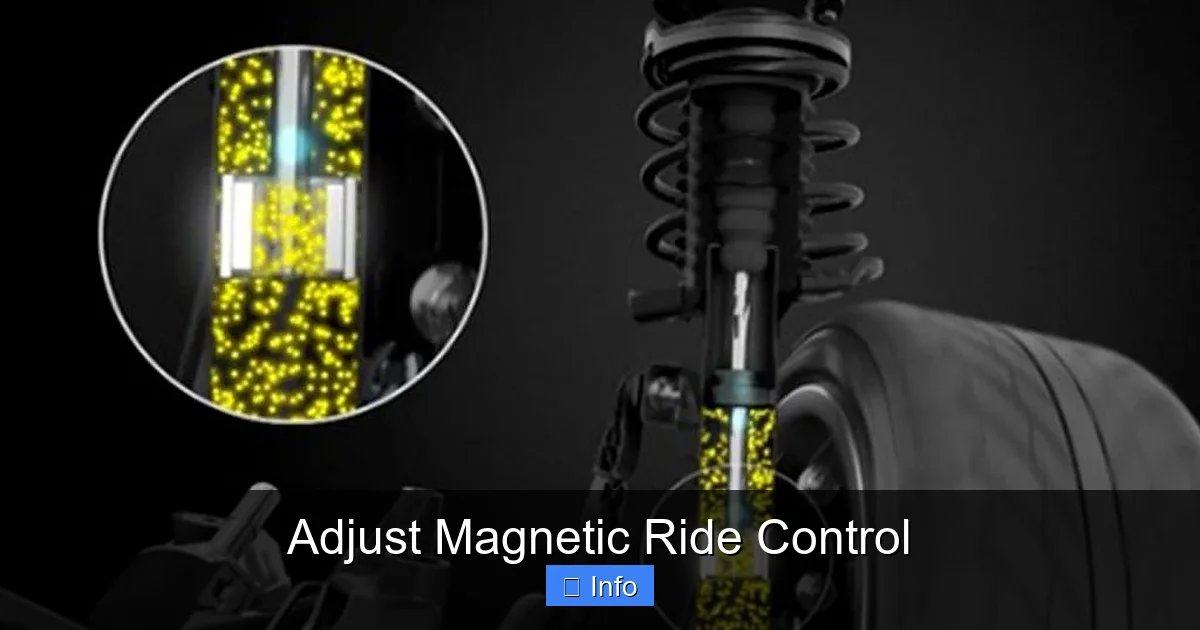
Visual guide about Adjust Magnetic Ride Control
Image source: d2hucwwplm5rxi.cloudfront.net
Sensors monitor wheel movement, body roll, and road surface changes. This data travels to the vehicle’s computer, which calculates the ideal damping response. For example, during hard cornering, the system stiffens the outside shocks to reduce body lean. Under braking, it pre-tenses dampers to counteract nose dive.
Components of the System
- Sensors: Track wheel speed, acceleration, and steering input.
- Control Module: Processes sensor data and sends signals to dampers.
- MR Dampers: Adjust stiffness based on magnetic field intensity.
- User Interface: Allows mode selection (e.g., Tour, Sport, Off-Road).
This seamless integration of hardware and software ensures a balance between comfort and control. However, the system’s complexity means proper adjustment and maintenance are critical for peak performance.
Steps to Adjust Magnetic Ride Control
Adjusting Magnetic Ride Control varies by vehicle, but the general process is straightforward. Always consult your owner’s manual first, as some systems require diagnostic tools. Here’s a universal guide:
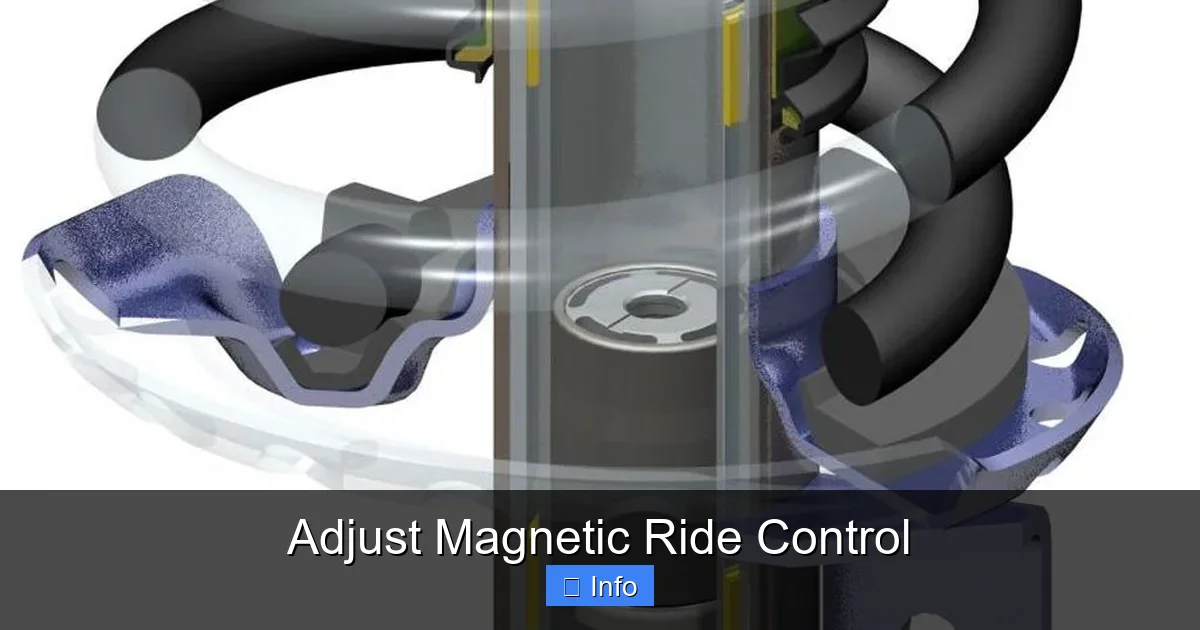
Visual guide about Adjust Magnetic Ride Control
Image source: editorial.pxcrush.net
Step 1: Check the Dashboard Controls
Look for a button or touchscreen menu labeled “Suspension,” “Ride Mode,” or similar. Common modes include:
- Tour/Comfort: Prioritizes smoothness for daily driving.
- Sport/Performance: Stiffens dampers for better handling during aggressive maneuvers.
- Eco: Optimizes for fuel efficiency by reducing damping adjustments.
- Off-Road: Loosens settings to absorb large bumps on unpaved surfaces.
Select your preferred mode and take the car for a short drive. Notice how the ride feels—does it match your expectations?
Step 2: Use a Diagnostic Tool (If Available)
Some high-end vehicles let owners fine-tune Magnetic Ride Control via OBD-II scanners or manufacturer apps. These tools can recalibrate sensors or reset the system after maintenance. For example, if you’ve replaced shocks or hit a pothole hard, a reset may resolve glitches.
Tip: Avoid overriding automatic adjustments unless you’re certain of the settings. Improper tuning can degrade performance or damage components.
Step 3: Test Drive and Fine-Tune
After adjusting, drive on varied terrain—a mix of highways, city streets, and rough roads. Pay attention to:
- Body roll during turns.
- Comfort over speed bumps.
- Steering responsiveness.
If the ride feels too harsh or too floaty, try a different mode. Some systems learn your preferences over time, but manual input ensures immediate results.
Benefits of Properly Adjusted Magnetic Ride Control
When dialed in correctly, Magnetic Ride Control elevates your driving experience. Here’s what you gain:
Enhanced Handling and Stability
Stiffened dampers during cornering minimize body roll, keeping tires planted. This is especially noticeable in sports cars or SUVs towing heavy loads.
Smoother Daily Commutes
Softened settings absorb road imperfections, reducing fatigue on long drives. Families will appreciate the added comfort for passengers.
Adaptability to Conditions
Unlike static suspensions, Magnetic Ride Control adjusts to weather, road surfaces, and driving style. Snow-covered roads? The system can soften for traction. Track days? It firms up for precision.
Pair this with premium off-road snow tires for unmatched control in adverse conditions.
Maintenance and Troubleshooting
Magnetic Ride Control demands regular upkeep to function flawlessly. Here’s how to keep it in top shape:
Regular Inspections
Check for fluid leaks, damaged wiring, or loose connections. MR fluid shouldn’t leak—any signs warrant a mechanic’s attention.
Calibrate Sensors
If the system behaves erratically, sensors may need recalibration. This often requires specialized tools, so visit a dealer or trusted shop.
Replace Fluids and Components
MR fluid degrades over time. Follow the manufacturer’s schedule for flushing and refilling. Worn shocks or solenoids also impact performance.
Common Issues and Fixes
- Error Codes: Use an OBD-II scanner to read codes. A faulty sensor or solenoid may need replacement.
- Inconsistent Performance: Dirty fluid or low voltage can cause erratic behavior. Check battery health and fluid levels.
- Mode Won’t Change: Reset the system or disconnect the battery briefly to clear glitches.
If DIY fixes fail, don’t hesitate to seek professional help. Magnetic Ride Control’s complexity makes expert service a wise investment.
When to Seek Professional Help
While basic adjustments are user-friendly, complex issues need pros. Warning signs include:
- Persistent error messages on the dashboard.
- Unusual noises from shocks or inconsistent braking.
- A sudden loss of suspension responsiveness.
Attempting repairs without experience can worsen problems or void warranties. A qualified technician can diagnose issues quickly and affordably.
Conclusion
Adjusting Magnetic Ride Control isn’t just about preference—it’s about unlocking your vehicle’s full potential. By understanding how it works and following simple steps, you can enjoy a ride that’s perfectly tuned to your needs. Whether you’re a daily commuter or a weekend warrior, this system adapts to your lifestyle. Remember to maintain it regularly and seek help when needed. With proper care, Magnetic Ride Control will keep you gliding smoothly for years to come.
Frequently Asked Questions
How do I adjust Magnetic Ride Control on my car?
Start by locating the suspension control menu on your dashboard. Select a driving mode (Tour, Sport, etc.) and take the car for a test drive. For advanced adjustments, use a diagnostic tool or consult your owner’s manual.
What are the different Magnetic Ride Control modes?
Common modes include Tour (comfort-focused), Sport (handling-focused), Eco (fuel-efficient), and Off-Road (bumps-focused). Choose based on driving conditions or personal preference.
Can I fix Magnetic Ride Control problems myself?
Basic troubleshooting like resetting the system or checking fluid levels is possible. However, electrical issues or sensor problems require professional tools and expertise.
How often should I service Magnetic Ride Control?
Follow the manufacturer’s maintenance schedule, typically every 30,000–50,000 miles. Regular inspections prevent costly repairs and ensure optimal performance.
Is Magnetic Ride Control worth the investment?
Absolutely. The improved comfort, handling, and adaptability justify the cost for many drivers. It’s especially valuable in luxury or performance vehicles.
What happens if I ignore Magnetic Ride Control issues?
Ignoring problems can lead to uneven tire wear, poor handling, or complete system failure. Addressing issues early saves money and ensures safety.