A Person Employed to Drive a Private or Hired Car
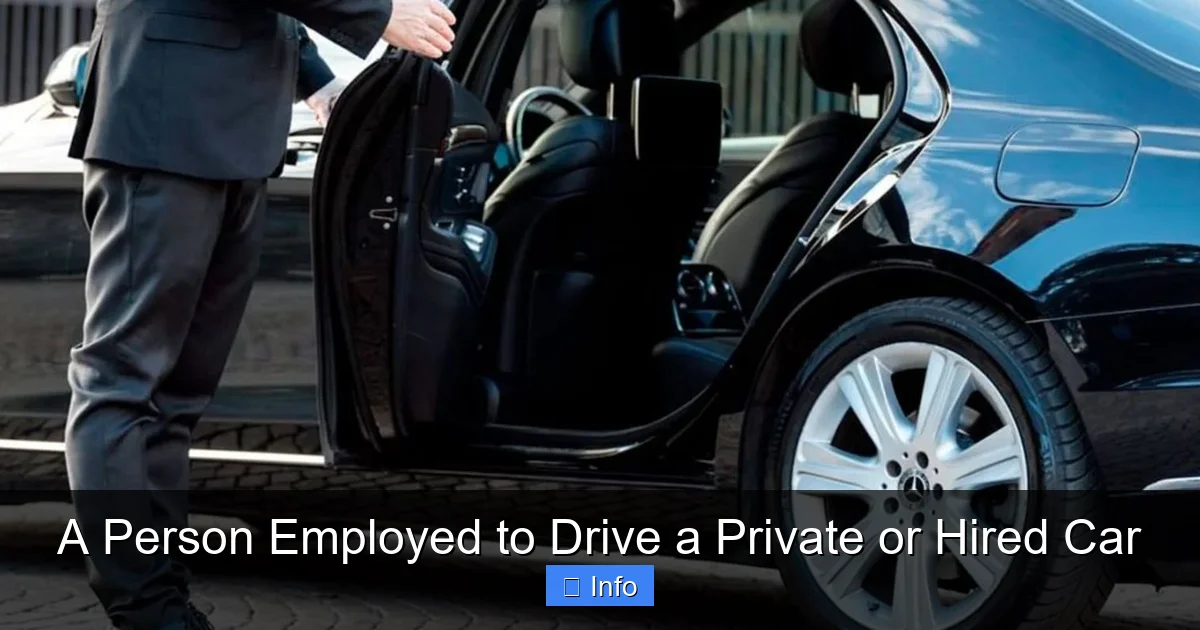
The role of a person employed to drive a private or hired car combines elements of transportation, hospitality, and employment. Whether you’re driving your own vehicle professionally or relying on a rental service, understanding the differences matters. This guide covers the responsibilities, benefits, and decision-making process when choosing between independent driving and outsourcing your travel needs.
Key Takeaways
- Understanding the distinction between being privately driven versus having a car hired creates clearer expectations about responsibility and compensation.
- Legal and contractual obligations vary significantly depending on whether you’re the driver of record or using a service contract.
- Safety and liability are paramount; both employers and hires must navigate insurance and risk management.
- Cost comparisons help decide whether owning or hiring a vehicle makes financial sense based on usage patterns.
- Work-life balance differs greatly between self-employed drivers and those who hire professional drivers for their trips.
- Practical tips include proper documentation, scheduling, and vehicle maintenance for smooth operations.
📑 Table of Contents
A Person Employed to Drive a Private or Hired Car
When we talk about a person employed to drive a private or hired car, we’re really describing two different worlds. There’s the dedicated professional who lives and works by the road—someone who accepts payment to operate their vehicle for clients, family, or companies. Then there’s the passenger experience side, where you pay a service to get someone else’s car moving without the hustle of keeping the keys.
Both paths have unique perks and challenges. The privately employed driver gets paid hourly or by the mile, which means they’ve got flexibility but also responsibility for their own expenses. Meanwhile, hiring a car service offers convenience and peace of mind, though costs add up quickly over time. Understanding which route suits your lifestyle is the first step toward feeling confident behind the wheel.
What Does Being Employed to Drive a Private or Hired Car Mean?
Being employed to drive a private or hired car generally falls into two categories: commercial driving and personal transportation services. Commercial driving includes taxi services, limousine operators, corporate shuttle programs, and even ride-sharing platforms like Uber and Lyft where drivers earn through apps. These positions typically require the employee to have a clean driving record and may involve specific licensing.
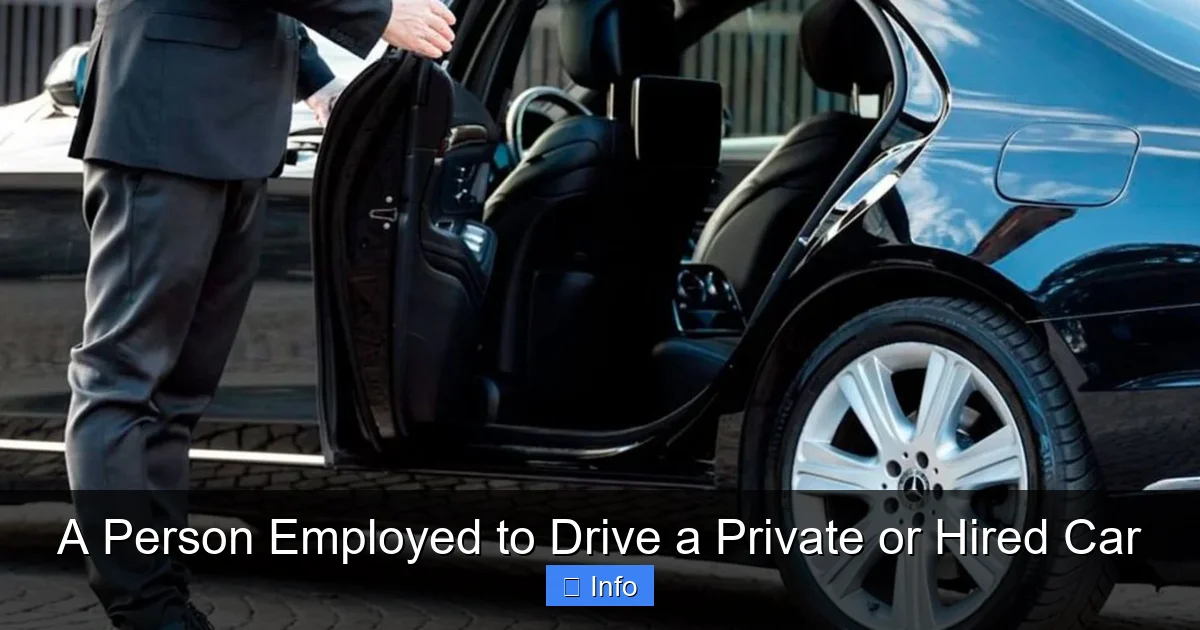
Visual guide about A Person Employed to Drive a Private or Hired Car
Image source: carrollcomfort.com
On the other hand, hired car situations refer to when individuals pay to use someone else’s vehicle for their own purposes. This could mean booking a luxury sedan through a car rental agency, hiring a minivan for family travel, or simply paying a driver to give you a lift to a destination. Unlike commercial driving, these arrangements don’t usually involve ongoing employment; instead, you’re paying for immediate access to a vehicle.
The Private Driver Perspective
If you’re a person employed to drive a private car, you likely have several key characteristics. First, you maintain the vehicle yourself—the oil changes, tire rotations, and brake inspections fall on you. Second, you deal with personal liability in case of accidents, meaning you typically need your own auto insurance. Third, you clock hours and manage your schedule, balancing driving shifts with other commitments like work or family.
Consider Maria, a former teacher who transitioned to chauffeur work after retirement. She spent five years training before accepting permanent appointments with local hotels. Her daily routine starts early, she navigates city traffic, and her income depends entirely on client bookings and tip quality. The freedom to set her own hours is appealing, yet the stress of weather-related delays and difficult passengers can wear on her spirit.
The Hired Car Service Experience
For many, being hired to drive a private car isn’t about becoming a professional driver—it’s about taking advantage of available resources. Think of it as the difference between owning a bike and renting one for a weekend trip. Services like taxis, private transfers, and even specialized vehicles for medical transport offer comfort without the burden of vehicle maintenance.
When you hire a car, you surrender control of certain aspects. The driver might follow specific routes, adhere to company policies, or avoid particular neighborhoods. However, you gain significant savings compared to maintaining a personal vehicle, especially if you only need transportation occasionally. The trade-off is less flexibility and potentially higher per-mile costs than riding alone in your own car.
Benefits and Responsibilities of Professional Driving
Working as a private or hired car operator opens doors that aren’t accessible to regular commuters. You become a service provider, gaining skills in customer interaction and reliability. Many people report increased confidence once they master navigating unfamiliar streets while earning an extra income.

Visual guide about A Person Employed to Drive a Private or Hired Car
Image source: americanprofessionguide.com
However, this path comes with clear responsibilities. Legally, you must comply with labor laws—some regions require specific permits for commercial driving, and minimum wage protections may apply. Insurance becomes non-negotiable; without adequate coverage, a single accident could result in devastating financial consequences.
From a personal standpoint, safety and liability are your biggest concerns. Professional drivers face scrutiny from customers, clients, and regulatory bodies alike. They need to document every shift, maintain detailed records of miles driven, and stay updated on traffic regulations. Negligence claims can ruin careers quickly, which is why thorough preparation is essential.
Here’s a practical tip: keep digital copies of all contracts and invoices. Having proof of payment and clear terms protects you in disputes and helps build trust with clients over time. Many new professionals find that a simple spreadsheet tracking hours, earnings, and expenses proves invaluable during tax season.
Deciding Which Path Suits You
Choosing between being privately employed or simply hiring a car depends on your priorities, budget, and lifestyle goals. If money is tight and you value convenience, going with a hired car service might save you thousands annually. But if you enjoy the independence of controlling your schedule and vehicle, becoming a private driver could be fulfilling.
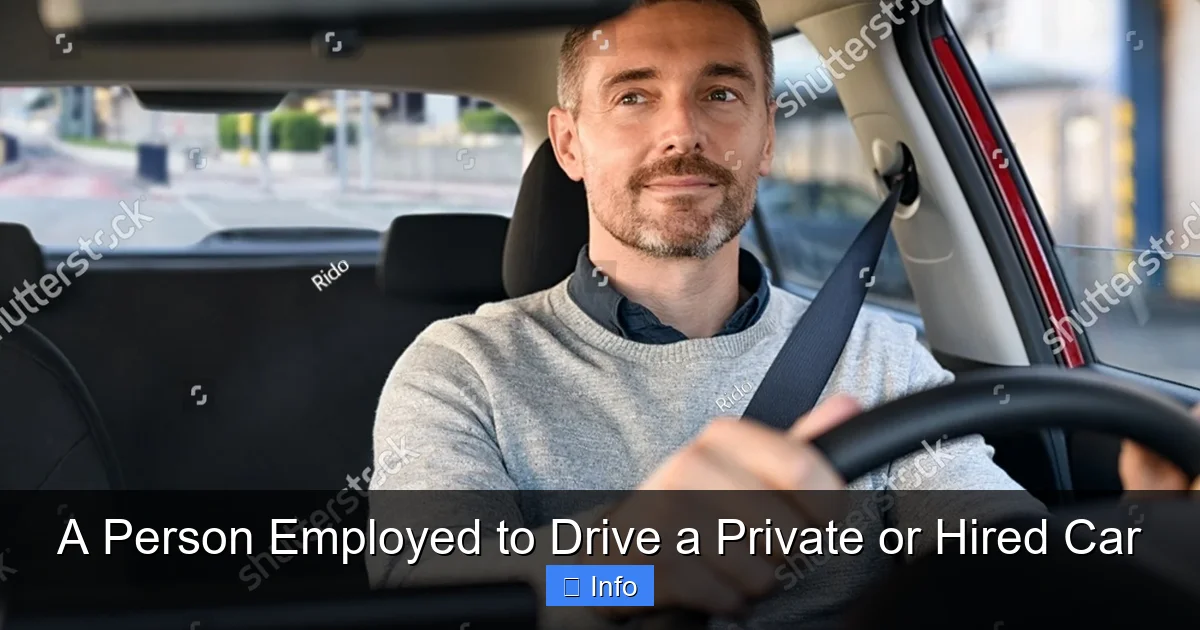
Visual guide about A Person Employed to Drive a Private or Hired Car
Image source: shutterstock.com
Let’s look at some scenarios. Sarah lives in a busy metropolitan area where airport transfers are frequent. Instead of investing in a second vehicle, she hires a premium sedan through a reputable service for her weekly flights. This approach keeps her monthly spending predictable while freeing her to focus on her career.
Conversely, James works full-time as a software engineer and needs reliable transportation for his daily commute. He chooses a hybrid model—a small private car he operates himself—because he values predictability and doesn’t want unexpected charges. His flexible schedule allows him to adjust driving hours around meetings and family time.
Tips for Working as a Private Car Driver
Transitioning to private driving requires more than just a license. Here are practical steps to ensure success and safety.
Documentation and Records
Before starting, verify that your insurance covers commercial activities. Most standard personal policies exclude driving for profit, so you’ll need a separate commercial policy. Additionally, ensure your vehicle registration allows for business use. Keeping these documents organized prevents headaches later.
Maintain meticulous logs of every assignment. Record start times, destinations, miles traveled, and any issues encountered. Customers appreciate transparency, and it provides useful data if a dispute arises. Digital apps can automate this process, saving you time and reducing errors.
Vehicle Maintenance and Care
Your private car is your partner on the road. Regular preventive maintenance extends its life and ensures safe operation. Changing tires, rotating wheels, and checking fluid levels should happen according to the manufacturer’s schedule—not just because you remember.
Pro tip: Invest in high-quality oil and recommended fluids. Using cheaper alternatives can lead to premature engine wear, resulting in costly repairs down the line. And never skip brake inspections; worn brakes are dangerous and expensive to replace.
Remember, a neglected vehicle reflects poorly on your professional reputation. When you represent yourself as a professional driver, your machine must perform flawlessly every day.
Additional Considerations
While focusing on driving itself, consider the broader context. Traffic patterns, parking availability, and company policies all affect your daily routine. For example, some employer-driven programs require uniform standards or mandatory vehicle wear-and-tear fees.
Another factor is environmental impact. If you’re considering switching to electric or hybrid models for your private car, you’ll benefit from lower operating costs and reduced emissions—plus, green credentials can attract eco-conscious clients.
Finally, think about technology integration. Modern drivers rely heavily on GPS navigation, smartphone apps for dispatch, and telematics systems that track performance metrics. Familiarize yourself with these tools early, as they enhance efficiency and accuracy in your professional endeavors.
continues throughout this article as a visual reminder of the dynamic world of professional driving.
Frequently Asked Questions
Question?
How do I become a licensed private car driver?
To become a person employed to drive a private or hired car, you typically need a valid driver’s license plus any additional commercial endorsements required by your state. Check local regulations regarding age limits, background checks, and medical fitness exams. Once certified, you can sign contracts with clients or join established driver platforms.
Question?
Is it worth renting a car instead of becoming a private driver?
Renting a car for occasional use saves money compared to maintaining a private vehicle. However, becoming a private driver offers greater flexibility and potential income. Renting is better suited for infrequent needs, while driving professionally suits steady, recurring demand.
Question?
What insurance do private car drivers need?
Private drivers must carry auto insurance specifically designed for commercial activities. Personal policies often exclude this type of coverage, leaving you vulnerable in case of accidents. Look for comprehensive protection including liability, collision, and theft coverage to safeguard your assets and finances.
Question?
Can I deduct expenses as a private car driver on taxes?
In many jurisdictions, yes. As a self-employed driver, you can deduct legitimate business expenses such as fuel, vehicle maintenance, insurance premiums, and depreciation. Tracking these costs carefully is crucial for accurate tax reporting and maximizing your deductions.
Question?
What are the pros and cons of hiring a private car service?
The advantages include convenience, lack of vehicle ownership costs, and access to multiple vehicle types. The downsides are higher per-service charges and limited customization since the service follows standardized protocols. Weighing these factors against your travel frequency will determine the best option.
Question?
How do I handle safety concerns while driving private clients?
Always conduct background checks on potential clients, share your itinerary with trusted contacts, and use professional-grade communication tools. During the journey, remain attentive to both your passenger’s needs and your surroundings. Posting updates on social media can add an extra layer of security for yourself and your guests.