How to Avoid Rock Chips
Rock chips can ruin your car’s finish in seconds, but they’re easy to prevent. By adjusting driving habits, using protective accessories, and staying aware of road conditions, you can keep your paint looking fresh. Follow these friendly, practical steps to enjoy a chip‑free ride.
Key Takeaways
- Drive smarter: Reduce speed and change lanes early to avoid debris.
- Use protection: Clear bra, film, or mud flaps act as a physical barrier.
- Maintain distance: Keep a safe following distance from trucks and construction zones.
- Stay informed: Check road conditions and weather forecasts before long trips.
- Mind the details: Regularly inspect tires and wheel wells for worn parts that can fling rocks.
- Repair promptly: Small chips can be fixed before they spread, saving time and money.
- Combine habits: Using multiple strategies together offers the best protection.
📑 Table of Contents
Introduction
We’ve all been there – a perfect morning drive, a sudden “crunch” from the road, and a tiny stone embeds itself in the side of the car. Rock chips may look small, but they can quickly turn into rust, expensive paint repairs, and a nagging reminder of a careless ride.
Good news: you don’t need a super‑expensive paint job or a fleet of body‑shop appointments to keep your vehicle looking fresh. By making a few small adjustments to how you drive, what you install, and how you stay aware of the road, you can dramatically lower the chances of those annoying chips. This guide walks you through everything you need to know about how to avoid rock chips, from everyday habits to the best protective products on the market.
1. Understand Why Rock Chips Happen
What causes a rock chip?
Rock chips form when loose stones or debris strike the vehicle’s paint at high speed. The impact shatters the clear coat and leaves a tiny crater. Over time, water and road salt seep in, causing rust.

Visual guide about How to Avoid Rock Chips
Image source: i.ytimg.com
Common sources of debris
- Truck tires: Large tires kick up stones that travel several feet behind the vehicle.
- Construction zones: Gravel, sand, and broken pavement are everywhere.
- Rural roads: Unpaved surfaces throw up rocks more often than city streets.
- Weather: Wind can blow loose stones onto the road, especially after a storm.
Knowing these sources helps you anticipate danger and act before the chip lands.
2. Adjust Your Driving Habits
Maintain a safe following distance
Keeping at least a three‑second gap from larger vehicles gives you more time to see and avoid debris. If a truck ahead starts to spray gravel, you can change lanes early.
Visual guide about How to Avoid Rock Chips
Image source: diversityautofilms.com
Reduce speed on high‑risk roads
The faster you go, the more kinetic energy each stone carries. Slowing down by just 5–10 mph can cut the impact force dramatically.
Choose your lane wisely
Stay toward the middle of the lane on highways. The outer edge often gathers more stones kicked up by the shoulder.
Stay alert in construction zones
Construction sites are a hotspot for loose material. Reduce speed, follow posted signs, and consider pulling over if the area looks especially hazardous.
3. Equip Your Car with Protective Barriers
Clear bra (paint protection film)
A clear bra is a thin, transparent film applied to high‑impact areas like the front bumper, hood, and side mirrors. It absorbs the impact and can be replaced when it gets scratched.

Visual guide about How to Avoid Rock Chips
Image source: autorivet.com
Side and rear window film
These films protect glass from chips and also block UV rays, keeping the interior cooler.
Wheel well liners and mud flaps
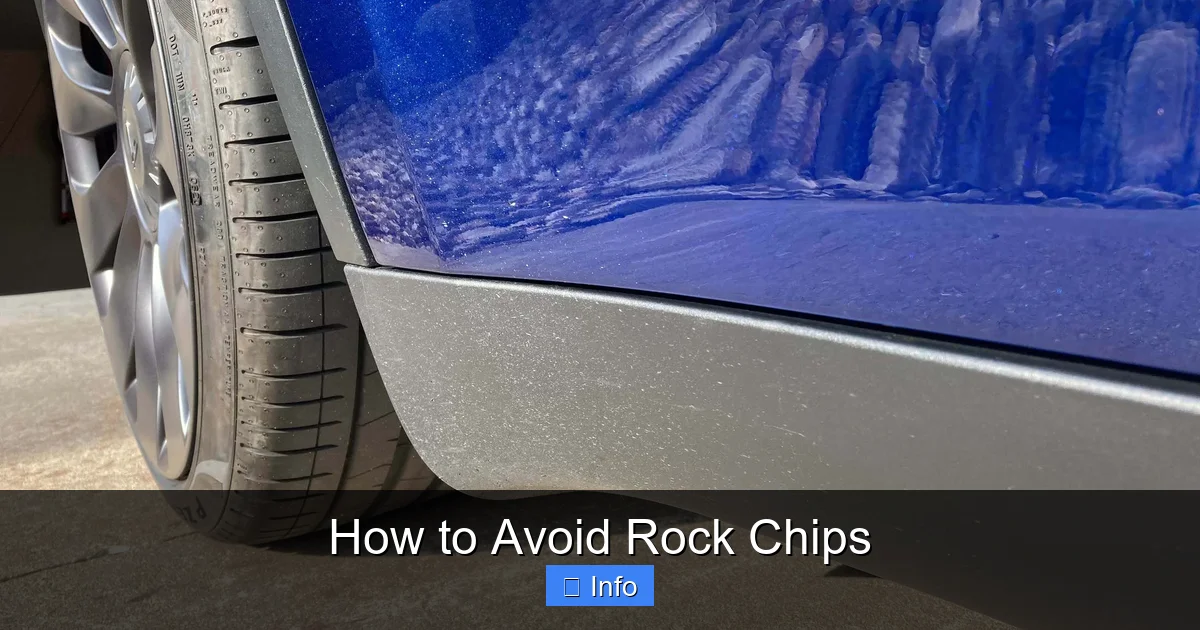
Wheel wells fling stones upward. Installing liners or flaps reduces the amount of debris that reaches the side panels.
DIY protection with tape
For a budget option, apply high‑temperature automotive tape to vulnerable spots before a long road trip. It’s not as durable as a clear bra, but it can stop a chip from reaching the paint.
Read more about protecting specific panels in our guide on how to Bondo rocker panels for quick fixes after a chip does occur.
4. Choose the Right Time and Route
Check road conditions before you leave
Many state DOT websites publish real‑time road conditions. Look for alerts about construction, gravel work, or recent storms that may have left debris.
Avoid high‑traffic rush hour
During rush hour, more trucks are on the road, increasing the chance of stone spray. If possible, schedule trips for off‑peak times.
Plan alternate routes
If a highway segment is under construction, consider a parallel route with less heavy‑vehicle traffic, even if it adds a few minutes.
5. Keep Your Vehicle in Top Shape
Maintain tire pressure
Under‑inflated tires wear unevenly and can throw stones more aggressively. Check pressure monthly and before long trips.
Inspect wheel wells and undercarriage
Rough or damaged wheel wells can act like a catapult. Replace worn liners and keep the area clean.
Regular washing
Removing built‑up grit reduces the chance that a stone will bounce back onto the paint. Use a gentle pressure washer to clear the undercarriage.
For a quick cleaning tip, see our article on how to clean a car engine bay. A clean undercarriage means fewer hidden rocks ready to launch.
6. Prompt Repair Prevents Bigger Problems
Why fix chips fast?
Even a tiny chip can let moisture in, leading to rust. Professional paint shops can fill chips in minutes, but you can also use a touch‑up pen for a quick DIY fix.
Step‑by‑step DIY chip repair
- Clean the area with isopropyl alcohol.
- Apply a small amount of touch‑up paint using a fine brush.
- Let it dry for 10–15 minutes, then apply clear coat.
- Polish the repaired spot gently after it cures.
When to seek professional help
If the chip is larger than a quarter or has penetrated the metal, a professional paint shop is the safest route. They can sand, prime, and blend the repair for a seamless look.
Conclusion
Rock chips don’t have to be an inevitable part of owning a car. By understanding why they happen, adjusting your driving style, adding protective films, planning smarter routes, and keeping your vehicle in good condition, you can dramatically lower the risk. Remember, the best defense is a combination of habits and hardware—each small step adds up to a big difference.
Start with one simple change today, like increasing your following distance, and watch how much fewer chips appear on your ride. Your car’s paint will thank you, and your wallet will stay happier too.
Frequently Asked Questions
What is the most effective way to prevent rock chips?
Installing a clear bra or paint protection film on the front bumper, hood, and side mirrors provides the strongest barrier against stones while you drive.
Can I use regular tape as a protective measure?
High‑temperature automotive tape works as a short‑term solution for trips, but it’s not as durable as a clear bra and should be replaced regularly.
Do mud flaps really help with side panel chips?
Yes, mud flaps reduce the amount of debris that is thrown upward from the tires, protecting the lower side panels and wheel wells.
How often should I inspect my tires for damage?
Check tire pressure and tread wear at least once a month and before any long journey to ensure optimal performance and reduced stone spray.
Is it worth repairing a tiny chip yourself?
DIY touch‑up kits work well for chips smaller than a quarter. Quick repairs stop moisture from entering and prevent rust.
Should I avoid highways altogether to prevent chips?
Not necessarily. Highways are safe if you maintain a safe distance, reduce speed in construction zones, and use protective films. Smart driving habits are the key.