Car Makes Moaning Noise When Backing Up
If your Car Makes Moaning Noise When Backing Up, it could be a simple bearing issue or a deeper transmission problem. This guide breaks down the likely causes, how to diagnose them, and easy steps to fix the noise so you can reverse safely.
Reversing your car should be smooth and quiet. When you hear a Car Makes Moaning Noise When Backing Up, it can feel unsettling, especially if it’s new. The good news is that most of the time the cause is something you can identify and fix without a major shop visit.
In this article we’ll walk through the most frequent reasons behind that annoying sound, show you how to check for each problem, and give practical tips to get your reverse gear whisper‑quiet again. Whether you’re a DIY enthusiast or just want to understand what the mechanic might say, read on for clear, step‑by‑step guidance.
Key Takeaways
- Point 1: Worn wheel bearings are the most common cause of a moaning sound when reversing.
- Point 2: Low or dirty transmission fluid can create a high‑pitched moan that changes with speed.
- Point 3: A damaged drive shaft or CV joint often produces a rhythmic moaning as the rear wheels turn.
- Point 4: Using an OBD2 scanner can reveal hidden fault codes that point to electronic or sensor issues.
- Point 5: Regular fluid changes and bearing inspections prevent most moaning problems.
- Point 6: Cleaning the undercarriage with a foam gun helps you spot wear that’s otherwise hidden.
📑 Table of Contents
Common Causes of the Moaning Noise
Worn Wheel Bearings
Wheel bearings support the hub and allow the wheel to spin with minimal friction. When they wear out, the metal surfaces grind against each other, producing a low‑to‑mid‑range moan that often gets louder as you back up. This noise usually changes pitch with the speed of the wheels, making it easy to spot.
Transmission Fluid Issues
Automatic transmissions rely on a thin fluid to lubricate gears and torque converters. If the fluid level is low, the fluid is old, or it’s contaminated, the transmission can emit a high‑pitched whine or moan, especially when the vehicle is under load while reversing.
Drive Shaft or CV Joint Problems
The drive shaft transfers power from the transmission to the rear axle. A worn CV joint or a loose universal joint can create a rhythmic moaning sound that syncs with the rotation of the wheels. This is common in front‑wheel‑drive and all‑wheel‑drive vehicles.
How to Diagnose the Noise
Listen for the Exact Timing
Pay attention to when the moan starts and stops. Does it happen only when you’re moving backward, or also when you drive forward? Note if it changes with speed or if it’s constant. Recording the sound on your phone can help you compare later.

Visual guide about Car Makes Moaning Noise When Backing Up
Image source: familysavingshubs.com
Check Fluid Levels and Condition
Open the transmission dipstick (or refer to your owner’s manual) and inspect the fluid. It should be at the proper level and have a clear, reddish hue. Dark, burnt‑smelling fluid is a red flag that a flush and refill may be needed.
Inspect for Loose or Damaged Parts
Look under the rear of the car for any loose brackets, worn mounts, or cracked exhaust components. A simple visual check can reveal a loose heat shield that vibrates and mimics a moaning sound.
If you suspect an electronic issue, plug in an OBD2 scanner to read any stored trouble codes – see our guide on How To Set Up An OBD2 Scanner For Your Car. This can point you toward sensor failures that affect transmission behavior.
Fixing Worn Wheel Bearings
When to Replace Bearings
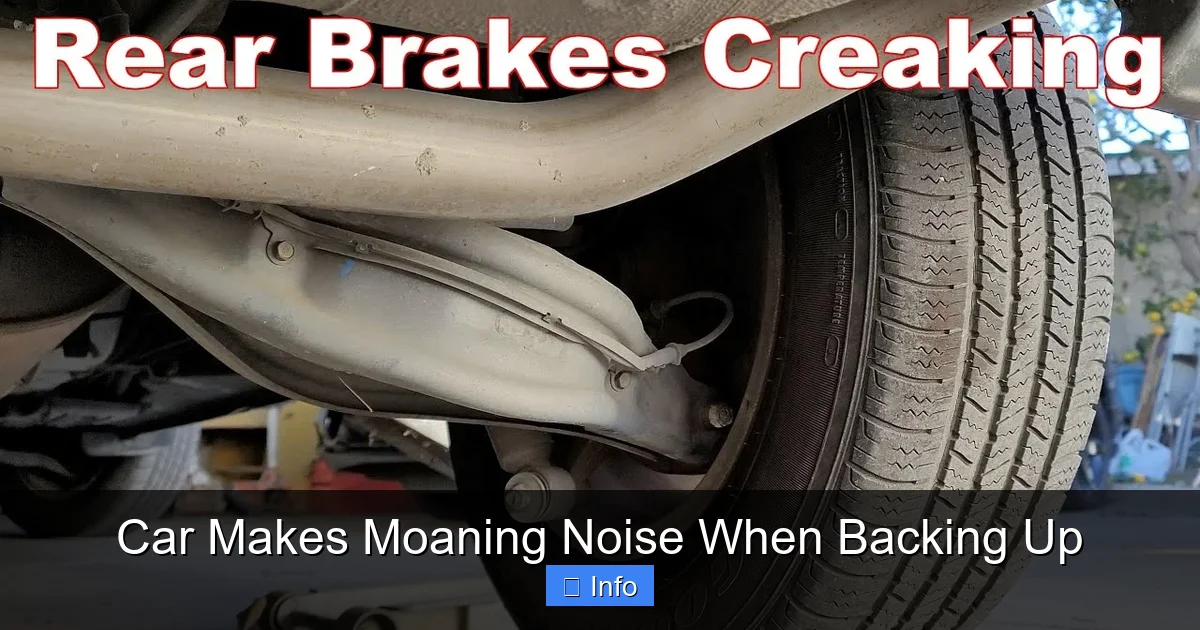
If you hear a constant grinding that changes with wheel speed, and the noise is louder when you back up, the bearings are likely the culprit. Other signs include vibration in the steering wheel or a humming sound that persists even when the car is stationary.
Visual guide about Car Makes Moaning Noise When Backing Up
Image source: i.ytimg.com
DIY vs. Professional Repair
Replacing wheel bearings requires removing the wheel, pressing out the old bearing, and pressing in a new one. If you have the tools and experience, you can do it yourself, but many drivers prefer a professional shop to avoid improper installation, which can lead to premature failure.
For a reliable replacement, consider the parts listed in Best Car Battery Starters For Reliable Performance – while not directly related, a strong battery ensures your electrical systems stay stable during the repair.
Addressing Transmission Fluid Problems
Flushing and Refilling Fluid
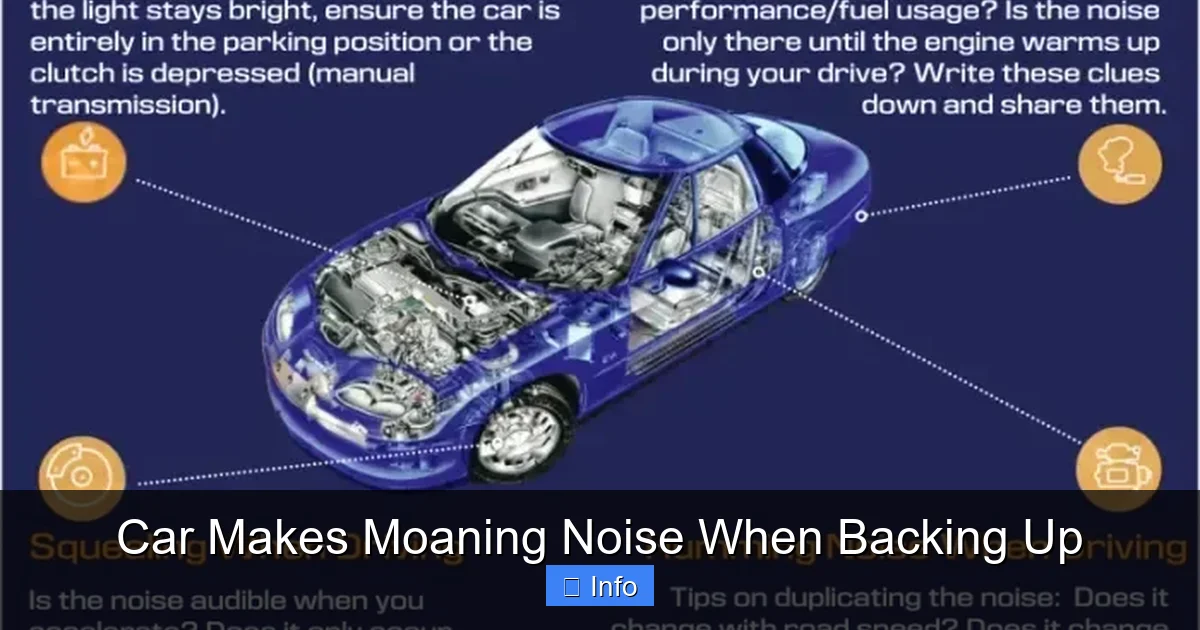
If the fluid is low or dirty, start by draining the old fluid, replacing the filter if your model has one, and refilling with the manufacturer‑recommended type. A proper flush removes metal particles that can cause grinding noises.
Visual guide about Car Makes Moaning Noise When Backing Up
Image source: autotechiq.com
Using the Right Fluid Type
Using the wrong viscosity or a fluid not approved for your transmission can increase friction and produce a moan. Always check your owner’s manual for the exact specification, and purchase fluid from a trusted source.
Keeping the transmission clean is also easier with a quick wash of the undercarriage. A foam gun from Best Foam Gun Car Wash Products For A Superior Shine helps remove grime that can hide leaks or drips.
Dealing with Drive Shaft and CV Joint Issues
Identifying CV Joint Wear
CV joints have rubber boots that protect the grease inside. If you see cracks, tears, or grease leaking onto the ground, the joint is likely worn. A torn boot allows dirt in, causing the joint to wear and emit a moaning sound when the rear wheels turn.
Repair Options
Replacing a CV joint involves removing the axle, which can be a bit involved. Many mechanics recommend replacing the entire axle assembly for simplicity and cost‑effectiveness. If you’re tackling it yourself, ensure you have the proper torque specifications to avoid future issues.
Preventive Maintenance Tips
Regular Inspection Schedule
Set a reminder to check wheel bearings, CV boots, and transmission fluid every 12,000 miles or at least once a year. Early detection prevents small issues from turning into costly repairs.
Keeping Fluid Fresh
Change transmission fluid according to the manufacturer’s interval, typically every 30,000 to 60,000 miles. Use a high‑quality fluid and replace the filter if applicable. Fresh fluid maintains proper lubrication and reduces noise.
Proper Driving Habits
Avoid hard revving while backing up and give the transmission a moment to settle before shifting into reverse. Smooth, gradual movements reduce stress on bearings and joints, extending their life.
Conclusion
Hearing a Car Makes Moaning Noise When Backing Up can be frustrating, but it’s usually a sign of something fixable. Start by listening carefully, checking fluid levels, and inspecting the undercarriage. Whether the problem lies in worn wheel bearings, dirty transmission fluid, or a damaged CV joint, the steps outlined above give you a clear path to diagnose and repair the issue. By staying on top of regular maintenance and addressing problems early, you’ll keep your reverse gear quiet, your ride smooth, and your peace of mind intact.
Frequently Asked Questions
What is Car Makes Moaning Noise When Backing Up?
Car Makes Moaning Noise When Backing Up is an important topic with many practical applications.