What Is Ect Power on a Toyota Sienna?

ECT Power on a Toyota Sienna refers to the Engine Coolant Temperature system that optimizes engine efficiency, fuel economy, and emissions. This critical component monitors coolant temperature to adjust fuel delivery, ignition timing, and other engine functions. Understanding ECT Power helps you maintain your Sienna’s performance and avoid costly repairs by recognizing when it needs attention.
Key Takeaways
- ECT Power is vital: It ensures engine performance by regulating coolant temperature for optimal fuel efficiency and emissions.
- Function: It adjusts fuel delivery and ignition timing based on real-time coolant temperature data.
- Benefits: Improves fuel economy and prevents engine damage caused by overheating or poor combustion.
- Diagnosis: Use OBD-II scanners or coolant checks to monitor ECT Power system health.
- Maintenance: Regular coolant replacements and sensor checks prevent common ECT Power issues.
- Common problems: Faulty sensors or low coolant can trigger ECT Power malfunctions.
- When to seek help: Persistent warning lights or engine performance drops require professional diagnosis.
📑 Table of Contents
Understanding ECT Power on a Toyota Sienna
If you own a Toyota Sienna, you’ve likely heard the term “ECT Power” mentioned during maintenance or diagnostics. But what exactly is it? ECT stands for Engine Coolant Temperature, and ECT Power refers to the system that uses this temperature data to optimize your vehicle’s engine performance.
The ECT sensor, located in the engine block, measures the coolant’s temperature as it circulates through the engine. This information is critical because it helps the engine control unit (ECU) determine the right amount of fuel to inject and the optimal ignition timing. When the coolant is cold, the engine needs more fuel to warm up efficiently. As the coolant warms, the ECU reduces fuel delivery to avoid rich mixtures that waste fuel and increase emissions.
ECT Power isn’t just about efficiency—it’s also a safety feature. A malfunctioning ECT system can lead to poor engine performance, decreased fuel economy, and even engine damage if the coolant overheats or freezes. For Toyota Sienna owners, understanding how ECT Power works can help them maintain their vehicle’s reliability and avoid unexpected breakdowns.
How ECT Power Works in Your Sienna’s Engine
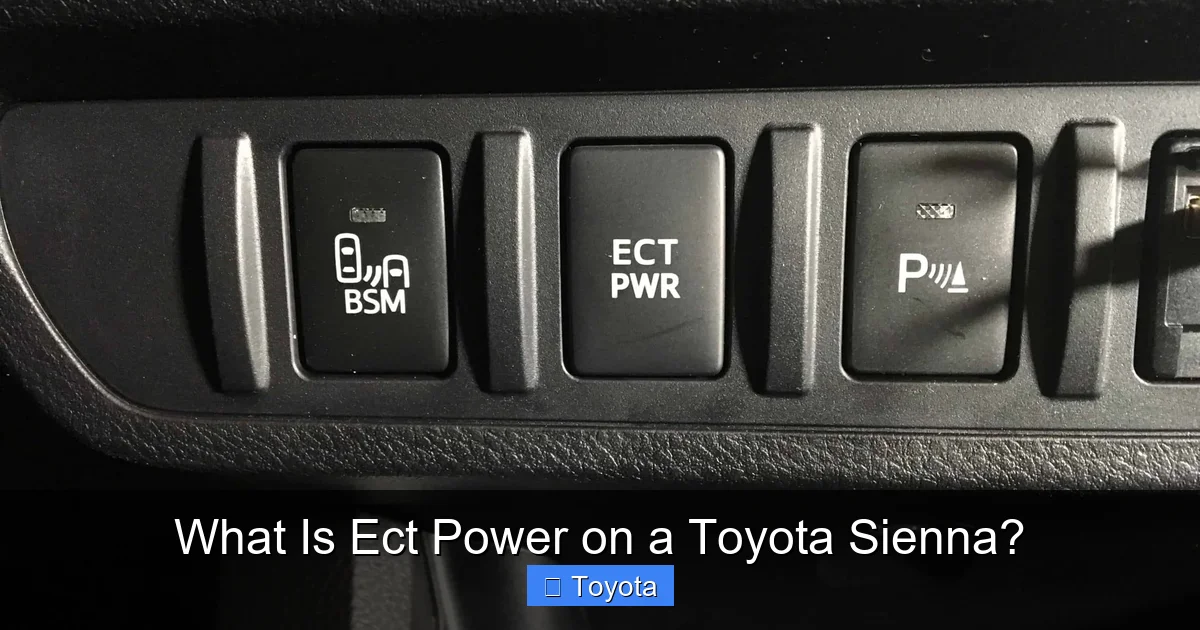
Visual guide about What Is Ect Power on a Toyota Sienna?
Image source: thegeekpub.com
The ECT Power system operates through a combination of hardware and software. Here’s a closer look at its components and functionality:
The ECT Sensor
The heart of the system is the ECT sensor, typically a resistance-type device. It’s usually located near the thermostat housing or cylinder head, where it can accurately measure coolant temperature. As coolant temperature changes, the sensor’s electrical resistance fluctuates, sending a signal to the ECU.
Data Processing by the ECU
Once the ECU receives temperature data, it adjusts key engine parameters. For example:
– Fuel injection: Cold coolant triggers richer fuel mixtures to warm the engine quickly. As coolant warms, the ECU leans out the mixture for better efficiency.
– Ignition timing: The ECU advances or retards spark timing based on coolant temperature to optimize combustion.
– Transmission shifts: In automatics, transmission shift points may adjust to protect the engine during cold starts.
Real-World Example
Imagine starting your Sienna on a chilly morning. The ECT sensor detects cold coolant, prompting the ECU to deliver a richer fuel mixture. This ensures the engine warms up quickly, reducing wear and improving emissions. As the engine reaches operating temperature, the ECU gradually reduces fuel delivery, maximizing efficiency during your commute.
ECT Power also plays a role in emissions control. By maintaining precise fuel-air ratios, it helps keep tailpipe emissions within legal limits, ensuring your Sienna passes inspections.
Benefits of a Healthy ECT Power System
Visual guide about What Is Ect Power on a Toyota Sienna?
Image source: pictures.dealer.com
Maintaining a functional ECT Power system offers several advantages for Toyota Sienna owners:
Improved Fuel Economy
A properly calibrated ECT system ensures your engine runs at peak efficiency. When coolant temperature readings are accurate, the ECU can optimize fuel delivery, reducing waste and lowering your fuel costs.
Enhanced Engine Performance
ECT Power ensures your Sienna’s engine operates within its ideal temperature range. This prevents issues like hesitation, stalling, or rough idling caused by incorrect fuel mixtures.
Extended Engine Life
By preventing overheating and ensuring efficient combustion, the ECT system reduces stress on engine components. This translates to fewer repairs and a longer vehicle lifespan.
Lower Emissions
A well-functioning ECT Power system helps your Sienna meet emissions standards, which is especially important in states with strict environmental regulations.
Reliable Cold-Start Performance
ECT Power ensures smooth engine starts in cold weather, reducing wear on components like spark plugs and catalytic converters.
Common ECT Power Issues and Their Signs
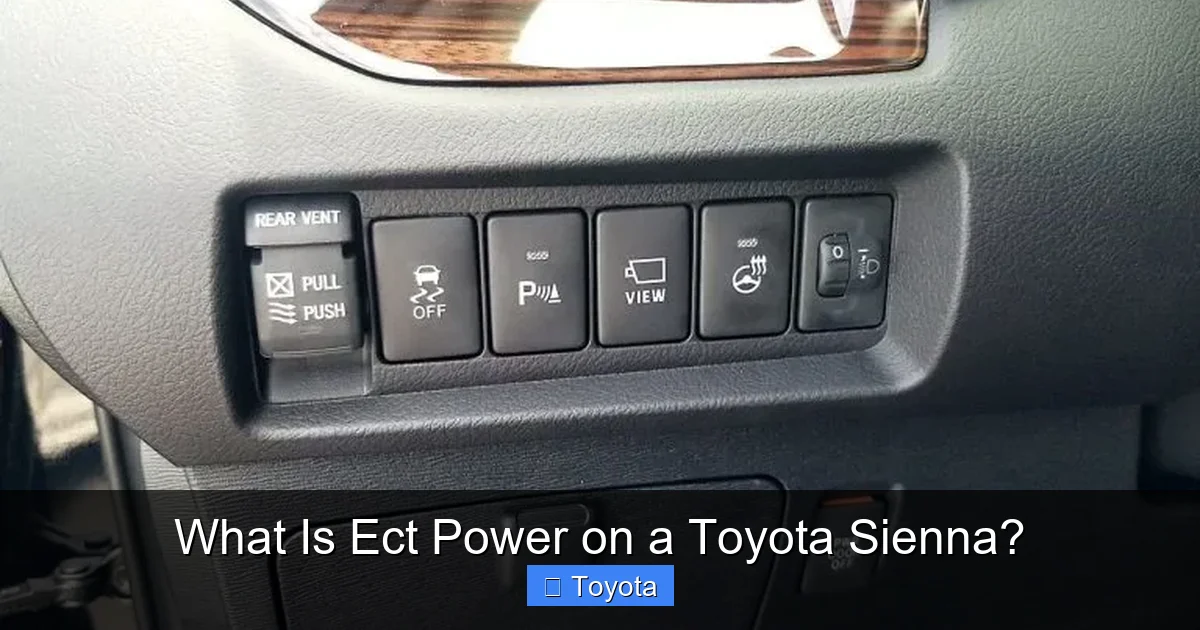
Visual guide about What Is Ect Power on a Toyota Sienna?
Image source: automotivian.com
Even robust systems like ECT Power can develop problems over time. Here are common issues and their warning signs:
Faulty ECT Sensor
A defective sensor sends incorrect temperature data to the ECU. This can cause poor fuel economy, rough idling, or a check engine light. If your Sienna struggles to start in cold weather, this might be the culprit.
Low Coolant Levels
Insufficient coolant can lead to inaccurate temperature readings or engine overheating. Check your coolant reservoir regularly and top it off if levels are low.
Coolant Leaks
Leaks in the cooling system can cause the ECT sensor to detect cooler temperatures than actual, leading to poor engine performance. Look for puddles under your Sienna or a sweet, syrupy smell.
Malfunctioning Thermostat
A stuck-open or stuck-closed thermostat disrupts coolant flow, affecting temperature readings. Symptoms include overheating or the engine running too cool.
Corroded Wiring or Connectors
Damaged wiring or corroded connectors near the ECT sensor can disrupt communication between the sensor and ECU. Inspect these areas during regular maintenance.
Diagnosing ECT Power Problems
If you notice symptoms of ECT Power issues, here’s how to diagnose them:
Check for Warning Lights
A check engine light often indicates ECT-related problems. Use an OBD-II scanner to retrieve diagnostic trouble codes (DTCs) like P0115 (ECT sensor circuit malfunction) or P0128 (coolant thermostat issue).
Monitor Coolant Levels
Regularly inspect your coolant reservoir. Low levels or contamination (milky coolant indicating a head gasket leak) require immediate attention.
Use an Infrared Thermometer
Compare the temperature of different engine parts with an infrared thermometer. If the ECT sensor location reads significantly hotter or cooler than other areas, the sensor may be faulty.
Test the ECT Sensor
Disconnect the sensor and measure its resistance with a multimeter. Compare readings to manufacturer specifications. A faulty sensor will show inconsistent or out-of-range values.
Scan for Live Data
With an OBD-II scanner, monitor live coolant temperature data. If the reading jumps erratically or doesn’t change as the engine warms, the sensor or wiring needs replacement.
Maintaining Your ECT Power System
Proper maintenance ensures your ECT Power system functions correctly:
Replace Coolant Regularly
Toyota recommends coolant replacement every 100,000 miles or 10 years. Old coolant can lose its thermal properties or corrode components like the ECT sensor.
Inspect the ECT Sensor
During oil changes or routine maintenance, check the sensor for corrosion or damage. Clean it gently with a wire brush if needed, but avoid touching the sensing element.
Check for Leaks
Inspect hoses, gaskets, and the radiator for leaks. A leak can cause the ECT sensor to misread temperatures, leading to performance issues.
Test the Thermostat
A stuck thermostat can be tested by removing it and placing it in a pot of boiling water. It should open completely at 180–190°F (82–88°C).
Use Quality Coolant
Stick to Toyota-approved coolant or high-quality alternatives like 5W-30 synthetic blends that protect engine components and maintain proper cooling efficiency.
When to Seek Professional Help
While basic diagnostics are manageable for DIY enthusiasts, some ECT Power issues require expert attention:
Persistent Check Engine Lights
If your Sienna’s check engine light remains on after basic troubleshooting, a mechanic can perform advanced diagnostics and code clearing.
Severe Overheating
Frequent overheating or steam from the engine indicates a serious cooling system problem. A professional can identify leaks, blockages, or sensor failures.
Engine Performance Drops
If your Sienna hesitates, stalls, or has poor acceleration, a mechanic can verify if ECT Power is affecting fuel delivery or ignition timing.
Complex Sensor Failures
Replacing the ECT sensor or repairing wiring requires specialized tools and knowledge. Attempting DIY repairs without proper expertise could worsen the problem.
Transmission Issues
Since ECT Power affects transmission shifts, erratic gear changes might indicate a deeper cooling system problem requiring professional diagnosis.
Conclusion
ECT Power is a critical system in your Toyota Sienna that ensures optimal engine performance, fuel efficiency, and emissions control. By understanding how it works and recognizing common issues, you can maintain your vehicle’s reliability and avoid costly repairs. Regular coolant checks, sensor inspections, and prompt attention to warning signs will keep your ECT Power system in top shape. When in doubt, consult a trusted mechanic to diagnose and resolve any ECT Power-related problems.
Frequently Asked Questions
What does ECT Power mean on a Toyota Sienna?
ECT Power refers to the Engine Coolant Temperature system that monitors coolant temperature and adjusts engine parameters like fuel delivery and ignition timing for optimal performance and efficiency.
How does ECT Power affect fuel economy?
A functioning ECT Power system ensures the engine operates at ideal temperatures, enabling precise fuel-air mixtures. This reduces fuel waste and improves efficiency, especially during cold starts and warm-up cycles.
Can I reset ECT Power manually?
No, ECT Power is an automated system managed by the engine control unit (ECU). However, you can reset diagnostic trouble codes using an OBD-II scanner after addressing the root cause of the issue.
What are common signs of a faulty ECT sensor?
Signs include poor fuel economy, rough idling, hesitation during acceleration, and a lit check engine light. The ECU may also default to a “limp mode” to protect the engine.
How often should I check my Sienna’s coolant level?
Check coolant levels monthly, especially before long trips or in extreme weather. Top off the reservoir when the engine is cold to avoid scalding or overfilling.
When should I see a mechanic for ECT Power issues?
Consult a mechanic if you notice persistent warning lights, overheating, or significant drops in performance. Complex repairs like sensor replacement or thermostat fixes require professional expertise.